

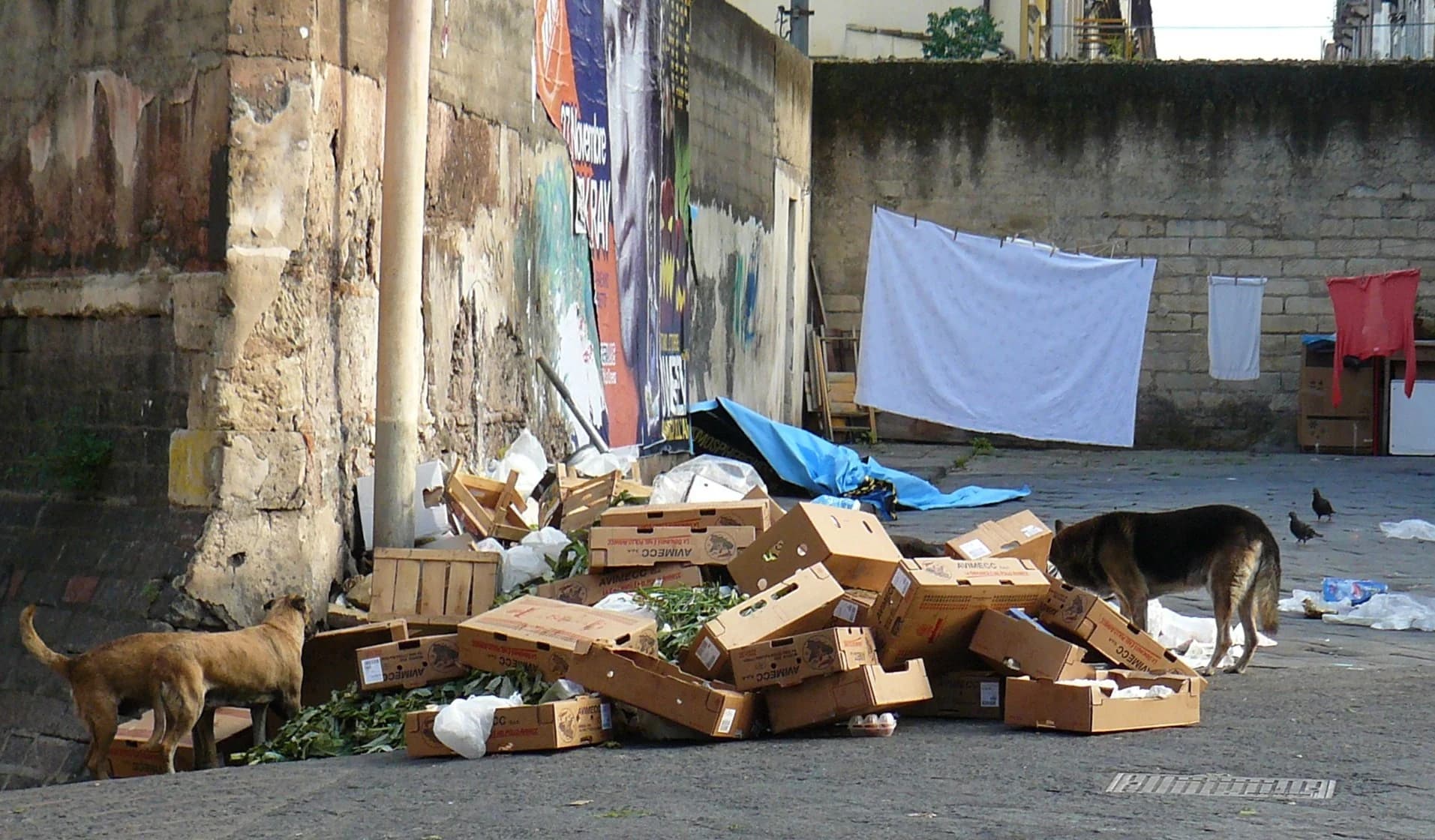
The market before the meal
Palermo's markets announce themselves before the map does. A voice carries down the street, boxes strike pavement, silver fish catch the shade and citrus seems to light its own stall. Ballaro, Capo and Vucciria are often grouped together as attractions, though each has a different history, trade and daily tempo. They are not open-air museums. People are buying ingredients, earning wages and moving heavy goods through narrow space.
Go hungry but not entitled. Stand clear while a sale is being made, ask before photographing a vendor or close-up display, and pay for what you taste. Street food deserves the same allergy questions and food-safety judgement you would use anywhere. Panelle, arancine, sfincione and offal specialities all carry local stories, but no single snack can represent an island shaped by many languages, faiths, rulers and migrations.
The useful market purchase is often conversation. Ask what is good now rather than demanding the ingredient a television programme promised. Seasonality in Sicily is not a rustic decoration. It is the practical intelligence of heat, rain, soil, fisheries and labour. A cook who changes the menu is not withholding the authentic dish; they may be serving the more authentic fact of the day.
How lunch becomes a landscape
A long Sicilian meal can look effortless from the guest's chair. It is not. Somebody planned, shopped, cleaned, cooked and will continue working when the last cup is empty. If you are invited into a home, ask what to bring, arrive when requested, offer practical help and accept that your host may decline it. Praise is welcome; turning the kitchen into content without permission is not.
At an agriturismo or small restaurant, duration is part of the value but should never be assumed. Book clearly, mention dietary requirements before arrival, and ask how the meal is served. Multiple courses may arrive in a regional sequence, but traditions differ between Palermo and Catania, coast and interior, feast day and Tuesday. Sicily is too large and internally varied for a single table rule.
Eat with curiosity rather than performance. A plate of pasta con le sarde may hold wild fennel, sardines, raisins or pine nuts in proportions that provoke strong local opinions. Caponata changes from kitchen to kitchen. Couscous in western Sicily speaks to Mediterranean connections that long predate modern tourism. Ask about the cook's version, then let that version be enough.
“The table is long because it has room for contradiction.”
Rivileo Journal
The people inside the provenance
Menus increasingly name farms, boats, grape varieties and protected products. Provenance can reveal a meaningful chain of care, but it can also become a luxury vocabulary that hides labour. Ask how a place works with growers and fishers, whether the catch follows current rules, and what happens when an ingredient is unavailable. Responsible sourcing should produce honest absence as well as beautiful abundance.
Wine adds another map. Volcanic slopes, western hills and island vineyards produce radically different bottles, while alcohol-free hospitality remains just as valid. A tasting is not an exam. Spit, share, skip or choose water without apology, and never drive after drinking. Rural estates may be impossible to reach comfortably without a car, so arrange a driver or stay on site before the first glass.
Small producers often require appointments because hospitality is not their only work. Confirm visits, pay stated fees and do not expect shipping, samples or English interpretation. The most respectful purchase is one you can transport legally and safely, not a suitcase filled to prove discernment.
Make room at the table
Sicilian food writing has too often treated poverty as picturesque and women's unpaid labour as magic. A better story keeps pleasure and context together. Dishes created from necessity can be ingenious without making hardship desirable. Family recipes can be cherished while restaurant kitchens and farms are recognised as workplaces with real pressures.
Migration is not only a historical layer. Contemporary Sicily sits on routes of movement across the Mediterranean, and today's cooks, workers and communities continue to reshape what the island eats. Look for projects and businesses that credit those contributions rather than freezing Sicilian identity in an imagined past. The table has always changed because people move.
By the time coffee arrives, a good lunch has expanded beyond appetite. You know which wind delayed the boat, who grew the herb, why this household fries one thing twice and refuses to sweeten another. The table is long because it has room for contradiction. Stay present, pay fairly, thank the people who did the work, and leave without asking the meal to become a symbol of everything.
Carry the table onward
The next morning, go back to the market with fewer ambitions. Buy fruit for the train, bread for a walk or one ingredient whose storage you understand. Ask whether it needs refrigeration and whether it can legally cross your next border. Food waste is a poor souvenir of enthusiasm.
If you want to cook, choose a class that names the teacher, group size, location and ingredients, and that pays for instruction rather than using a household as scenery. Tell the organiser about allergies and mobility needs before booking. A good class teaches decisions - texture, heat, season, substitution - rather than claiming to reveal a single grandmother-approved secret.
At home, reproduce the meal with humility. Name it inspired by the place if ingredients and technique have changed, credit the source and avoid turning authenticity into a competition. Recipes travel because people do. The most faithful lesson from Sicily may be not a fixed list of ingredients but the discipline to cook what is excellent now and make enough room for somebody else.
That room includes people who do not drink, eat everything or sit comfortably through a four-hour meal. Good hospitality can adapt without treating a need as a disruption. Ask hosts and restaurants early about allergies, religious requirements, step-free access, seating and quieter space. Accept an honest no, and seek another table. Inclusion is not an imported rule placed against tradition; it is the practical art of making sure pleasure does not depend on somebody else enduring the occasion.
Payment completes the exchange. Cover charges, bread, water and service conventions vary, so read the menu and ask before ordering when costs matter. Carry a working card and some cash, request the receipt you need, and tip according to current local practice and the service. Fairness is quieter and more useful than theatrical generosity.
A route with room in it
- MorningA working Palermo market
Walk one market well, taste selectively and leave room for people shopping and delivering.
- MiddayA menu grounded in the day
Choose a kitchen that names producers and can explain what changed with the season.
- Next dayA booked producer visit
Arrange the visit directly, understand the fee and respect that agricultural work sets the schedule.
- Final tableAn unhurried rural lunch
Plan transport first, disclose dietary needs and give the meal the afternoon it deserves.