

A city tuning itself
Just after dawn, Lisbon sounds mechanical rather than musical. Metal shutters rise in short, stubborn bursts. A van exhales beside a bakery. Somewhere below the miradouro, a tram takes a curve with the bright complaint of steel. The famous light arrives gradually, finding the glazed tiles one wall at a time. Without the midday audience, the city is not empty; it is preparing itself.
Start in Graca, high enough to understand the folds of the terrain without needing to conquer all of them. The viewpoints are often presented as grand finales, but in the morning they work better as orientation. The castle occupies one ridge, the Tagus opens beyond the roofs, and the streets between look briefly possible. Take the photograph, then put the phone away. Swifts, bells and delivery trolleys are giving a more accurate account of the hour.
The point of beginning early is not to claim Lisbon before anybody else. Residents are commuting, cleaning, opening and sleeping. Keep voices low in residential lanes and do not turn doorways into sets. The reward is simply enough room to notice the work that makes the postcard possible.
Down through Alfama
Let the route fall rather than forcing it. Streets and stairways from Graca descend towards Sao Vicente and Alfama, sometimes offering the river and sometimes only laundry, stone and a cat on a bonnet. Use the signed public paths, resist private-looking alleys, and expect polished calçada to become slick after rain. Shoes with grip are more valuable here than any carefully planned outfit.
Alfama's intimacy is real, but it is also densely lived and heavily visited. A slower route should not mean lingering beneath somebody's window. Move gently, buy breakfast from a business that is actually open for the morning, and save fado for a venue that credits and pays performers. The neighbourhood does not need to be silent to be authentic; it needs to be treated as more than atmosphere.
At the lower edge, the lanes release you towards the cathedral and Baixa. This is a good moment to change speed. Rather than joining the first queue, sit with a bica or a galão and something warm from the counter. Portuguese cafe service can be brisk because the room is doing several jobs at once. Watch first, order clearly, and make space when you have finished.
“The reward of dawn is not an empty city, but enough room to notice the work that makes the postcard possible.”
Rivileo Journal
Ride without making the ride the problem
Lisbon's historic trams are transport, not moving viewing platforms. Tram 28 is famous because its route is genuinely useful and beautiful; those same qualities make it busy. Check current Carris information before setting out, validate the correct ticket or pass, let passengers leave first, and keep aisles and doors clear. If a car is full, the respectful decision is to wait, walk a section, or choose another route.
The less celebrated lines and modern network often provide a better journey. A tram is most revealing from an ordinary seat: the driver judging a narrow corner, a neighbour carrying shopping, the sudden river between buildings. Guard belongings in crowded vehicles without treating everyone around you as a threat. Lisbon is a functioning city, and ordinary urban awareness is enough.
Accessibility varies sharply across the historic fleet and steep streets. Carris publishes service information, and newer buses and trams may be a better option than a romantic route. Build the morning around the person travelling, not around an image of how Lisbon ought to be experienced.
Follow the river, not the checklist
By late morning the Tagus offers a change of scale. Walk the open waterfront where current works and access allow, or use public transport west towards Belem. The river reads like sea but behaves as an estuary, broad enough to carry weather into the city. Ferries and working docks keep the view from becoming decorative.
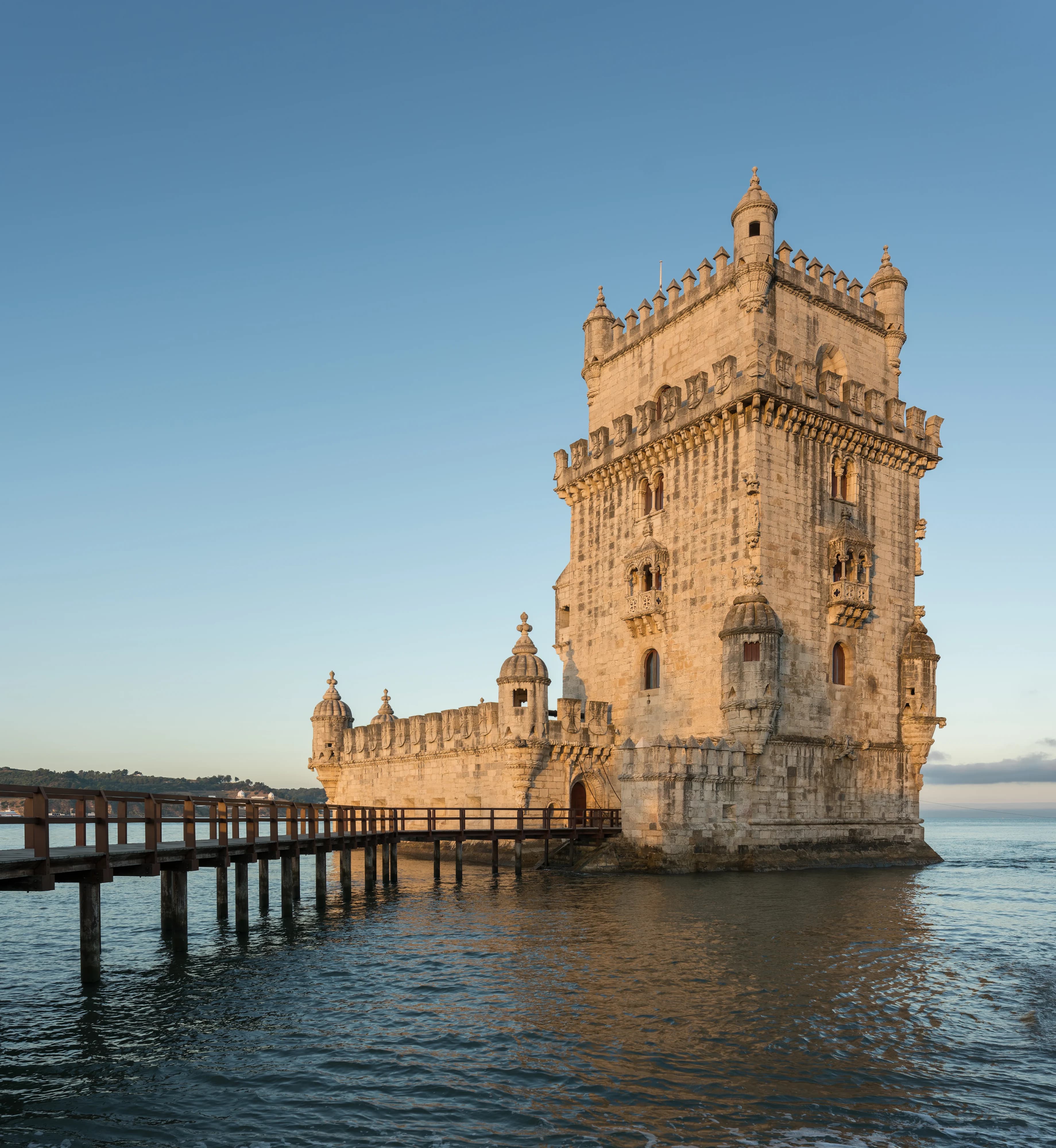
Belem concentrates major monuments and can absorb an entire day. If you go, choose one interior rather than collecting facades. The UNESCO-listed monastery and tower belong to a history of art, navigation, empire, extraction and encounter that deserves more than a triumphant caption. Read the interpretation critically and make time for voices that complicate the Age of Discoveries label.
Or stop before Belem. Alcantara, a garden bench, a market lunch or the next ferry can be the morning's ending. Lisbon rewards routes that accept the hill, the queue and the appetite as information. When the trams fill, nothing has been lost. You have already watched the city become itself.
The city after morning
If you have another day, return to the same stretch in different light. The viewpoint becomes social space, the cafe changes staff and the tram that felt spacious at dawn carries the density it was built to serve. Repetition prevents the early hour from becoming a claim that the quiet city was somehow more genuine. Lisbon at noon belongs to its own needs.
Use the afternoon for one institution that complicates the route. A museum of art, resistance, maritime history or contemporary culture can add voices missing from a picturesque walk. Read the institution's own visitor and accessibility information, allow for closures, and choose depth over the number of admissions. The shaded interior also gives tired feet a better reason to slow down.
At dinner, leave the famous tram line behind. Search within a comfortable walk or direct transit ride of where you are staying, make a reservation when the room needs one, and ask what the kitchen is serving now. The best continuation of a dawn walk is not another landmark. It is recognising the shape of the hill on the way home.
Keep the return simple. Night buses, Metro, trams and taxis have different hours and access conditions, so verify the final leg before ordering another course. A route saved offline and the accommodation address written clearly can remove needless stress. Lisbon's slopes turn short lines on a map into real exertion; spending a little on the right ride home can protect the next morning without making the journey any less attentive.
A final note on sound: the city carries voices and rolling cases up stone streets. In accommodation, close doors softly, avoid early calls beside open windows and ask where luggage can be stored rather than dragging it through a sleeping building. Dawn is beautiful partly because most people have not chosen to be awake for it.
A route with room in it
- DawnGraca viewpoint
Orient yourself above the roofs, keeping residential quiet and checking current opening or access conditions.
- Early morningWalk down through Alfama
Follow public lanes at an easy pace, allowing extra time for steep or wet surfaces.
- BreakfastA working neighbourhood cafe
Choose a place already serving local morning trade rather than chasing a single famous counter.
- Late morningThe Tagus waterfront
Continue on foot, tram, bus or ferry according to energy, access and current service.