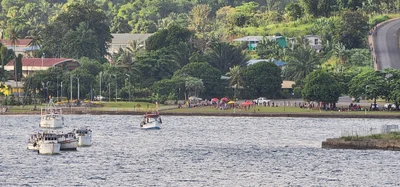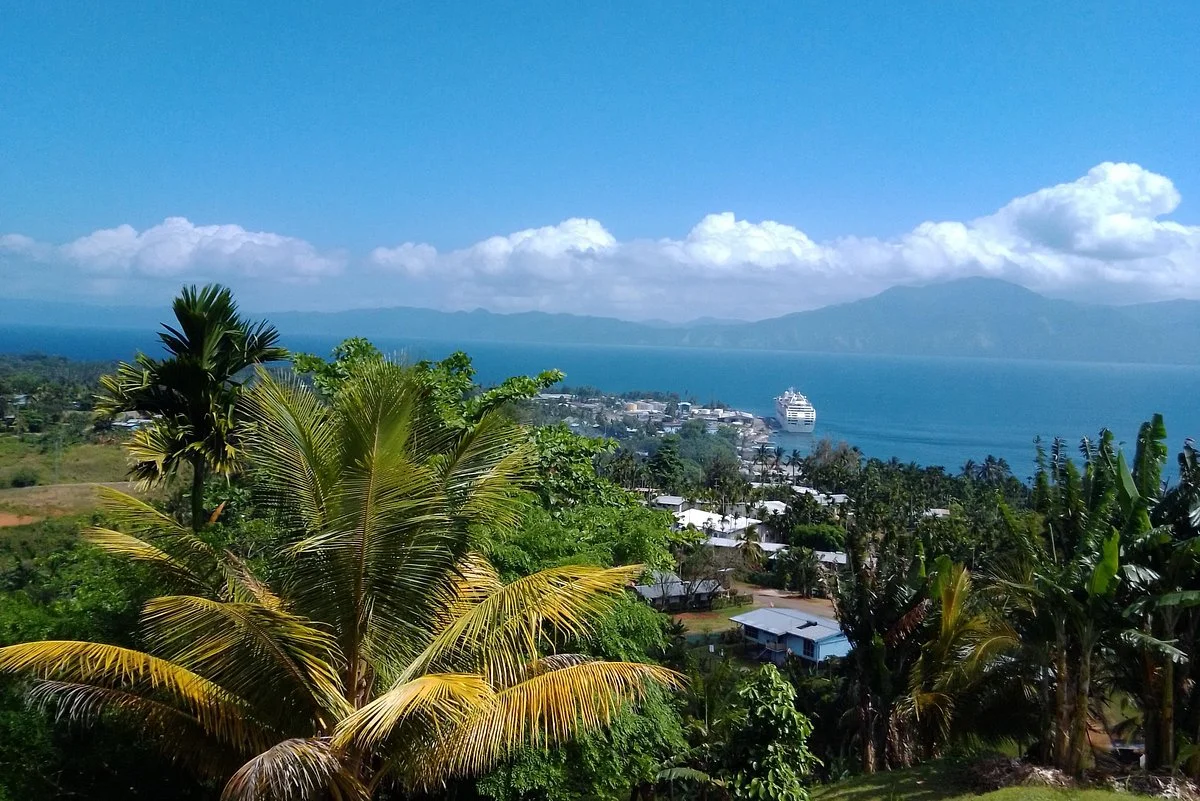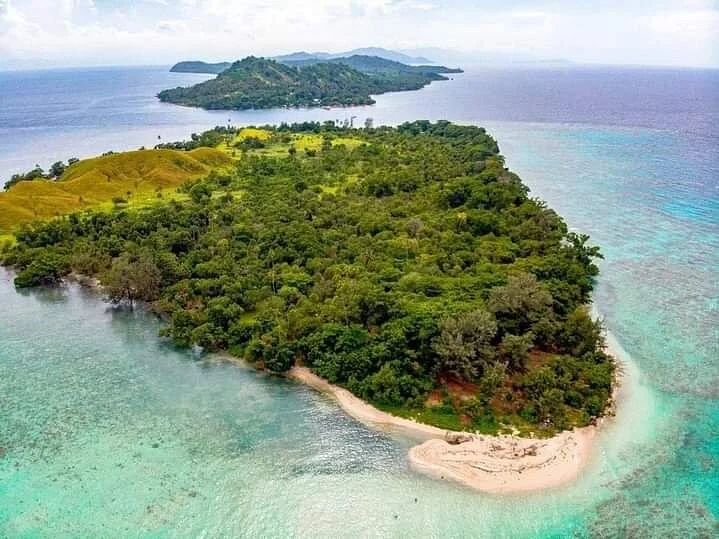
Alotau is the capital of Milne Bay Province, in the south-eastern tip of Papua New Guinea. It is located on the northern shore of Milne Bay and the township is conveniently situated within the Alotau Urban LLG.
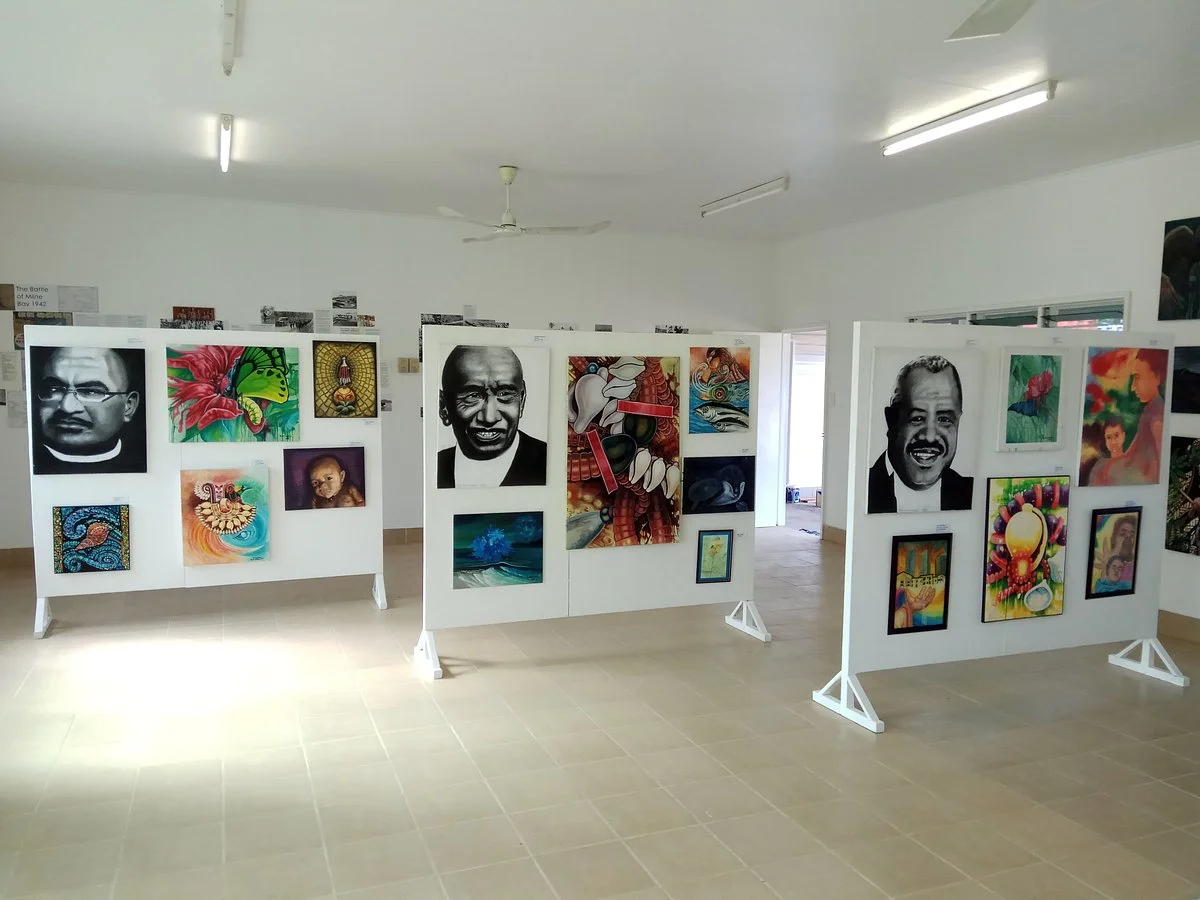
Being the capital of the Province, Alotau Town is renowned for hosting revered cultural events such as the National Kenu and Kundu Festival and Huhu War Canoe Festival, boasting some of the Province's cultural heritage and traditional practices. The vibrant streets of the town come alive with an array of different cultures, with each group celebrating their traditions with displays of dancing, singing, music and craftsmanship. The Kenu and Kundu Festival is a celebration of the traditional dug-out canoes of all varieties & the wooden drums and kundu bands used in ceremonies, while the Huhu War Canoe Festival pays homage to the region’s ancient warrior culture. During both festivals, locals dress in unique ceremonial costumes and showcase their skills on their respective instruments. Visitors to Alotau Town can experience a unique blend of cultural practices and witness age-old customs that have been passed down through generations.
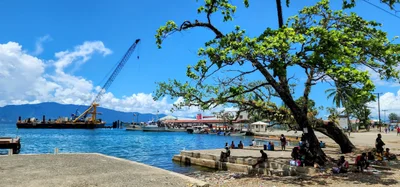
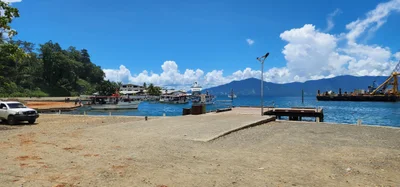
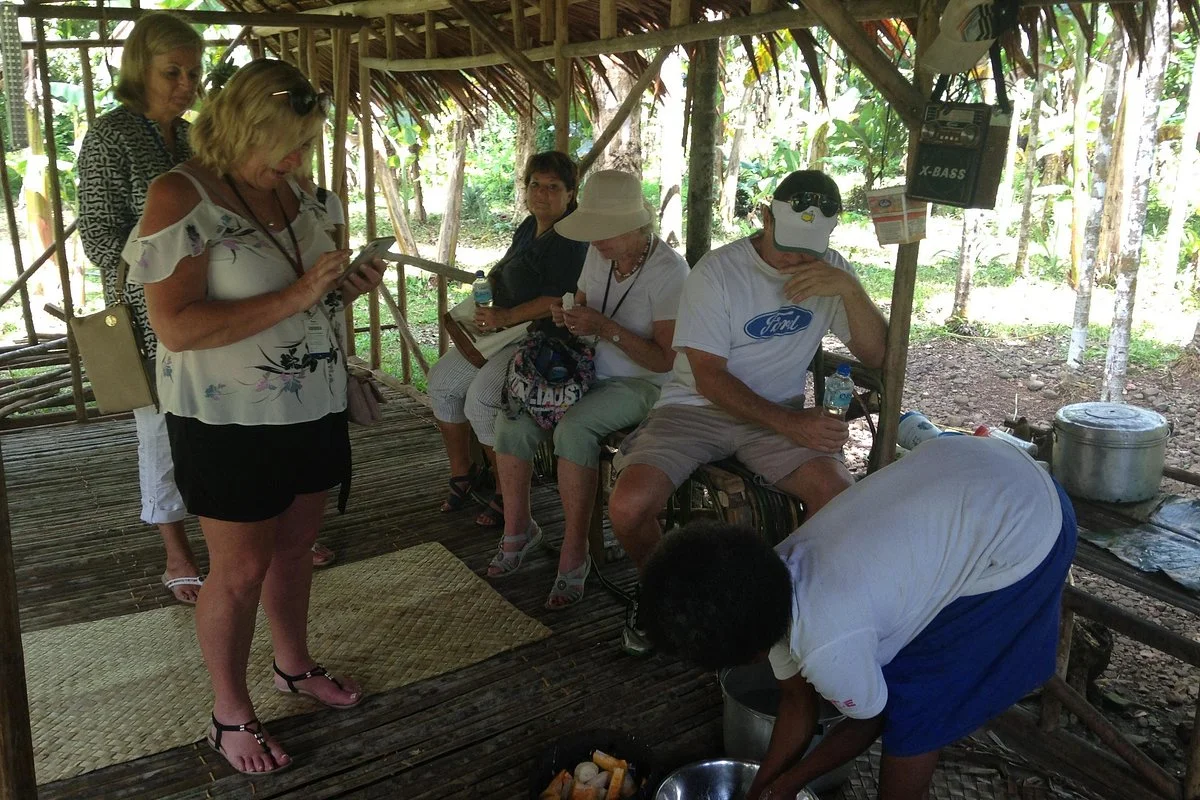
The Province's Main Sea Port (Wharf) facility run by PNG Ports Corporation Ltd, is conveniently located within the township and allows for smooth Tourist transits accommodating the likes of P&O and other major tourist vessels that run scheduled visits through the Province. This much welcomed visits usually affords many of the township's local SME's, Operators and Crafts-folk to capitalise on
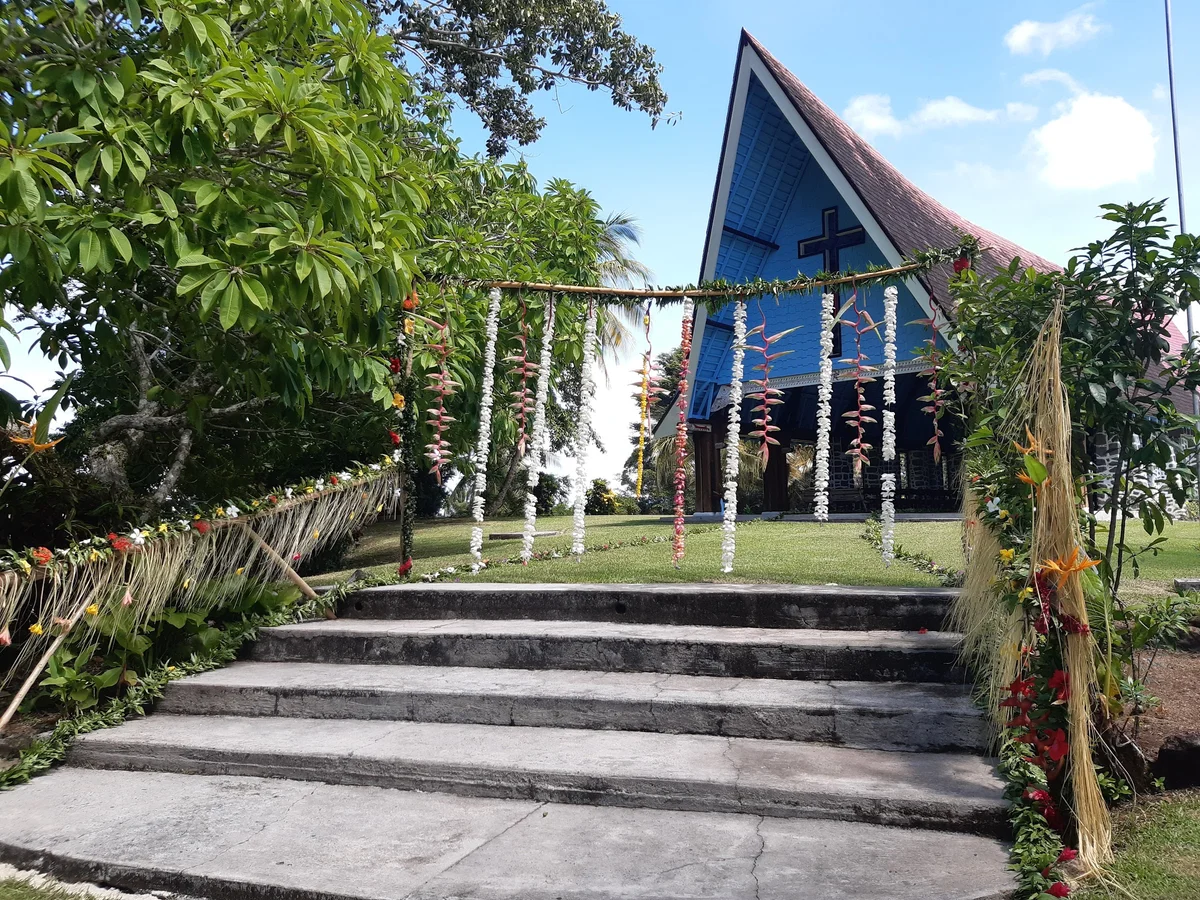
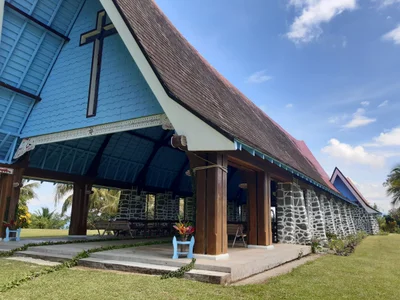
Its Cathedral of the Sacred Heart of Jesus is the episcopal see of the Roman Catholic Diocese of Alotau–Sideia.
The town is located within the area in which the invading Japanese army suffered their first land defeat in the Pacific War in 1942, before the Kokoda Track battle. A memorial park at the old battle site commemorates the event. Alotau became the provincial capital in 1969, when it was shifted from Samarai.
Well, chew to be precise. The people of Alotau and Milne Bay province are major consumers of the betel nut, chewed in a mixture with lime. When expectorated, it leaves red marks all over the ground. Long-term consumption is said to cause mouth cancer, but the occasional chew will cause you no problem and may give you a slight high.
There is good fresh food most of the week, except Saturday afternoon and Sunday at the Alotau market in town toward the water. Great bananas, sweet potatoes, yams, greens, green beans and all sorts of seafood, including crabs.
Grocery stores often have in-store fast food and there is a really good value restaurant in town as well, something like the Kai House.
!--
!--
= Alotau's airport is called Gurney, named after a World War II fighter pilot.
Far from the violence of PNG's capital, Port Moresby, it is no surprise that this laid-back little town to the east of PNG has resisted construction of a highway from the nation's capital. A relaxed and easy-going place on the edge of Milne Bay, Alotau is also a gateway to some of the most fascinating and unspoilt islands in the world.