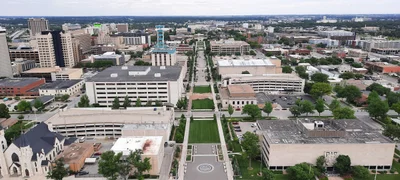
Lincoln is the capital city of the U.S. state of Nebraska and the county seat of Lancaster County. The city covers 100.4 square miles (260.035 km2) with a population of 292,657 in 2021. It is the state's 2nd most populous city and the 73rd-largest in the United States. Lincoln is the economic and cultural anchor of a substantially larger metropolitan area in southeastern Nebraska, the Lincoln Metropolitan and Lincoln-Beatrice Combined Statistical Areas. The statistical area is home to 361,921 people, making it the 104th-largest combined statistical area in the United States.
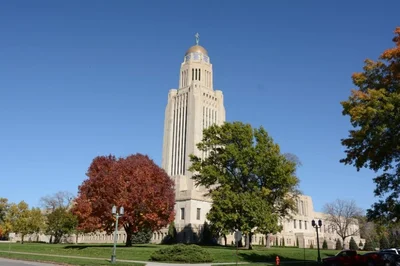
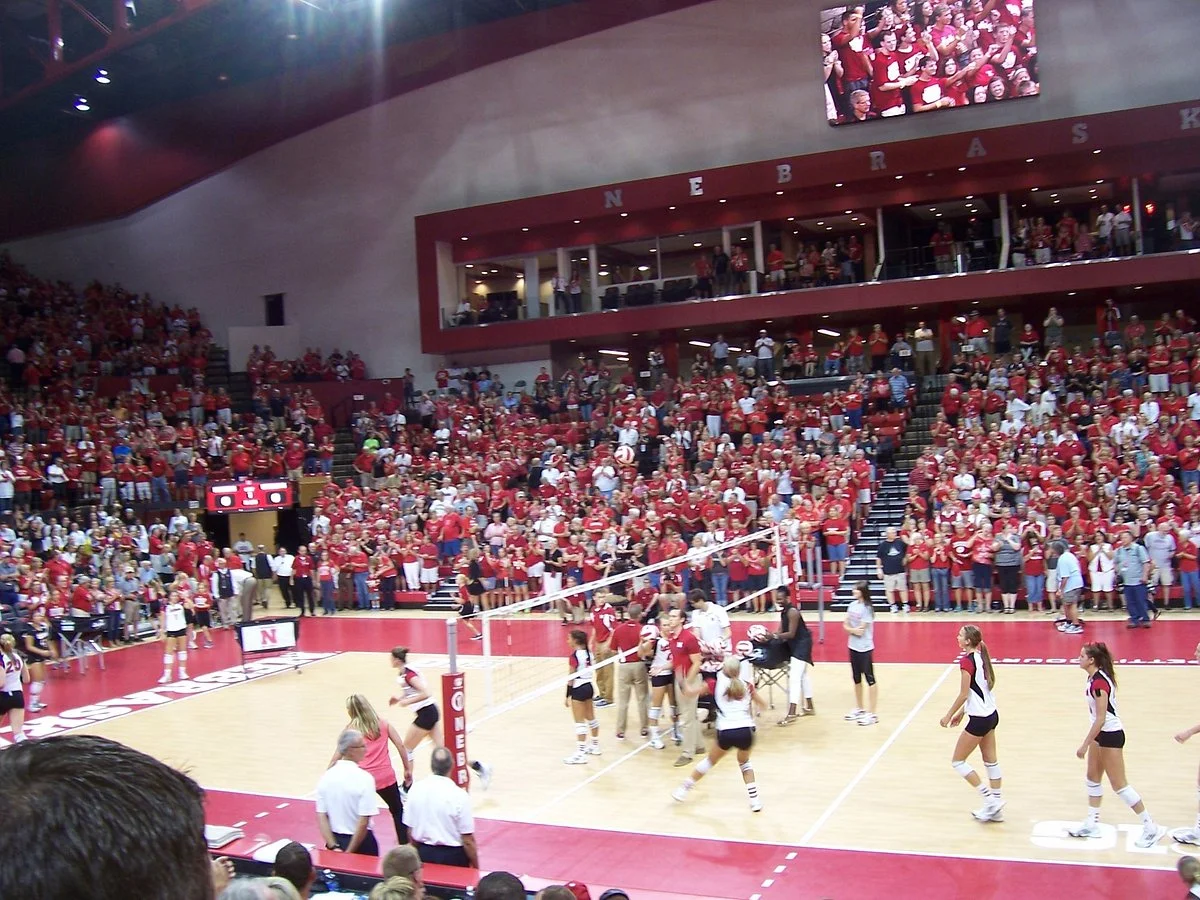
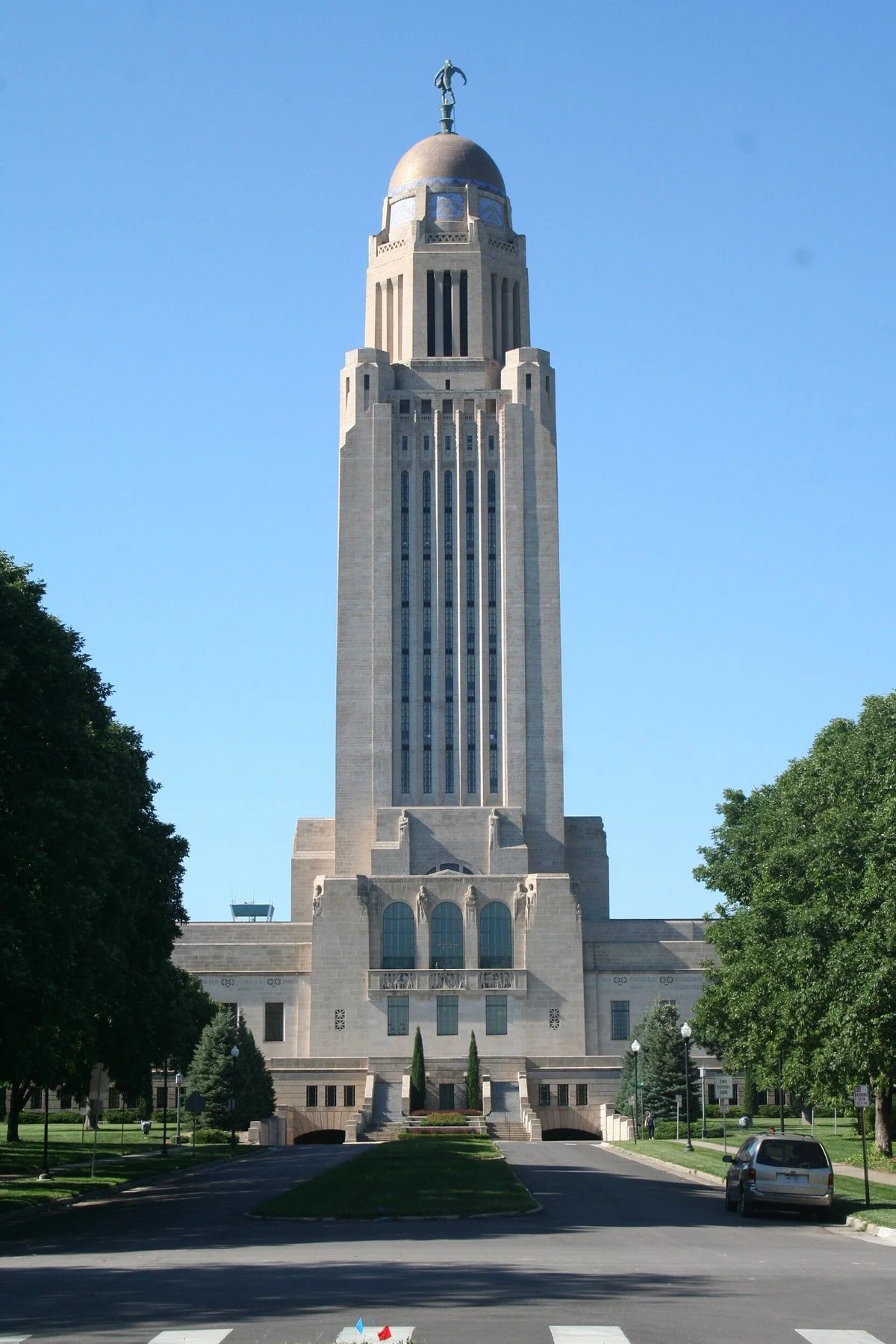
Lincoln was founded in 1856 as the village of Lancaster on the wild salt marshes and arroyos of what became Lancaster County. Renamed after President Abraham Lincoln, it became Nebraska's state capital in 1869. The Bertram G. Goodhue–designed state capitol building was completed in 1932, and is the nation's second-tallest capitol. As the city is the seat of government for the state of Nebraska, the state and the U.S. government are major employers. The University of Nebraska was founded in Lincoln in 1869. The university is Nebraska's largest, with 26,079 students enrolled, and the city's third-largest employer. Other primary employers fall into the service and manufacturing industries, including a growing high-tech sector. The region makes up a part of what is known as the greater Midwest Silicon Prairie.
Designated as a "refugee-friendly" city by the U.S. Department of State in the 1970s, the city was the 12th-largest resettlement site per capita in the country by 2000. Refugee Vietnamese, Karen (Burmese ethnic minority), Sudanese and Yazidi (Iraqi ethnic minority) people, as well as refugees from Iraq, the Middle East and Afghanistan, have resettled in the city. During the 2018–19 school year, Lincoln Public Schools provided support for about 3,000 students from 150 countries, who spoke 125 different languages.
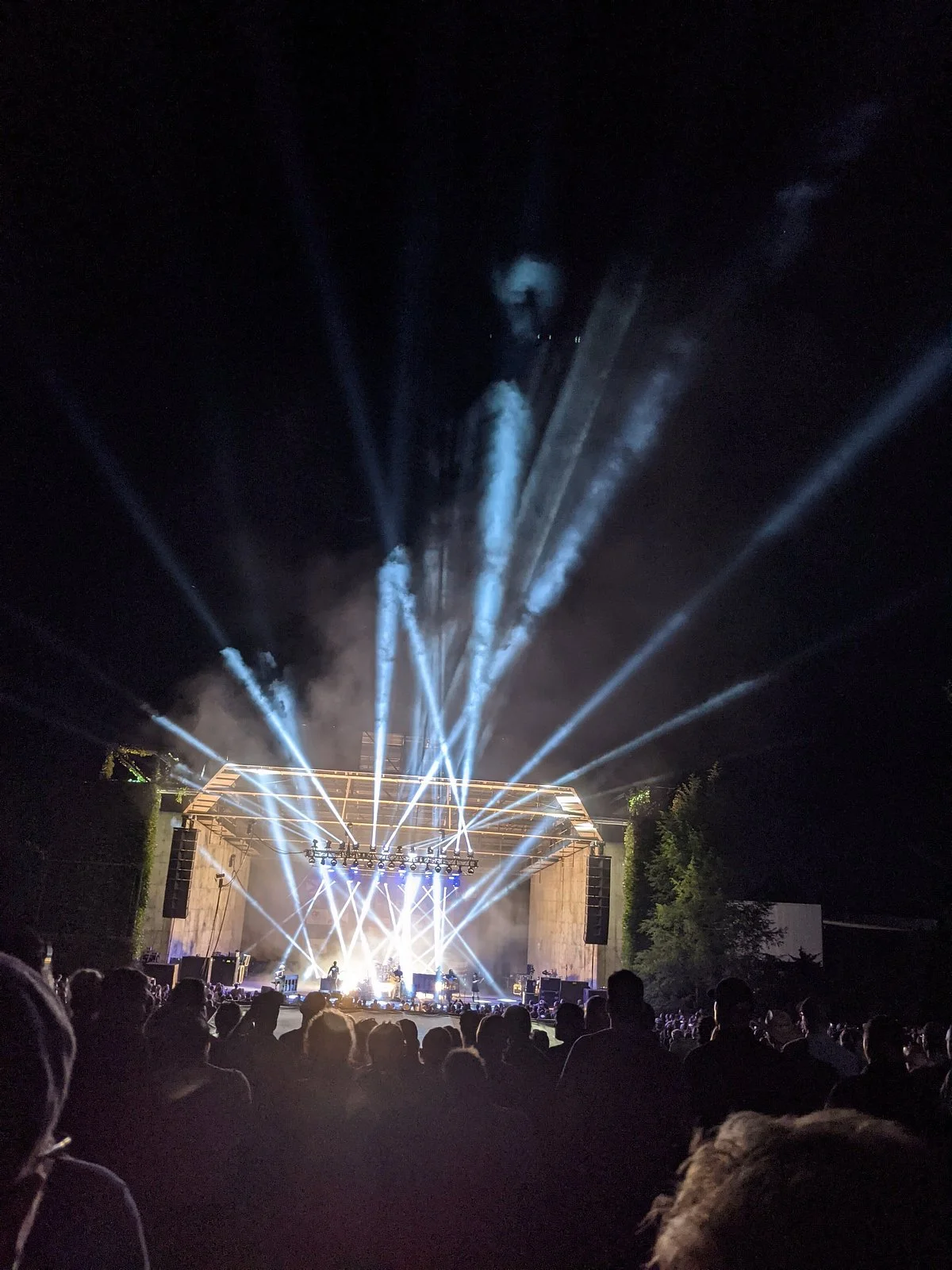
= Lied Center for Performing Arts (pronounced "Leed"), The Haymarket Theatre, or the UNL schools of Music, Theatre, and Film have performances year-round. During the summer, see the Flatwater Shakespeare Company at Wyuka cemetery, musicals at the Pinewood Bowl, classical performances at the Meadowlark Music Festival, or professional theater at Nebraska Repertory Theatre.
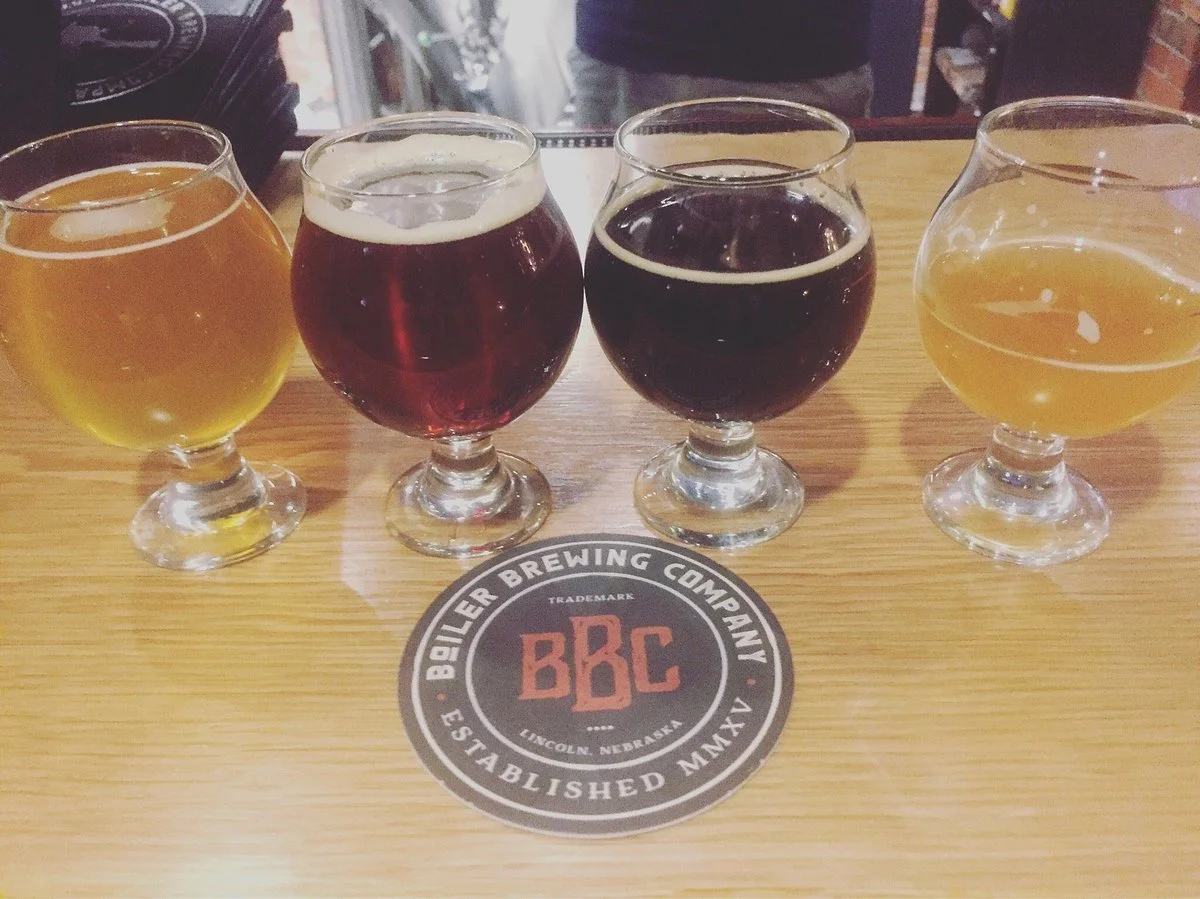
Largely due to the university, there is much night life to be found (bars now can close at 2AM). O Street is just a few blocks away from popular student housing and is also one of the longest main streets in the U.S. with a portion covered by local drinking establishments, most in the downtown areas between 12th and 16th Sts. The local music scene is also expansive with live bands playing at many bars in the downtown area.
Lincoln offers a wide variety of shopping experiences.
Getting around Lincoln is a mixed-bag proposition. If you are planning on staying near the center of town, you probably won't need a rental. All major necessities except groceries are available in or near downtown.
Lincoln was founded in 1859 as the village of Lancaster. Renamed and made Nebraska's state capital in 1867, it's the second-largest city in the state. It's the state's center of government and higher education and is a regional transportation center. Even with a population of 290,000 (2019), it retains a friendly, "small town" feel.
There are several threads running through Lincoln's cultural composition. The university and state government have attracted many rural Nebraskans to the city over the years, reinforcing its small town feel. Its position as a college town also helps shape the city's political culture, which is somewhat more liberal than most of the rest of the state. Once a very ethnically homogeneous city, it has become more diverse since the 1980s, welcoming immigrants and refugees from various parts of the globe.
There is a long-standing friendly rivalry with Omaha, 57 mi (92 km) to the northeast.
Indoor work sites are smoke-free in Lincoln, so you'll be able to enjoy smoke-free restaurants and bars.