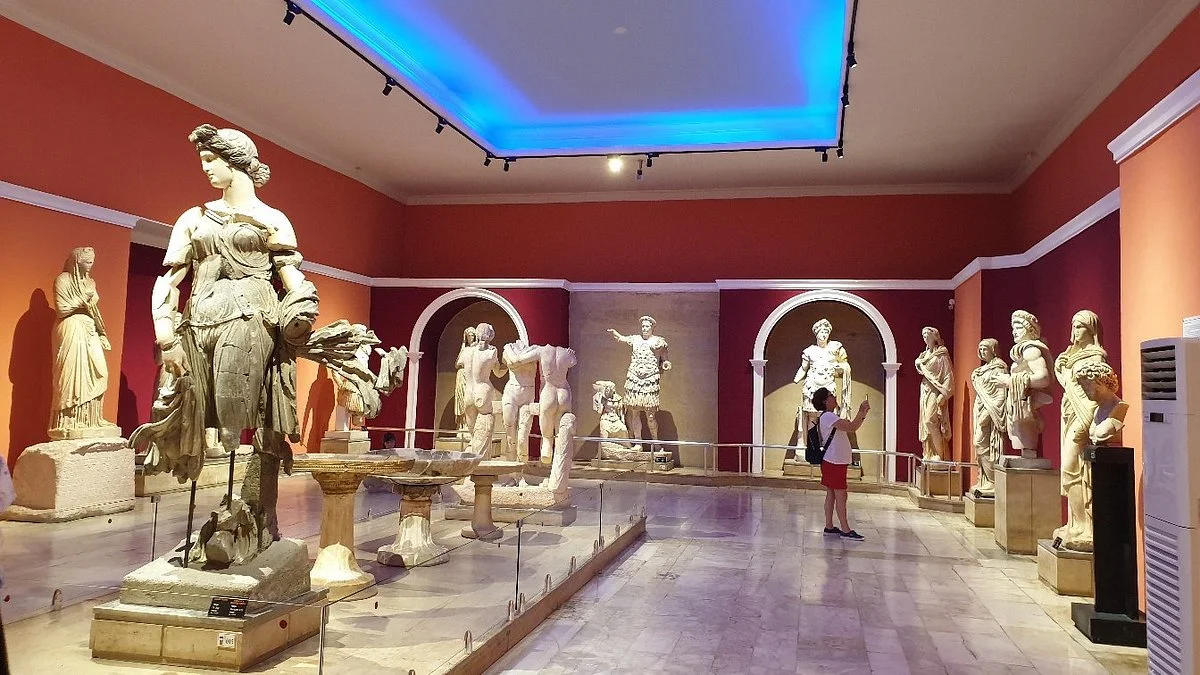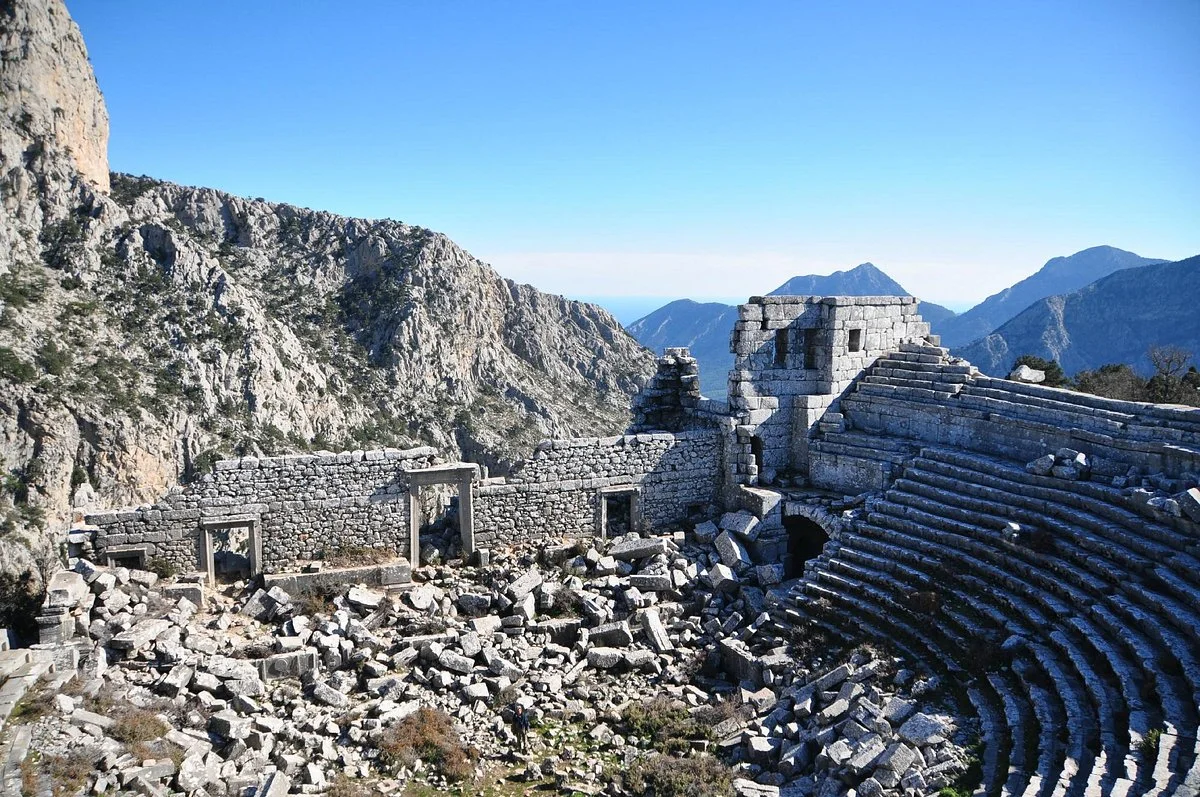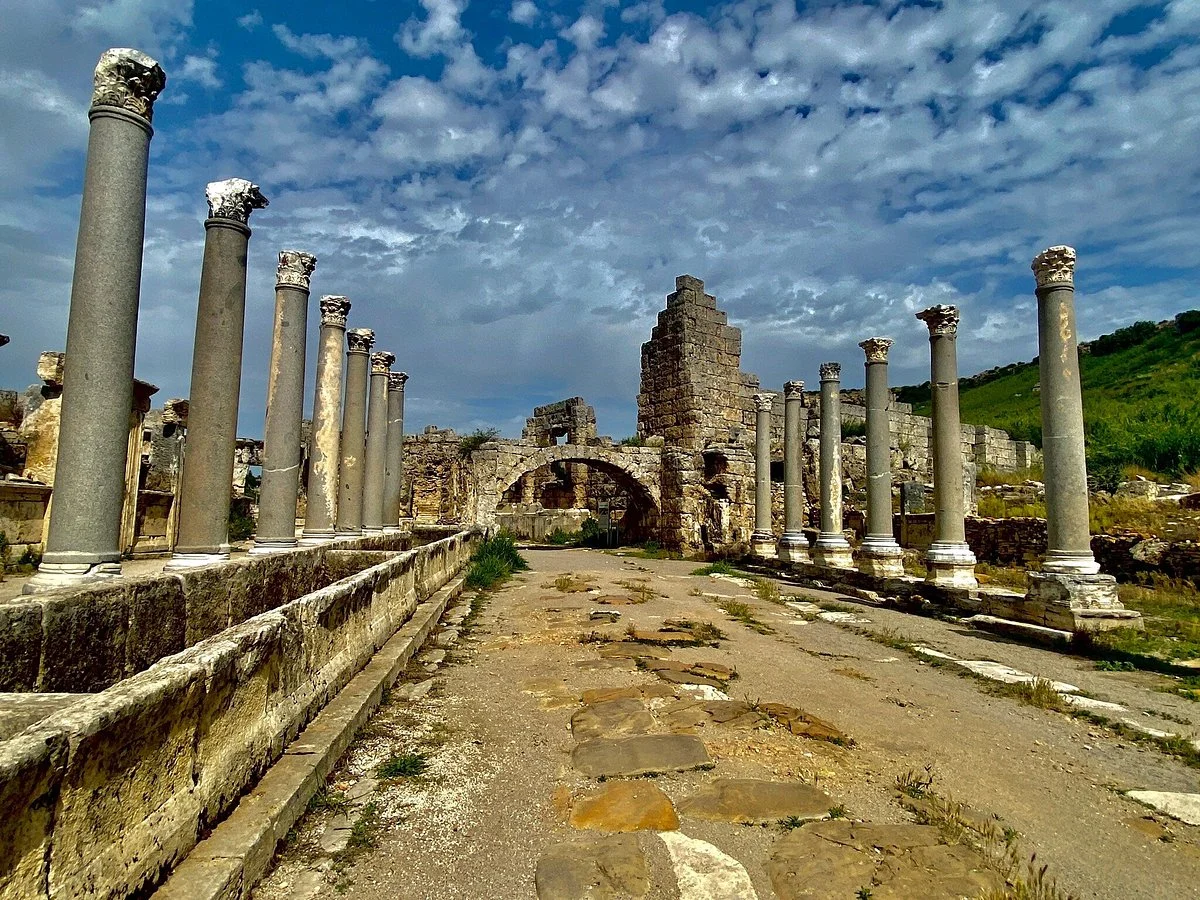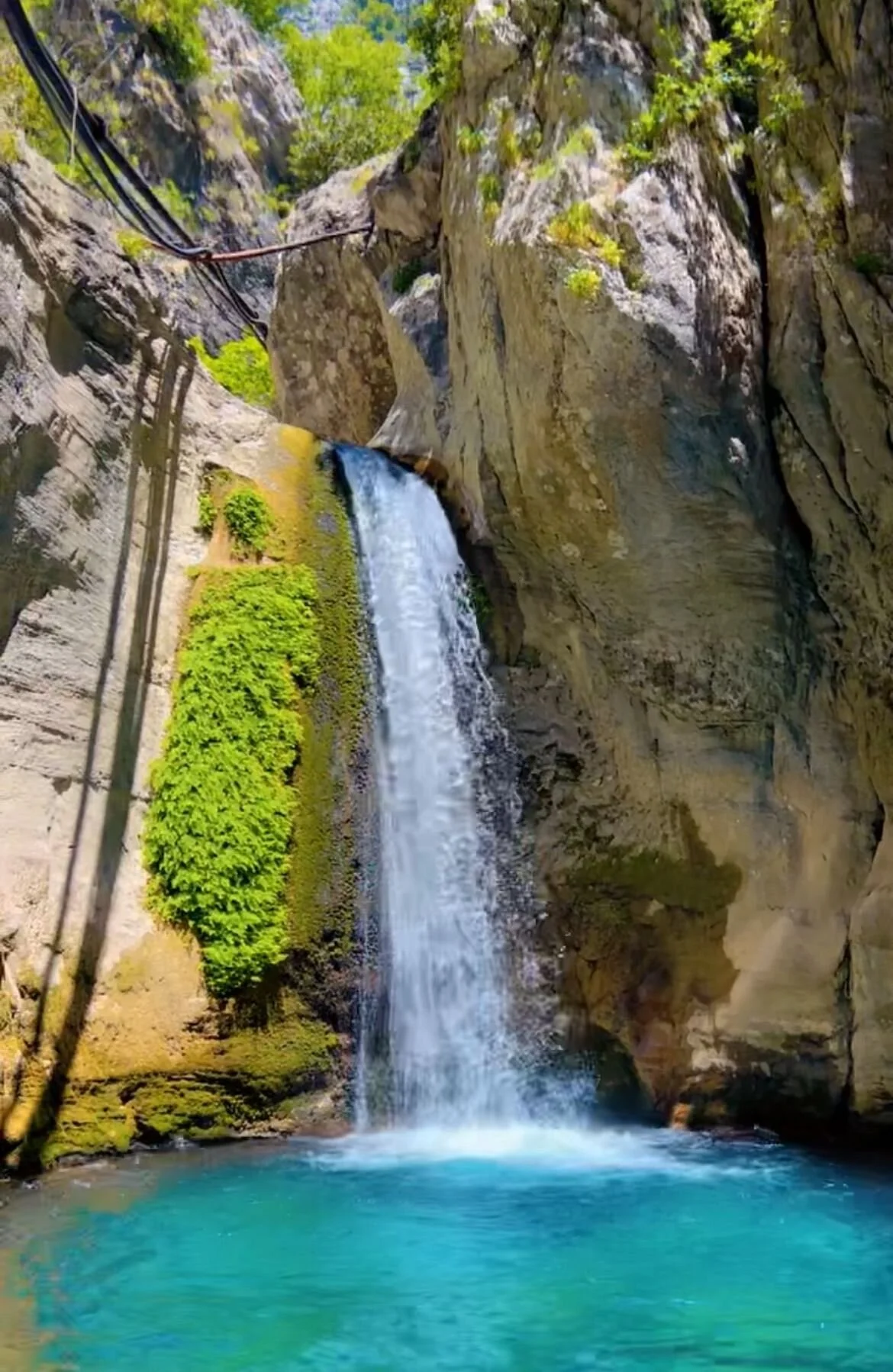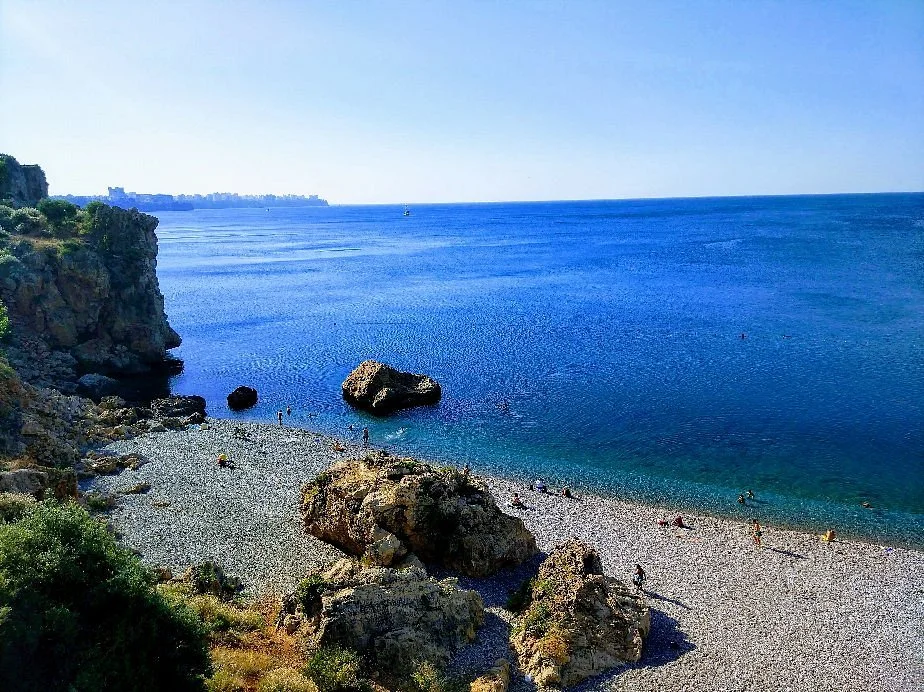
Antalya (Turkish pronunciation: [anˈtalja] ) is the fifth-most populous city in Turkey and the capital of Antalya Province. Recognized as the "capital of tourism" in Turkey and a pivotal part of the Turkish Riviera, Antalya sits on Anatolia's southwest coast, flanked by the Taurus Mountains. With over 2.6 million people in its metropolitan area, it is the largest city in Turkey's Mediterranean Region, situated along the Mediterranean Sea.The city that is now Antalya was first settled around 200 BC by the Attalid dynasty of Pergamon, which was soon conquered by the Romans. Roman rule saw Antalya thrive, including the construction of several new monuments, such as Hadrian's Gate, and the flourishing of nearby ancient cities such as Patara, Xanthos and Myra in the Lycia region; Perga, Aspendos and Side in Pamphylia; and Sagalassos, Antioch and Termessos in Pisidia. These cities were already significant centers before Roman influence. Antalya has changed hands several times, including to the Seljuk Empire in 1207 and an expanding Ottoman Empire in 1391. Ottoman rule brought relative peace and stability for the next five hundred years. The city was occupied by Italy for three years in the aftermath of World War I, but was recaptured by a newly independent Turkey in the Turkish War of Independence.
While the city itself only has modest elevation changes, Antalya has high mountains in all directions to its interior. With moisture being trapped, the local climate thus has high winter rainfall, while the interior bay setting result in very hot summers for a coastal city.
The city is Turkey's biggest international sea resort on the Turkish Riviera. Large-scale development and governmental funding has made it a prime destination for tourists. Antalya is currently the fourth-most visited city in the world, trailing behind only Istanbul, London, and Dubai, attracting more than 16.5 million foreign visitors in 2023.
Lots in town centre. Names like Sheffield Pub, Edinburgh Social House and Dubh Linn tell you which demographic they're aiming for.
Konyaalti beach strip west has The James Joyce and The Barrels.
Lara town centre has Lucky Sports Bar and Patrick Irish Pub, but on the beach strip further east it's just the hotel bars.
Doluca Vineyard is next to the airport entrance.
: Useful to know: AVM means shopping centre, alışveriş merkezi, and pazarı means bazaar or market.
Antalyakart is the plastic transport card you need for the tram or public bus. Buy it or reload it at kiosks along the tramway, at the airport and at the bus terminal; you probably need banknotes for this. The upfront cost is 35 TL in 2023, and single rides thereafter are 15 TL. A transfer within one hour of boarding is 5.50 TL.
You can also buy disposable paper cards for 6 TL, and pay 17 TL per ride. These don't allow transfers, nor can they be re-loaded, but you can load a suitable amount on purchase.
Or use contactless payment at the card-reader or turnstile: no upfront charge, pay 18 TL per ride, no transfers.
Discount cards are only available for citizens with Turkish ID, who pay a little more upfront but get cheaper rides.
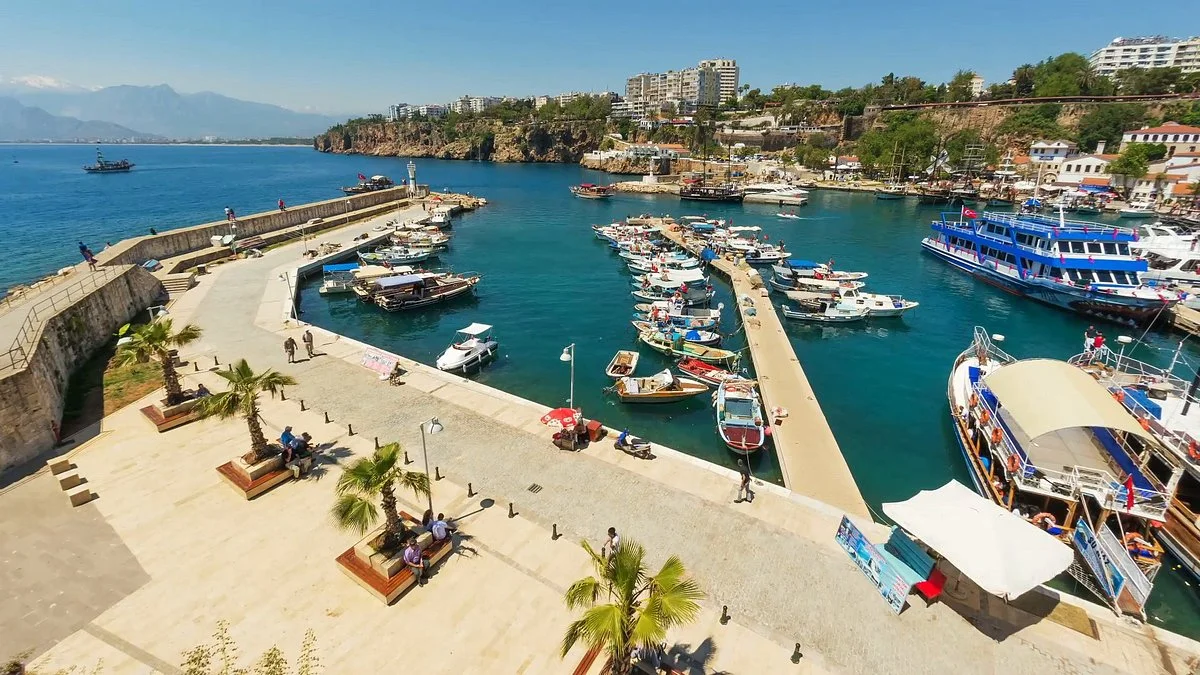
The city was named for its first documented ruler Attalos II (220-138 BC), king of Pergamon, though it was obviously settled much earlier. Attalos' life and wife resembles soap opera, and his epiphet Philadelphos - "brother-loving" - hints at insecurity over how his relationship with back-from-the-dead brother and co-ruler Eumenes II might be portrayed. He based his fleet here - there were few alternatives along this exposed coast, and Attaleia (Ἀττάλεια) grew up around what's now called the Roman harbour. It never grew large as it lacked a hinterland - it's hemmed in by mountains with difficult routes to get inland, although a fertile coastal plain extends up to the east. Early visitors included St Paul the Apostle (Acts 14: 25-26) and Ibn Battuta, who in 1331 AD recorded how Christians, Greeks, Jews, and royal court each inhabited their own walled enclave, while the Muslims lived in the main body of town all within an enclosing wall.
This relative isolation meant little fighting here, but Antalya was the prize to be handed over after conquests elsewhere: to the Seljuks in 1207 and the Ottomans in 1391. After Turkey's defeat in World War I, the harsh 1920 Treaty of Sèvres handed over tracts of the country to the Allies, and Italy gained Antalya. This was reversed, and Turkey gained its present borders, by the 1923 Treaty of Lausanne.
Access was improved by road building in the 20th century, but the game-changer was in the 1970s when commercial airliners could jet tourists non-stop from northern Europe, and the political environment boosted tourist infrastructure. The city burgeoned, with development either side of Kaleiçi the old town centre, but especially east along the sandy Lara beach. Effectively this strip extends 150 km until the mountains terminate the coastal plain: it's all called "Antalya area" in tourist literature, but in this guide the easterly towns of Belek, Manavgat, Side and Alanya are described separately.
Climate is of course Mediterranean. Summers are hot, sunny and humid yet rainless. Days average 30-35°C and may surpass 40°C; nights may be muggy and sticky so you want air-con.
Winters are mostly mild, punctuated by storms, downpours and strong winds. April-May and Oct-Nov are optimum conditions for sight-seeing, and the sea remains warm late into Autumn.