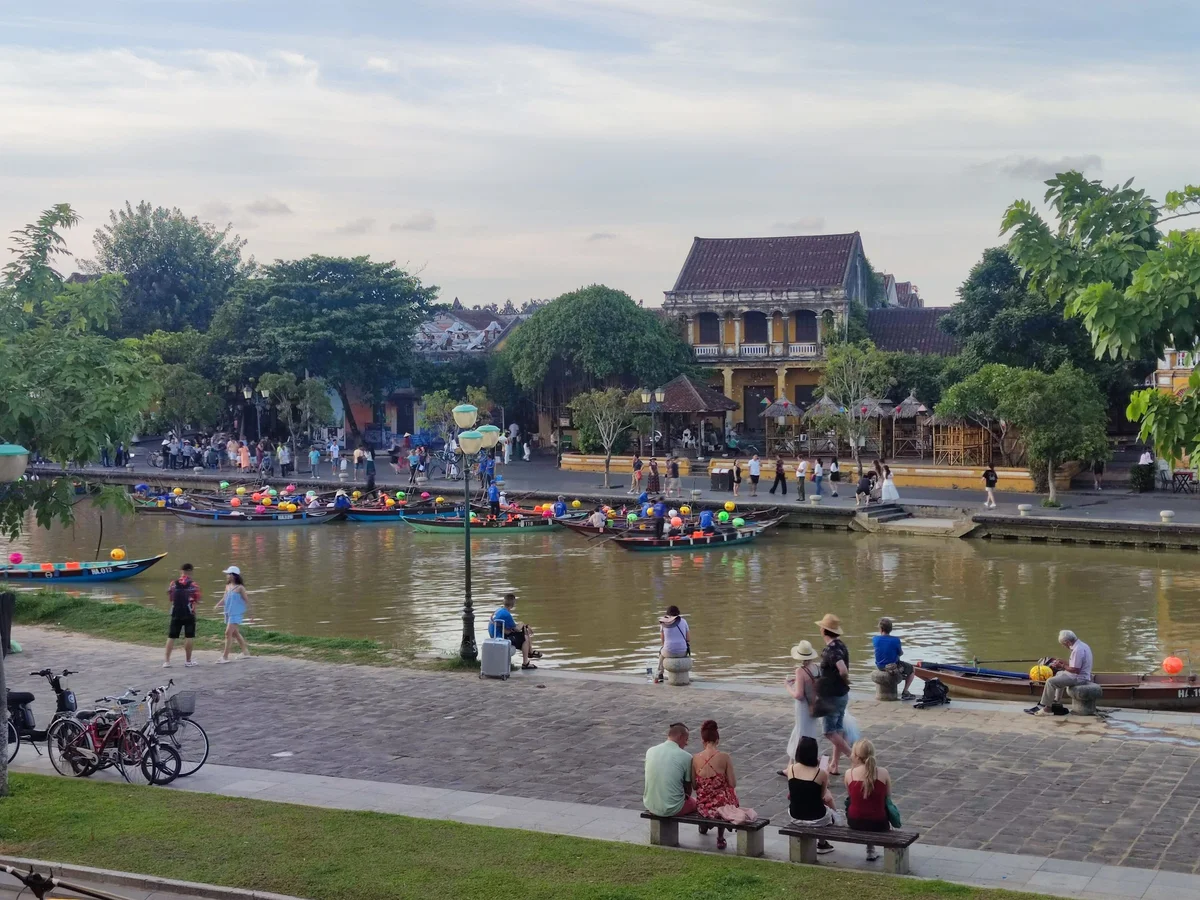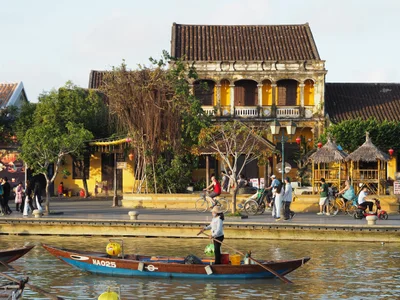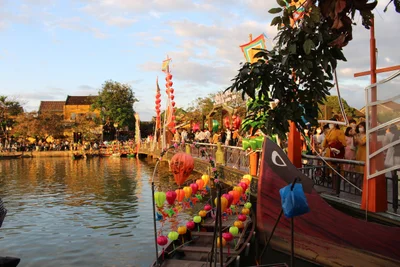
Hội An (Vietnamese: [hôjˀ aːn] ), formerly known in the Western world as Faifoo or Faifo, is a city with a population of approximately 120,000 in Vietnam's Quảng Nam Province, registered as a UNESCO World Heritage Site since 1999. Along with the Cù Lao Cham archipelago, it is part of the Cù Lao Cham-Hội An Biosphere Reserve, designated in 2009.Old Town Hội An, the city's historic district, is recognized as a well-preserved example of a Southeast Asian trading port dating from the 15th to the 19th century, its buildings and street plan reflecting a blend of indigenous and foreign influences.
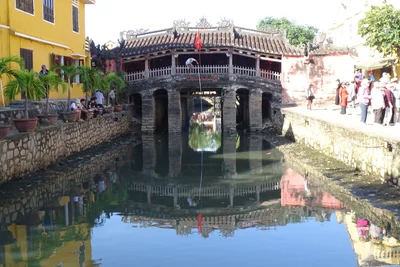
Prominent in the city's old town is its covered "Japanese Bridge", dating to the 16th–17th century.
=
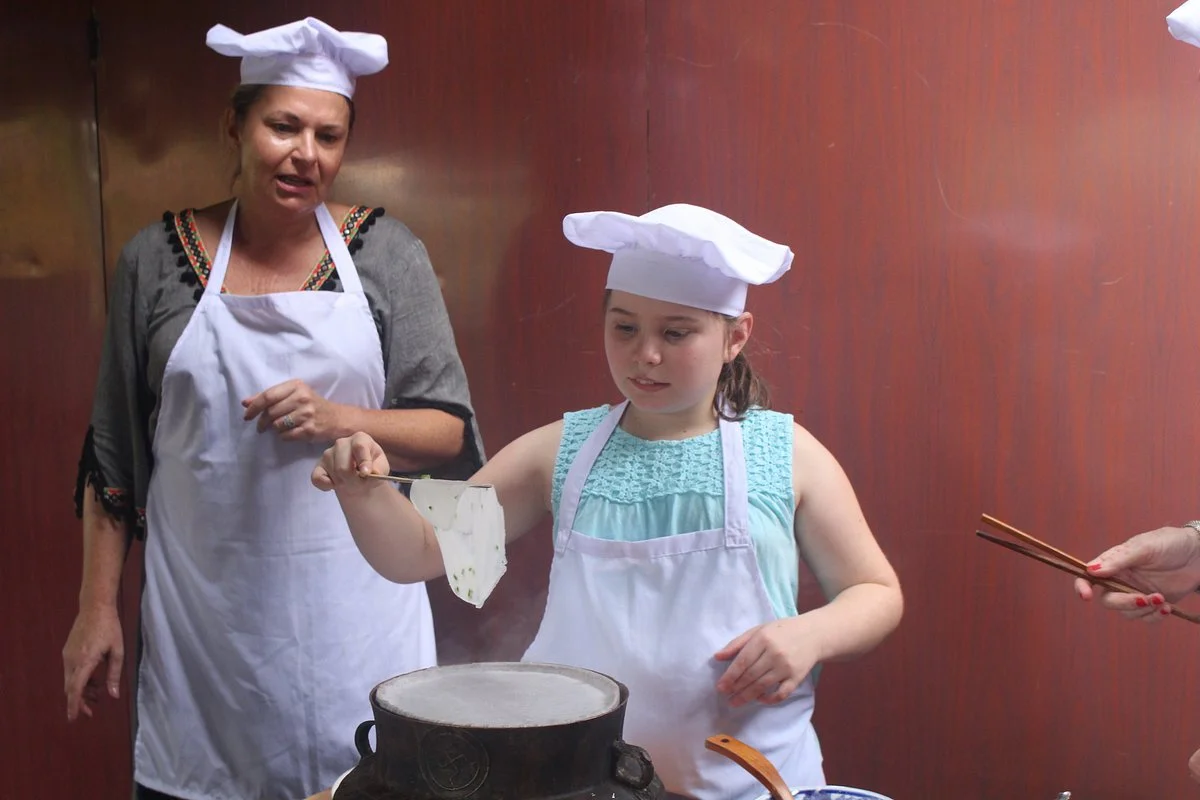
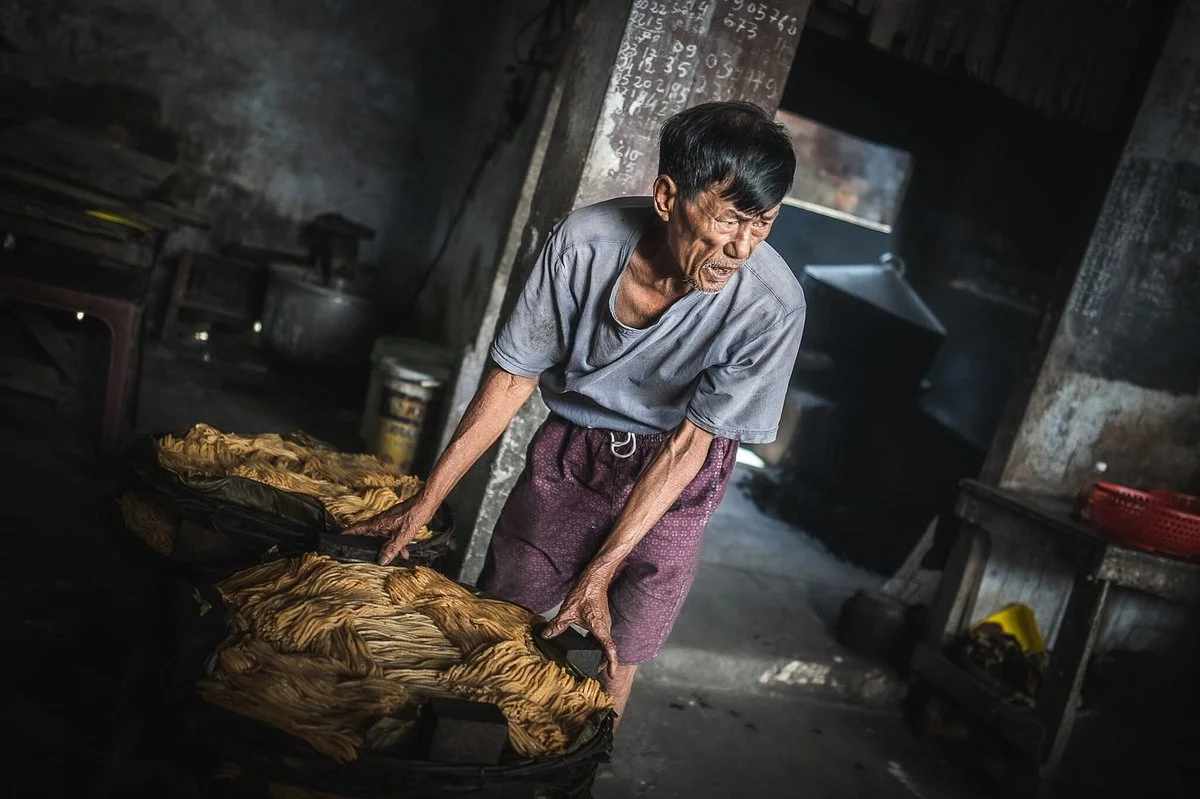
In addition to the usual suspects, there are dishes that Hoi An is particularly famous for:
Walking along the river at night, you will find a lot of pubs. Beer is around 30,000 dong. Cocktails are 20,000-50,000 dong. There are some bar foods available, such as fried prawn crackers for around 15,000 dong a plate. Hoi An is not a real party destination and has a rather limited number of nightlife locations.
Hotels in Hoi An are fiercely competitive, which means plenty of choice and generally high standards. Budget options start at 90,000 dong. Many are clustered around Hai Ba Trung St and "Ba Trieu" (formerly, Nhi Trung St), just north of the Old Town and within easy walking distance, and also along Cua Dai St, off to the east and a bit of a hike away.
Most of Hoi An's high-end hotels are located along the unbroken beach stretching from Da Nang to Hoi An. The closest is Cua Dai Beach, 5 km away.
Hoi An, once known as Faifo, with more than 2,000 years of history, was the principal port of the Cham Kingdom, which controlled the strategic spice trade with Indonesia from the 7th-10th centuries and was a major international port in the 16th and 17th centuries. The foreign influences are discernible to this day.
The culture and heritage is mostly from the Cham people whose kingdom originally stretched from Hue south to Phan Thiet (south of Nha Trang). The Champas were most likely originally from Java. The original Cham political capital was Tra Kieu, the commercial capital was Hoi An and the spiritual capital was My Son (Hindu). The Cham people were Hindu, and by the 10th century the influence of Arab traders to Hoi An resulted in the conversion of some to Islam.
The second major influence was Chinese, first by traders, then by escaping Ming Dynasty armies, who after settling in Hoi An for some years, moved further south and created Saigon as a major trading port.
The third and last major influence of culture and heritage was from the Vietnamese and is fairly recent and only came after the Cham lost control of this area. For a tourist wanting Vietnamese culture and heritage, Hue is a much better destination than Hoi An.
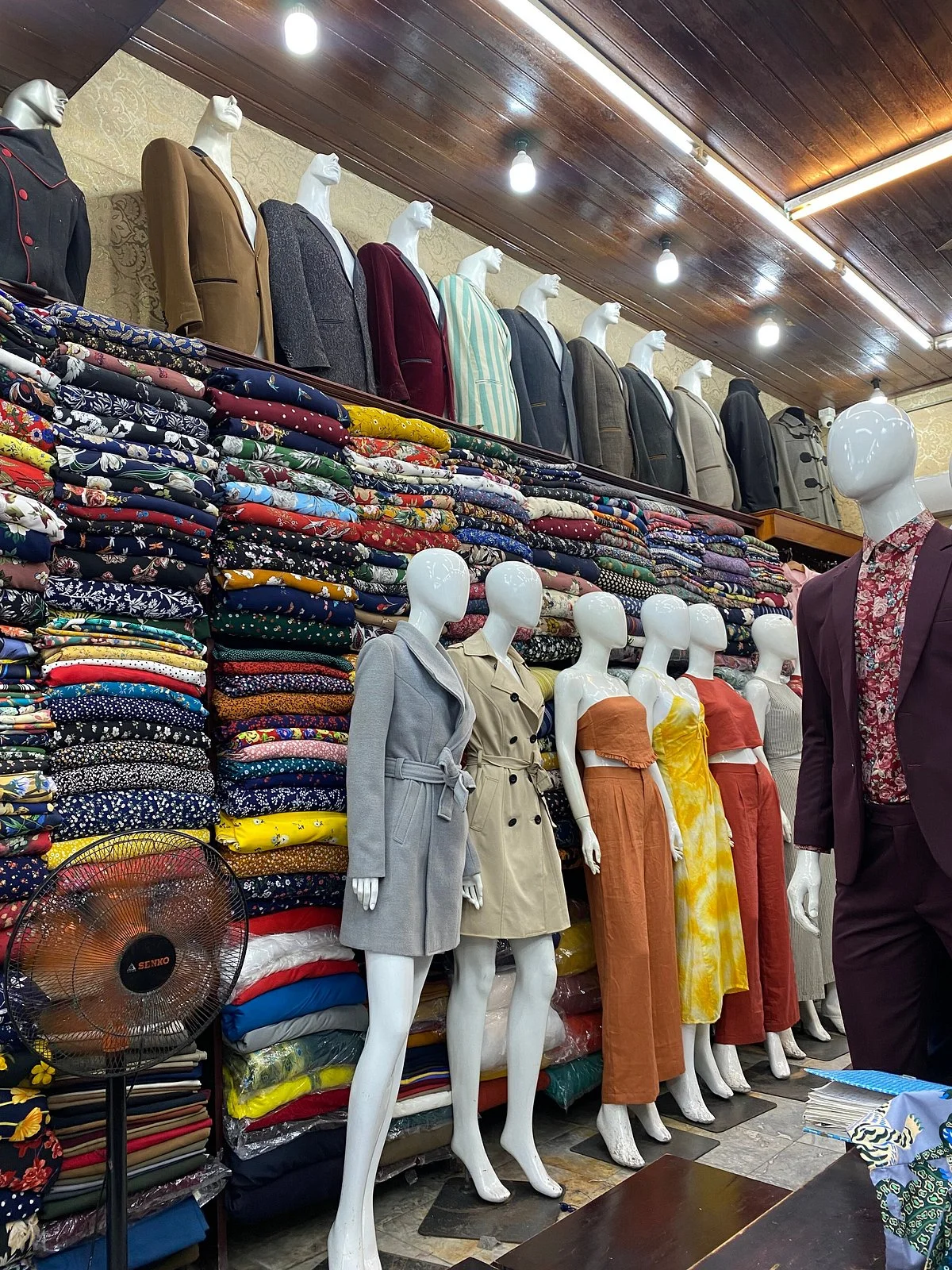
While the serious shipping business has long since moved to Da Nang, the heart of the city is still the Old Town, full of winding lanes and Chinese-styled shophouses, which is particularly atmospheric in the evening as the sun goes down. While almost all shops now cater to the tourist trade, the area has been largely preserved as is, which is unusual in Vietnam, and renovation has proceeded slowly and carefully. It's mercifully absent of towering concrete blocks and karaoke parlours.
Alas, since 1999, when UNESCO status was awarded, there has been a massive increase in mass tourism, with the result that most houses have been sold to speculators and shop owners to be used for commercial purposes. So while the shell of the town remains (and a pretty shell it is), the community that created it is long gone and in their place are shops, restaurants, art galleries, etc. Domestic Vietnamese tourists have also discovered Hoi An, with the result that particularly on holidays and weekend evenings the Old Town gets packed with standing-room-only crowds.