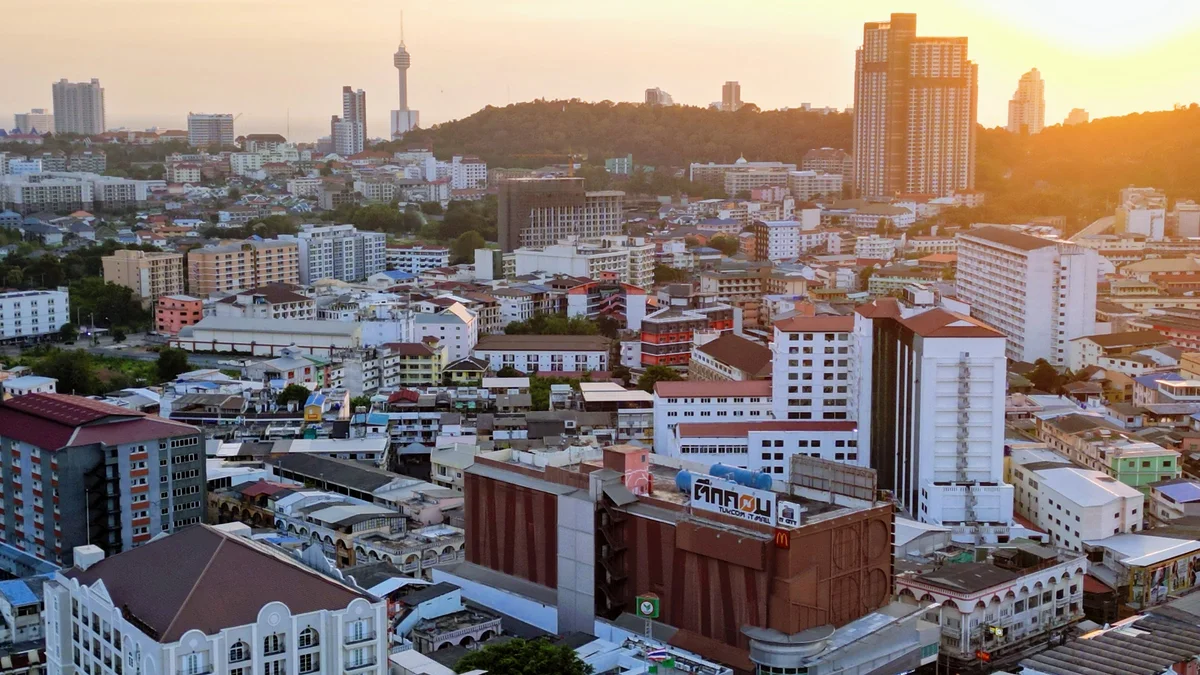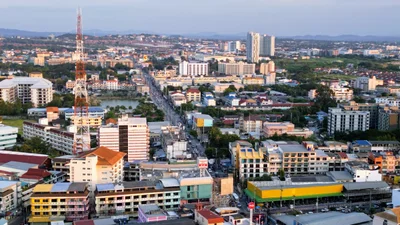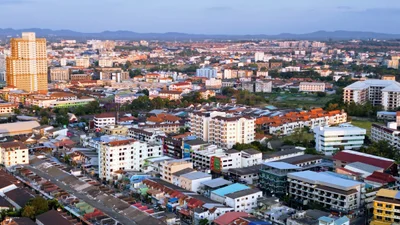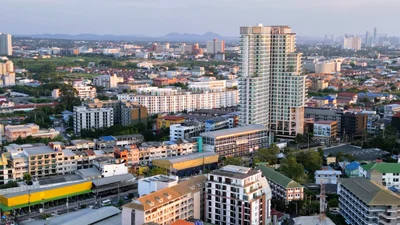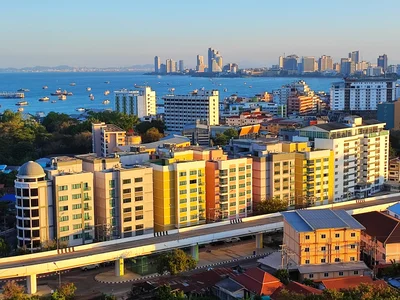
Pattaya (Thai: พัทยา, RTGS: Phatthaya, pronounced [pʰát.tʰā.jāː] ) is a city in Eastern Thailand, the second-largest city in Chonburi province and the eighth-largest city in Thailand. It is on the east coast of the Gulf of Thailand, about 100 kilometres (62 mi) southeast of Bangkok, and has a population of 328,961 as of 2021.Pattaya City (Thai: เมืองพัทยา, RTGS: Mueang Phatthaya, pronounced [mɯ̄a̯ŋ pʰát.tʰā.jāː]) is a self-governing municipal area within, but not part of, Bang Lamung district and has a population of 119,532.
It covers the tambons of Nong Prue and Na Klua and parts of Huai Yai and Nong Pla Lai.
Although the municipal area is not part of Bang Lamung district, Pattaya City has grown into all adjacent sub-districts and accounts for the largest population percentage in the district, making it de facto a part of the "Pattaya-Bang Lamung-Jomtien" area, otherwise known as "Greater Pattaya". The city is in the industrial Eastern Seaboard zone, along with Si Racha, Laem Chabang, and Chonburi. Pattaya is at the center of the Pattaya-Chonburi Metropolitan Area (a conurbation in Chonburi Province with a population of 1,000,000), which forms the third largest metropolitan area in Thailand.
Many attractions marketed as being in Pattaya are actually located in Jomtien, Sattahip and Si Racha.
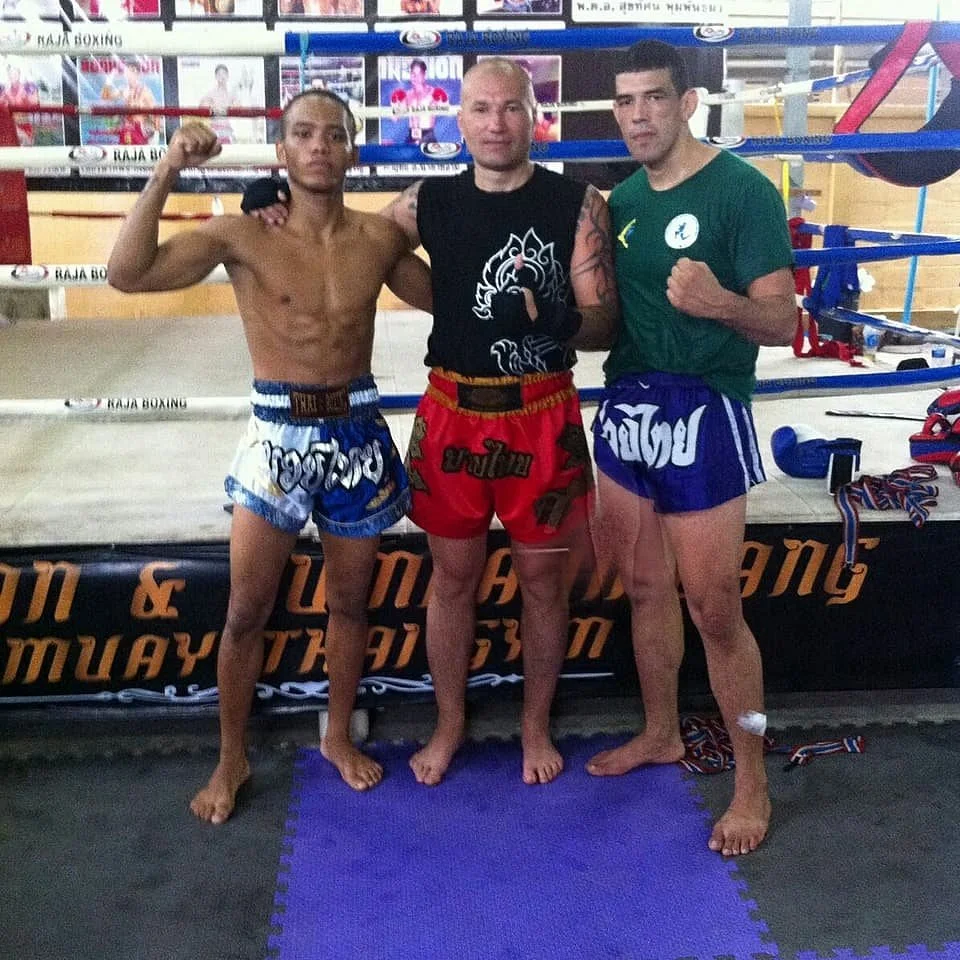
= The 3 km long Pattaya Beach runs alongside the city. The beach is full of life with hotels, restaurants, shopping malls all along the road facing the beach. The street south of Beach Rd, Walking St, comes alive with rock music as the night sets in. People throng the street to experience the night life, which is unique in all respects. There are hundreds of beer bars, go-go bars, discothèques around the area. Muay Thai, or Thai Boxing, in open arenas in some of the beer bars adds to the carnival atmosphere.
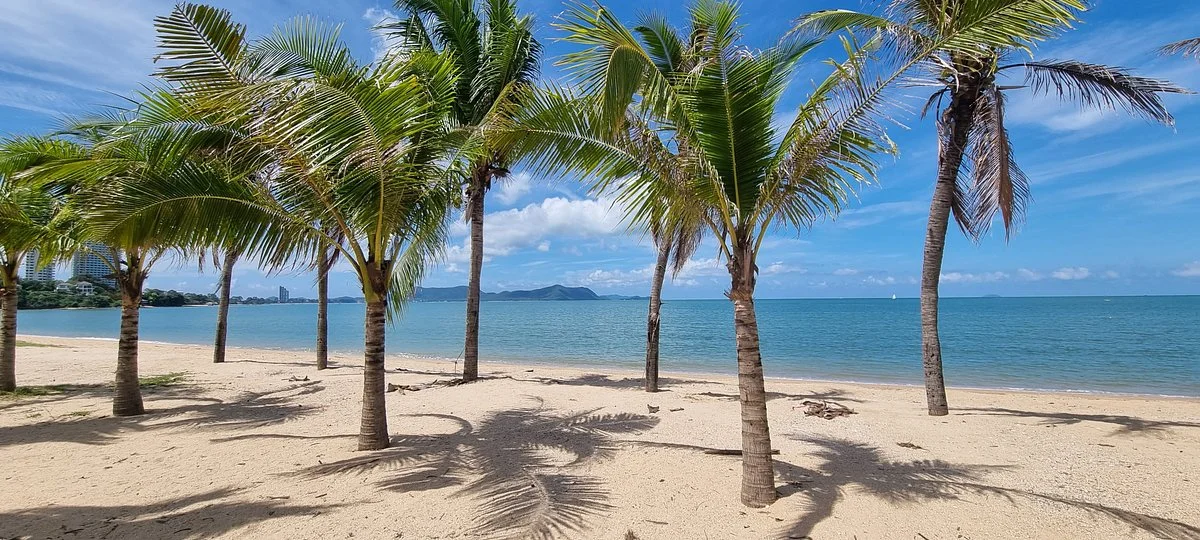
Jomtien Beach, more popular with families, is in the southern part of the urban area, and separated from Pattaya Bay by Buddha hill. Jomtien, a paradise for water sports enthusiasts, is calmer and more serene compared with Pattaya. Jomtien is also popular for its amusement park and tower, to keep children entertained. The 1 km long, Wong Phrachan Beach, at the north end of Pattaya Beach is a favourite among swimmers.
in distance.
There are acres of sand jam-packed with deck chairs (recliners) and umbrellas (usually with an "in-house" supply of drinks), serviced by an army of laid-back but tenacious hawkers offering anything and everything from food (especially seafood, fruit, ice cream) to massage, manicure/pedicure, tattoos, lottery tickets, newspapers, herbs, flowers, gems, perfumes, sunglasses, CDs, watches, lighters, clothes, toys, souvenirs, handicrafts and so on. Eventually you buy a pair of very dark sunglasses and just pretend to be asleep.
Pattaya Beach is almost 3 km long and bordered by Beach Rd. Due to its central location and proximity to several hundred hotels, and because it's a relatively narrow strip of sand, it's crowded at the best of times (and even more so at high tide). Hefty fines for littering help keep the sand neat and tidy, however the sea is not so clean.
The north end of Pattaya Bay is occupied by Wong Amat Beach, which is accessed from Naklua; and beyond the southern end, around the Buddha Hill headland that separates Pattaya Bay from Jomtien, are several more smaller beaches.
Naklua Bay is immediately north of Pattaya Bay, with Rachvate Cape separating the two. Naklua Beach, to the far north, is the main strip, with the smaller Crescent Moon Beach and then Palm Beach further south. Beyond them is Wong Amat Beach which occupies the northern end of Pattaya Bay, but is accessed from Naklua. All are generally cleaner and more suitable for quiet relaxation than Pattaya Beach.
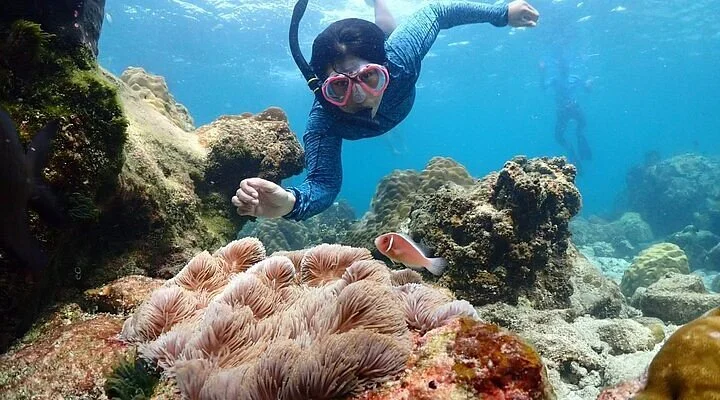
Pattaya's main beaches are popular and busy places for activities. Some of these include banana-boat rides, jet-skiing, water-skiing, para-sailing, windsurfing, and the like; anyone who just wants to enjoy a simple swim or a good splash around with a Frisbee or rented inner tube will always find themselves with plenty of company as well.
There are many restaurants, food carts, food courts, food markets, motorcycle-sidecar hotdog and meatball vendors, fruit sellers both mobile and stationary, even a roaming coffee peddling tuk-tuk. OK, so the germ theory of disease doesn't yet seem to be widely accepted but don't let that stop you from ordering the sushi. Many (although not all) non-Thai-cuisine restaurants also have at least a limited menu of Thai favourites as well.
Chonburi Province has a lot of fresh seafood and dried fruits. As there are a lot of people from the Isaan region living and working in Pattaya, there is an abundance of northeastern favourites such as spicy papaya salad (som tam) and spicy-sour chopped pork salad (larb).
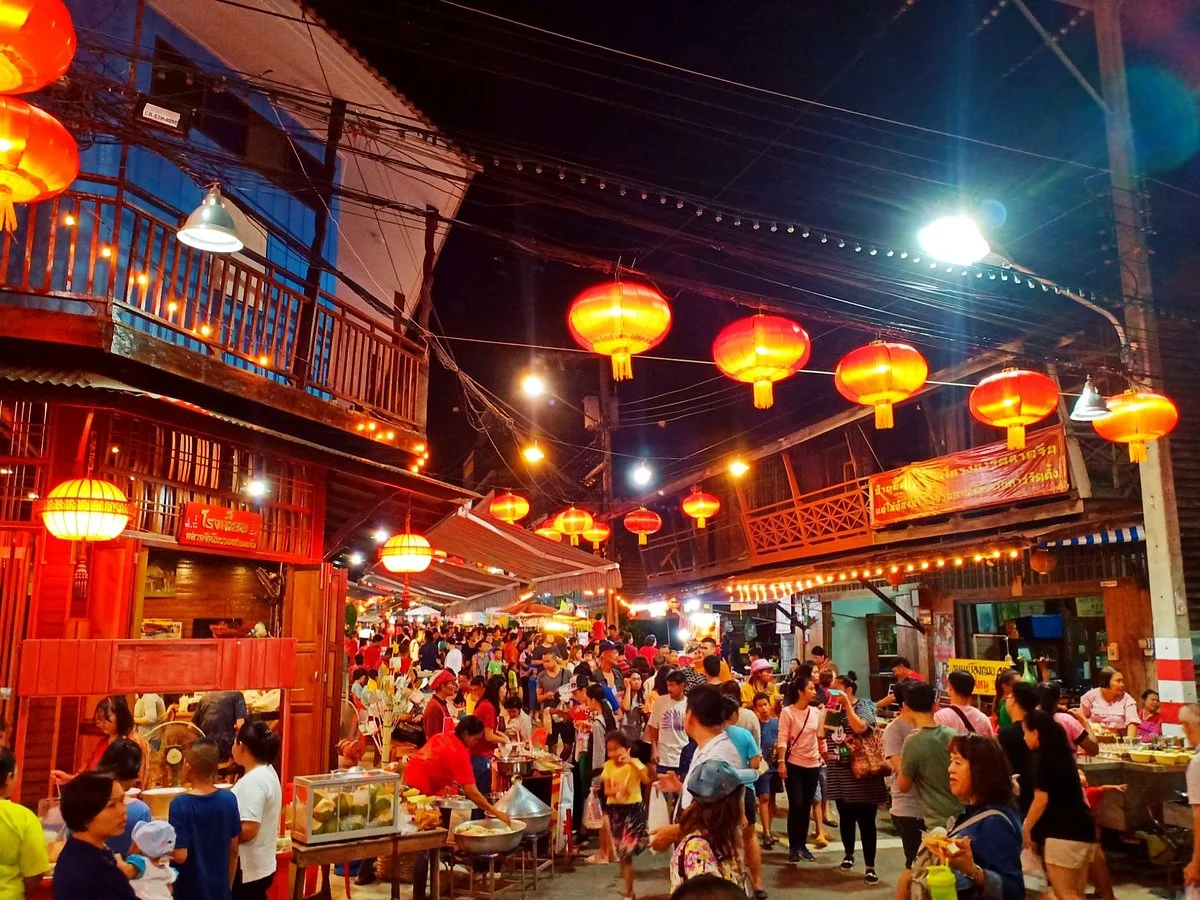
Pattaya is internationally known for its nightlife—you might want to think twice before heading into the insanity that's called Pattaya. Obviously famous as a sex tourist destination, you don't necessarily have to partake in order to experience Pattaya's nightlife. More and more visitors come over just to see what the fuss is about. There are ample opportunities to dance, drink, and observe humanity even if paid sex is not of interest. Steer clear of the staid hotel bars and head into the warrens of central Pattaya, where nightclubs, transvestite cabarets, coffee shops, karaoke bars, open-air bars and restaurants with live music and entertainment compete for attention. Most of these establishments are located along Pattaya Beach Road, Pattaya 2 Road, and in South Pattaya, which is also the city's major shopping area.
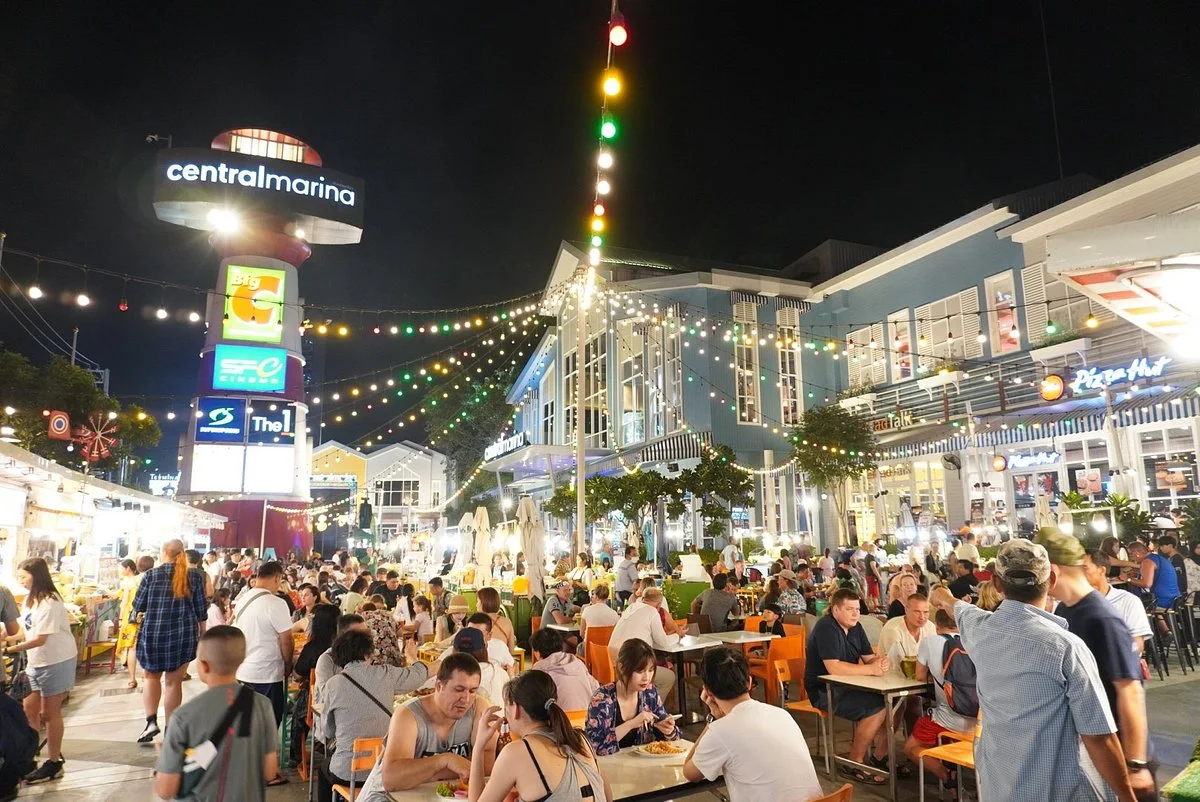
There are numerous malls, supermarkets, bazaar-style markets, and thousands of other shops. Sadly, you'll be seeing a lot of the same stuff over and over again — there's no endless variety in Pattaya. Also, Pattaya is not a good place to go shopping for hi-tech products, such as cameras and computers—expect to see prices around 50% higher than the best prices advertised in the West. Also beware of buying fake branded and designer goods, since these could be confiscated by customs officers at the airport.
Foreign currency can easily be exchanged for Thai baht at the many exchange booths which can be found in all areas popular with tourists — there are even mobile exchanges/ATMs in specially adapted minivans that are set up as and when and where the need arises. Note that the majority of exchange booths will buy foreign currency but will not sell it — if you need to obtain US dollars, for example if you're going to Cambodia, use one of the larger branches of a major bank, such as the Bangkok Bank branch on Second Rd (almost opposite Soi 6).
ATMs are widely available around the city, however, the vast majority of them now charge a steep 220 baht fee for using foreign cards, on top of what your home bank normally charges. The only exception was until 2014, Aeon bank but they now charge too. Their ATMs are located at the ground floor of Big C near KFC, Central Pattaya Rd (around 400m up from the Second Rd crossing), near Homework Furniture Mall entrance (just behind Big C on South Pattaya/Sukhumvit Rd intersection, accessible songthaews parked near Second Rd intersection), and in Lotus at South Pattaya. Also at Lotus on North Pattaya Rd on the ground floor.
Pattaya has an extensive selection of inexpensive mid-range accommodation, and a good variety of more upmarket options. Standard room (double bed, air-con, cable TV, refrigerator, hot shower) rates are invariably per room, not per person. Soi Buakhao has many relatively cheap guest houses and is popular with long-stay visitors, with other budget places along Soi LK Metro and Soi Honey Inn. Very few of these can be booked online, or appear on hotel booking sites. The cheaper places are often above bars or massage shops, and may therefore be noisy at night. There's generally no need to book in advance.
Like all resort areas in Thailand, hotel pricing is seasonal. High season dates vary from hotel to hotel, but typically prices go up considerably during the Christmas-New Year's period (which coincides neatly with the season of best weather), and are lower between February and October/November. In addition to higher rates during the holiday period, guests staying over Christmas and New Year's Eve will often be required to pay for compulsory "gala dinners" which can substantially increase the cost of the room. Some hotels insist that March is also covered by 'high season' prices — presumably because professional Western visitors are usually free to visit during a long Easter holiday break from work, and are happy to do so despite the worsening weather.
With the exception of large resorts or international chains such as the Hard Rock and Marriott, the lowest rates available from abroad are typically those available from the hotels directly. Except for the least expensive, many will handle reservations via email or a web form. Many will expect a deposit, especially during high season, usually by credit card or bank transfer.
While some hotels do not allow prostitutes to accompany guests to their rooms, the majority of hotels in Pattaya are used to (and even expect) it — though some "upmarket" hotels may charge a "joiner fee" for unregistered visitors as discouragement. In most hotels, security staff will keep hold of visitors' ID cards until they leave, to help protect the client from possible theft or assault, and to deter prostitutes under 20 years of age from entering the hotel. On leaving, staff will ask the girl if she had any complaints about the client. They may also call the room to check if the client is well.
For visitors who want to sleep soundly, a box of high-grade foam earplugs is a wise investment when staying at many Pattaya hotels. Also be aware that many hotels in Pattaya allow smoking in all rooms. This is nearly universal in the budget range. With the exception of those operated under the auspices of large international chains, those hotels that have dedicated non-smoking rooms will typically only have a few of them. If you are intolerant of tobacco smoke, make sure to inquire directly with the hotels about their policies and the availability of non-smoking rooms.
=
Pattaya is 150 km from Bangkok and can be reached in a comfortable 2 hr drive. There are two convenient ways to get there:
=
Pattaya's downtown area is easy to get around. Running north-south, a few hundred metres apart, are Beach Rd (Thanon Hat Pattaya, sometimes also referred to as First Rd) which borders the main beach (Hat Pattaya), Pattaya Second Rd and Pattaya Third Rd (with the smaller but busy Soi Buakhao in between), and the main Sukhumvit Road coastal highway. Beach Rd is one-way (southbound), likewise Second Rd (northbound) -- this is the main circuit of the songthaews that cruise downtown.
These are connected by the three major east–west aligned roads: North Pattaya Rd (Thanon Pattaya Nua), Central Pattaya Rd (Thanon Pattaya Klang) and South Pattaya Rd (Thanon Pattaya Tai). North Pattaya Rd is a dual carriageway and carries the highest volume of traffic to and from Sukhumvit Rd.
Also connecting Beach Rd and Second Ro are a large number of smaller streets or "sois". The main sois are numbered from 1 to 16, from north to south. Sois 1-6 are between north Pattaya Rd and central Pattaya Rd; sois 7-13 are between Central Pattaya Rd and South Pattaya Rd (including the "Pattayaland" sois, immediately north of south Pattaya Rd); sois 14-16 are south of south Pattaya Rd. Most of these east–west sois are (in theory at least) one-way.
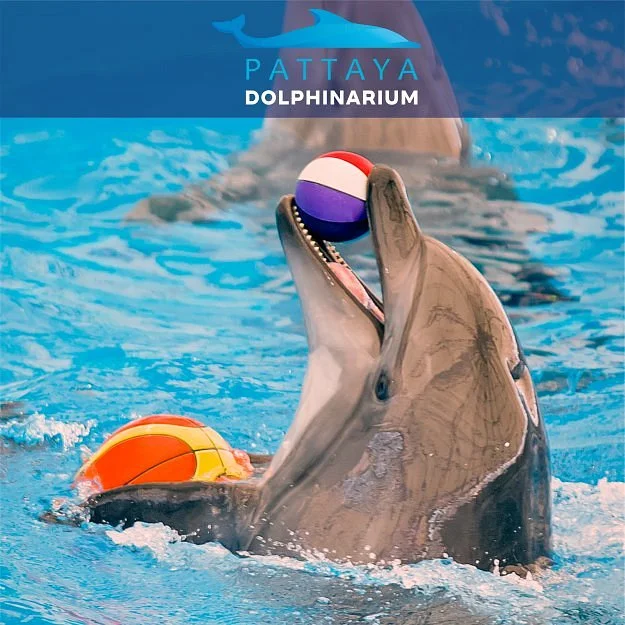
Beach Rd, Second Rd, and north Pattaya Rd (plus Naklua Rd to the north) all meet at the Dolphin Roundabout landmark.
Second Rd south of South Pattaya Rd becomes Pratamnak Rd, which shares a junction with both the southern end of Third Rd and the northern end of the main road to Jomtien, Tappraya Rd.
Beach Rd south of south Pattaya Rd is closed to vehicles in the evenings (18:00-02:00) and is called Walking Street; it's the main tourist area, both for nightlife and shopping. Other major tourism areas include the section of Second Rd between sois 1–4, and the sois immediately north of south Pattaya Rd.
At the south end of Walking Street is the New Pier, usually called Bali Hai Pier (sometimes "Pattaya Pier" or "South Pier"). The Old Pier, close to the junction of Beach Rd and south Pattaya Rd, is still shown on most maps but was dismantled and removed at the beginning of 2006.