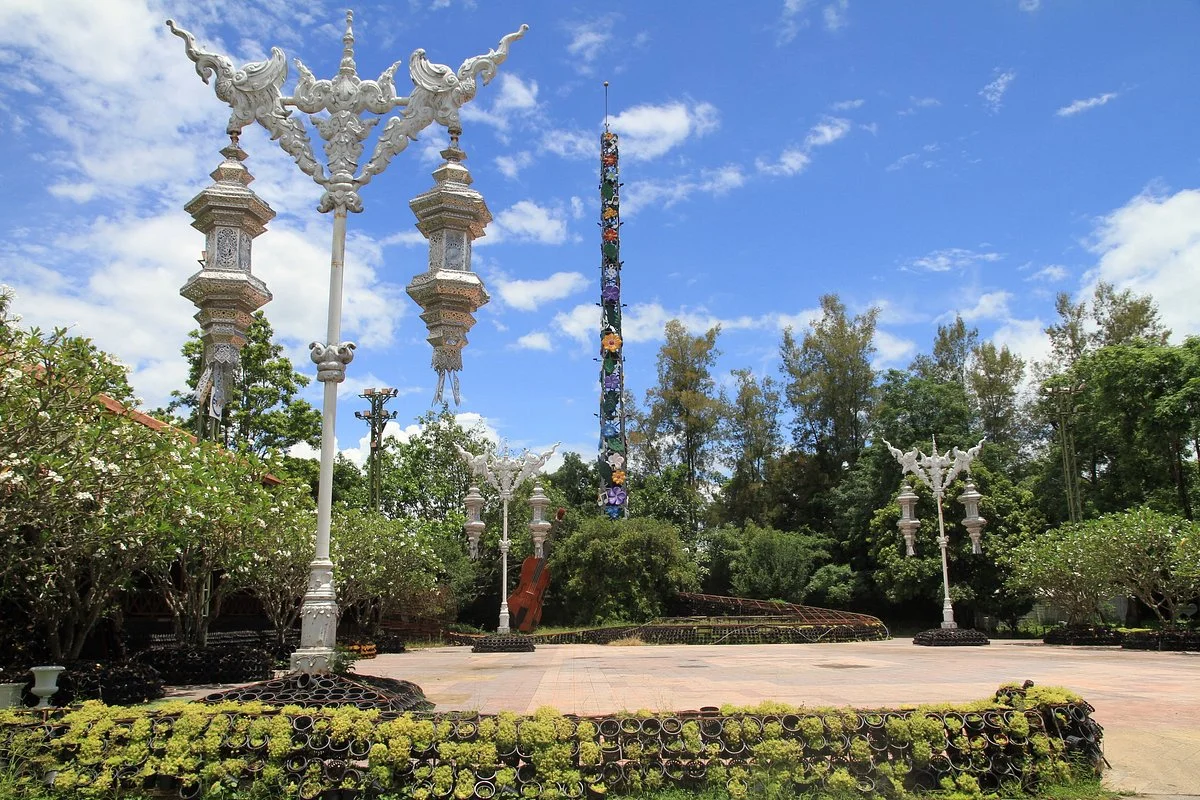
Chiang Rai (Thai: เชียงราย, pronounced [t͡ɕʰīa̯ŋ.rāːj]; Northern Thai: ᨩ᩠ᨿᨦᩁᩣ᩠ᨿ, pronounced [t͡ɕīa̯ŋ.hāːj]) is one of Thailand's seventy-six provinces, which lies in upper northern Thailand and is Thailand's northernmost province. It is bordered by the Shan State of Myanmar to the north, Bokeo province of Laos to the east, Phayao to the south, Lampang to the southwest, and Chiang Mai to the west. The provinces is linked to Houayxay Laos by the Fourth Thai–Lao Friendship Bridge that spans the Mekong.
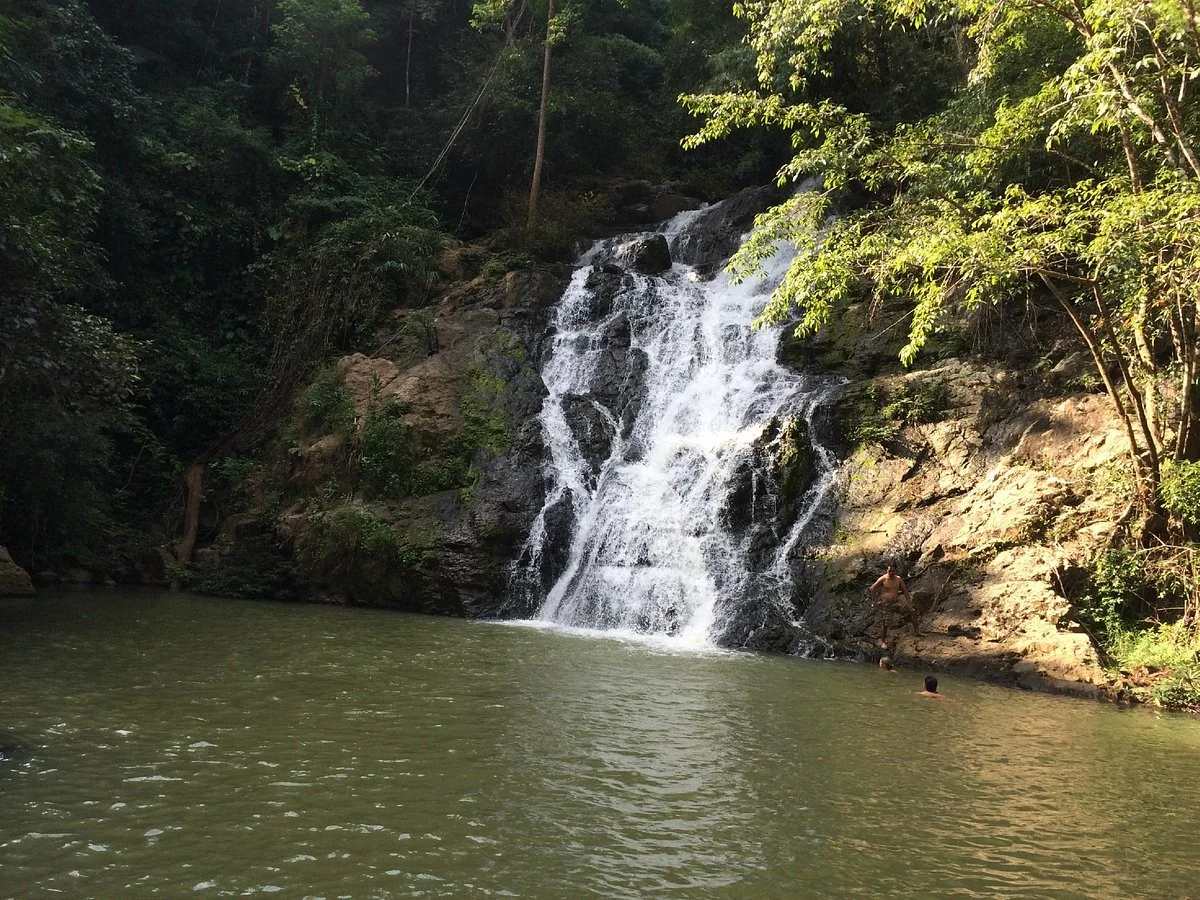
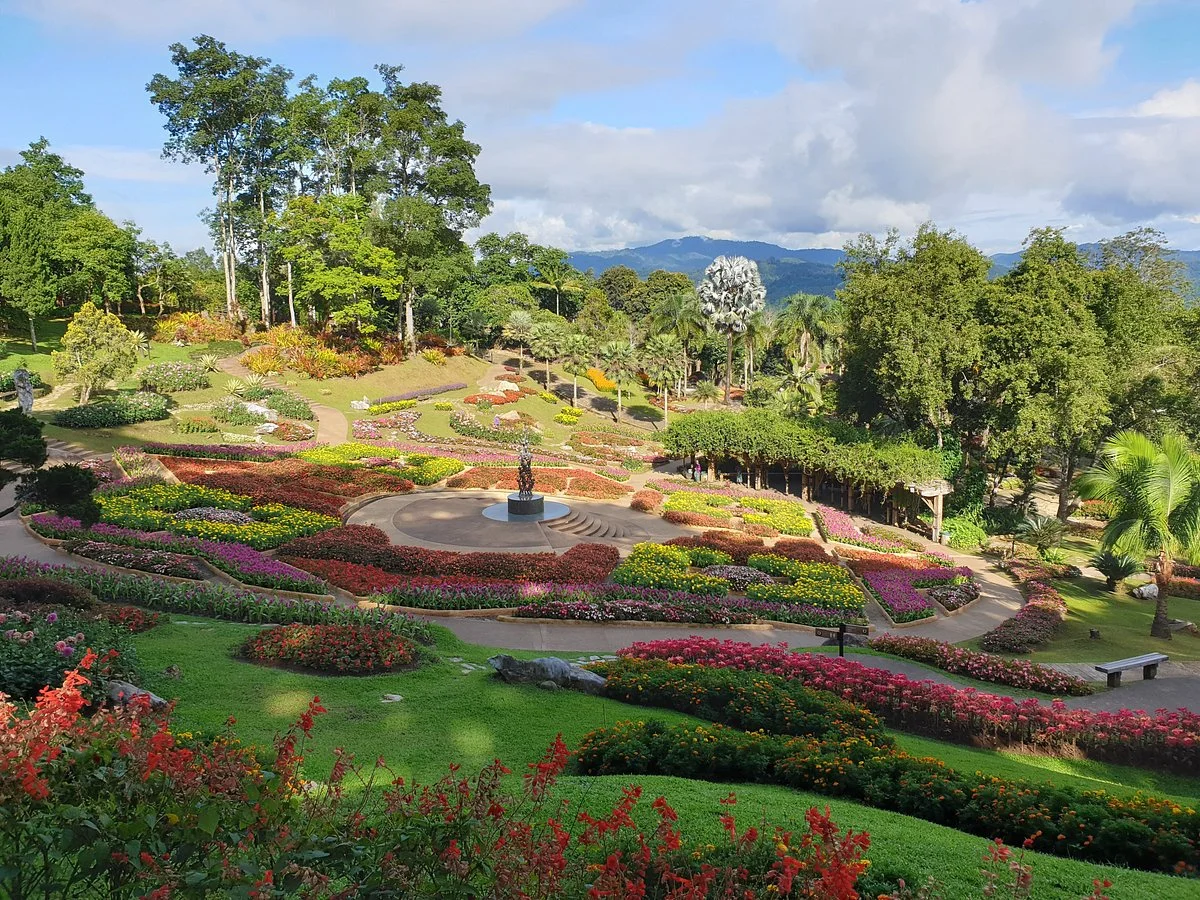
Visitors to Chiang Rai can expect to see some splendid mountain and valley views, while being blessed with excellent weather which is much cooler than in the central plains.
Many visitors choose to spend some of their time in Chiang Rai visiting fascinating hill tribes such as the Akha, Lisaw, Hmong, Lahu, Karen, Mien, and Yao. Many visitors go with a certified guide, but other simply go on their own. It is possible to stay overnight with the villagers. Solo travellers not going with a guide should stay with the village headmen; a small donation is welcome.
Sadly, some opportunists exploit hill tribe people to extract money from tourists. A village just near the road between Mae Sai and Chiang Rai (it is frequented by tourist minibuses returning from the Golden Triangle) is privately-owned, and, while entrance to the village is free, visiting long-necked Karen people there costs 200 baht. Most tourists (and backpackers) have already paid this price in their tour package, thinking that 1,000 baht or more for a day trip is "cheap". The poor Burmese Karens working there for tourists get only a tiny fraction of the money. Their home, Burma (Myanmar), is one of the poorest countries of the world. It is just a tourist trap. It's better to visit a remote, but genuine, Karen village, than to help rich people make money from the poor.
When trekking off the beaten track and away from hill tribes, it is possible to sleep at any temple, but again a little donation is appreciated.
No information available
Populations have dwelled in Chiang Rai since the 7th century and it became the centre of the Lanna Thai Kingdom during the 13th century. The region, rich in natural resources and textiles, was occupied by the Burmese until 1786.
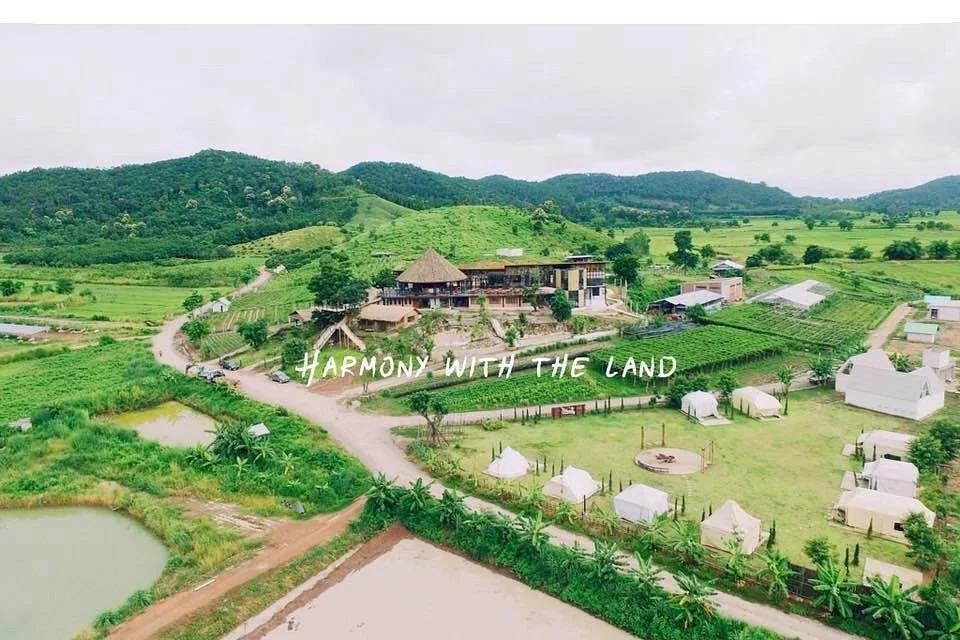
Chiang Rai Province’s Golden Triangle bordering Laos and Burma was once the hub of opium production which had much influence on cultural practices and lifestyles. To this day, entire clans live together in bamboo houses and each village has its own individual character.
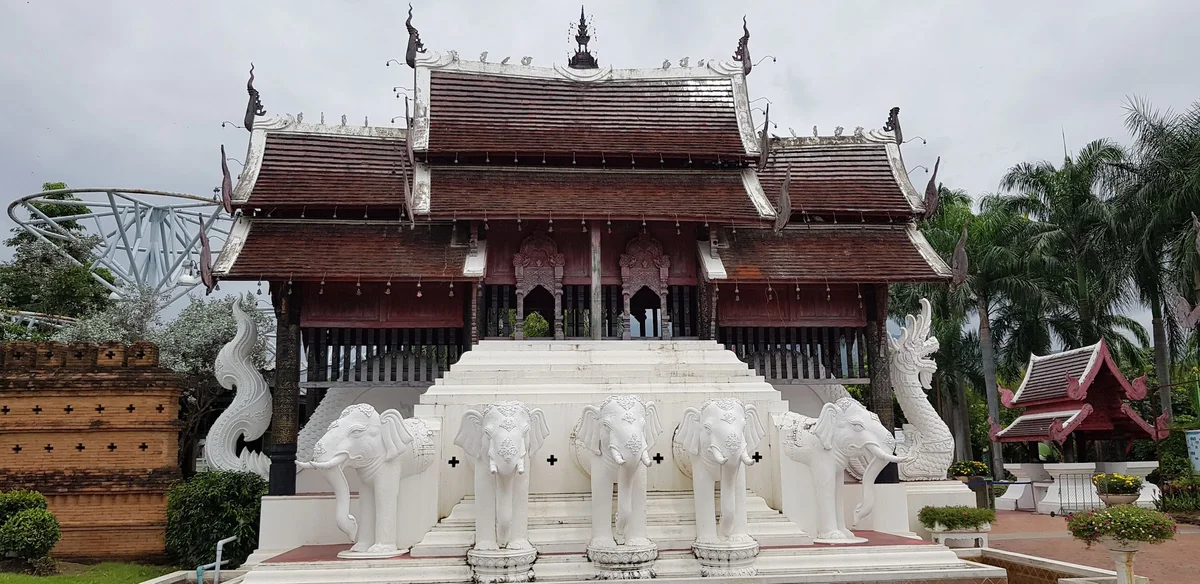
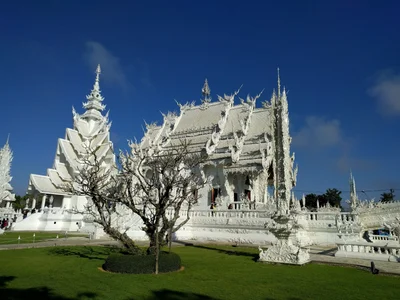
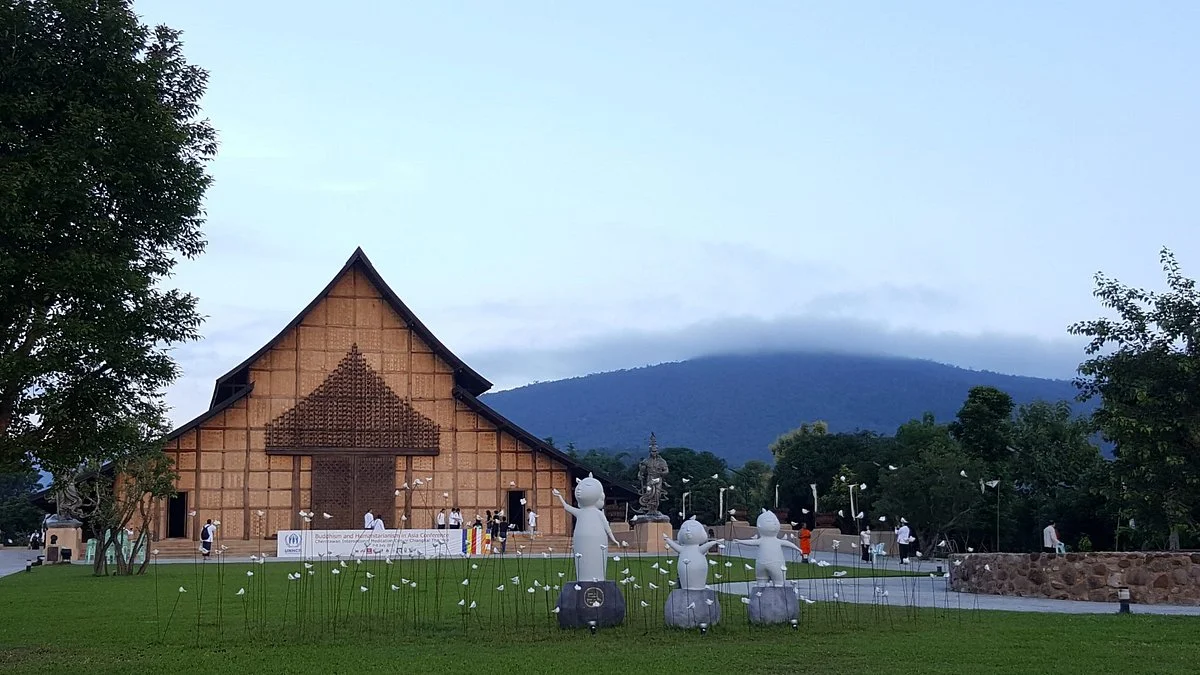
The province is rich in natural attractions and antiquities, evidence of its past civilisations. It is also home to various hill tribes who follow fascinating ways of life. Chiang Rai is also a tourism gateway to Burma and Laos.