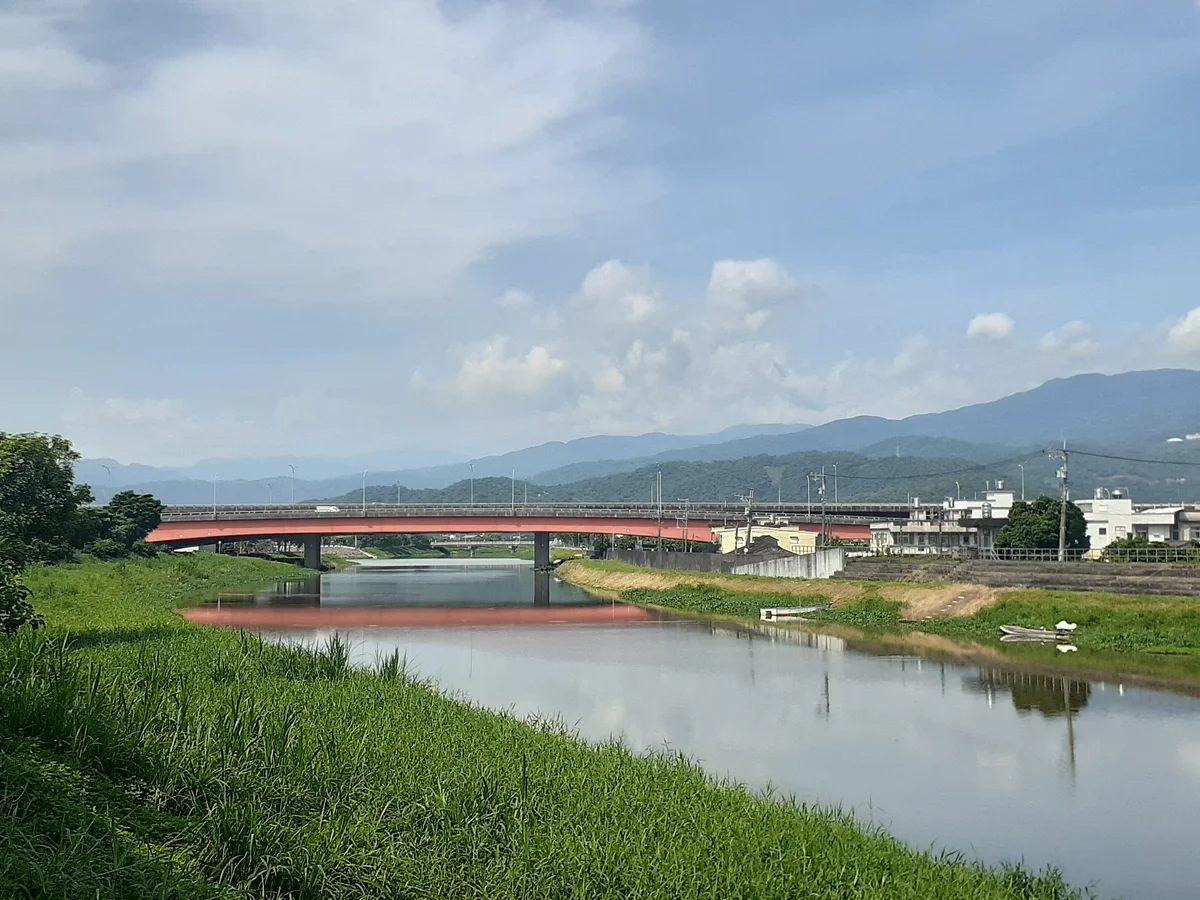
Yilan City (Mandarin pinyin: Yílán Shì; Hokkien POJ: Gî-lân-chhī) is a county-administered city and the county seat of Yilan County, Taiwan. The city lies on the north side of the Lanyang River.
=
The first Yilan Train Station (宜蘭火車站) was constructed in 1919. The original building was destroyed in 1962 by typhoon Opal and rebuilt in the same year. The plaza in front was built in 1997. There are many historical buildings nearby, described below.
= There are various religious festivals and parades of different sizes throughout Yilan, so you may cross one at any moment during weekends. According to believers, the purpose of the parades is to represent that the gods are patrolling the street to see how people doing and to protect people from harm. In order to welcome the gods, the people in charge of the parade set off firecrackers as an announcement that the gods are coming and cast a lot of "ghost money" on the street. Temple workers carry sedans with religious images. You may see traditional musical orchestras.
Usually, the parades are performed by many teams, People can tell which teams a participant belongs to by looking at their t-shirts. The parades consist of different groups of people and each of them are in charge of representing different characters. The characters may vary according to the different festivals. Some of them may do folk dances.
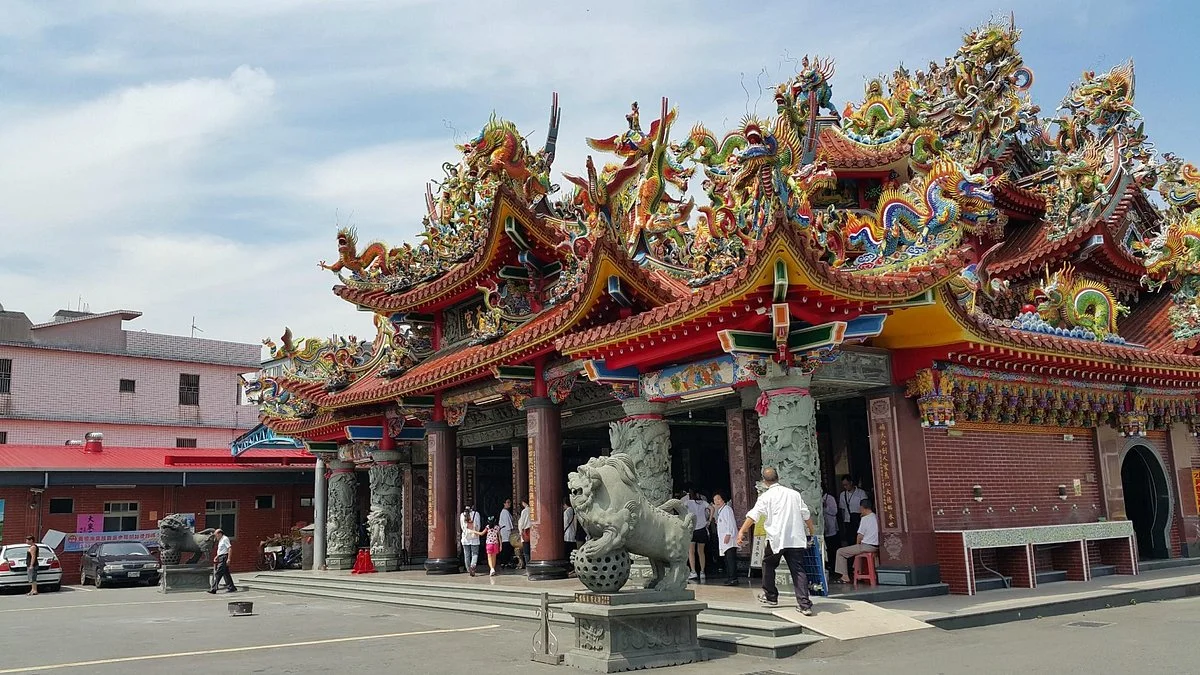
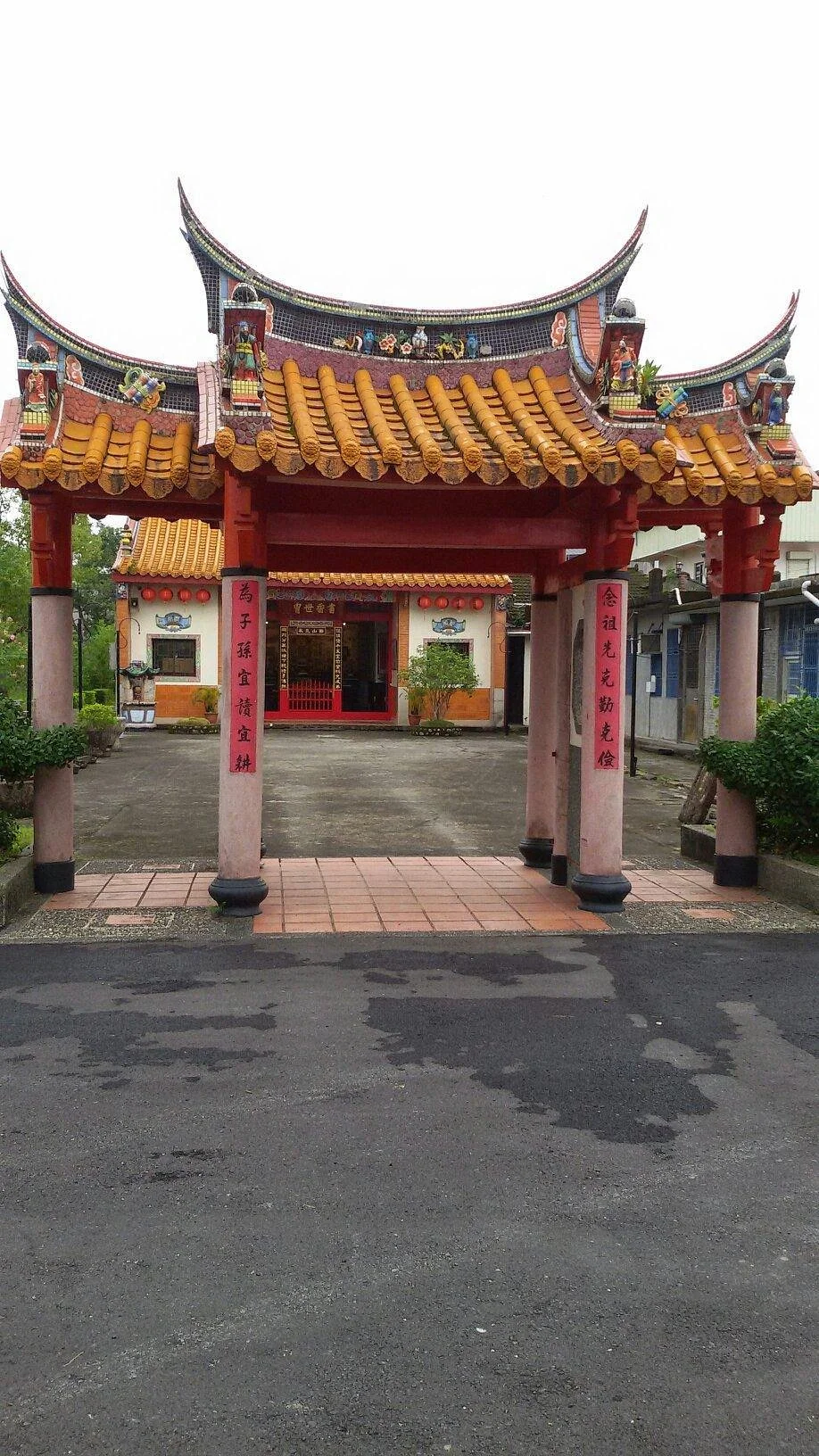
There are about 63 temples, most of them Taoist, and eleven western churches in Yilan County. Historically, there has been freedom in Yilan to practice any religion. Taiwanese celebrate many important traditional festivals. In Yilan the most important celebrations are Cheng-Huang's (城隍) birthday on February 8th of the lunar calendar and Dong-Yue's birthday (東嶽大帝) on March 28th of the lunar calendar. During the festival of Cheng-Huang's birthday, many people from all walks of life usually follow the parade and go around Yilan city and we can see that some people play the characters Chi-ye and Ba-ye (七爺八爺), a traditional Taiwanese myth about friendship. Yilan is the birthplace of Taiwanese opera (歌仔戲), so people can listen to traditional musical instruments during Taiwanese religious festivals.
During these religious parades, visitors can join the festival and take photos, but people should be respectful and observe some taboos. For example, expectant mothers should not join the parade and people should not cross from one side of the parade to the other. For temple workers there are further prohibitions, such as not eating meat before the parade. Parades should not be confused with Chinese funeral, where family members will wear black clothes and there are no images of gods.
There are two temples in Yilan that have regular large-scale festivals. The first is Yilan Cheng-Huang Temple (宜蘭城隍廟) at No.10 Chenghuang St. (城隍街) that holds their major parade every February 8 of the lunar calendar. The temple was established in 1813, and in Chinese culture, Cheng Huang is the Patron saint of cities. The other major temple is Yilan Dong-Yu Temple (宜蘭東獄殿) at No.299, Sec 2, Zhongshan Rd., and their largest parade is held in every March 28 in odd-numbered year of the lunar calendar.
Books
Local specialities
Shopping malls
=
Rail, bus, and taxi are good options for traveling from Yilan to Taipei. The Xueshan tunnel facilitates travel between Yilan and Taipei, shortening the trip to roughly 1½ hr.
Scooters, cars and bicycles are the main transport around Yilan City (the county seat of Yilan county). There are taxi stands and scooter rental options near the train station. Travel around the county (to destinations such as to Luodong, Suao, and Jiaosi) is easily accomplished by inexpensive rail (US$4).