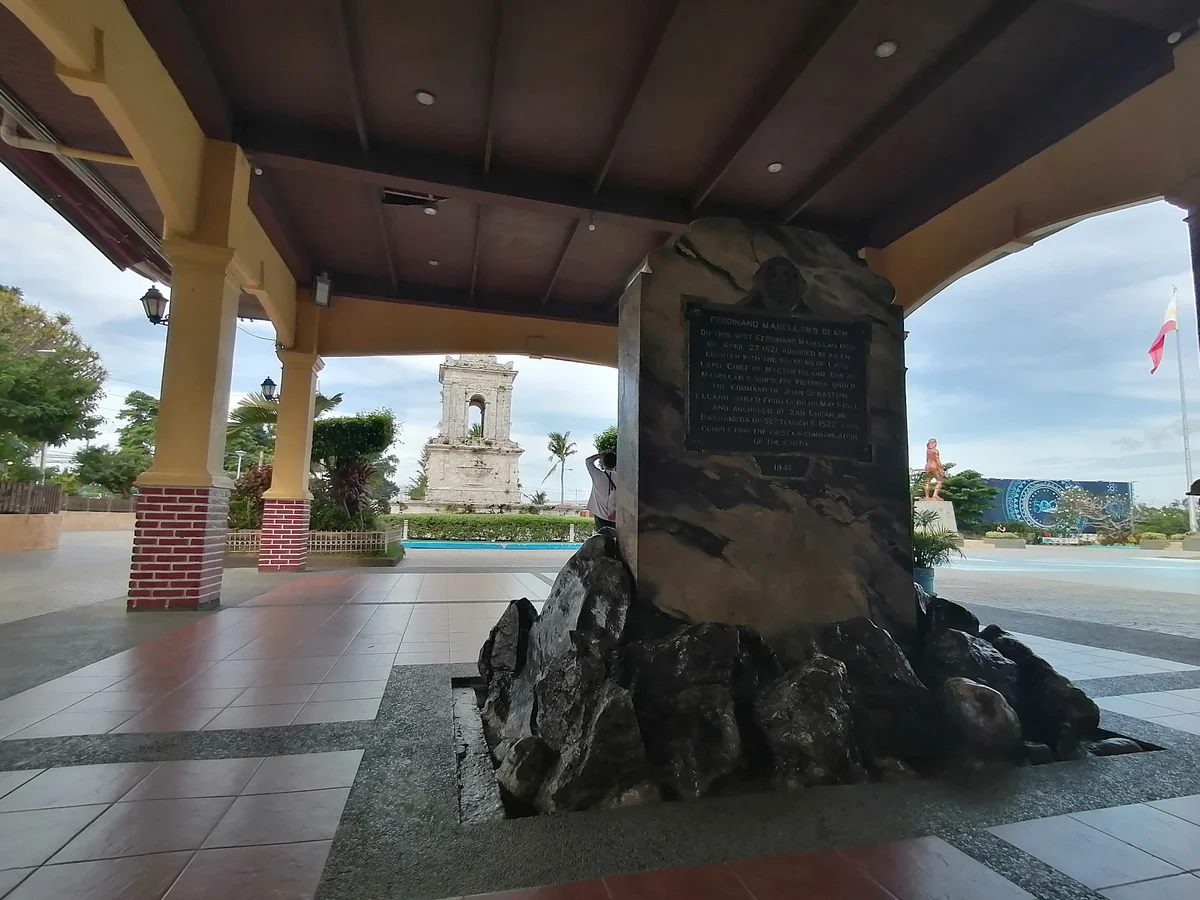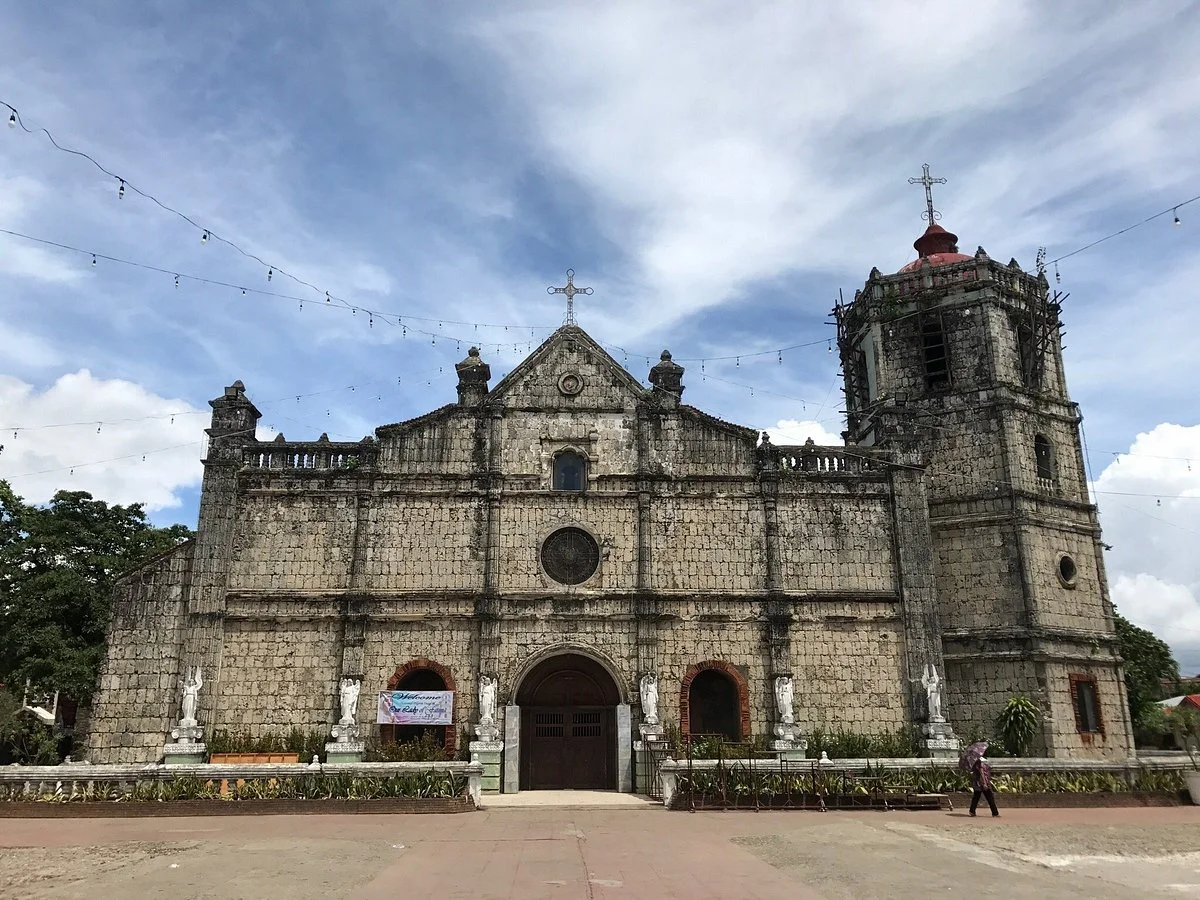
Lapu-Lapu City, officially the City of Lapu-Lapu (Cebuano: Dakbayan sa Lapu-Lapu; Hiligaynon: Dakbanwa sang Lapu-Lapu; Filipino: Lungsod ng Lapu-Lapu), is a 1st class highly urbanized city in the Central Visayas region of the Philippines. According to the 2020 census, it has a population of 497,604.It was formerly known as Opon, the city being renamed to its present name in 1961. It is one of the cities that make up Metro Cebu in the Philippines. It is located in the province of Cebu, administratively independent from the province, but grouped under Cebu by the Philippine Statistics Authority (PSA).
The Mactan–Cebu International Airport opened in April 1966 and became the second busiest airport in the Philippines, is located in Lapu-Lapu City.
The area has several fine dive sites. There are several dive operators that can serve your needs. You may do shore entry in few areas but most dive sites can be reached by boat. You can go to Kontiki, Talima, Tinggo, Hilutungan (sanctuary), Nalusuan (sanctuary), Shangri-la, Cordova and more. From Mactan, you can also hire an outrigger (boat) to take you to Cabilao or Balicasag, on Bohol.
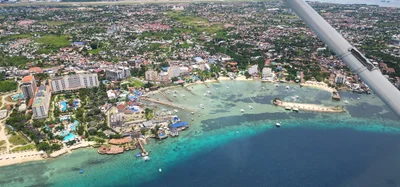
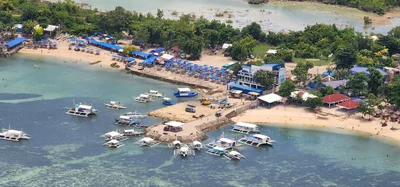
Beach bumming in white sand beaches like Shangrila, Plantation Bay, Blue Waters, White Sands, Tambuli Beach Club
Most of the resorts have restaurants, some more than one. Many travellers find the all-you-can-eat breakfast buffet at one of the higher-end resorts worthwhile, though not cheap. These places cater to a travellers from many countries, so a good range of both Western and Asian food is available at most of them.
The Gaisano Island Mall downtown has two buildings; the larger one (which has most of the shopping) has many chain restaurants, mostly fast food, and a bakery while the smaller one has a cluster of somewhat better-class restaurants, mostly serving Filipino food but also with places for sushi or pizza.
Like almost any city in the country, Lapu-Lapu has a centrally-located market that has been there since Spanish colonial times. Around it is a shopping district with many other stores.
There are also several large new malls:
It is no longer the case that all "Gaisano" stores have similar merchandise and prices. The original company's founder died and there are now several separate companies, all with "Gaisano" in their names, owned by different members of the family.
The town has one fairly unusual hotel at the airport:
The Waterfront luxury hotel and casino is also at the airport, near Terminal 1.
Arriving by air, one lands in Lapu-Lapu. By sea, most passengers arrive in Cebu City. By bus, either at the north bus terminal in Mandaue or the south terminal in Cebu City.
Taxis, jeepneys and buses go to Lapu-Lapu from other parts of Metro Cebu. They use the two bridges that connect the city to Mandaue; see Metro Cebu#Get around for details.
The simplest way to get around is by hopping on a tricycle or multicab (small jeepney). Taxi is also available for a comfortable trip. Always ask for taxi meter if you are paying by meter. The flagdown rate is and per succeeding 200 m and per waiting time of two minutes. Drivers however may bargain if they notice that you are a tourist, hence the cost of the trip may double in price. However, you have the option not to agree and may report such to local authorities. If you know the name of the building, establishment, area or street you wish you reach, this is still the fastest way to get to your destination.
If you want more adventure, then do as the locals and catch a colorful jeepney. Ask around for which route to take. They are available 24 hours and cover most of the nooks and crannies of the island. This is the cheapest option for getting around for as low as .
The municipality of Lapu-Lapu includes most of two islands, Mactan Island and the smaller Olango Island. The smaller municipality of Córdova to the south has the rest of both islands, and both municipalities include a few smaller islands as well. In common speech, either "Lapu-Lapu" or "Mactan" usually refers to the main part of the city, on Mactan.
Mactan is just off the coast from Mandaue and connected to it by two bridges; both lead into downtown Lapu-Lapu. A third bridge, with a toll, connects Cebu City to Córdova. Olango is a short ferry ride from Mactan.