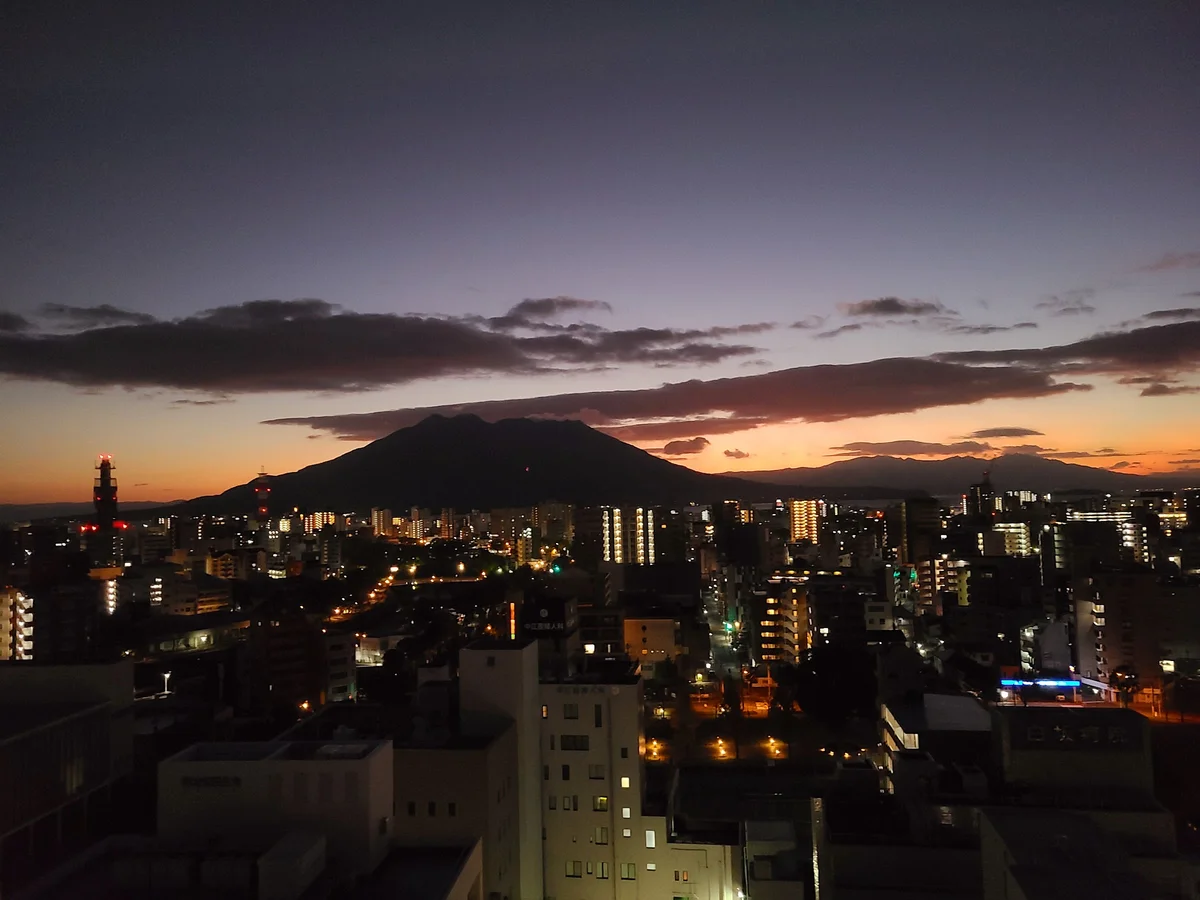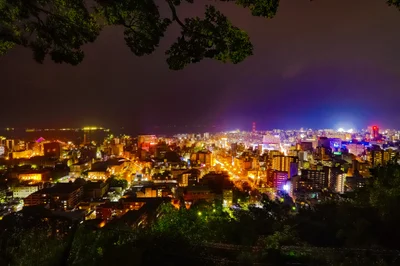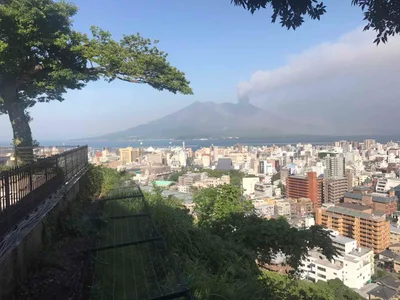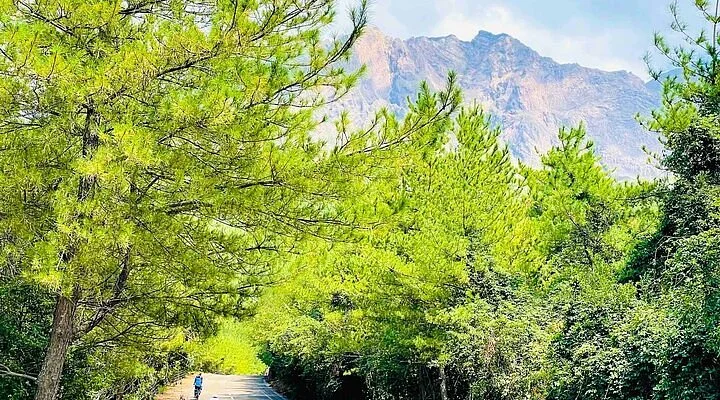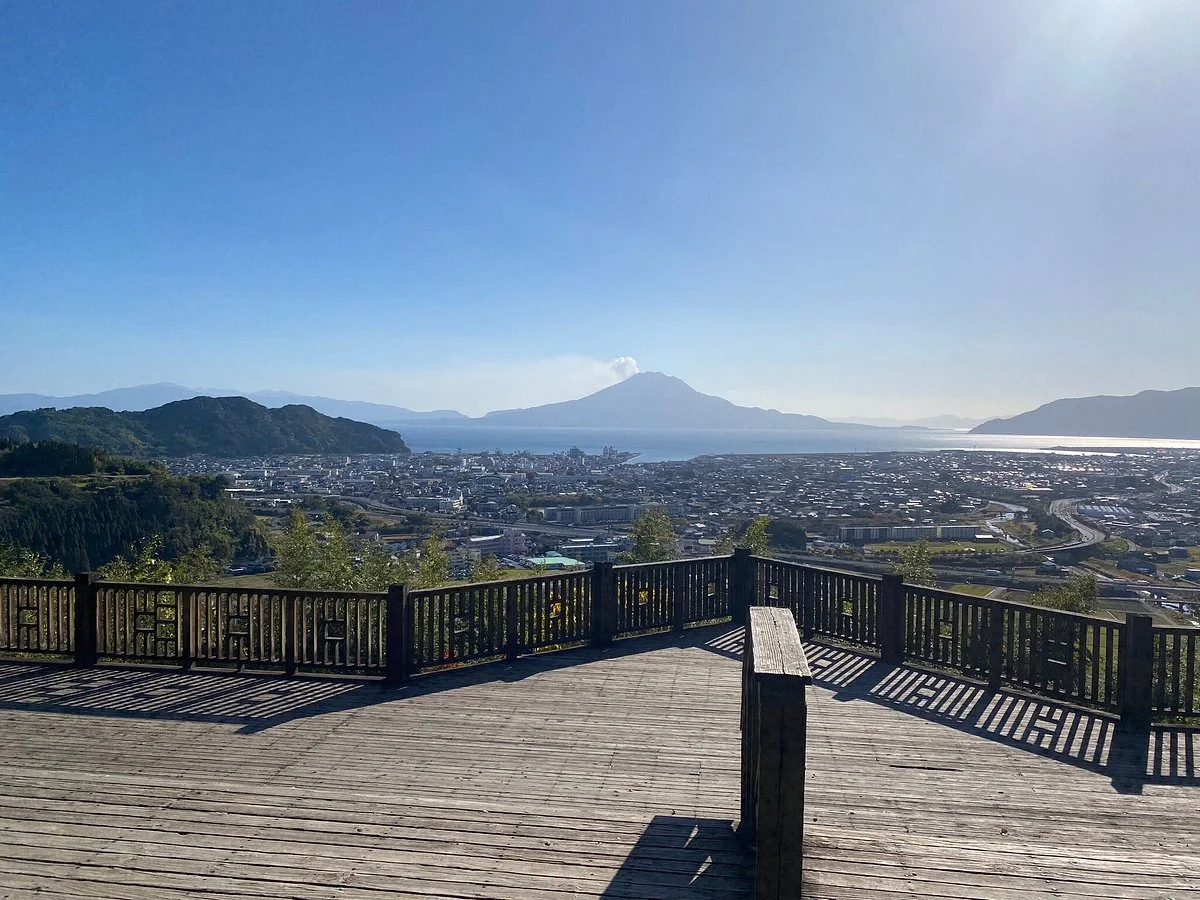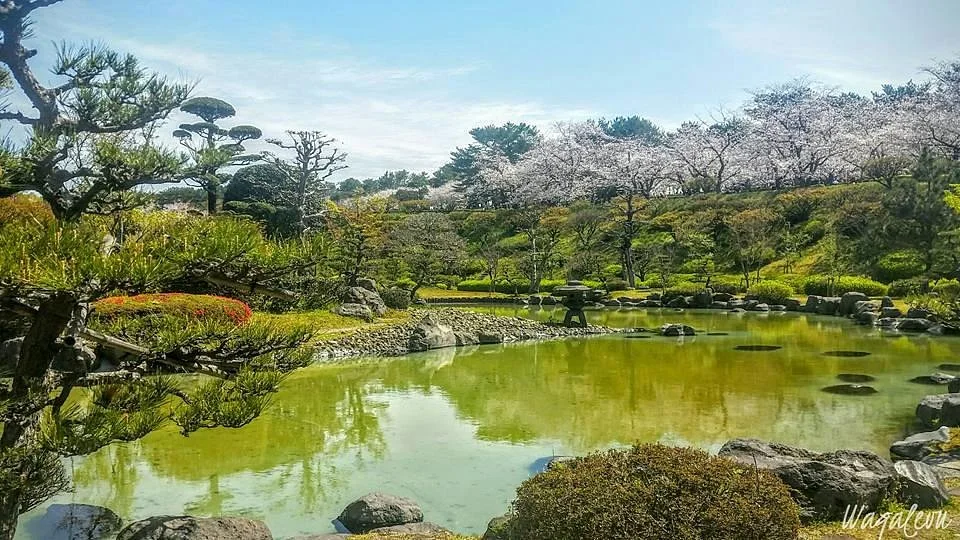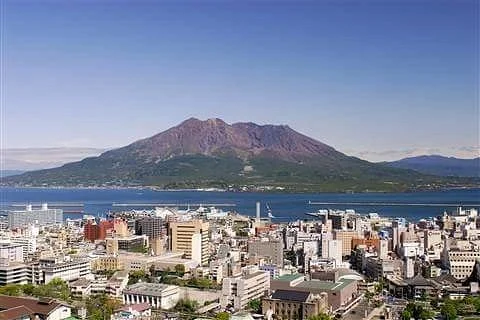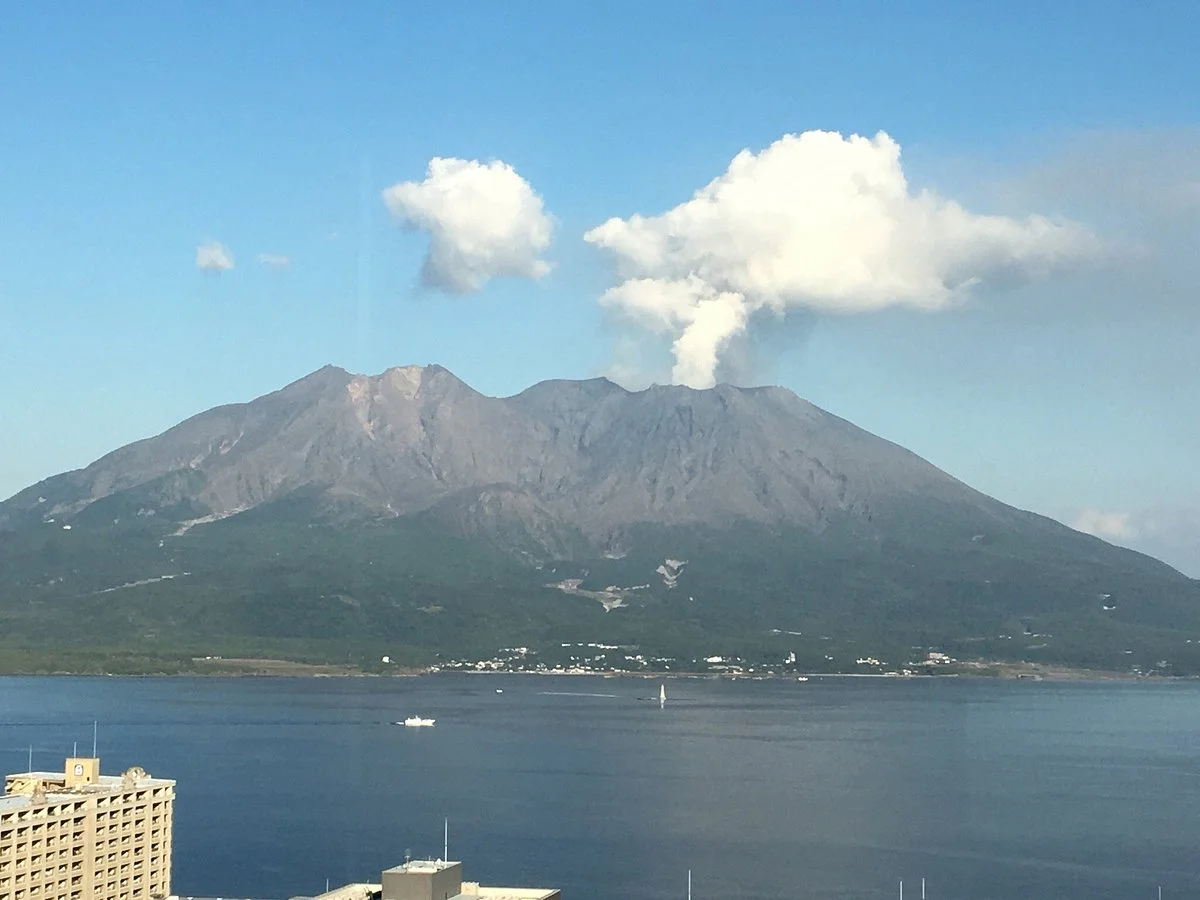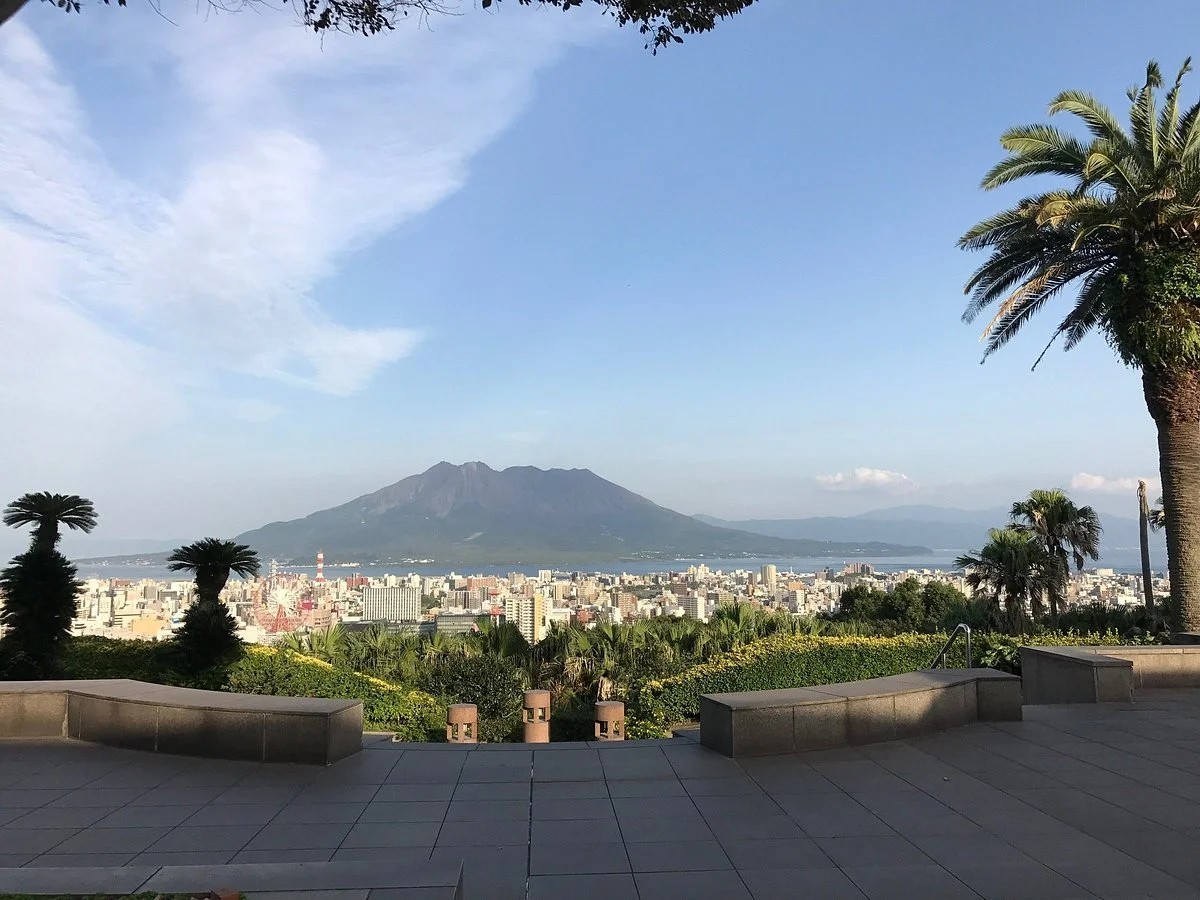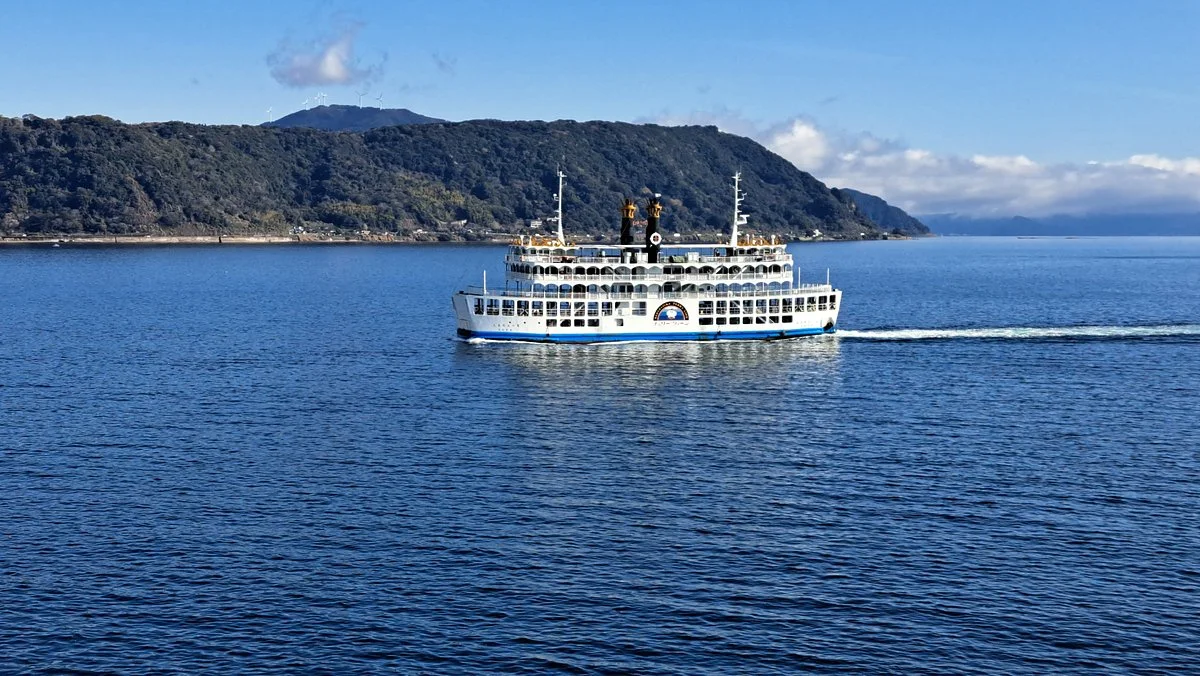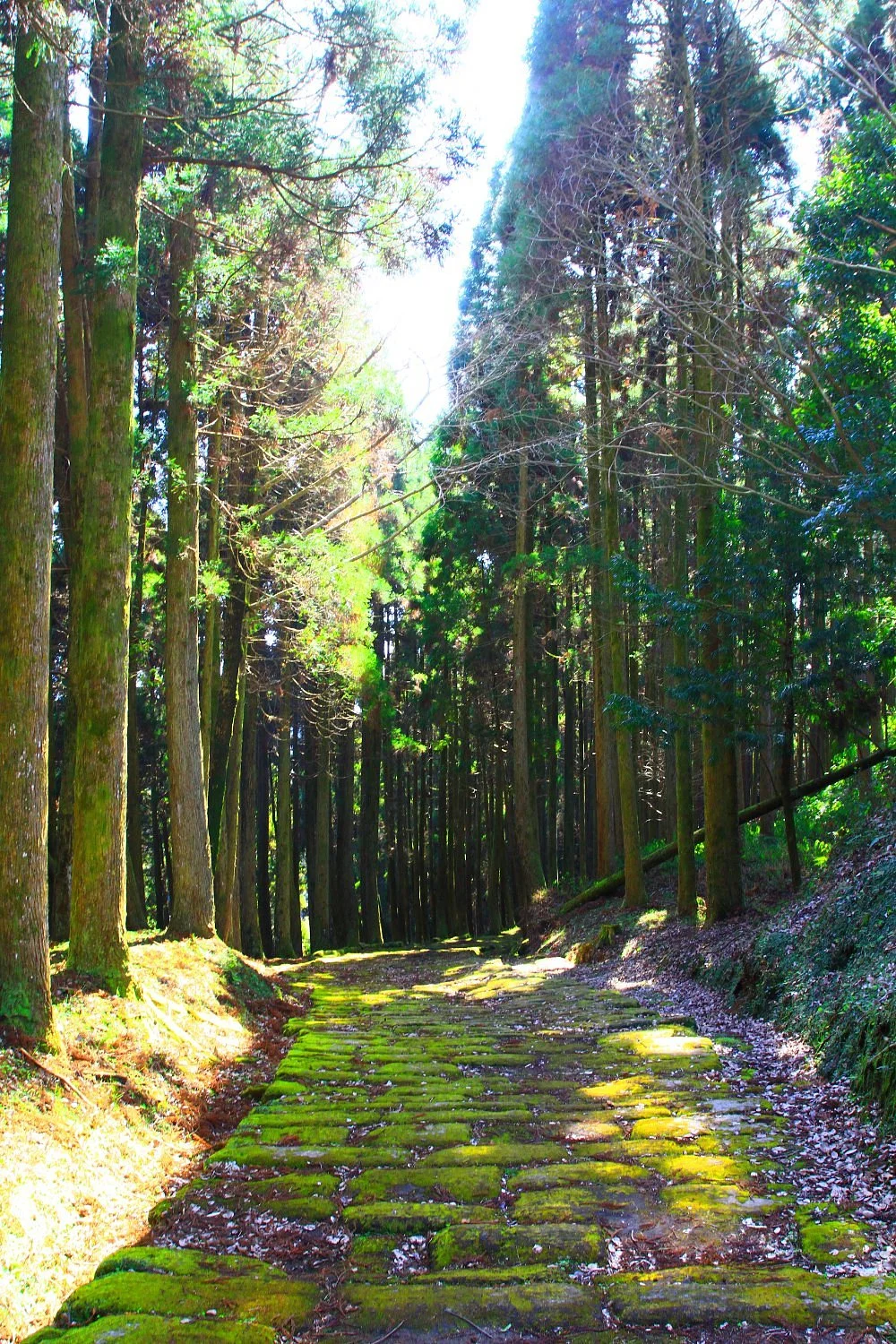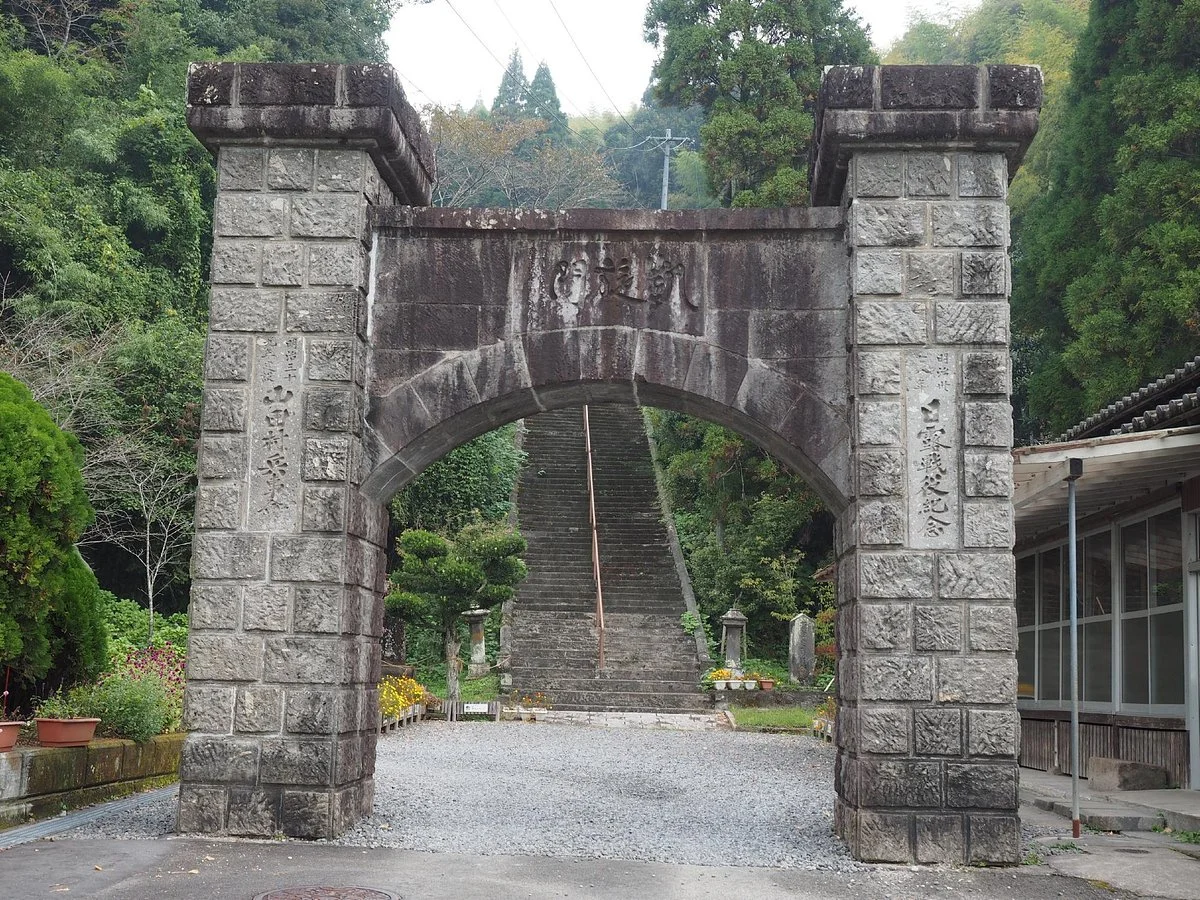
Kagoshima Prefecture (鹿児島県, Kagoshima-ken) is a prefecture of Japan located on the island of Kyushu and the Ryukyu Islands. Kagoshima Prefecture has a population of 1,564,175 (1 September 2022) and has a geographic area of 9,187 km2 (3,547 sq mi). Kagoshima Prefecture borders Kumamoto Prefecture to the north and Miyazaki Prefecture to the northeast.
Kagoshima is the capital and largest city of Kagoshima Prefecture, with other major cities including Kirishima, Kanoya, and Satsumasendai. Kagoshima Prefecture is located at the southernmost point of Kyūshū and includes the Satsunan Islands group of the Ryukyu Islands. Kagoshima Prefecture's mainland territory extends from the Ariake Sea to Shibushi Bay on the Pacific Ocean coast, and is characterized by two large peninsulas created by Kagoshima Bay. Kagoshima Prefecture formed the core of the Satsuma Domain, ruled from Kagoshima Castle, one of the most important Japanese domains of the Edo period and the Meiji Restoration.
Kagoshima is an agricultural area, known for numerous products:
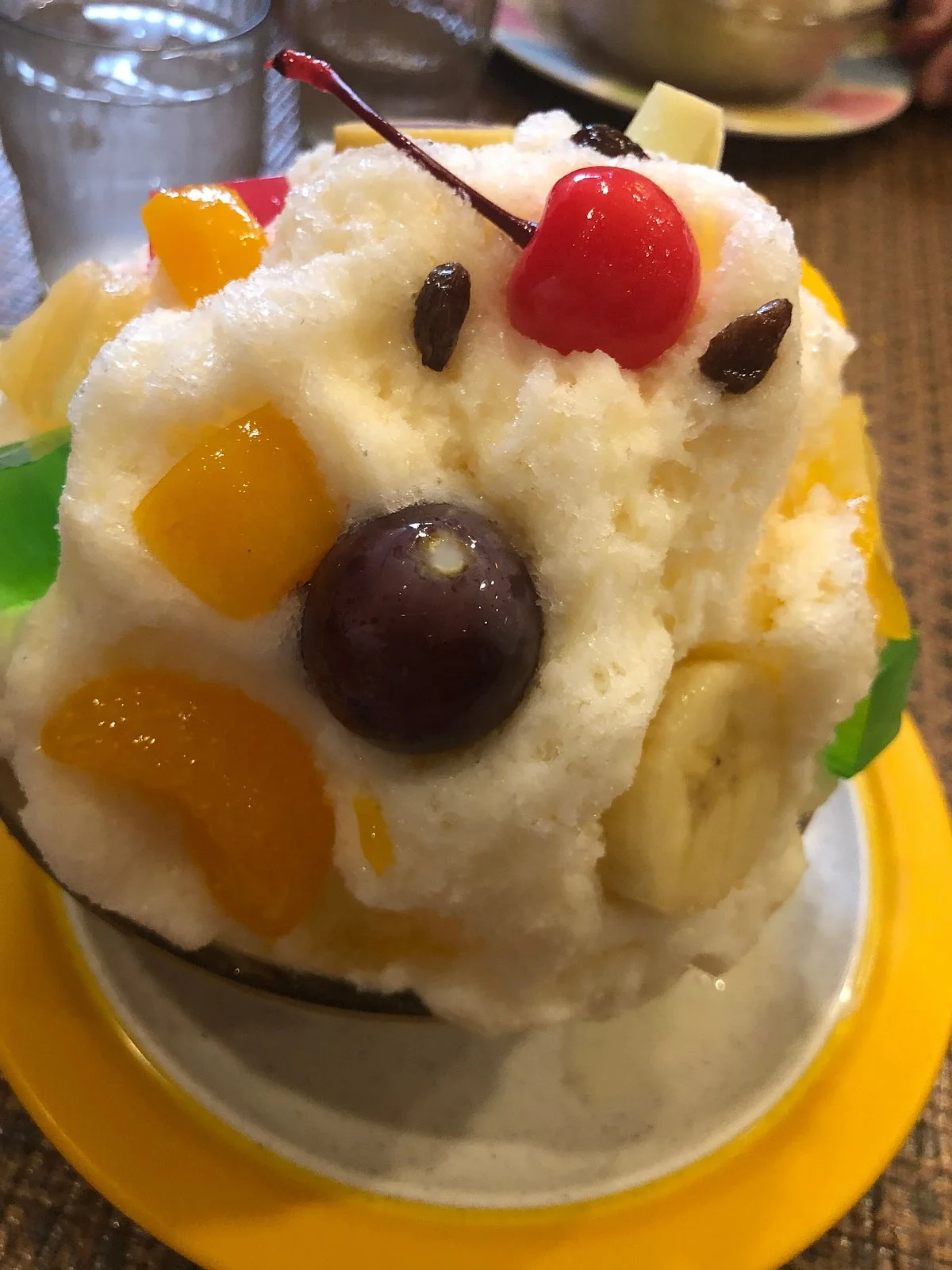
Special dishes in Kagoshima cuisine include:
Kagoshima's specialty is imojōchū (芋焼酎), a strong liquor distilled from sweet potatoes (薩摩芋 satsuma-imo). Manufactured here for over 500 years, it's infamous for its peculiar smell (often likened to gasoline and other unpleasant things), but recent varieties have reduced it to bearable levels, revealing a complex, almondy taste and the humble workman's plonk has been transformed into a high-class tipple now enjoyed in Tokyo's fancy bars. The local custom is to drink shochu mixed with hot water, called oyuwari (お湯割り), but first-timers will probably want to start off drinking it with cold water, mizuwari (水割り), or ice instead.
No information available
No information available
= Kagoshima's airport (), about two hours by air from Tokyo, is well-connected to the rest of Japan and has links to Seoul and Shanghai. There are also direct flights to Amami Oshima from Tokyo-Haneda and Osaka-Itami. Also check New Tanegashima Airport ().
= Most of the prefecture's larger islands are served by flights from Kagoshima, although schedules are sparse and costs high. For example, JAC's 25-min hop to Yakushima costs ¥12,750 one-way.
=
Kagoshima was known as Satsuma (薩摩) until 1871. It was one of the strongest Japanese provinces, at its height ruling an empire whose effective domain extended from Okinawa in the south to northern Kyushu. Fiercely reactionary, the city of Kagoshima was bombarded by English warships in 1863 in retaliation for the murder of an English trader, an event still known among the Japanese as the Satsuma-England War (薩英戦争 Satsu-Ei sensō).
While at first supportive of the Meiji Restoration of 1868 and a key contributor to the military defeat of the Shogunate's forces, Satsuma soon balked at the new government's attempts to roll back the privileges of the samurai. By 1877, the province had done a U-turn and was now at the forefront of the Satsuma Rebellion (西南戦争 Seinan-sensō), somewhat reluctantly spearheaded by Saigō Takamori (西郷隆盛), a near-mythical figure whose story was (very loosely) adapted for the Last Samurai movie. Outnumbered and outgunned, the rebels failed to take Kumamoto's castle and were soon hunted down, Saigō dying in the final Battle of Shiroyama in Kagoshima.
With the rebellion over, Satsuma's port was converted into an Imperial naval stronghold that gave birth to Japanese admiral Tōgō Heihachirō.