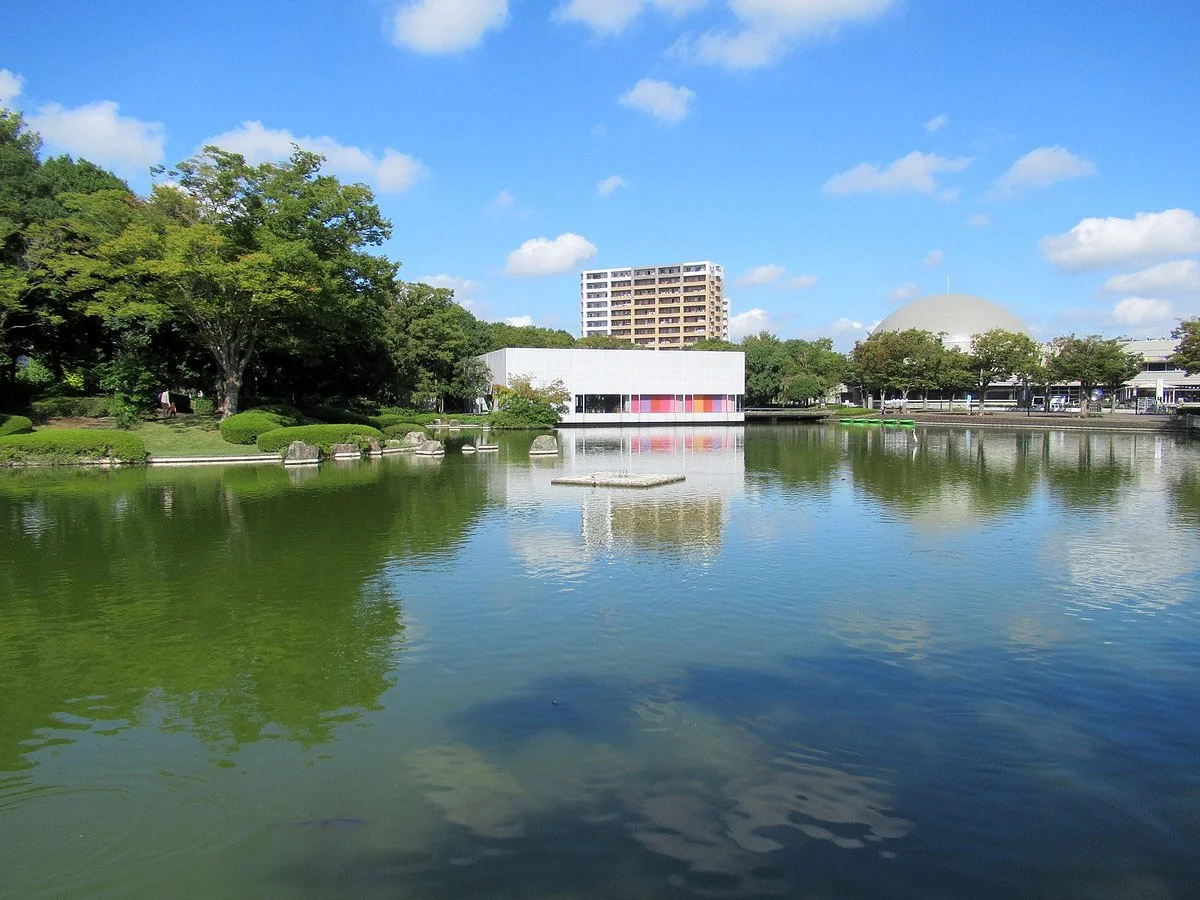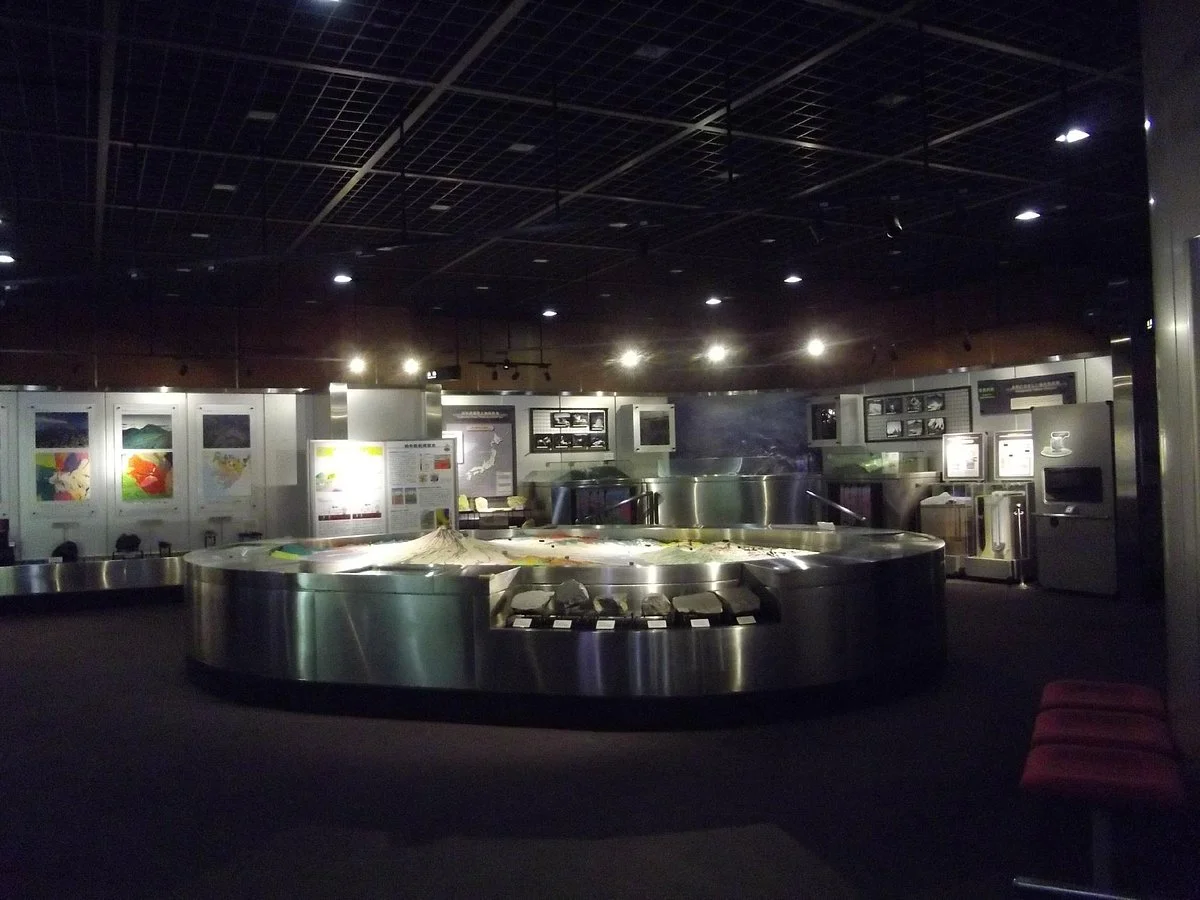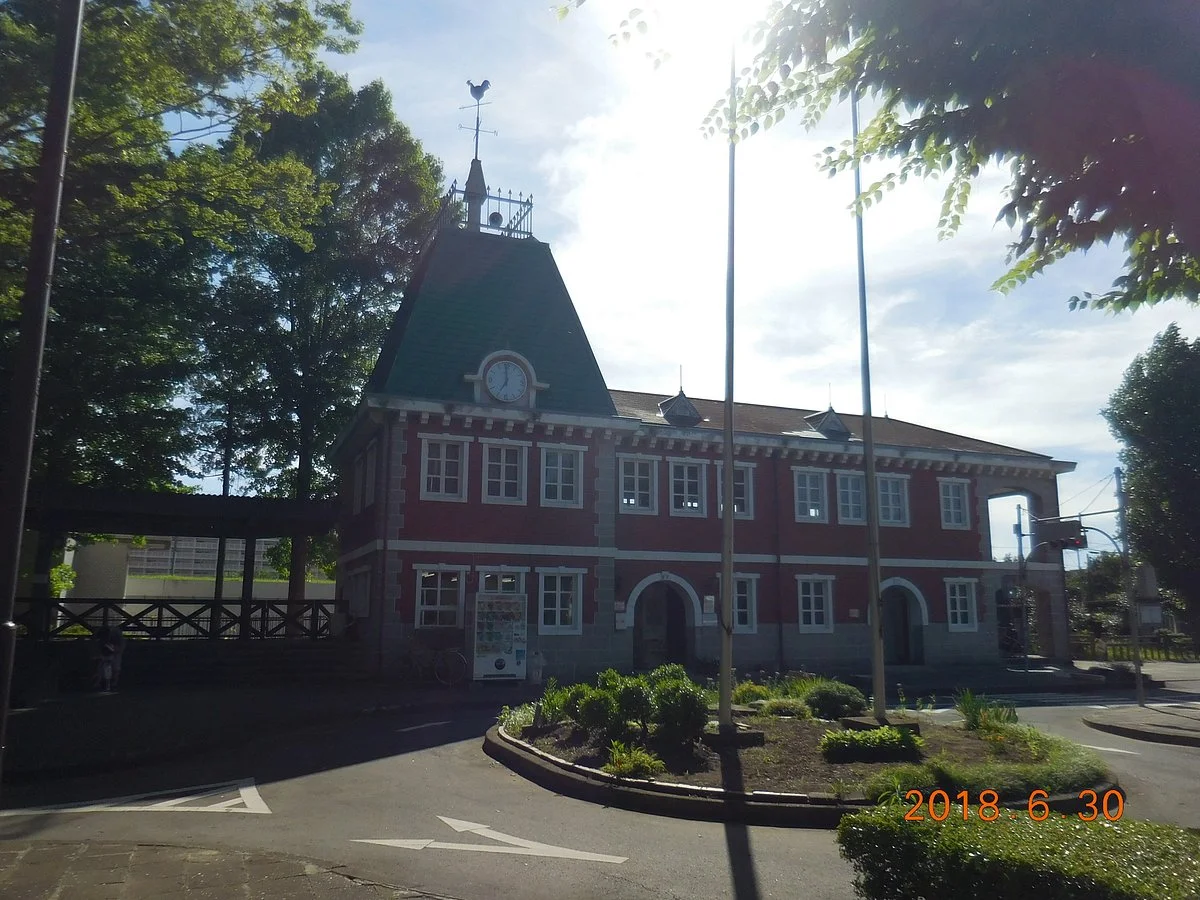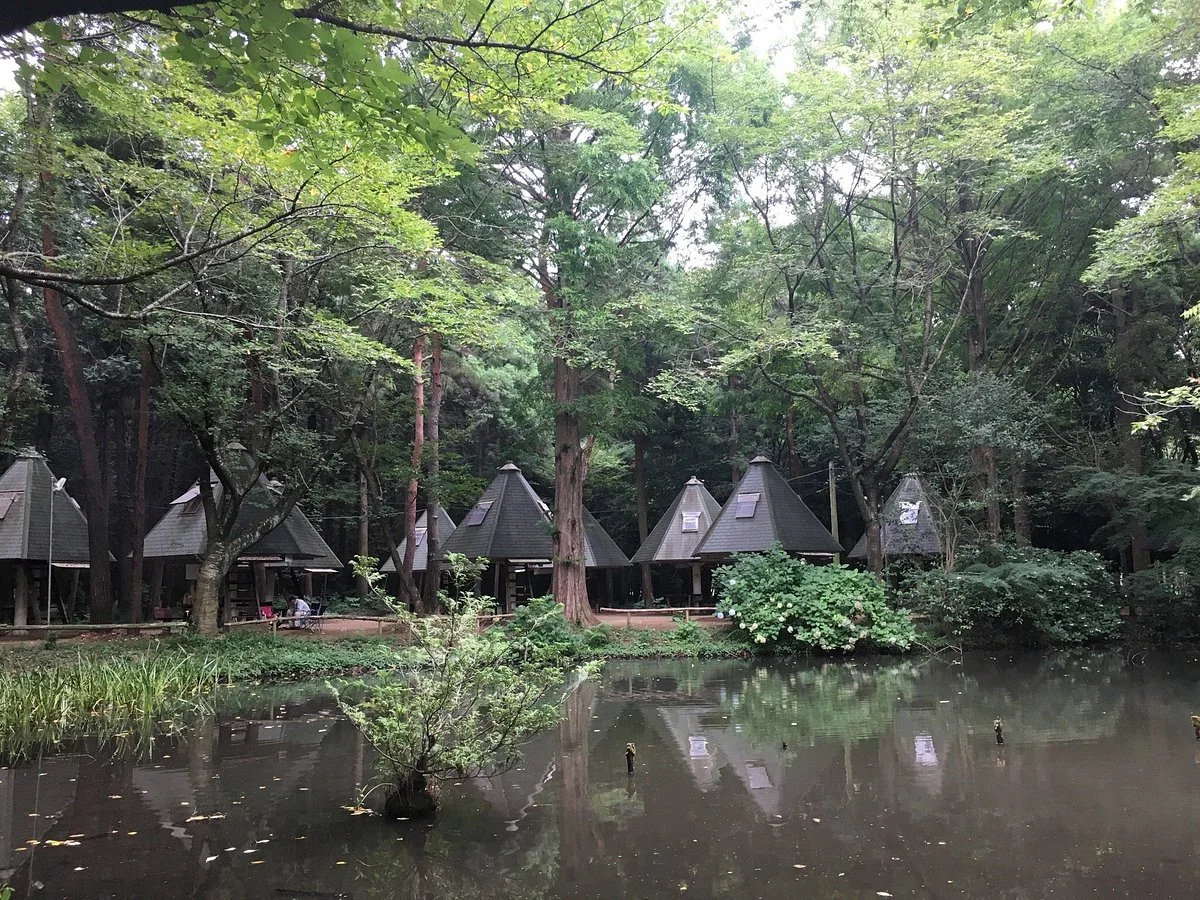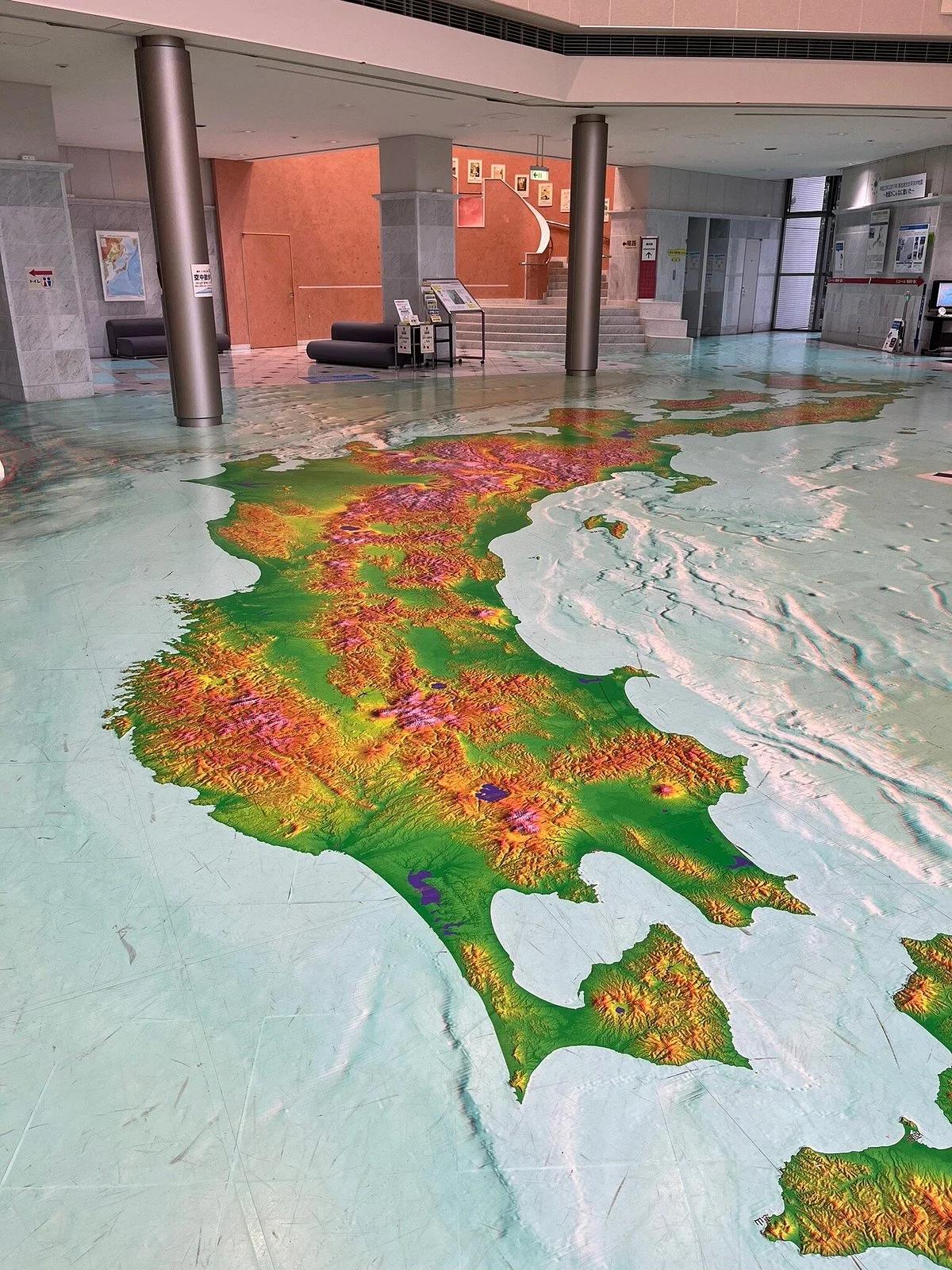
Tsukuba (つくば市, Tsukuba-shi) is a city located in Ibaraki Prefecture, Japan. As of January 1, 2024, the city had an estimated population of 256,526 in 121,001 households and a population density of 900 persons per km2. The percentage of the population aged over 65 was 20.3%. The total area of the city is 283.72 square kilometres (109.54 sq mi). It is known as the location of the Tsukuba Science City (筑波研究学園都市, Tsukuba Kenkyū Gakuen Toshi), a planned science park developed in the 1960s.
File:JAXA.JPG|Tsukuba Space Center File:Tanegashima Space Center.JPG|Rocket display, inside Tsukuba Space Center File:JAXA Tsukuba Space Center Exhibition 1.jpg|Inside Tsukuba Space Center
Tsukuba's main attraction for tourists is Mount Tsukuba, a double-peaked mountain with a lot of history. The Tsukuba-san Shuttle Bus drives from the Tsukuba Express Train Station to Tsukuba Shrine for ¥720 each way, and to its terminus Tsutsujigaoka, closer to the top, for about ¥1,000 . The last bus back to the city is at 5PM.
File:Mount Tsukuba Jinja.jpg|Mount Tsukuba shrine File:Mount Tsukuba 2.jpg|Mount Tsukuba File:Funicular in Mount Tsukuba.jpg|Funicular in Mount Tsukuba
Many bars and izakaya (japanese-style pub) are located in Kuidaore district, which is near to a crossing of Kita-odori (北大通り) and Nishi-odori (西大通り).
Tsukuba's local specialty is Gama Oil (ガマの油), an ointment that has existed since the Edo period.
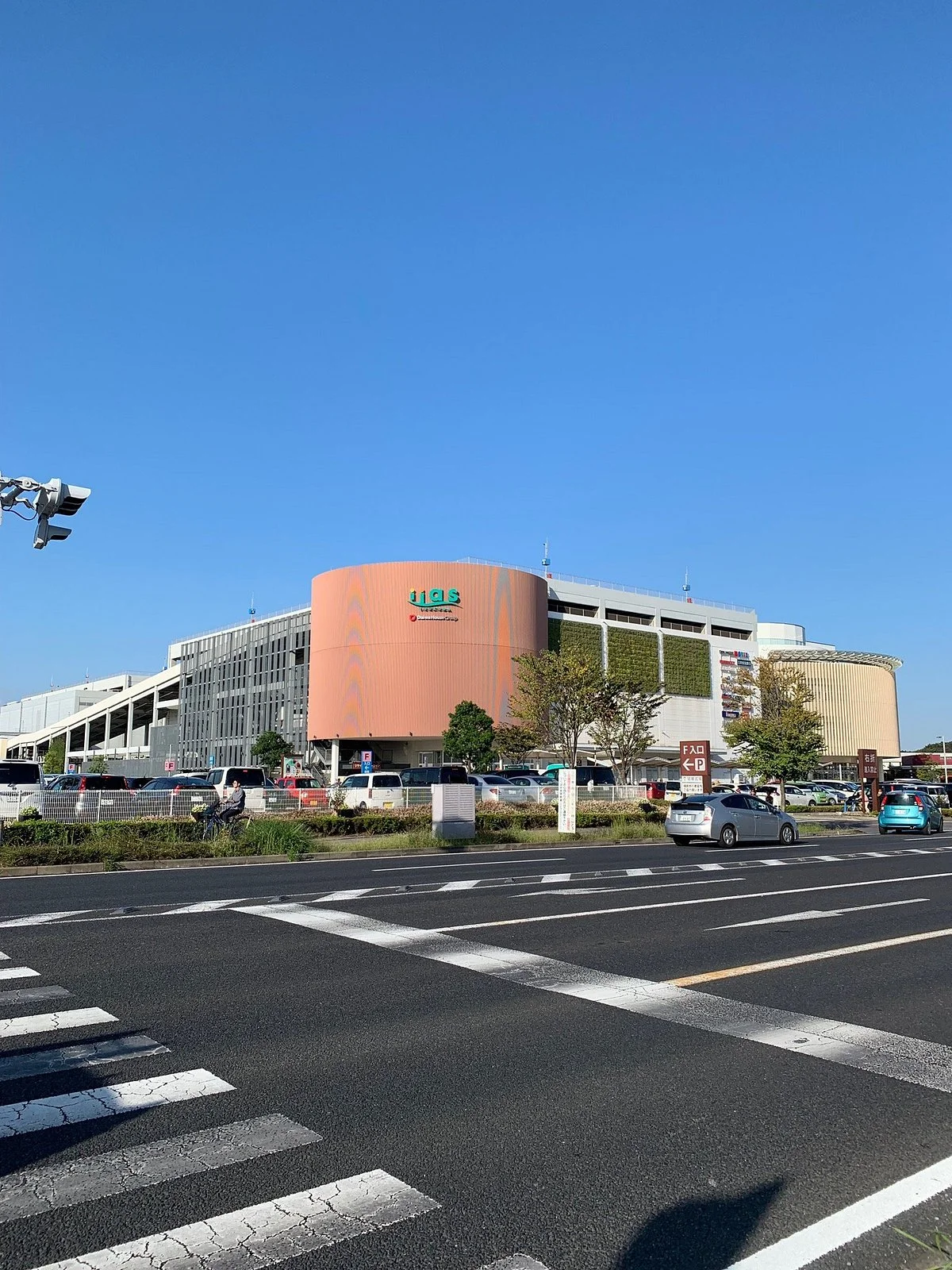
Tsukuba has several large shopping centers such as LALA GARDEN, Q't and SEIBU. Lots of families or couples go there every weekend.
The Tsukuba Express Line (sometimes abbreviated as TX) connects Tsukuba to Akihabara in downtown Tokyo in about 45 minutes. The fare is ¥1,150. No reservation is necessary, despite the flashy name it looks like most other trains.
You can also travel to Tsukuba by highway bus (高速バス) from Tokyo station's Yaesu south exit (八重洲南口). Most of the buses go to University of Tsukuba, but you can get off at Tsukuba Center, a bus hub located near the Tsukuba Express line station. The travel time is approx. 70 minutes at a cost of ¥1150 each way.
If you get to Narita airport by plane, a route by train to Tsukuba is: Narita airport~(Keisei Narita Sky Access)~Shin-Kamagaya~(Tobu Urban Park Line) via Kashiwa)~Nagareyama-Otakanomori~(Tsukuba Express)~Tsukuba. Japan Rail Passes can not be used on this route. Any train route requires at least two train changes. Using Narita Kuko Kotsu Express bus is simpler - direct to Tsukuba station bus terminal, six times a day, at \2400.
Tsukuba is extremely accessible and well laid-out. The infrastructure consists of the Higashi-Ōdori (東大通り) on the east and the Nishi-Ōdori (西大通り) on the west, both major roadways running on either side of the university. The campus itself is connected to downtown via a system of bicycle paths and bridges, known as the Pedestrian Way, offering easy transit for university students.
Bicycle rental is available in front of the train station (ask for "rent-a-cycle"). ¥500 per day, half for kids bicycles, open from 09:00 to 18:30. You have to return the bicycles by 18:30, except if you rent for several days.