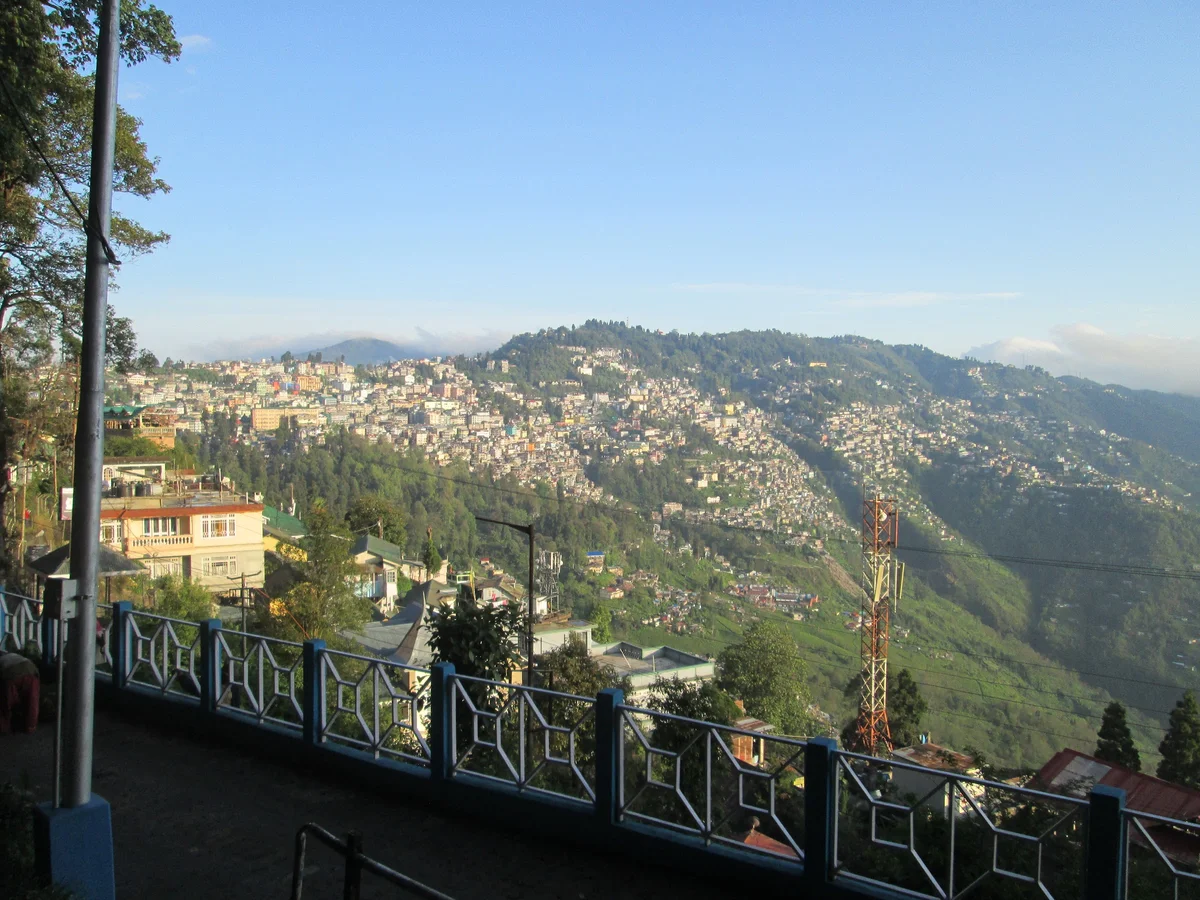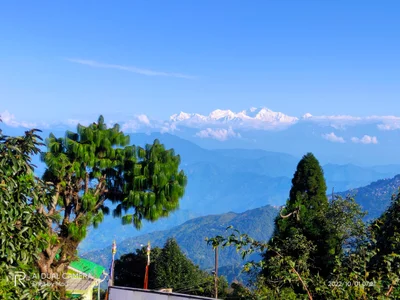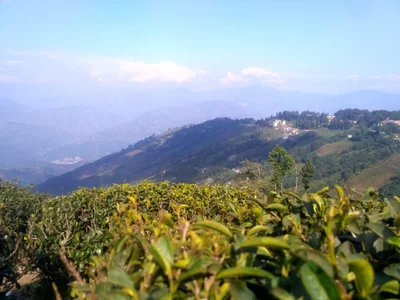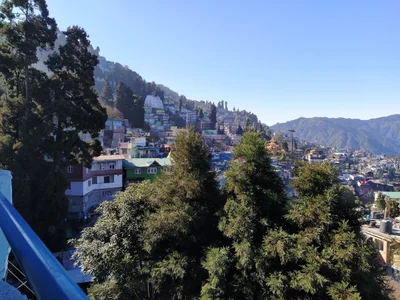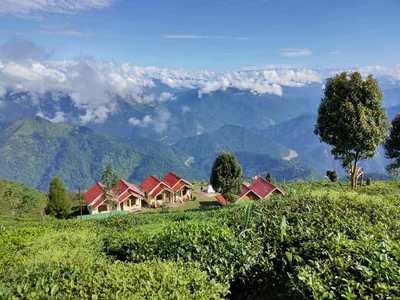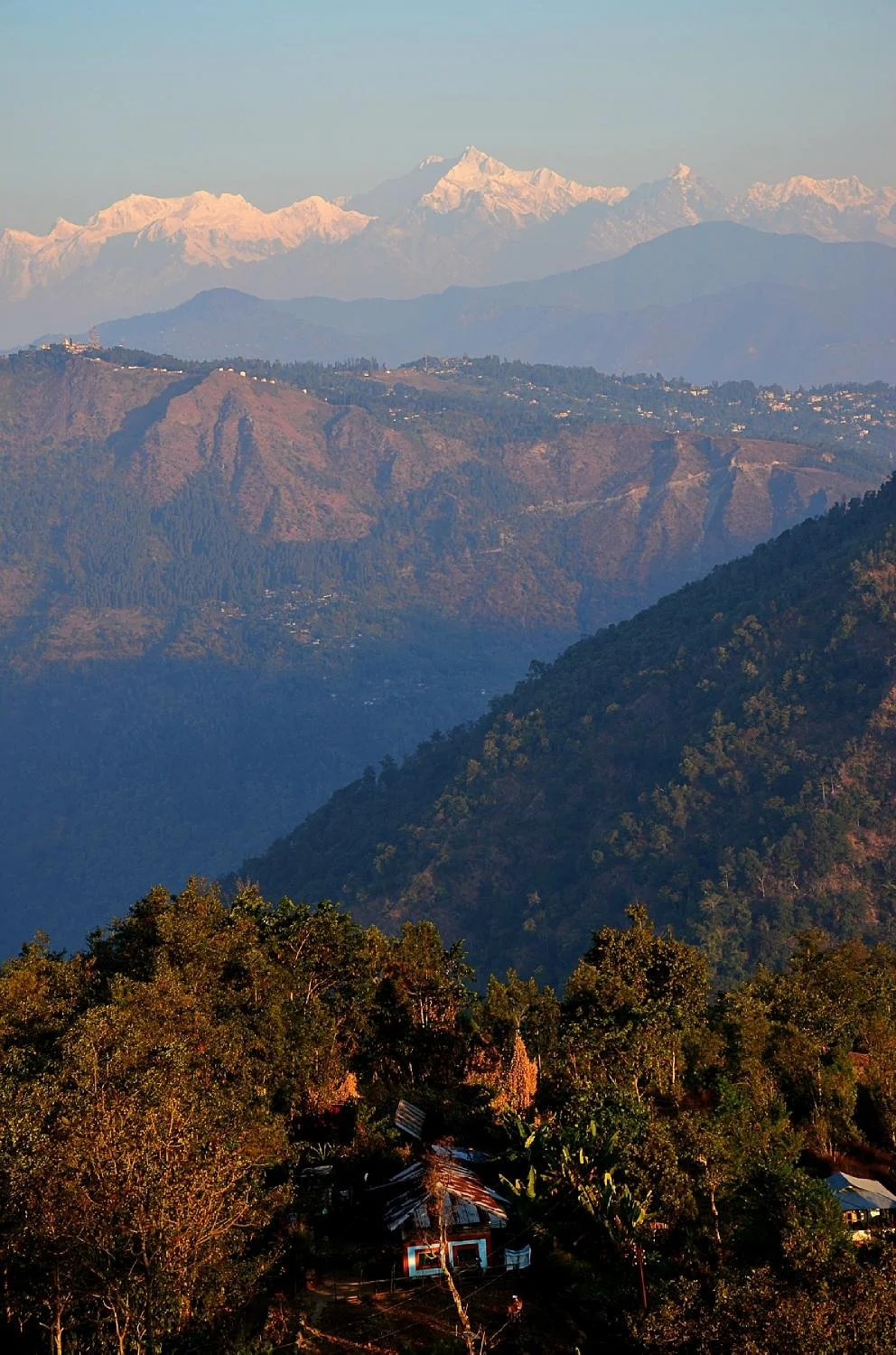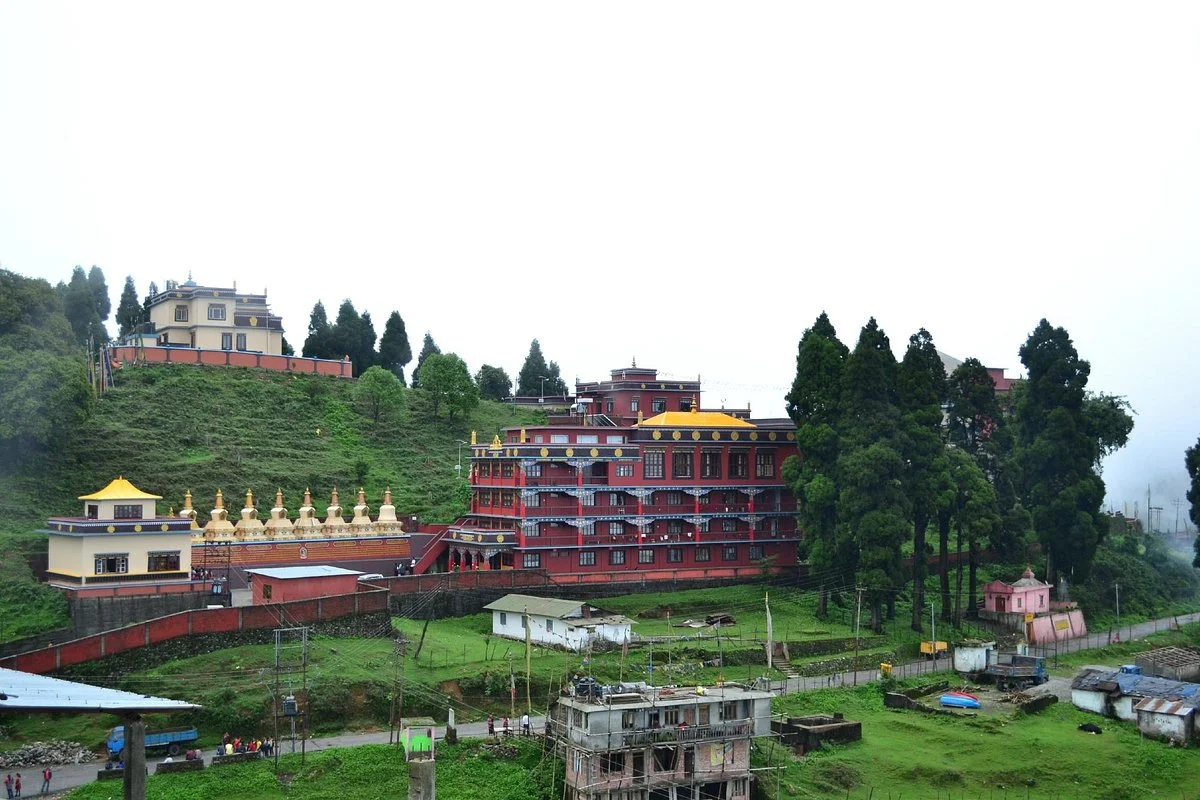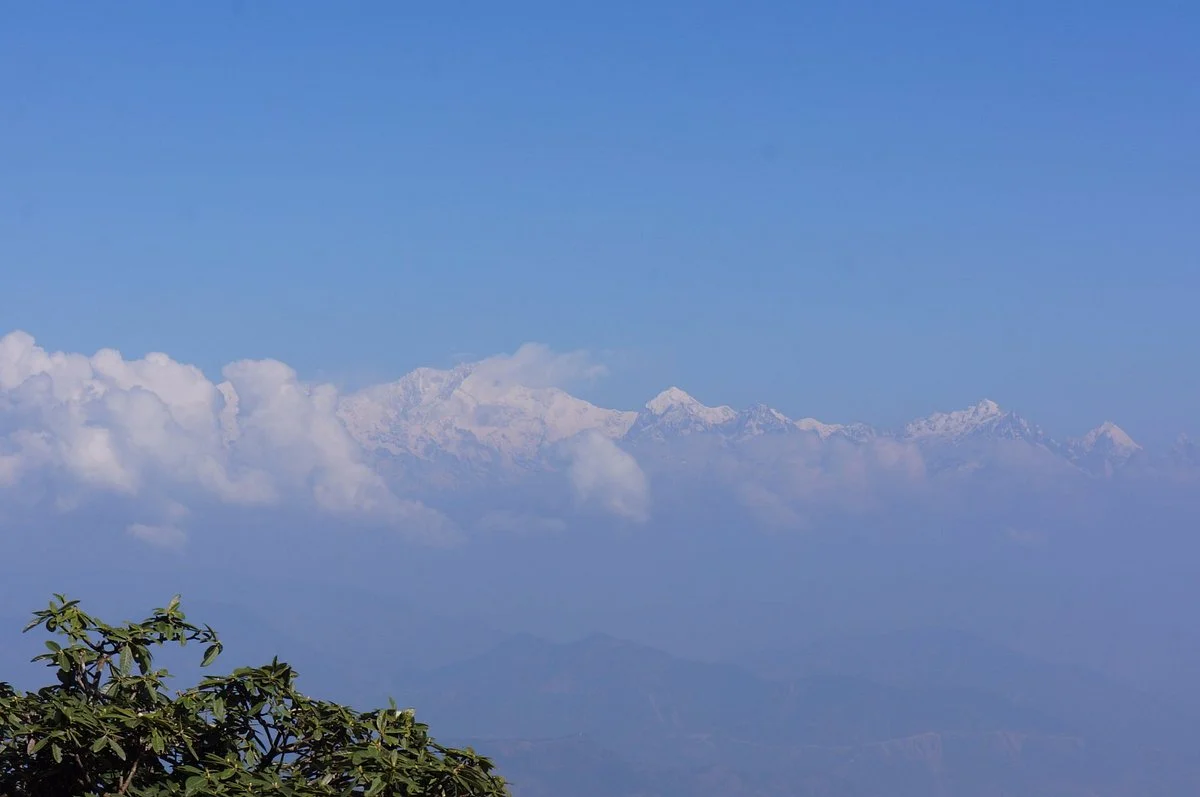
Darjeeling (, Bengali: [ˈdarˌdʒiliŋ], Nepali: [ˈdard͡ziliŋ]) is a city in the northernmost region of the Indian state of West Bengal. Located in the Eastern Himalayas, it has an average elevation of 2,045 metres (6,709 ft). To the west of Darjeeling lies the easternmost province of Nepal, to the east the Kingdom of Bhutan, to the north the Indian state of Sikkim, and farther north the Tibet Autonomous Region region of China. Bangladesh lies to the south and southeast, and most of the state of West Bengal lies to the south and southwest, connected to the Darjeeling region by a narrow tract. Kangchenjunga, the world's third-highest mountain, rises to the north and is prominently visible on clear days.In the early 19th century, during East India Company rule in India, Darjeeling was identified as a potential summer retreat for British officials, soldiers and their families. The narrow mountain ridge was leased from the Kingdom of Sikkim, and eventually annexed to British India. Experimentation with growing tea on the slopes below Darjeeling was highly successful. Thousands of labourers were recruited chiefly from Nepal to clear the forests, build European-style cottages and work in the tea plantations. The widespread deforestation displaced the indigenous peoples. Residential schools were established in and around Darjeeling for the education of children of the domiciled British in India. By the late-19th century, a novel narrow-gauge mountain railway, the Darjeeling Himalayan Railway, was bringing summer residents into the town and carrying a freight of tea out for export to the world. After India's independence in 1947, as the British left Darjeeling, its cottages were purchased by wealthy Indians from the plains and its tea plantations by out-of-town Indian business owners and conglomerates.
Darjeeling's population today is constituted largely of the descendants of the indigenous and immigrant labourers that were employed in the original development of the town. Although their common language, the Nepali language, has been given official recognition at the state and federal levels in India, the recognition has created little meaningful employment for the language's speakers nor has it increased their ability to have a significantly greater say in their political affairs. The tea industry and tourism are the mainstays of the town's economy. Deforestation in the region after India's independence has caused environmental damage, affecting the perennial springs that supply the town's water. The population of Darjeeling meanwhile has exploded over the years, and unregulated construction, traffic congestion and water shortages are common. Many young locals, educated in government schools, have taken to migrating out for the lack of jobs matching their skills. Like out-migrants from other regions of northeastern India, they have been subjected to discrimination and racism in some Indian cities.
Darjeeling's culture is highly cosmopolitan—a result of diverse ethnic groups intermixing and evolving away from their historical roots. The region's indigenous cuisine is rich in fermented foods and beverages. Tourists have flocked to Darjeeling since the mid-19th century. In 1999, after an international campaign for its support, the Darjeeling Himalayan Railway was declared a World Heritage Site by UNESCO. In 2005, Darjeeling tea was given geographical indication by the World Trade Organization as much for the protection of the brand as for the development of the region that produces it.
Darjeeling is one of the oldest hill stations in India, and has plenty of options, both for those seeking a lazy getaway from the hot plains, as well as nature enthusiasts and adrenaline junkies. Apart from sights within the town, there are plenty of trek options along the Himalayan ridges on the India-Nepal border near Darjeeling. The most popular one is the Singalila Ridge Trail. Bookings for guides, porters and accommodation on the trail can be made in Darjeeling or in the nearby town of Manebhanjang, which serves as the trailhead. From July to mid-September the Singalila park is closed, but because of the rain, clouds and fog it is less enjoyable anyway.
Several eateries that dish out North Indian, Nepali, Tibetan, and continental fare dot the area around the Mall. "Momos", steamed Tibetan delicacies, are a staple food offered by almost every eating joint.
Everything closes pretty early in the night (The town goes to sleep before 9PM; plan to be at your restaurant no later than 7PM). If you are planning to stay up late, you might keep something extra in stock to eat.
Currency Exchange. Riddhi Siddhi Exchange in Darjeeling. 11 Laden La Rd. Up hill from the Foreigner's Registration Office. It may give you better rates for larger amounts.
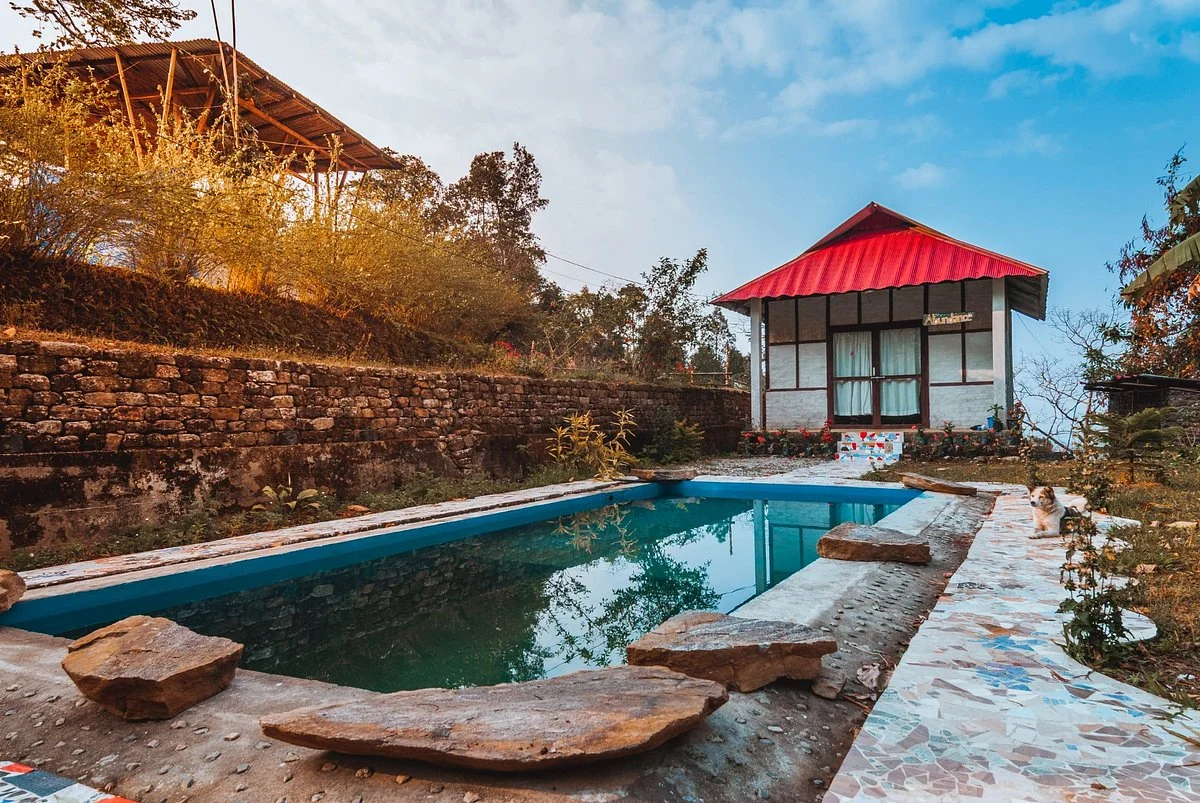
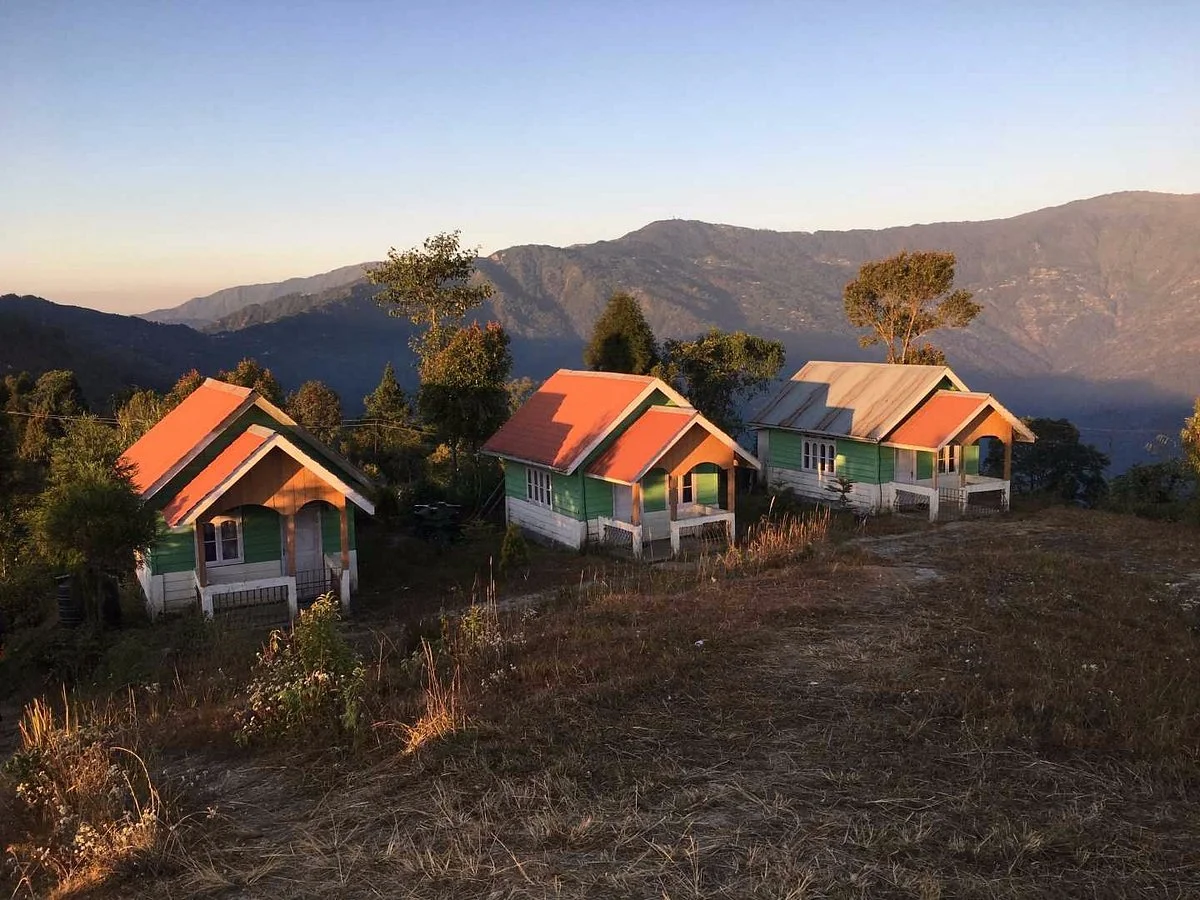
Darjeeling has a large number of hotels and lodges. However, on the whole, budget accommodation is of poor value compared to elsewhere in India. Most places target groups coming in from West Bengal; backpacker-oriented accommodation is sparse and you probably won't get touts coming to pick you up at the bus stop so it pays to have a few ideas in advance.
There are several forest guesthouses in the Darjeeling area. In order to stay at any of these a special permit from West Bengal Forest Department is required.
= The nearest international airport is Bagdogra () in Siliguri, 96 km from Darjeeling. There are flights from Bangkok, Paro and to most major cities in India.
Darjeeling is a small town and the salubrious climate means walks around town are an extremely enjoyable means of getting around. For longer trips, taxis are available in stands near the entrance to the Supermarket.
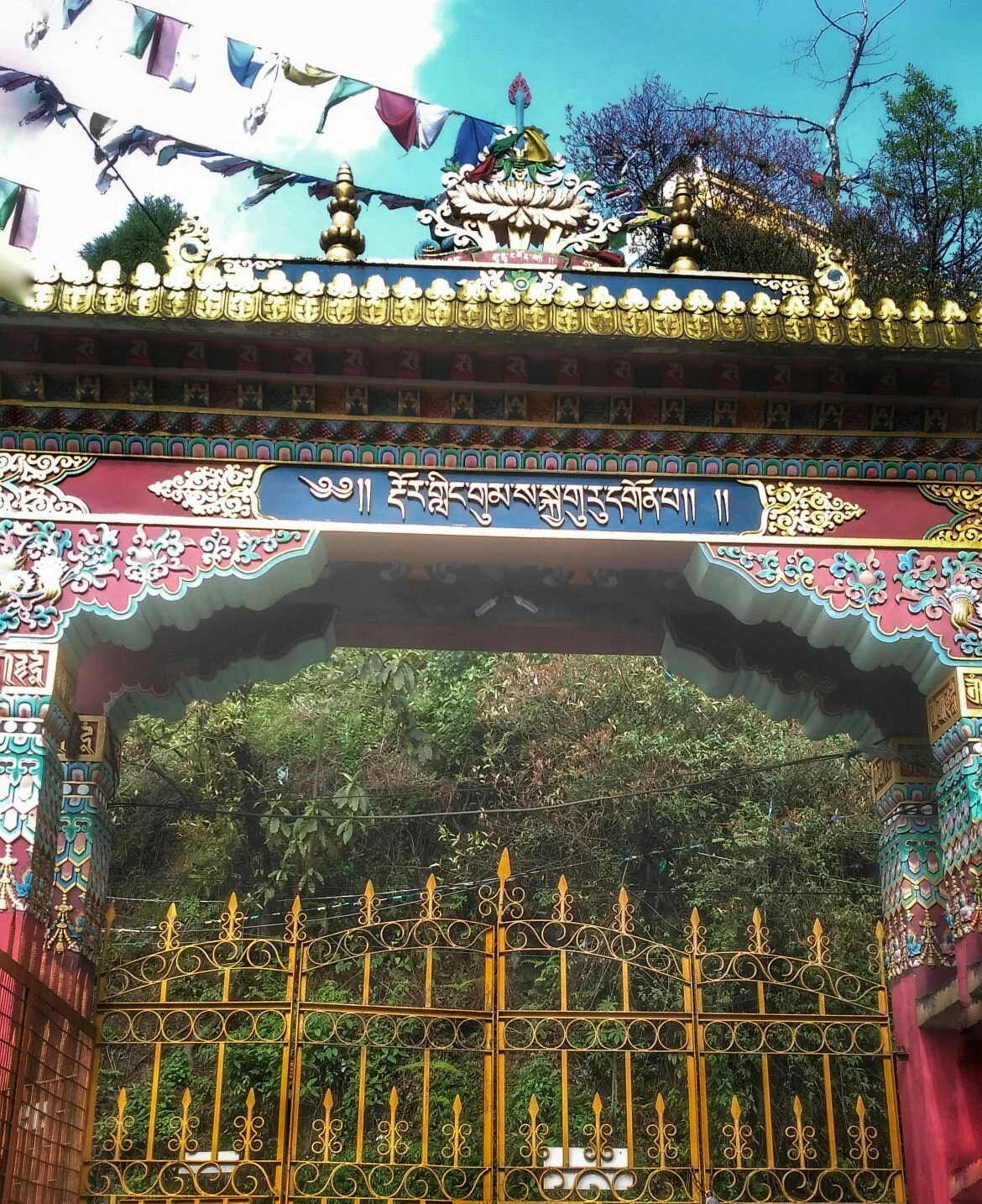
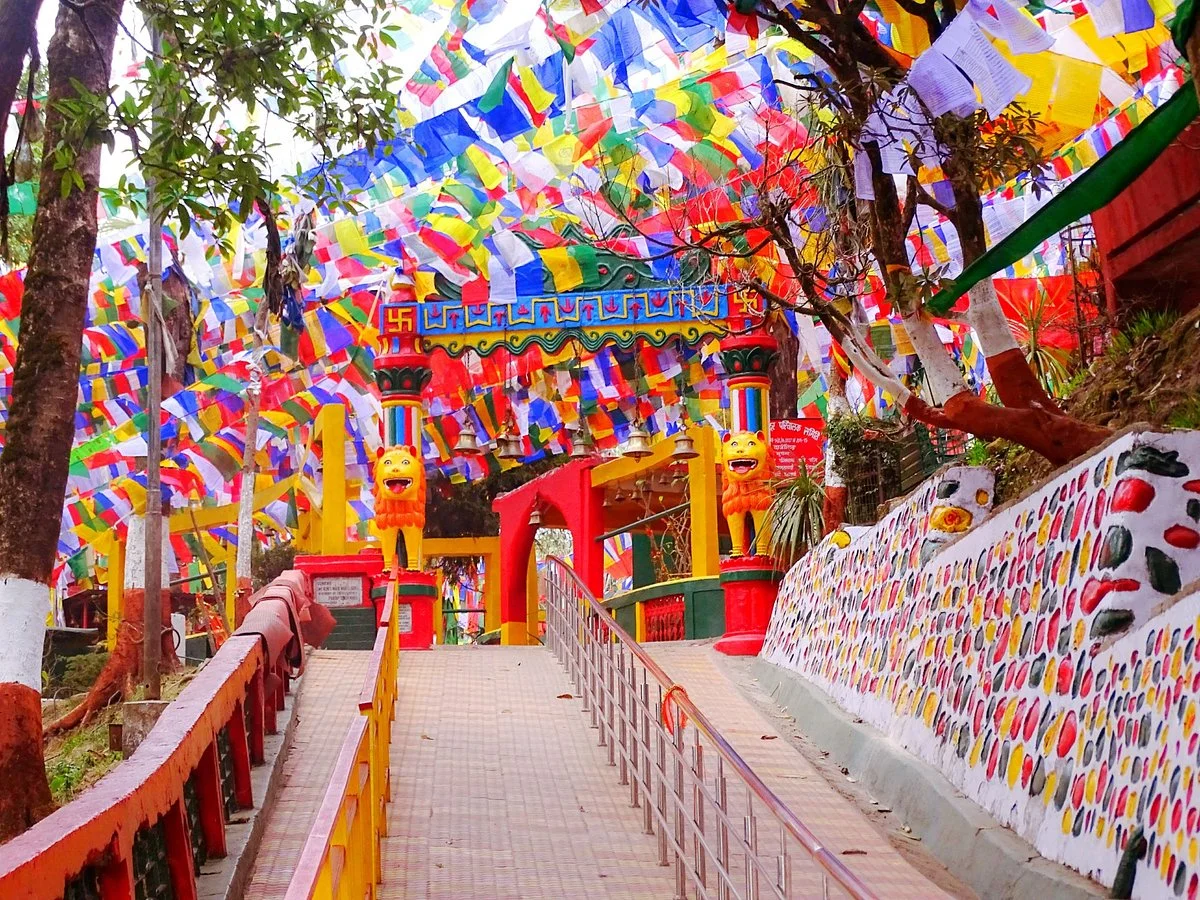
A great way to spend a day is to take a share-terrain vehicle to Ghum, visit some monasteries there and walk back via some of the villages.
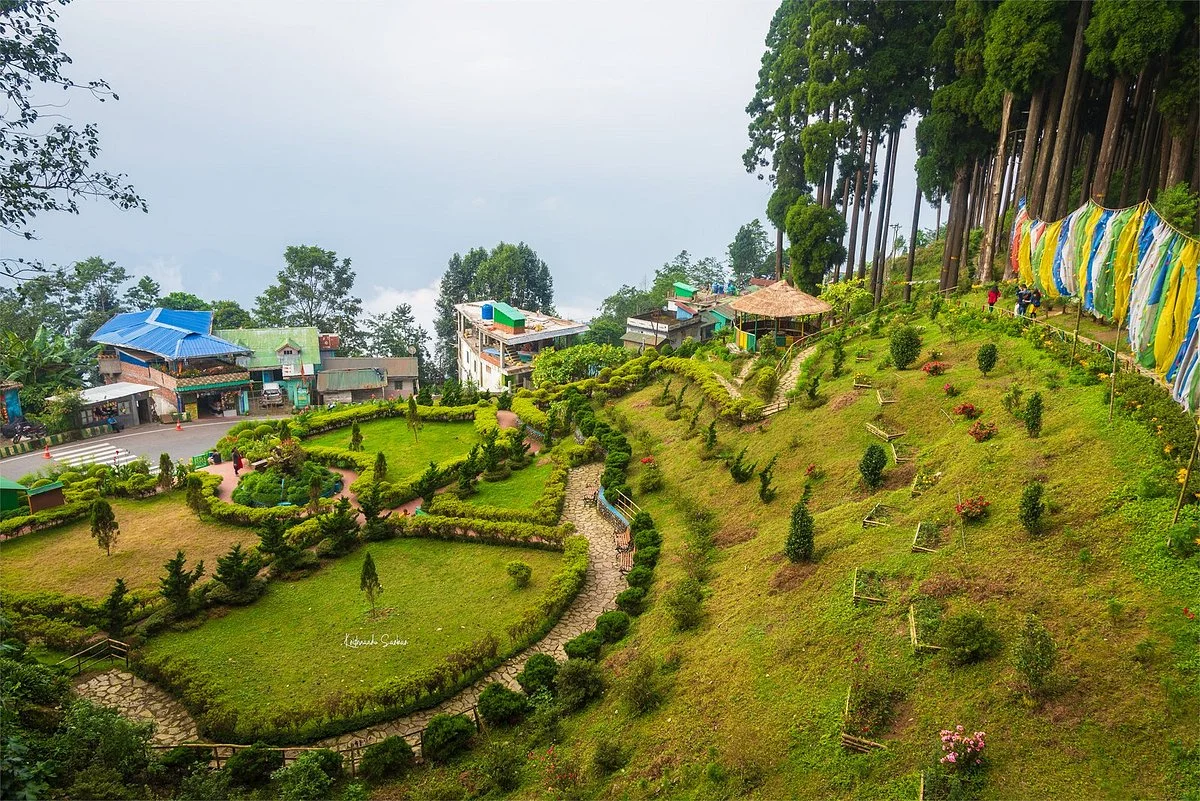
One can also walk to the botanical garden and spend a few pleasant hours appreciating nature, then there is a rock garden, which is very much at a (slightly longish) walkable distance. One can also walk to the zoo and then to the ropeway at North Point. A walk to the Peace Pagoda and then to Jalapahar is also quite refreshing. Have a leisurely walk on the Mall road and relax for hours in the soothing sun at Chowrasta.