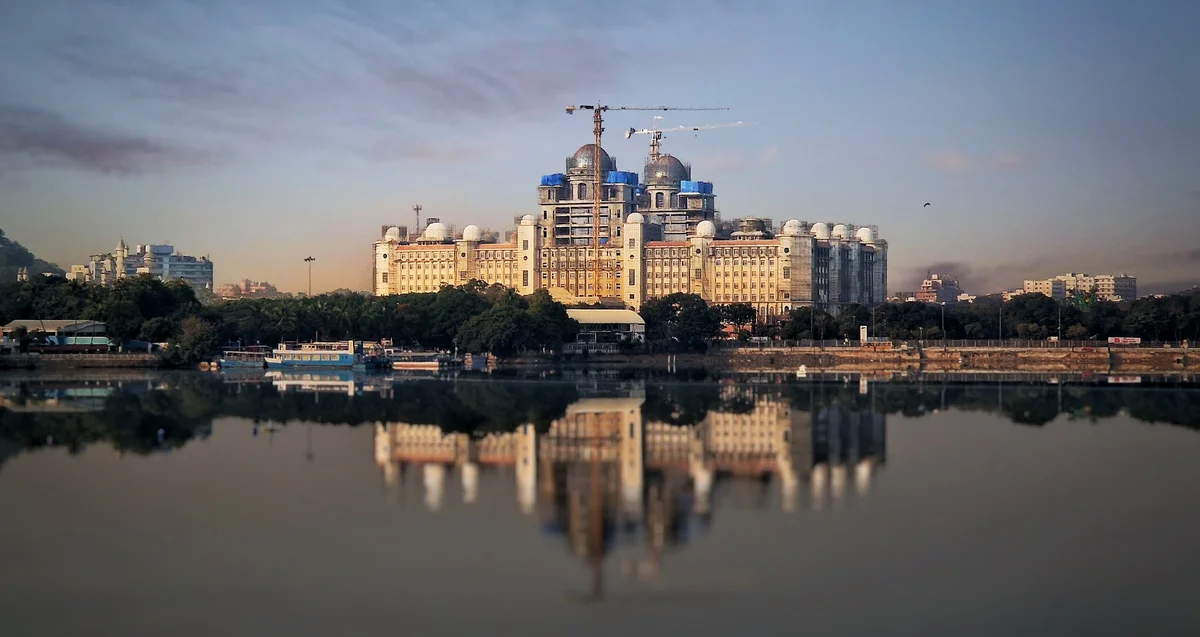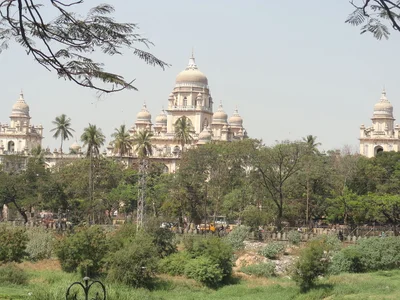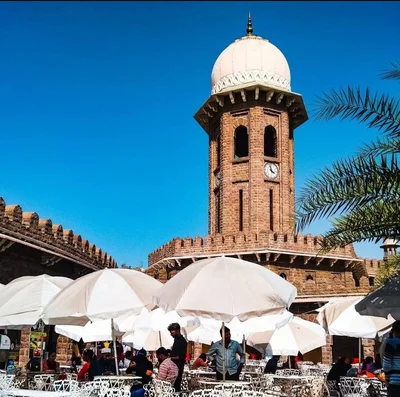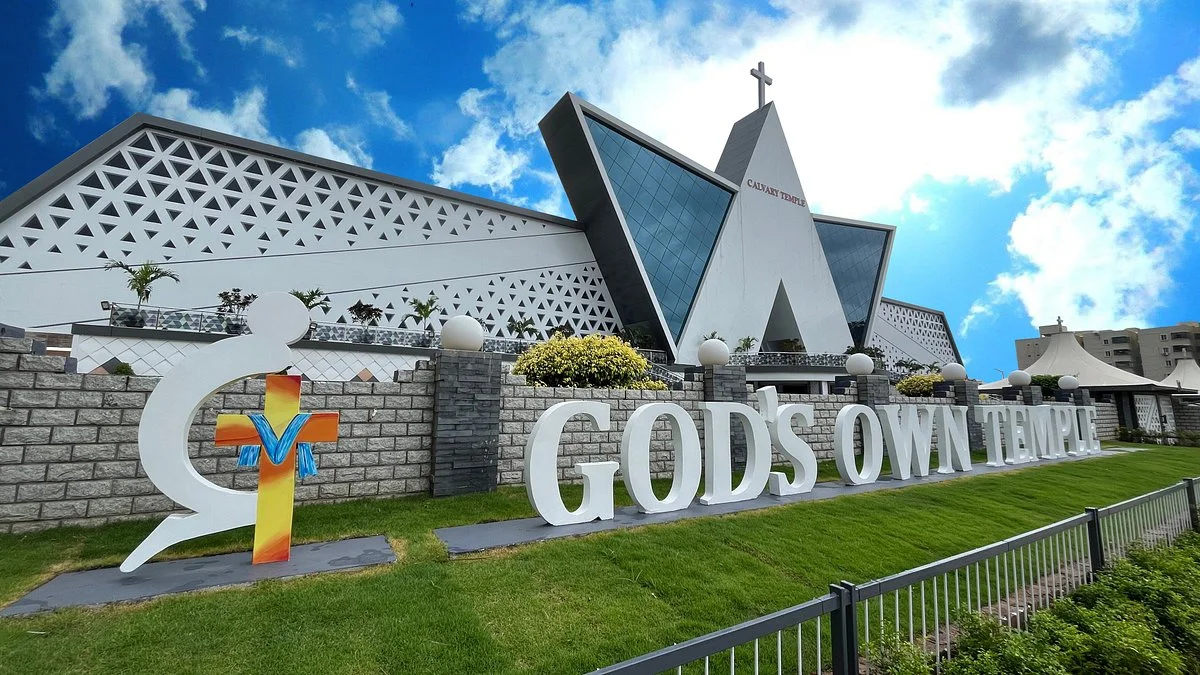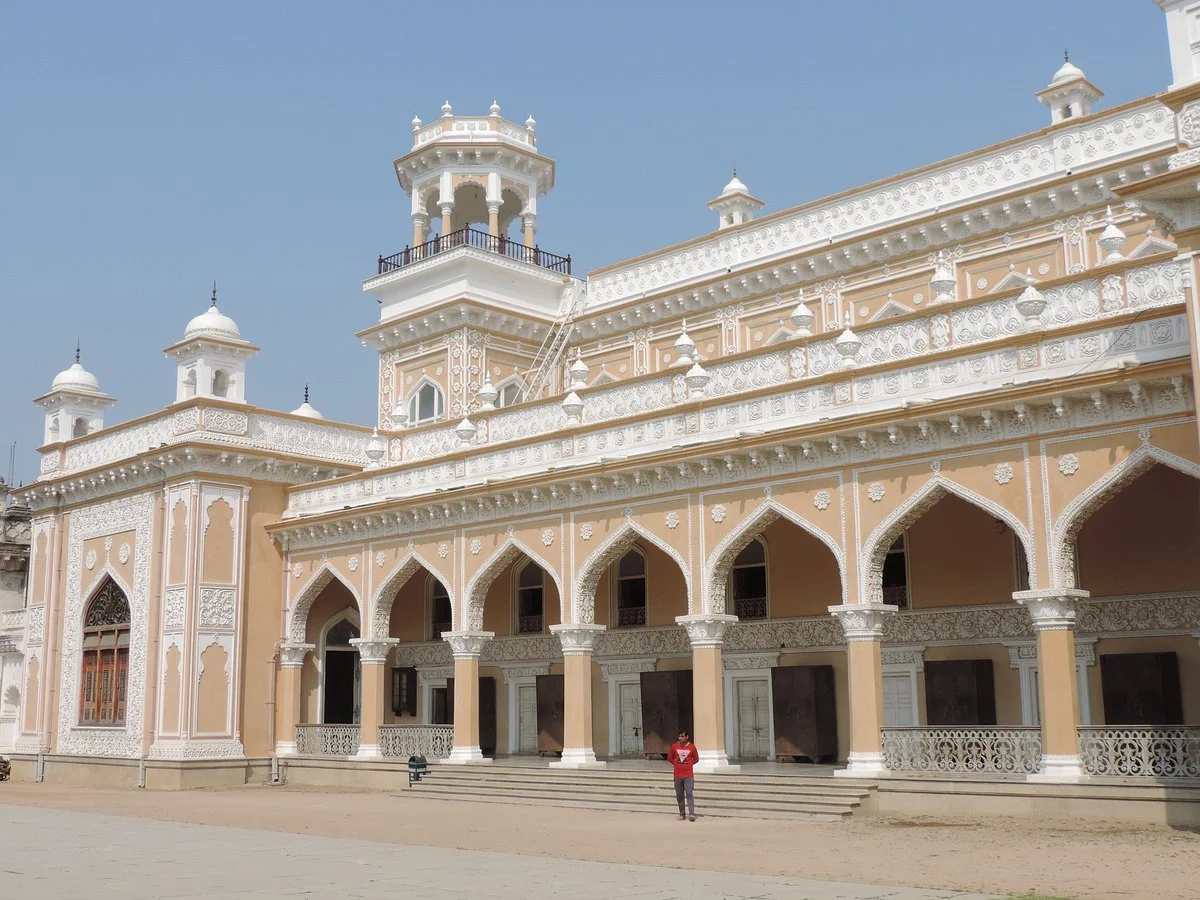
Hyderabad ( HY-dər-ə-bad; Telugu: [ˈɦaɪ̯daraːbaːd], Urdu: [ˈɦɛːdəɾaːbaːd]) is the capital and largest city of the Indian state of Telangana. It occupies 650 km2 (250 sq mi) on the Deccan Plateau along the banks of the Musi River, in the northern part of Southern India. With an average altitude of 542 m (1,778 ft), much of Hyderabad is situated on hilly terrain around artificial lakes, including the Hussain Sagar lake, predating the city's founding, in the north of the city centre. According to the 2011 Census of India, Hyderabad is the fourth-most populous city in India with a population of 6.9 million residents within the city limits, and has a population of 9.7 million residents in the metropolitan region, making it the sixth-most populous metropolitan area in India. With an output of US$74 billion, Hyderabad has the fifth-largest urban economy in India.
The Qutb Shahi dynasty's Muhammad Quli Qutb Shah established Hyderabad in 1591 to extend the capital beyond the fortified Golconda. In 1687, the city was annexed by the Mughals. In 1724, Asaf Jah I, the Mughal viceroy, declared his sovereignty and founded the Asaf Jahi dynasty, also known as the Nizams. Hyderabad served as the imperial capital of the Asaf Jahis from 1769 to 1948. As capital of the princely state of Hyderabad, the city housed the British Residency and cantonment until Indian independence in 1947. Hyderabad was annexed by the Indian Union in 1948 and continued as a capital of Hyderabad State from 1948 to 1956. After the introduction of the States Reorganisation Act of 1956, Hyderabad was made the capital of the newly formed Andhra Pradesh. In 2014, Andhra Pradesh was split to form the state of Telangana, and Hyderabad became the joint capital of the two states with a transitional arrangement scheduled to end in 2024. Since 1956, the city has housed the Rashtrapati Nilayam, the winter office of the president of India.
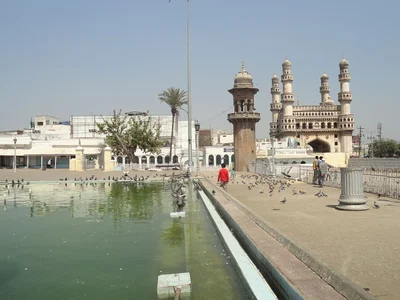
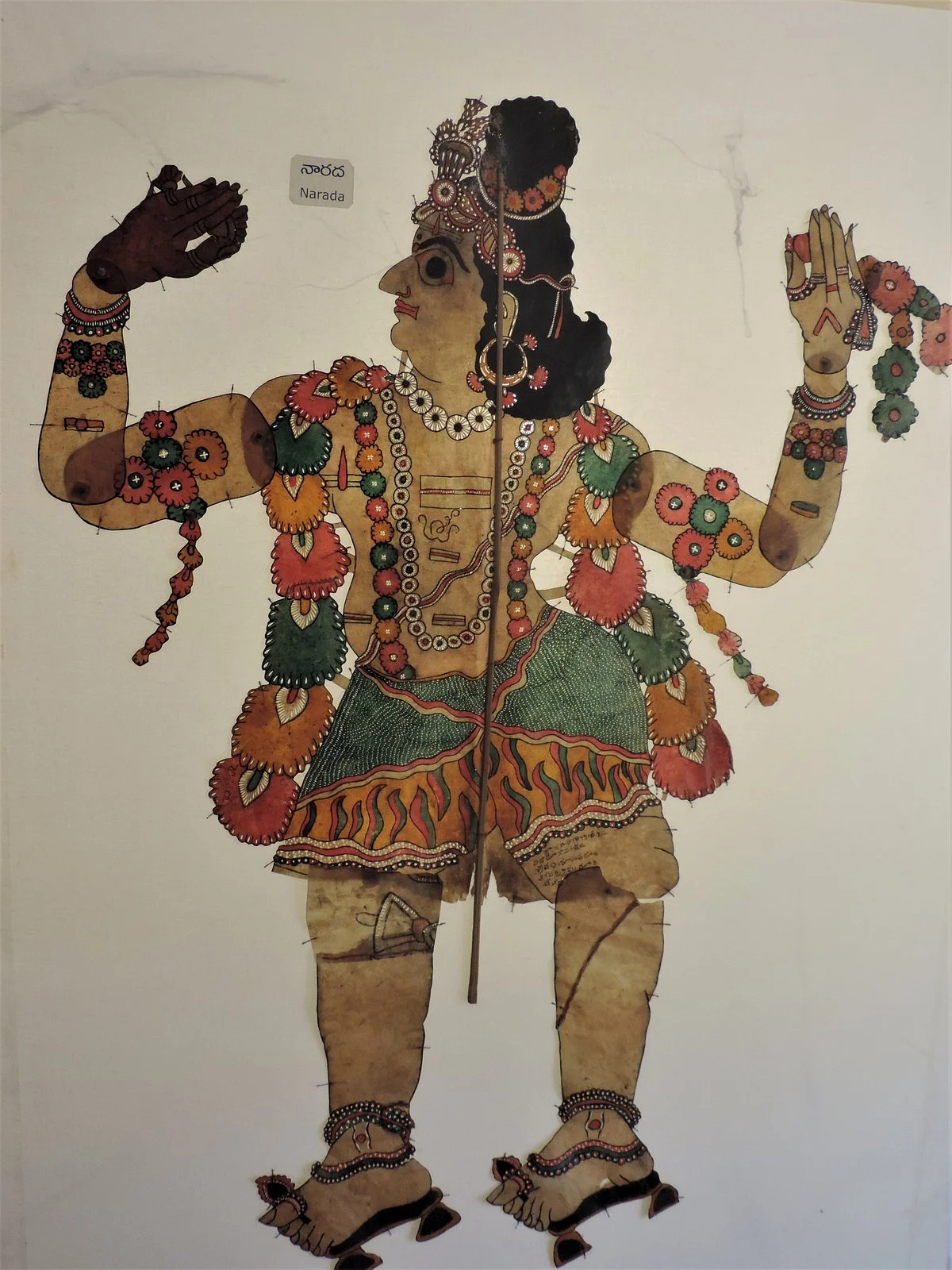
Relics of the Qutb Shahi and Nizam eras remain visible today; the Charminar has come to symbolise the city. By the end of the early modern era, the Mughal Empire had declined in the Deccan, and the Nizam's patronage attracted men of letters from various parts of the world. A distinctive culture arose from the amalgamation of local and migrated artisans, with painting, handicraft, jewellery, literature, dialect and clothing prominent even today. For its cuisine, the city is listed as a creative city of gastronomy by UNESCO. The Telugu film industry based in the city is the highest-grossing film industry in India as of 2021.
Until the 19th century, Hyderabad was known for the pearl industry and was nicknamed the "City of Pearls", and was the only trading centre for Golconda diamonds in the world. Many of the city's historical and traditional bazaars remain open. Hyderabad's central location between the Deccan Plateau and the Western Ghats, and industrialisation throughout the 20th century attracted major Indian research, manufacturing, educational and financial institutions. Since the 1990s, the city has emerged as an Indian hub of pharmaceuticals and biotechnology and information technology. The formation of the special economic zones of Hardware Park and HITEC City, dedicated to information technology, has encouraged leading multinationals to set up operations in Hyderabad.
As you would expect from a city with a rich heritage, Hyderabad has many historical monuments, but there is much more to see. While the specific attractions are on the district pages, here is a quick rundown of attractions to visit and where they are located:
Many resorts and amusement parks offer adventure sports, watersports and other rides. While some are located within the city, most are found on the outskirts.
No visit to Hyderabad would be complete without sampling its unique cuisine, a rich blend of royal Mughlai flavours, Nizams special, and spice-up culinary traditions of South India such as: Hyderabadi biryani, pathar-ka-ghosht, nahari, haleem, double-ka-meetha, khubani-ka-meetha, seviyon-ka-meetha and kheer.
A popular dish of Hyderabad is biryani. It is prepared with a blending of Mughal kitchen and the style of cooking practised by the Nizams. Hyderabadi biryani has a distinct aroma. Garnished with pudina, fried onion & boiled eggs. Mostly it is served with dahi-ki-chutney and mirchi-ka-salan. Biryani was traditionally made with goat meat, but in modern times it has many variants like lamb biryani, chicken biryani, biryani khaam, biryani zard or zafrani or the most exotic of all joban malti biryani in which mutton, partridges and quails were cooked with rice.
There are many stories about biryani. One of them says, in 1398 legend Turk-Mongol conqueror Timur brought a pot full of rice to feed this army.
Culinary delicacies of Hyderabad include:
Street food in Hyderabad is better than most other cities in India and it is cheap.
There is plenty to do at night in Hyderabad, though local regulations have most places serving last drinks by 23:00. On weekdays, drinks in the some of the pubs have best offers, as most clubs are empty until Thursday or Friday nights, when the clubbers emerge. But the sheer number of nightlife spots makes it hard to choose which ones to list. As a general rule they tend to be clustered around Begumpet (Secunderabad) and Road No.1, Banjara Hills (Central).
Alcohol is available easily from numerous liquor shops, known as wine shops in local parlance, spread across the twin cities, in restaurants with bars attached (includes most upscale ones) and in pubs.
Warning: Drunken driving is not tolerated and police enforce the rule strictly. After 23:00 almost all the roads have police patrols and check drunk driving. If caught you may end up paying fines, apart from vehicle being seized and couple of rounds to police station in worst scenarios.
Some of the good pubs and bars are part of hotels, and they have been covered along with their hotel listing under Sleep.
Supermarkets in Hyderabad include Spencer's, Big Bazaar, Heritage Fresh, Ikea https://www.ikea.com/in/en/stores/hyderabad/, Metro Cash & Carry, Reliance Fresh, D Mart, Monarch Ergo lulu, Ratnadeep, Ushodaya and others. Most of them have multiple locations.
Accommodation in Hyderabad is unlikely to bust your budget, especially when compared to cities like Mumbai or Bangalore, and rooms are usually easily available. However, because the city sprawls so much, you need to be careful about the hotel location if you want to avoid a long commute and traffic bottlenecks.
Plentiful budget accommodation is to be found around the Nampally railway station and in Abids, Koti and other new city areas for a few hundred rupees a day, and tourist attractions aren't very far off. However the facilities tend to be basic, the towels aren't necessarily clean and air-conditioning tends to be extra. It might make sense to pay a little more and choose mid-range accommodation. The area around Hussain Sagar Lake, Begumpet, Punjagutta, Somajiguda, Banjara Hills and Lakdi-ka-Pul are close to both tourist attractions of the old city and the business areas of the new city. Hotels in Secunderabad might be slightly far for the tourist, but may still work for the business traveller.
Hotel rooms tend to be expensive and scarce closer to HITEC City, and commuting from any of the above areas, except perhaps Banjara Hills, is not a good option because of the traffic. Areas around HITEC City, are Madhapur, Kondapur and Gachibowli. For longer term stays, you might want to consider serviced apartments.
=
As you would expect from a major international airport, there is good domestic as well as international connectivity from many locations. It is far from the city, and with the exception of Novotel, there aren't any good hotels close by. Road connectivity to the city is excellent, though. The Nehru Outer Ring Road Expressway connects to the airport - take exit 16. The P V Narasimha Rao Expressway connects the airport with Mehdipattnam in South Hyderabad.
There are multiple options to get into the city.
The Pushpak - Airport Liner, an air-conditioned bus service operated by the Telangana government, goes to various designated points - Secunderabad (Jubilee Bus Station), Miyapur, BHEL and the Mahatma Gandhi Bus terminal (Imlibun) near Charminar. These routes cover most major areas of the city. The airport website has detailed information about pickup and stop points, along with timings. Tickets cost between ₹106 and ₹265 depending on the bus stop. The frequency of the buses is 10-40 minutes depending on time of the day and route.
Meru and Sky cabs are the two metered cab services approved by the airport @ ₹20/km. You can book your rides at counters in the airport departure area and they are available just after exiting the terminal building. The two major app-based ride-hailing services, Ola and Uber, are also available. You can book your ride using the app at the baggage carousel, walk into the designated area where the cabs are waiting and get into any that is available.
There is a pre-paid taxi counter operated by the Hyderabad Traffic Police. That is also a good option. Another pre-paid option, available only for women, is the She Cab, a government service that features cabs driven only by women drivers. You can avail yourself of this service as long as at least one of the passengers is a woman. Beware of taxi soliciting touts at the airport greeting area; they will try to charge exorbitant rates.
There are other counters where you can hire a taxi. These may be on the more expensive side, but the cars will be more luxurious.
Hyderabad's public transport options have been increasing over the years. It has an overcrowded bus network, and a rudimentary local train network. In the past 5 years, it has got its own elevated metro rail service that provides fast and cheap connectivity to some areas.
The ubiquitous yellow and black auto-rickshaws have now been supplemented by the app-based taxi services that provide fairly good service all over the city. Driving yourself around the city may be an excellent option or a terrible choice depending on which areas you want to go to, and how comfortable you are with other people driving like utter lunatics.