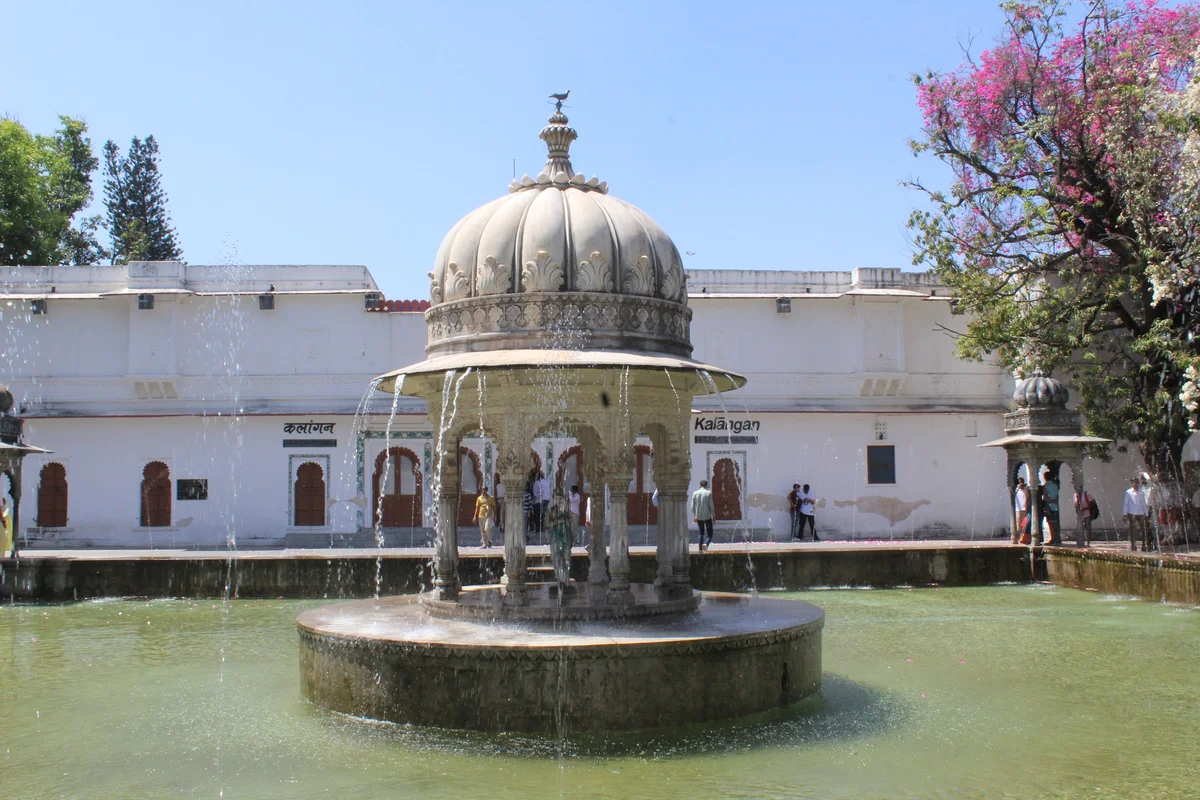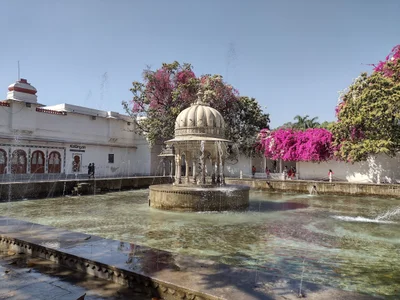
Udaipur (Hindi: IPA: [ʊdəjpʊɾ], ) (ISO 15919: Udayapura) is a city in the north-western Indian state of Rajasthan, about 415 km (258 mi) south of the state capital Jaipur. It serves as the administrative headquarters of Udaipur district. It is the historic capital of the kingdom of Mewar in the former Rajputana Agency. It was founded in 1559 by Udai Singh II of the Sisodia clan of Rajputs, when he shifted his capital from the city of Chittorgarh to Udaipur after Chittorgarh was besieged by Akbar. It remained as the capital city till 1818 when it became a British princely state, and thereafter the Mewar province became a part of Rajasthan when India gained independence in 1947. It is also known as the City of Lakes, as it is surrounded by five major artificial lakes.The city is located in the southernmost part of Rajasthan, near the Gujarat border. It is surrounded by the Aravali Range, which separates it from the Thar Desert. It is placed close to the median point between two major Indian metro cities, around 660 km from Delhi and 800 km from Mumbai. Besides, connectivity with Gujarat ports provide Udaipur a strategic geographical advantage. Udaipur is well connected with nearby cities and states by means of road, rail and air transportation facilities. The city is served by the Maharana Pratap Airport. Common languages spoken include Hindi, English and Rajasthani (Mewari).
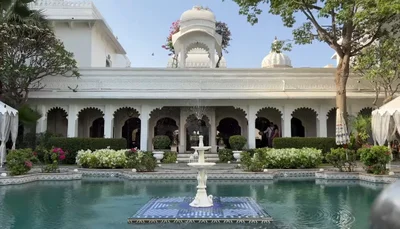
Dubbed "the most romantic spot on the continent of India" by British administrator James Tod, Udaipur is a tourist destination and is known for its history, culture, scenic locations and the Rajput-era palaces. It has seven lakes surrounding the city. Five of the major lakes, namely Fateh Sagar Lake, Lake Pichola, Swaroop Sagar Lake, Rangsagar, and Doodh Talai Lake, have been included under the restoration project of the National Lake Conservation Plan (NLCP) of the Government of India. Besides lakes, Udaipur is also known for its historic forts and palaces, museums, galleries, natural locations and gardens, architectural temples, as well as traditional fairs, festivals and structures. Due to the several lakes present here, it is sometimes dubbed "Venice of the East". Udaipur economy is primarily driven by tourism, though minerals, marble processing, chemical manufacturing and development, electronic manufacturing and the handicraft industry are also contributors. Udaipur hosts several state and regional public offices, including offices of Director of Mines and Geology, Commissioner of Excise, Commissioner of Tribal Area Development, Hindustan Zinc Limited, and Rajasthan State Mines and Mineral Corporation Limited. Besides, Udaipur is rising as educational hub as well, with 5 Universities, 14 colleges and more than 160 high schools. Udaipur is home to IIM Udaipur, the fifth best management institution in the country according to NIRF ranking released by the MHRD.
Udaipur is famous for its spicy snacks such as mirchi bada and kachori. Other common local cuisines include Dal Baati Churma (Lentils and rice), Pyaz Kachori (onion/flour balls), and Gatte Ki Sabzi (gram flour dumplings with curry). These are common on the menu of just about every restaurant and should definitely be eaten!
Cooking classes are also commonly offered in Udaipur.
There are a couple Thali restaurants where you can get unlimited servings of a selection of Rajasthani and Gujarati dishes (rotis, savoury bites, daals, vegetables, rice, sweets and more). There are also American fast food restaurants such as McDonald's and Subway in the Celebration Mall (see listing above). Outside of the old town, you can find street stalls selling cheap chaat (Indian fast food).
There are many rooftop restaurants with romantic views of Lake Pichola. However, in all cases, you will usually have to walk up several flights of stairs to get to them.
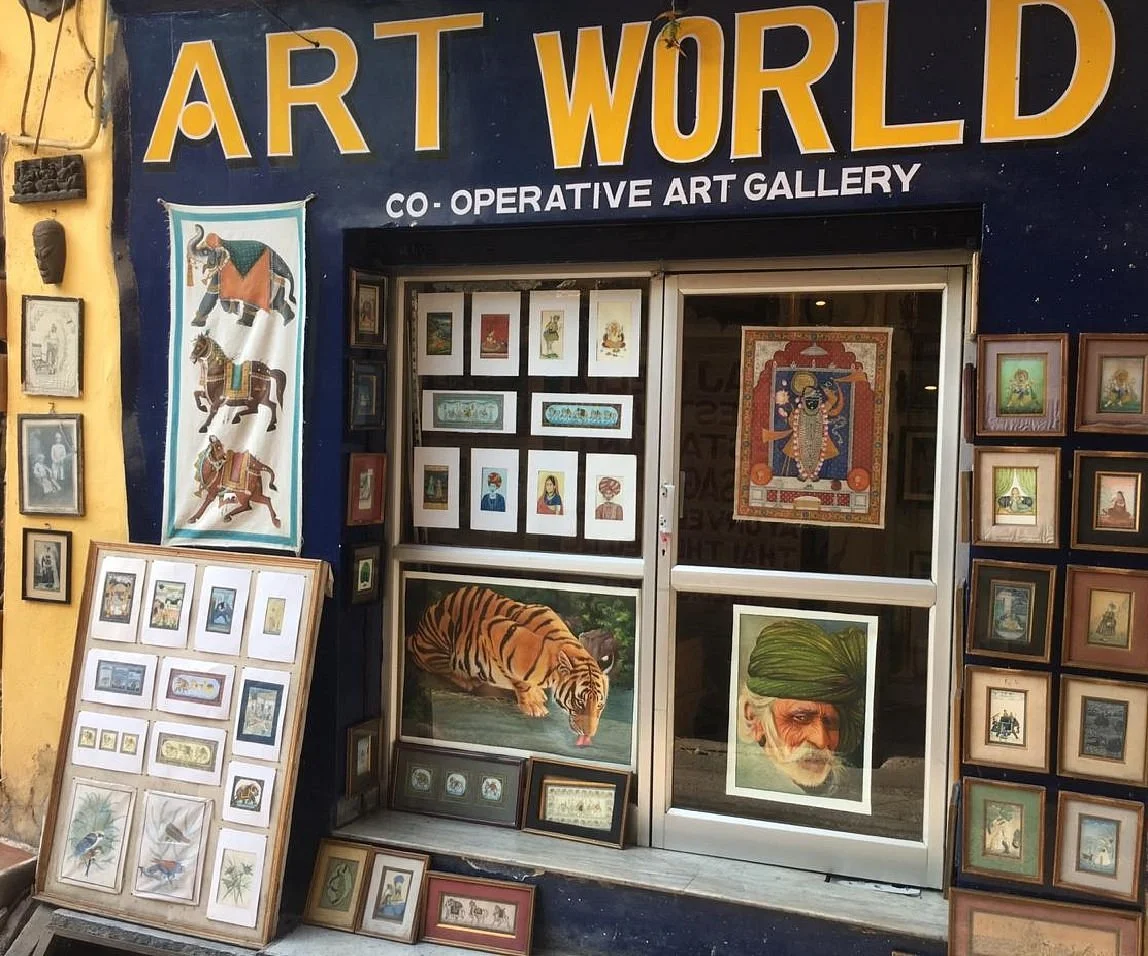
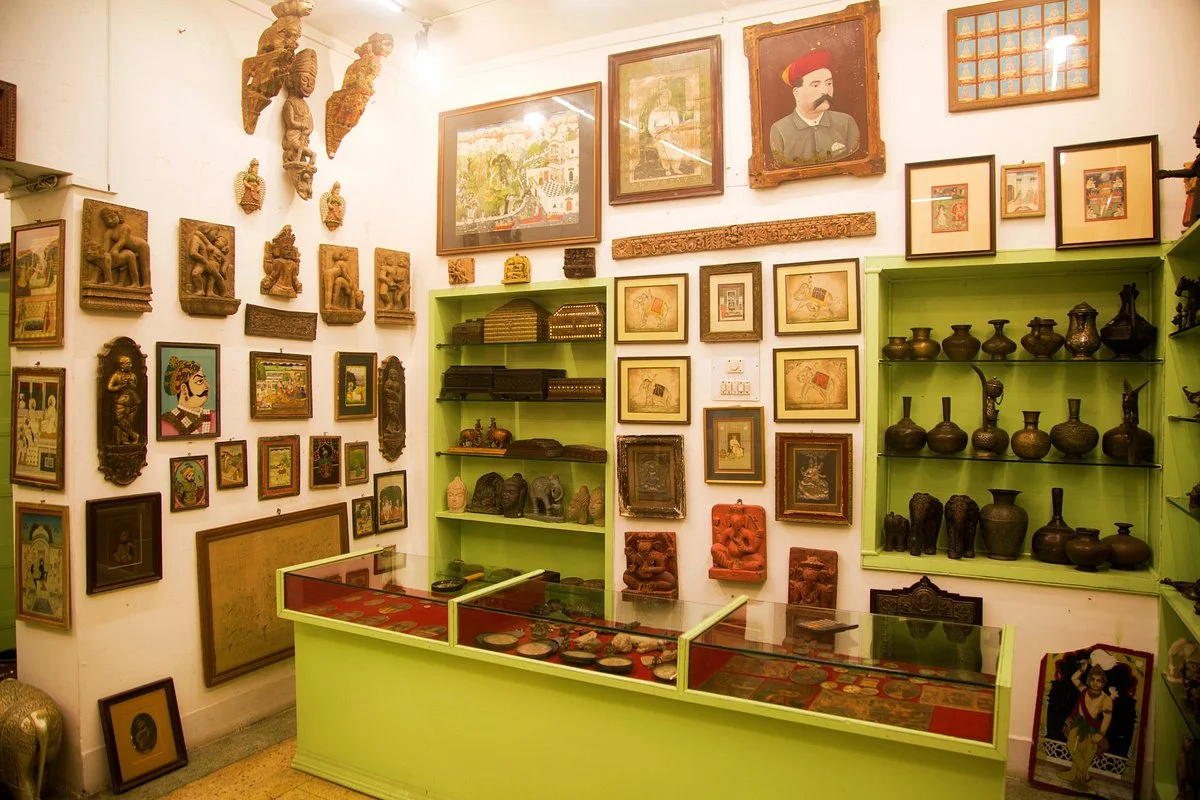
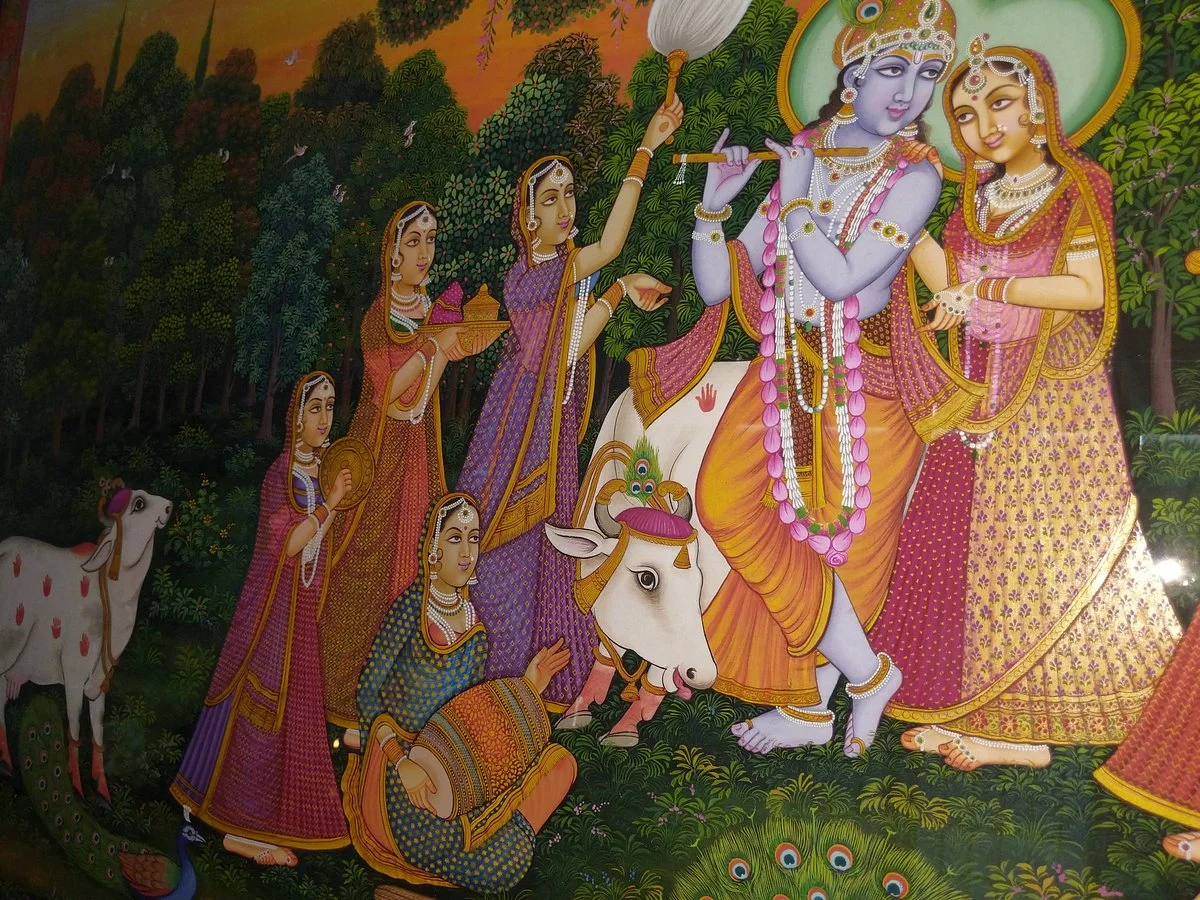
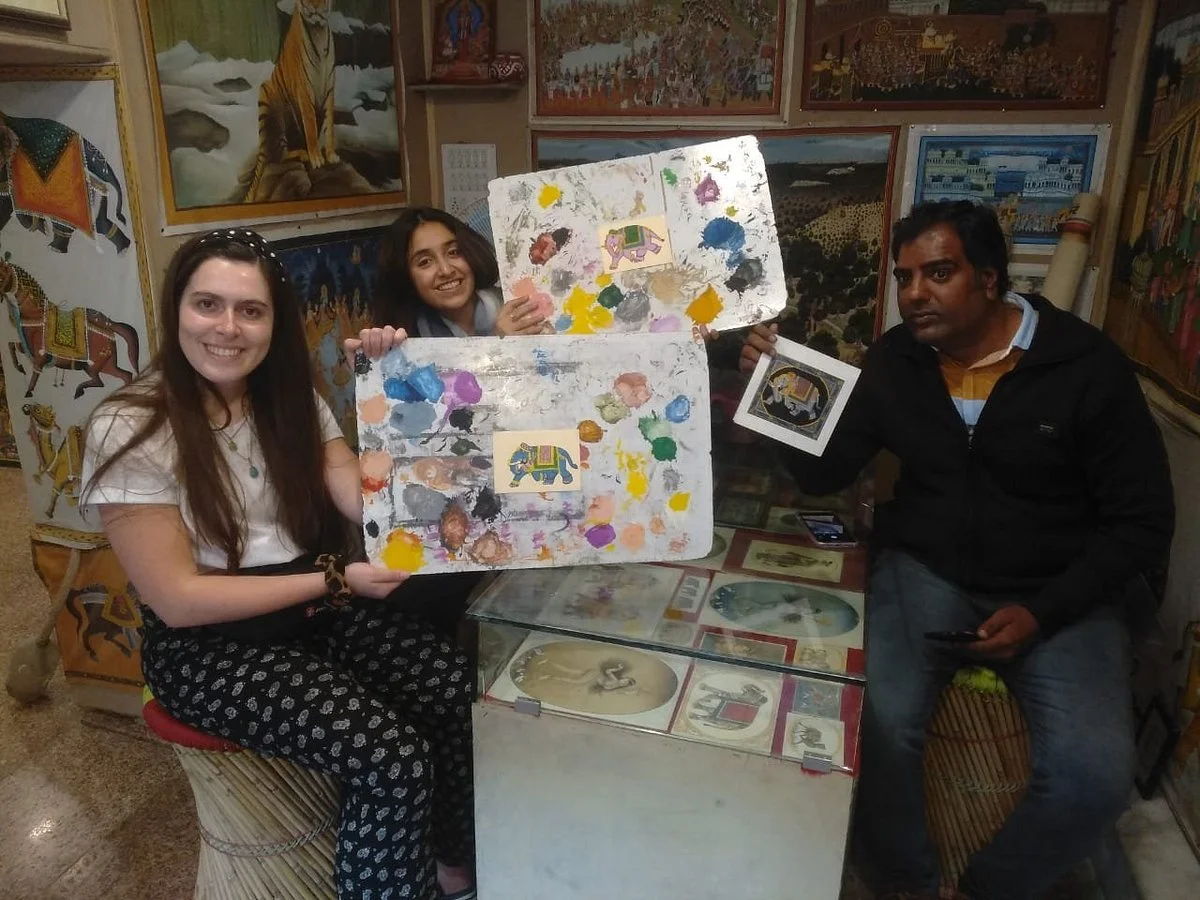
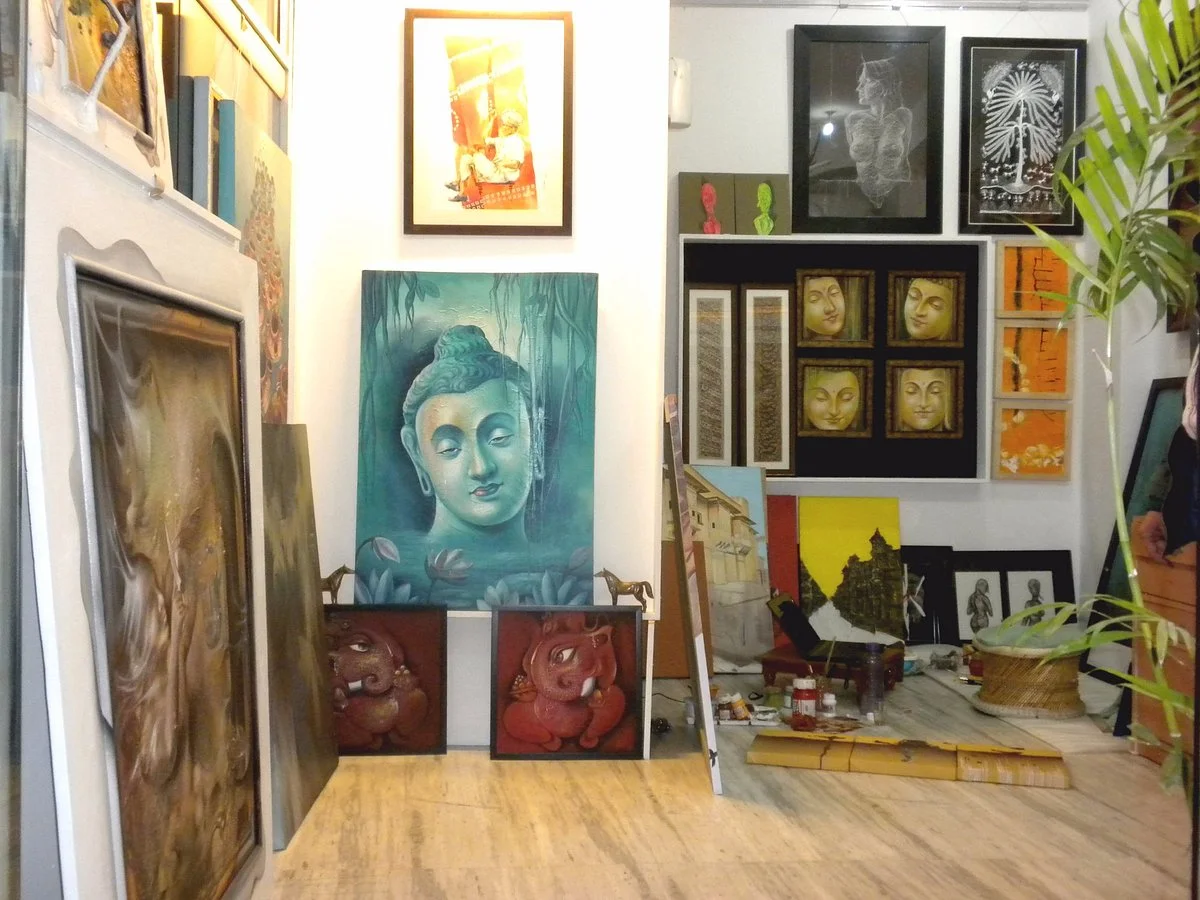
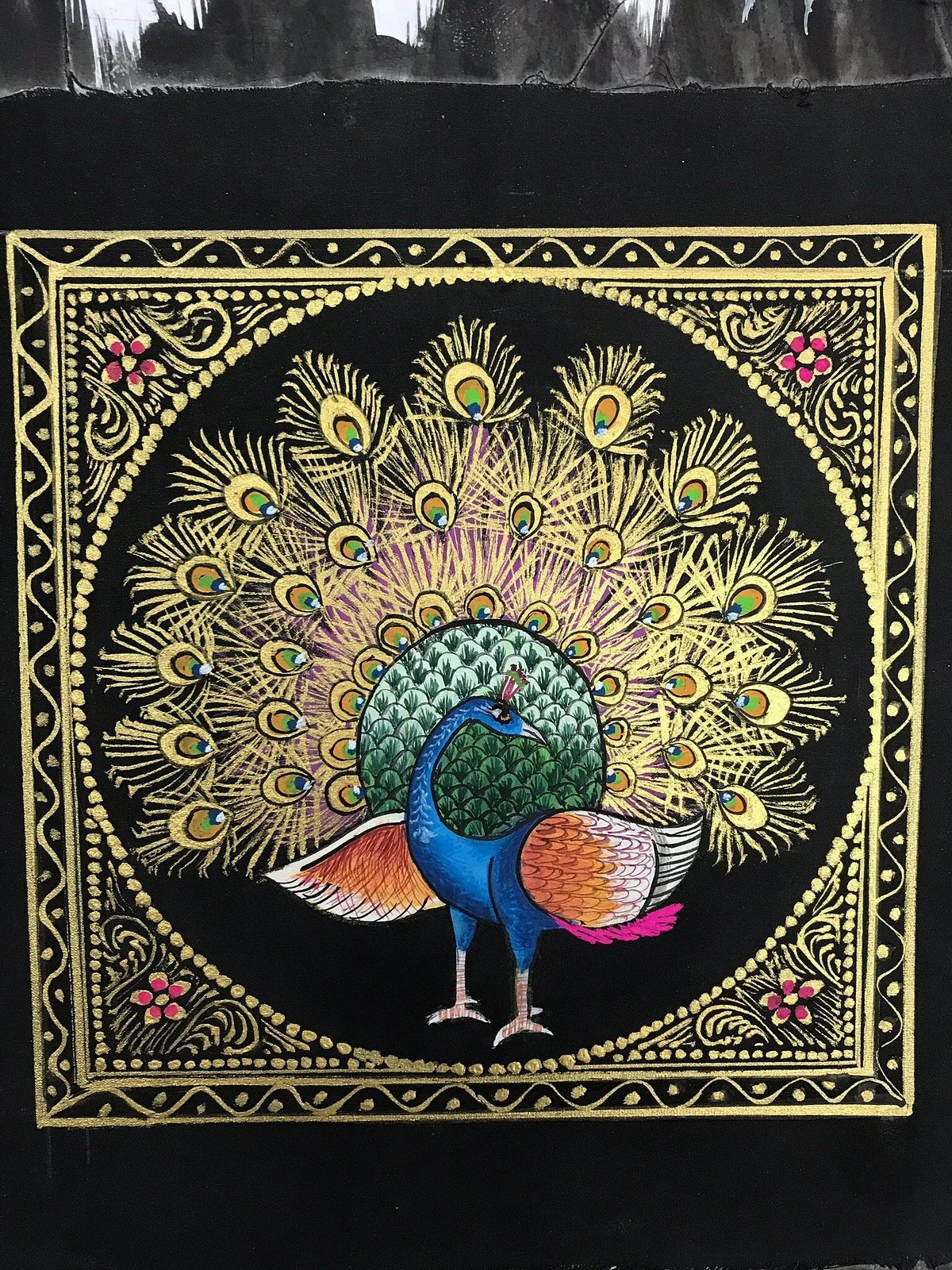
Udaipur is particularly famous for its miniature paintings inspired by style of Rajputs and Mughals. You are unlikely to find these items elsewhere in India. These cost as little as ₹100 and make a beautiful gift or keepsake. Items such as handicrafts, pottery, jewelry, wooden toys, antique items and paintings are easily available in the tourist area. Other popular purchases include toys, bewitching puppets, wall hangings, pen stands, cloth lanterns, handmade papers, painted wooden boxes and greeting cards, pottery in both metal and adobe, pots, plates, vessels and containers, brassware, and terracotta sculptures.
Udaipur also has typical bazaars including Hathi Pol, Bada Bazaar, Chetak Circle, Bada Bazaar and Palace Road.
Udaipur has a wide range of accommodation options.
While most of the city can be covered on foot and the narrow alleyways in the old city make any other form of transportation a hassle, a taxi or autorickshaw/tuk-tuk is necessary to reach the Monsoon Palace or the wilderness park. A tuk-tuk will usually cost around ₹50, and should never cost more than ₹100 within the city. App-based cab hailing services like Uber and Ola are becoming increasingly popular since they generally cost lower than the tuk-tuk and require no fare-haggling Also there are many local taxi providers.