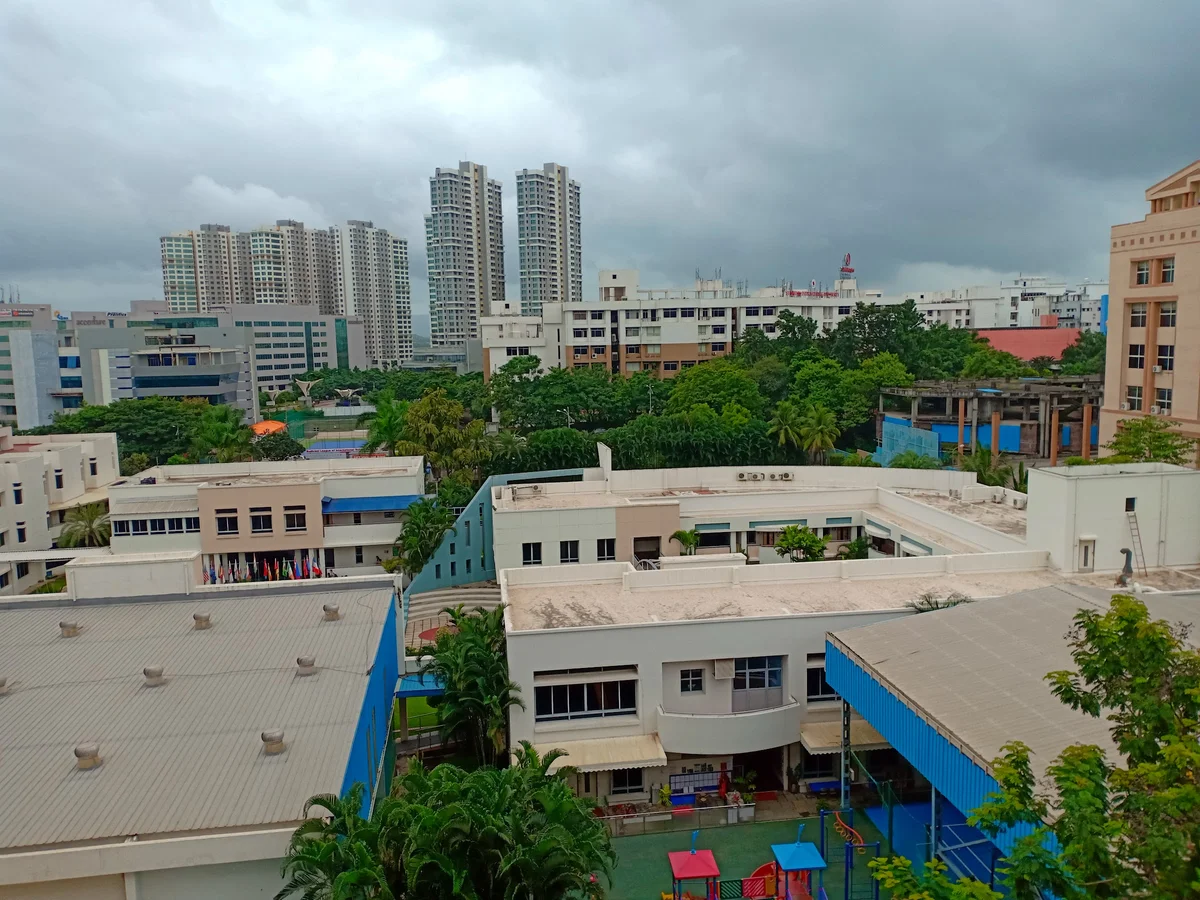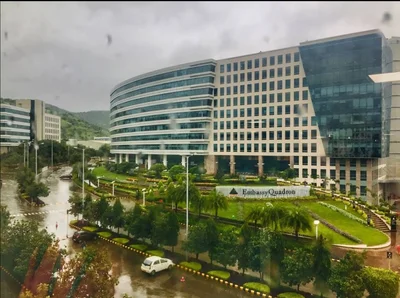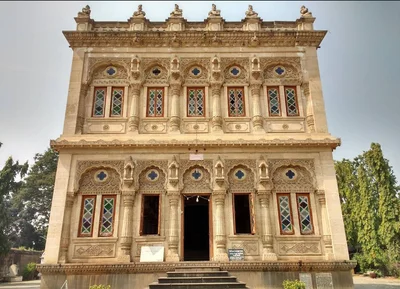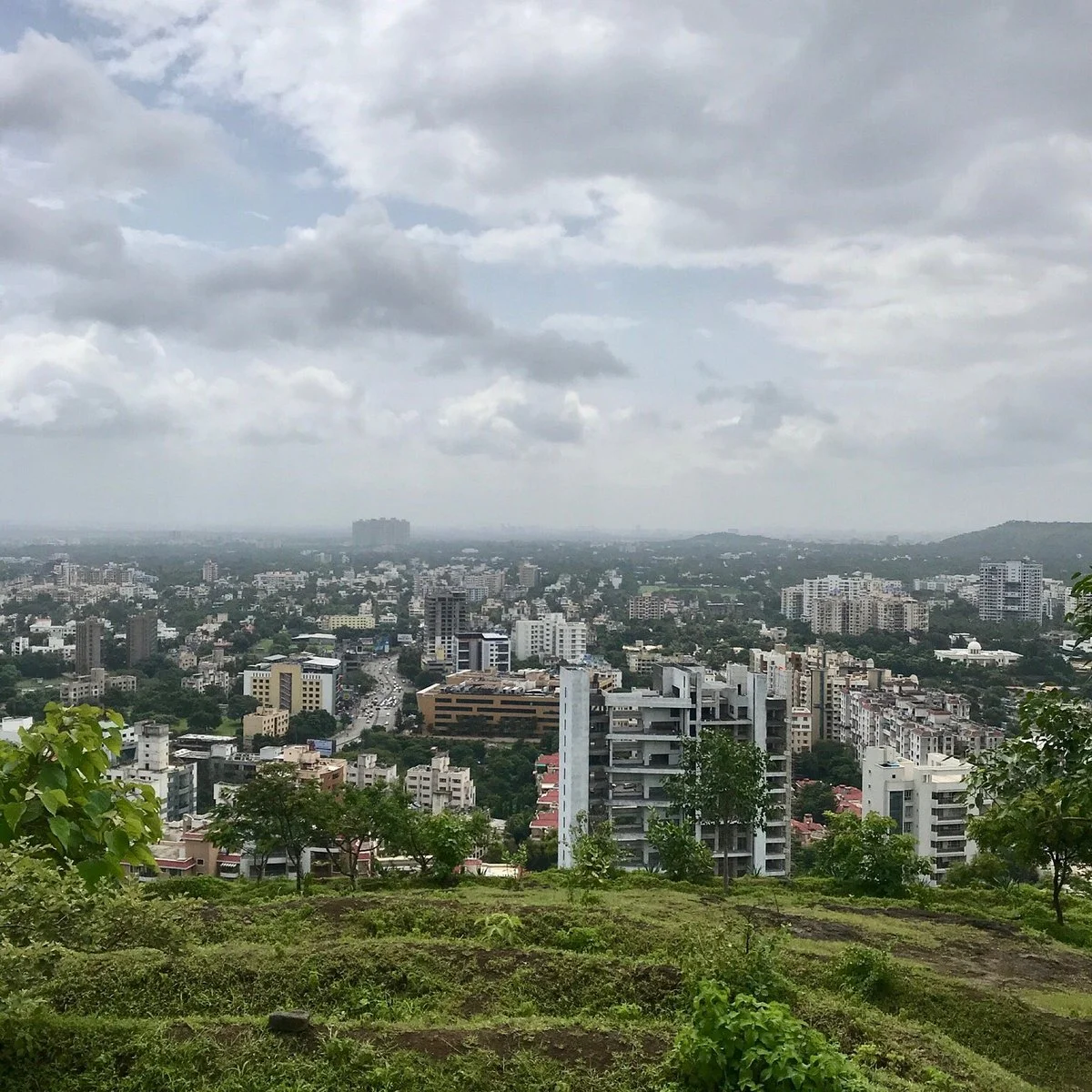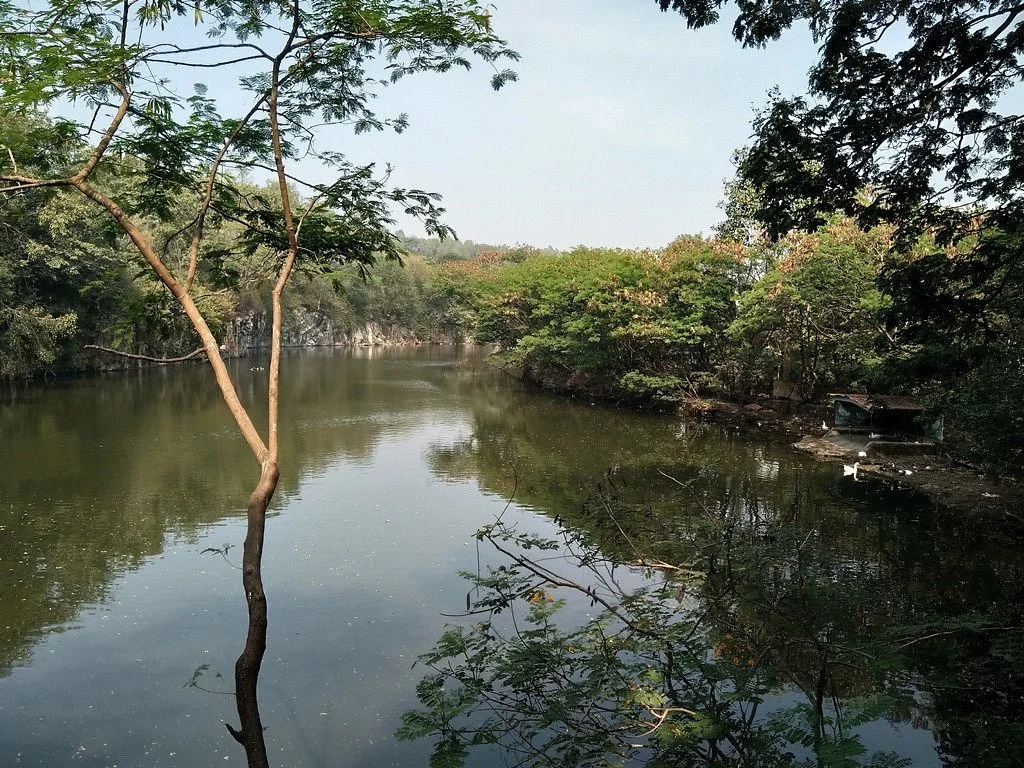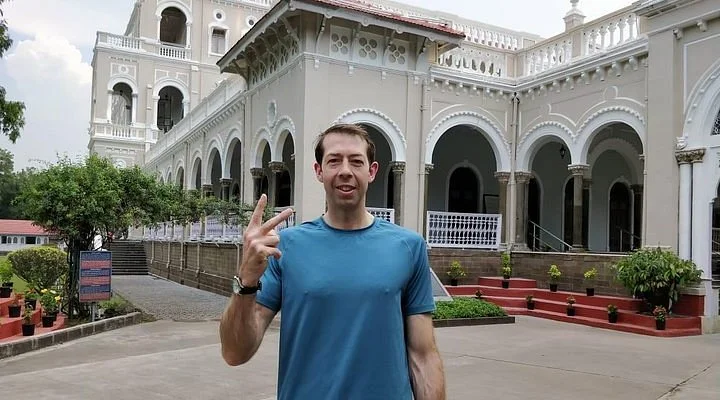
Pune ( POO-nə, Marathi: [ˈpuɳe] ), previously spelled in English as Poona (the official name until 1978), is a city in Maharashtra state in the Deccan plateau in Western India. It is the administrative headquarters of the Pune district, and of Pune division. According to the 2011 Census of India, Pune is the ninth-most populous city in India with a population of 3.1 million residents within the city limits, and 7.2 million residents in the metropolitan region, making it the eight-most populous metropolitan area in India. The city of Pune is part of Pune Metropolitan Region. Pune is one of the largest IT hubs in India. It is also one of the most important automobile and manufacturing hubs of India. Pune is often referred to as "Oxford of the East" because of its highly regarded educational institutions. It has been ranked "the most liveable city in India" several times.Pune at different points in time has been ruled by the Rashtrakuta dynasty, Ahmadnagar Sultanate, the Mughals, and the Adil Shahi dynasty. In the 18th century, the city was part of the Maratha Empire, and the seat of the Peshwas, the prime ministers of the Maratha Empire. Many historical landmarks like Pataleshwar caves, Shaniwarwada, Shinde Chhatri, and Vishrambaug Wada date to this era. Historical sites from different eras dot the city.
Pune has historically been a major cultural centre, with important figures like Dnyaneshwar, Shivaji, Tukaram, Baji Rao I, Balaji Baji Rao, Madhavrao I, Nana Fadnavis, Mahadev Govind Ranade, Gopal Krishna Gokhale, Mahatma Jyotirao Phule, Savitribai Phule, Gopal Ganesh Agarkar, Tarabai Shinde, Dhondo Keshav Karve, and Pandita Ramabai doing their life's work in Pune City or in an area that falls in Pune Metropolitan Region. Pune was a major centre of resistance to British Raj, with people like Gopal Krishna Gokhale, Bal Gangadhar Tilak and Vinayak Damodar Savarkar playing leading roles in struggle for Indian independence in their times.
Pune is the cultural capital of Maharashtra. The Marathi film industry is also based here.
Pune is undoubtedly a great place to eat. Fergusson College Road and JM Road which runs parallel, are full of budget eateries serving delicious hot food at nominal charges. Almost all restaurants open and close at similar hours. 10AM-11PM is usual. Of course, restaurant bars stay open till at least midnight. Misals are a Pune favourite, if you can stomach the spice in them. They are a tasty meal and a visit to Bedekar Misal or Shree Uphar Gruha is a must. They are in the Peth areas and are famous. Shree Uphar Gruha is at Tulsi Baug. It is a small joint but dishes out tasty Misal and fritters.
For more exotic variety, head out to Koregaon Park. North Main Road is a lane with more than 50 restaurants. It offers a choice of cuisine including Italian, French, Mexican, Thai, Japanese and a variety of local Indian food; there is a restaurant to fit every taste and mood. ABC Farms in Koregaon Park has many restaurants in one place - ideal when you cannot decide before leaving for dinner. Koregaon Park is known as the Restaurant Suburb, and holds a similar status to Pune that Bandra holds to Mumbai.
Refreshing Indian drinks such as Jal Jeera (a cumin seed drink) and Nimbu Pani (lemon water/soda) are sold on the sidewalk for around ₹5 per glass.
Alcohol is easily available all over town, though most of the bars are in Koregaon Park and upmarket areas. Most bars open in the afternoon and close an hour or two after midnight.
Also check out the major hotel bars such as at the Sheraton Grand, Sagar Plaza, JW Marriott, Deccan Rendezvous and The Westin (see below sleep section).
Pune is a city where you will find an excellent range of streetside shops as well as a few outstanding malls. Pune is a good place to pick up some Indian slippers made of rubber. Soft, comfortable Kolhapuri chappals (leather sandals), that are manufactured in the town of Kolhapur, can be found in many of the street shops in Pune.
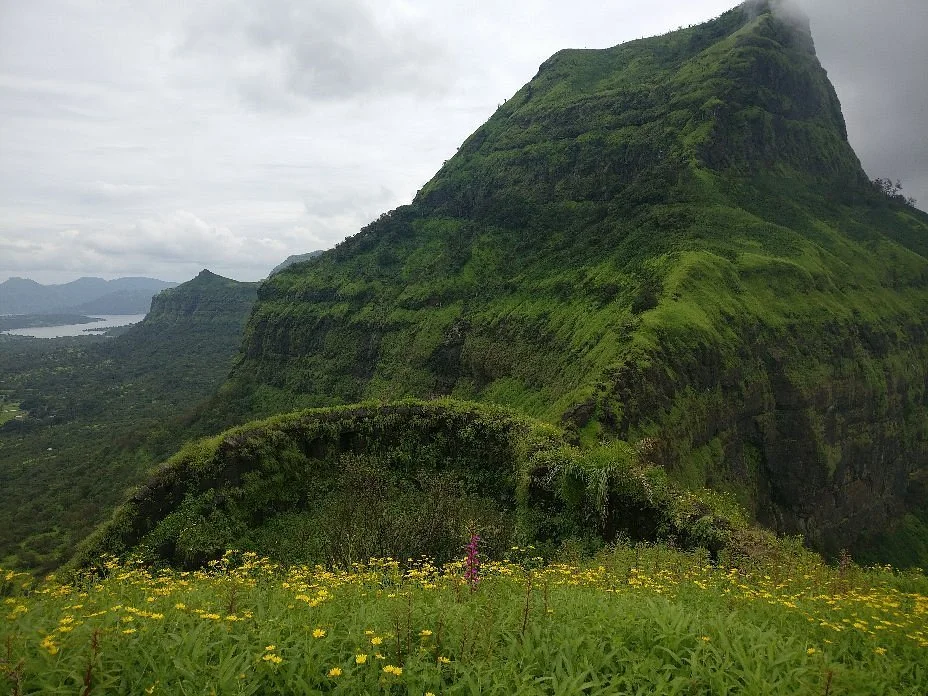
Pune is a major transportation hub for Western Maharashtra. It serves as the gateway for the numerous hill stations in the Sahyadri Hills.
Pune (poo-nneh) has a long history that stretches back nearly 1600 years. Pataleshwar caves (near Jangli Maharaj Road) from the 5th century are evidence of Pune's old settlements.
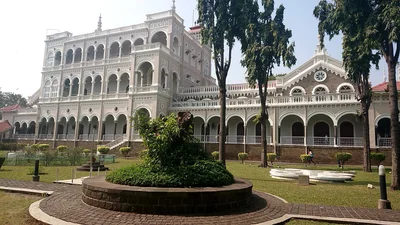
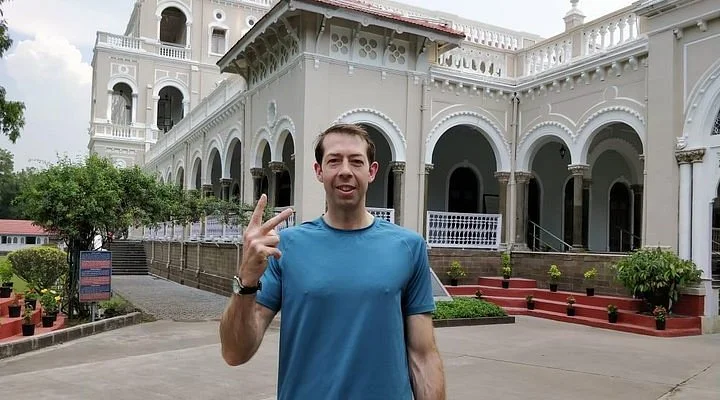
Pune is a gateway to knowledge about the past with opportunities to learn from the help of forts, monuments, museums and higher-learning institutions. From the medieval Maratha history of King Shivaji to a visit to Aga Khan Palace to learn about Mahatma Gandhi's non-violent freedom struggle, there is much to learn here. If the quote "Freedom is my birthright and I shall have it!" sounds interesting, make a visit to the Gayakwadwada museum. If interested in ancient Indian history or Indology, then Deccan College, Bharat Itihas Sanshodhak Mandal, and Bhandarkar Oriental Research Institute are places of research and learning and house their own museums as well.
Pune has been called the "Oxford of the East". It is a university town. There are many colleges and institutes here that offer everything from engineering to fine arts. These establishments boast a large number of foreign students in addition to locals.