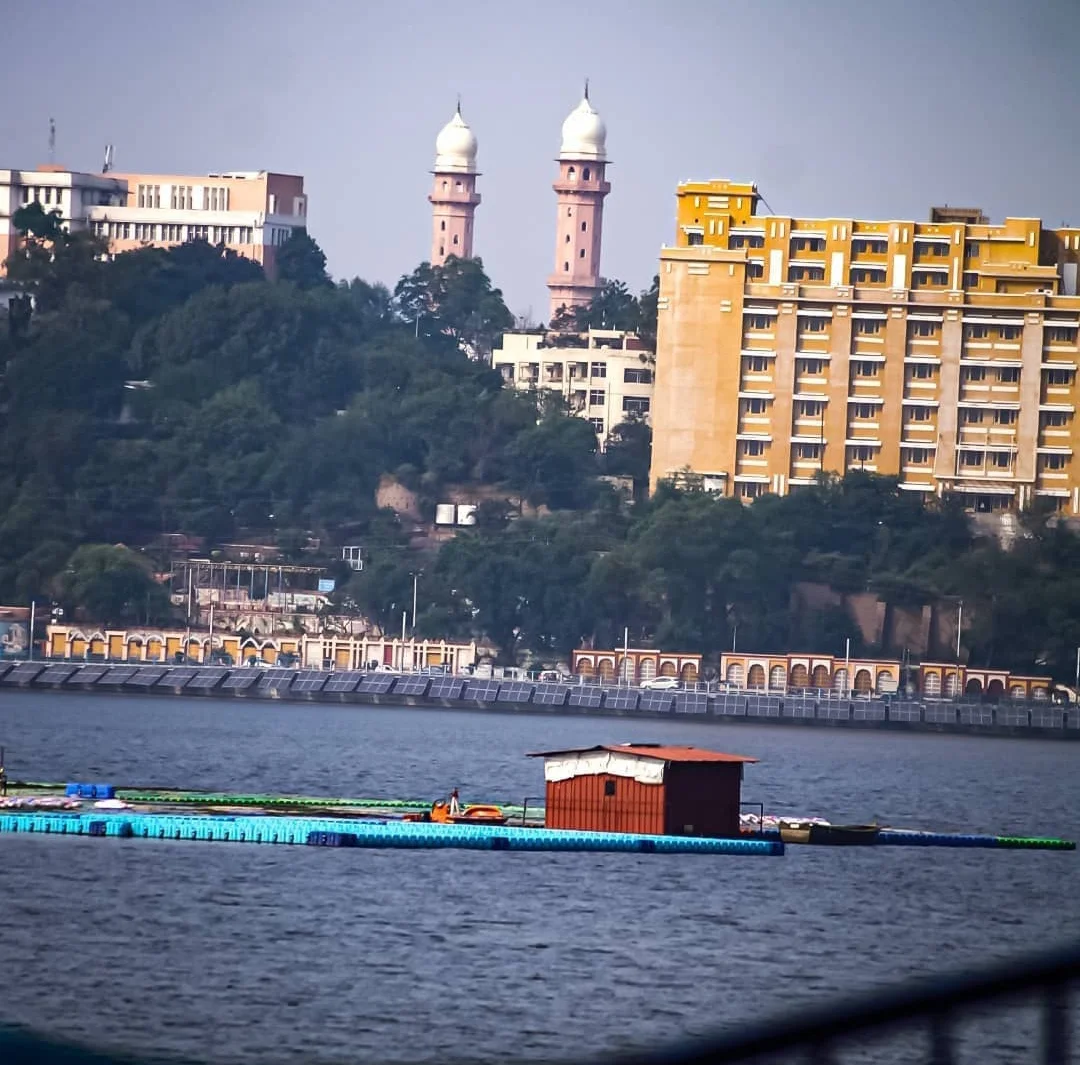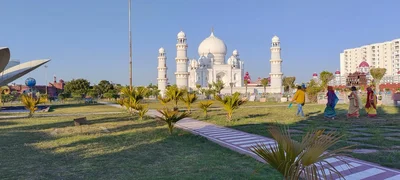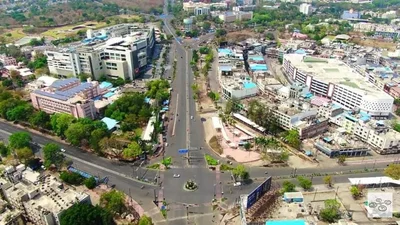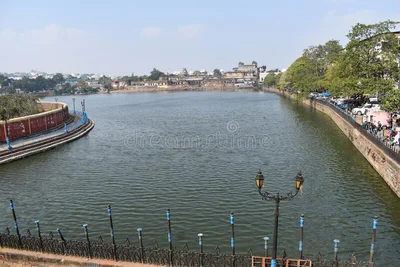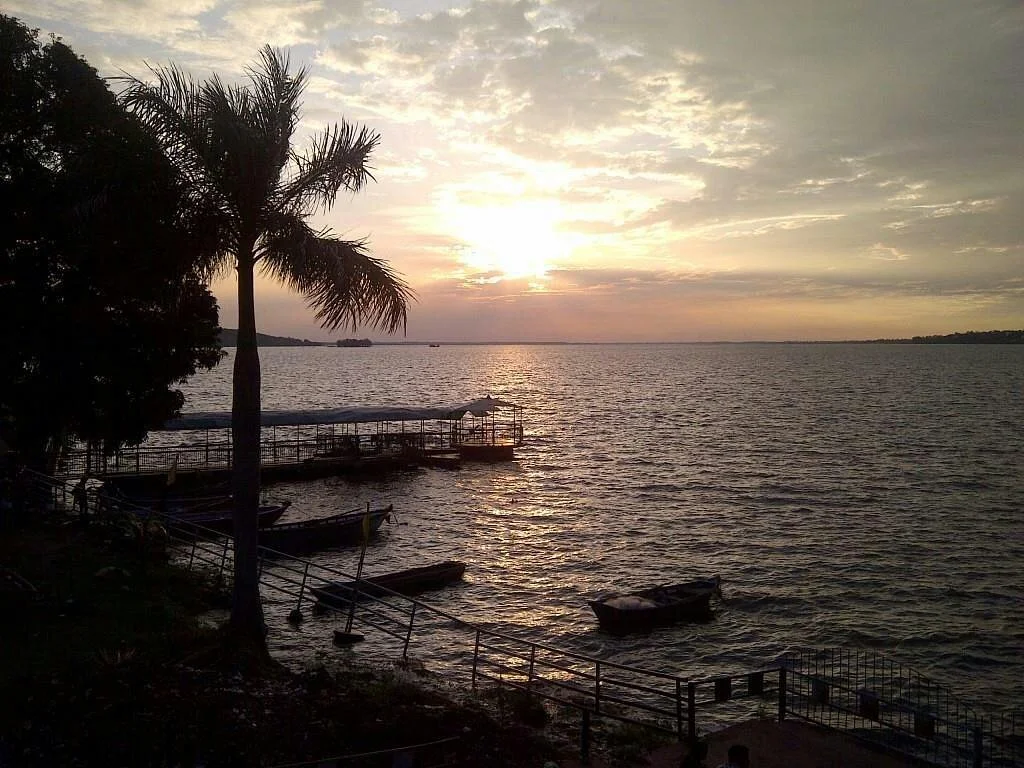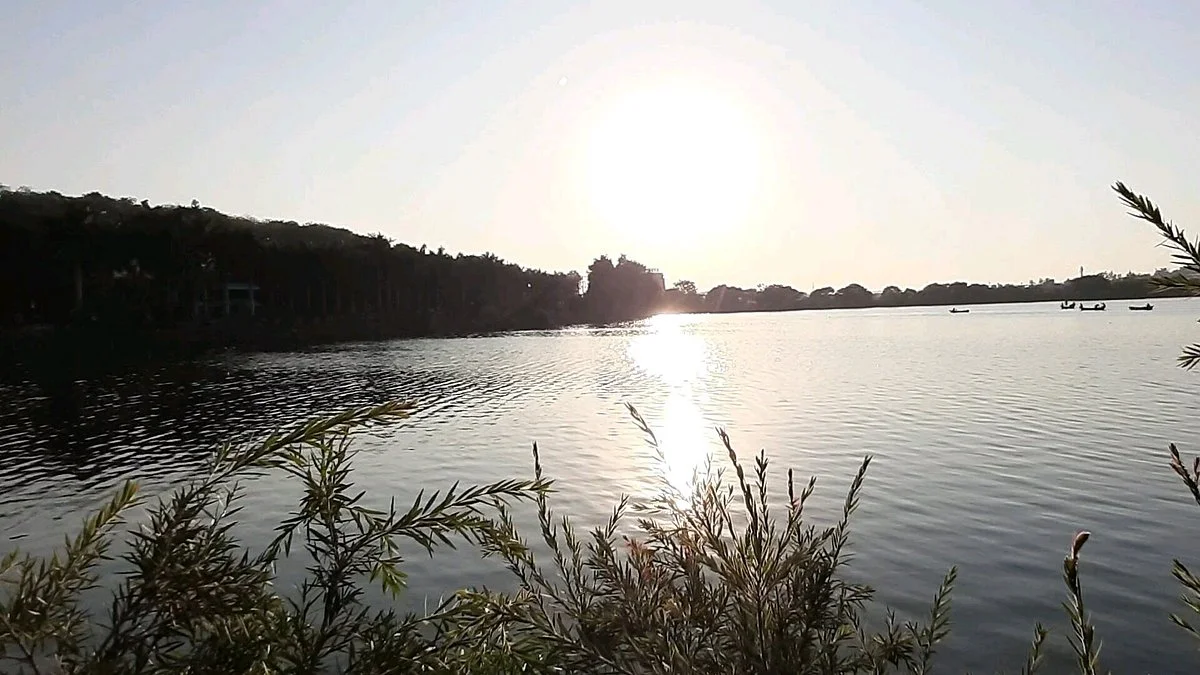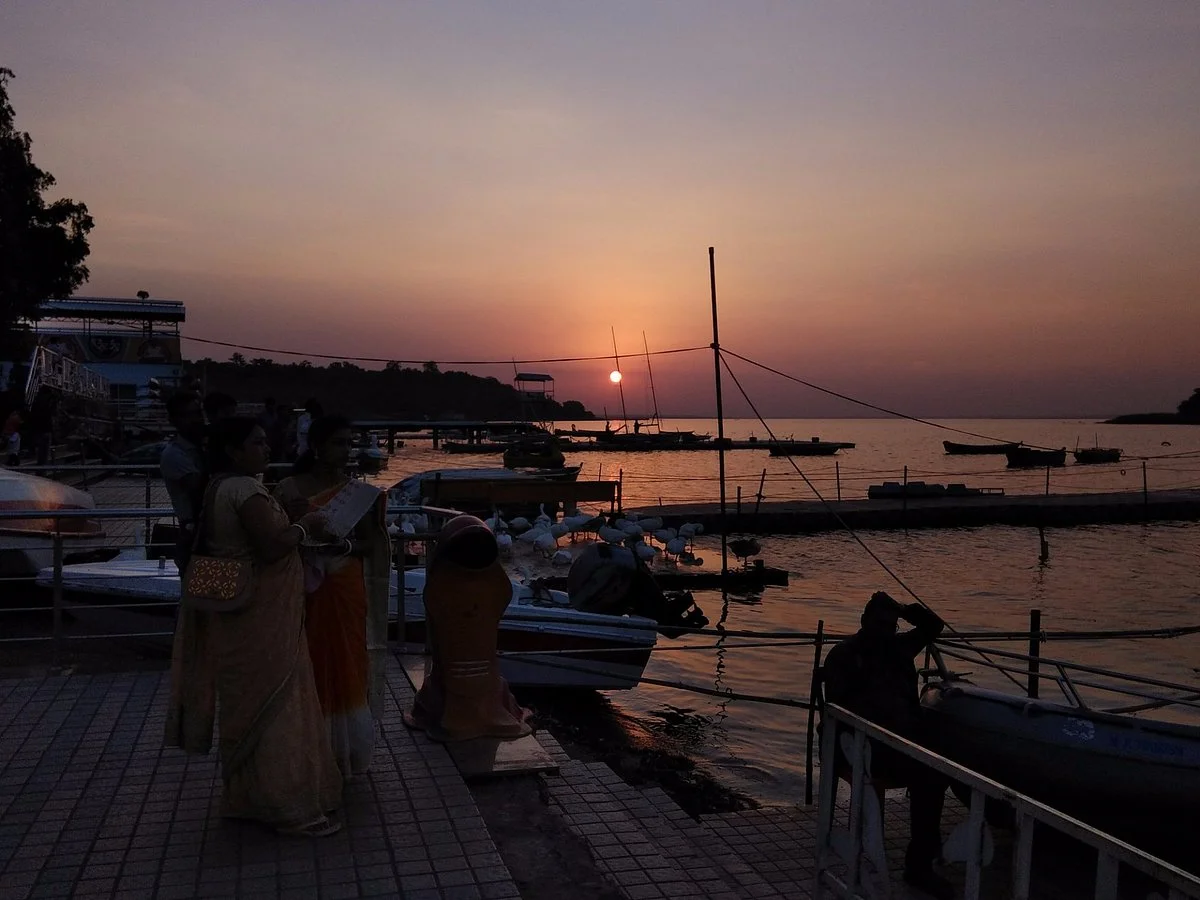
Bhopal (; Hindi: [bʱoːpaːl] ) is the capital city of the Indian state of Madhya Pradesh and the administrative headquarters of both Bhopal district and Bhopal division. It is known as the City of Lakes, due to presence of various natural and artificial lakes near the city boundary. It is also one of the greenest cities in India. It is the 16th largest city in India and 131st in the world. After the formation of Madhya Pradesh, Bhopal was part of the Sehore district. It was bifurcated in 1972 and a new district, Bhopal, was formed. Flourishing around 1707, the city was the capital of the former Bhopal State, a princely state of the British ruled by the Nawabs of Bhopal until India's independence in 1947.
Bhopal has a strong economic base with numerous large and medium industries operating in and around the city. Bhopal is considered as one of the important financial and economic destinations in Madhya Pradesh's two strong wealth pillars, the other being Indore. Bhopal's GDP(nominal) was estimated at INR 44,175 crores (2020–21) by the Directorate of Economics and Statistics, Madhya Pradesh.
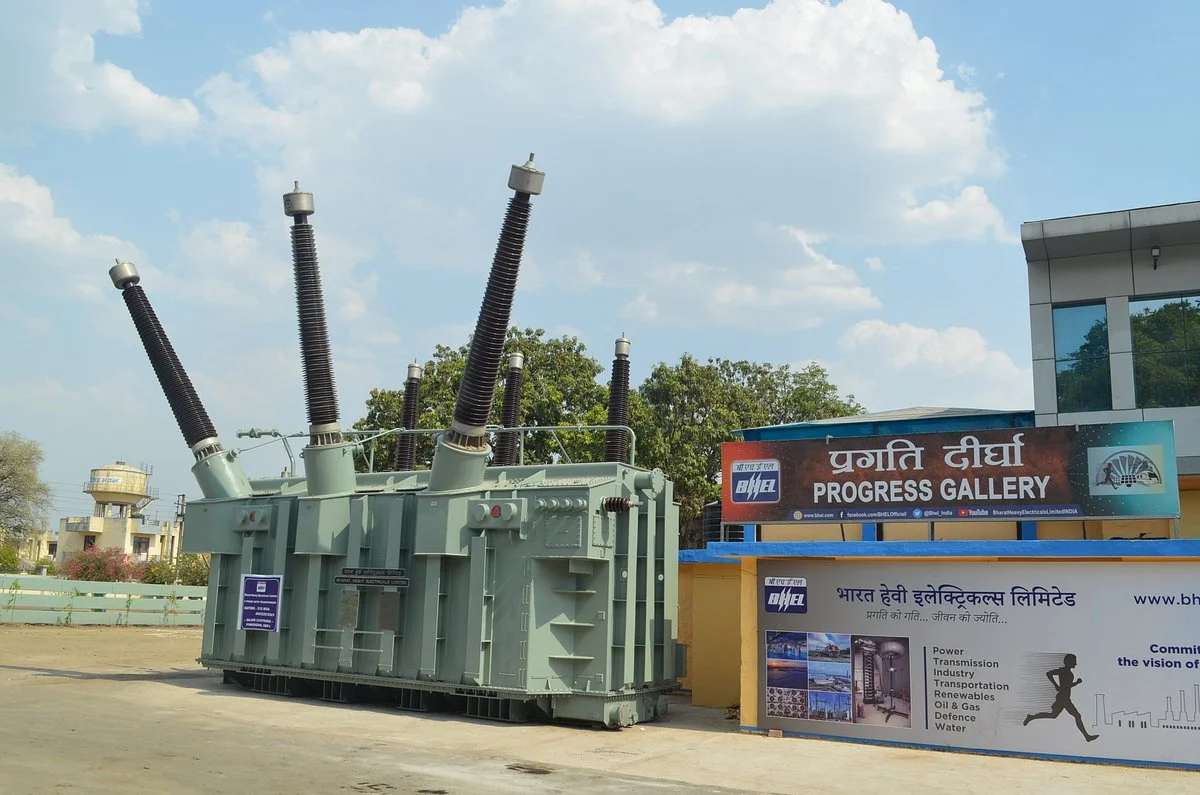
A Y-class city, Bhopal houses various educational and research institutions and installations of national importance, including ISRO's Master Control Facility, BHEL and AMPRI. Bhopal is home to a large number of institutes of National Importance in India, namely, IISER, MANIT, SPA, AIIMS, NLIU, IIFM, NIFT, NIDMP and IIIT (currently functioning from a temporary campus inside MANIT).
Bhopal city also has Regional Science Centre, Bhopal, one of the constituent units of the National Council of Science Museums (NCSM).
The city attracted international attention in December 1984 after the Bhopal disaster, when a Union Carbide pesticide manufacturing plant (now owned by Dow Chemical Company) leaked a mixture of deadly gases composed mainly of methyl isocyanate, leading to the worst industrial disaster in history. The Bhopal disaster continues to be a part of the socio-political debate and a logistical challenge for the people of Bhopal.Bhopal was selected as one of the first twenty Indian cities (the first phase) to be developed as a smart city the Smart Cities Mission. Bhopal was also rated as the cleanest state capital city in India for three consecutive years, 2017, 2018 and 2019.
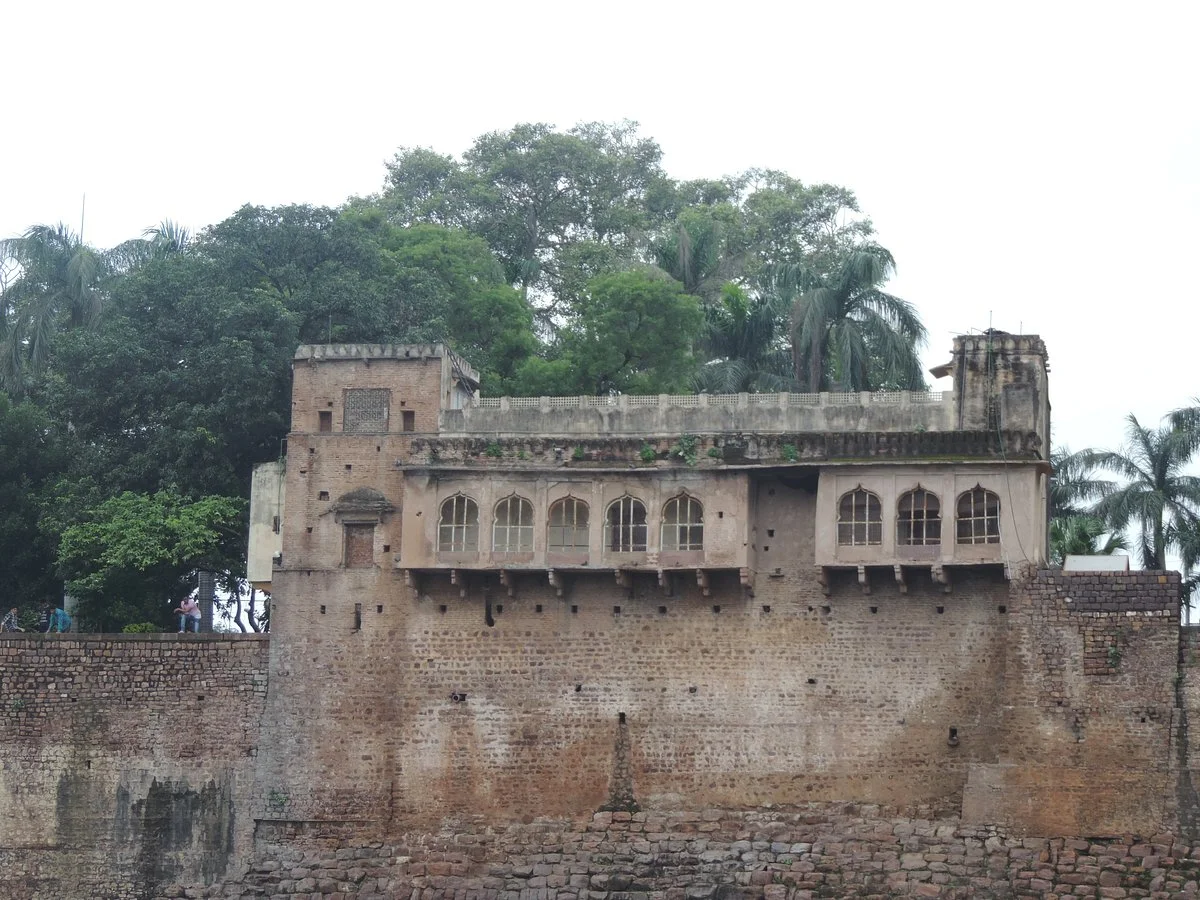
Bhopal is a city rich in heritage and history. It's an amalgam of the old and the new, the rich and the poor, the wide roads of New Bhopal and the narrow "gullies" of Old Bhopal and a mix of planned development on one side with urban sprawl on the other.
There are various places of worship in Bhopal, both old and new, that will give you a glimpse into the Mughal architecture, some of it from before the British raj. The people of Bhopal, particularly the mix of the Muslim and the Hindu population will also give you a glimpse of what makes India tick with different religions and cultures living together.
Bhopal is a fairly quiet city for nightlife, and has few clubs and bars. Most of the restaurants close around 11PM, although many in the larger hotels have bars that are open at least midnight. The hotels of Amer Palace and The Residency in the Maharana Pratap Nagar have nightclubs.
Bhopal, like any other north Indian city offers a rich Indian cuisine to explore. People enjoy eating the sweet - sour and spicy "chaat" in Bhopal. Due to the Mughal influence, Bhopal also offers delicacies like Kebabs, Goat Biryani, Chicken Tikka, Jalebi, and Ras Malai. The best chicken Biryani can be tasted at Jameel Hotel in old Bhopal.
Sashas restaurant in Indrapuri offers good South Indian non-vegetarian delicacies.
Hotel Jehanuma Palace in Bhopal has a very good restaurant that serves awesome North Indian delicacies. Hotel Noor us Sabah also has a couple of good restaurants to choose from. As in any mid-sized Indian city, the safest bets for good food and a variety of cuisines are in restaurants that are part of 3-4 star hotels.
Apart from North Indian and Mughlai cuisine, you can also savour Indo-Chinese, Continental and American cuisine in the various restaurants of Bhopal.
If you have a mixed taste, Generationext restaurant is a good option for you. An eclectic mix of cuisine is served, that is likely to suit your taste (and pocket too). There are many other good eating spots in New Market, MP Nagar and Hoshangabad Road area.
Filfora, Koh-e-fiza is a very good place for Mughlai delicacies. Kadai ghost may be best to eat here and biryanis of both made with chicken and mutton are good.
'Juli' is one of the famous Bengali mithai (sweets), and is available in the old city at Jain Mithai Bhandar.
For tourists from foreign countries, it's recommended that they stick to mineral water. If you want to be adventurous, try the sugarcane juice from the streetside vendors. If you are lucky, you will not get an upset stomach and will be able to enjoy the rich sweetness of sugarcane.
Alcoholic drinks: Only use hotel bars for this as there are very few pubs in the city and the local bars are not a place to hang out. The only good place other than hotels is the Tavern Pub at Board Office Roundabout in M P Nagar.
No visit to this city is complete without buying some bead work or embroidered purses, bags, shawls, tunics etc. Also, you can get good quality fabric (silk, satin, cashmere, pashmina) from the various emporiums run and operated by the governments of the different states of India. One visit to Bhopal will give you an exposure into the various kinds of fabric and material, arts and crafts that come from different parts of the country.
To buy arts and crafts specifically originating in Madhya Pradesh as well as fabrics/ sarees/ shawls from Madhya Pradesh, visit the MP Government state emporium Mrignayani.
To buy some authentic north Indian fabric and shawls head towards Lakherapura in the old city. The Chowk are is also famous for the traditional glittering ladies purses.
Also a visit to New Market is worth a try.
Bhopal has some good budget as well as 3- to 4-star hotels to choose from if you want to spend a few nights in the city. A couple of hotels in the old Bhopal area are considered Grand Heritage hotels as they have been converted from palaces and residences of the Mughal era to modern hotels. Jehan Numa Palace Hotel and Noor us Sabah Hotel fall under this category and staying here will transport you into an era where you will be able to imagine how the Mughal aristocracy lived a life of pure luxury. The customer service at both these hotels is exemplary and you will enjoy your stay here.
Towards the New Bhopal area, Hotel Lake View run by the Ashoka group is a decent place to stay in. Also, hotels in the commercial hub of Bhopal, Maharana Pratap Nagar, like Amer Palace, The Residency, Nisarga, etc. serve more business travelers to Bhopal but are certainly good places to consider.
Bhopal has a decent public transportation system comprising of buses, mini-buses and three-wheeled autos. It is also fairly easy to book a taxi for a full day to get in and around the city for reasonable rates. Ola and Uber are also available. Usually, any hotel you choose to stay in will help you get transportation according to your needs. If it's your first visit to Bhopal, the safest thing to do is book a taxi rather than try the public transportation system in Bhopal.
A private firm operates citybus service with full-sized buses called Star-bus, which is quite safe to travel.
Kushabhau Thakrey Interstate Bus Terminal is the main Bus terminal of Bhopal which is near MP Nagar.
Bhopal is a good mix of the old and the new with old portions of Bhopal reminiscent of the Mughal influence and the new ones showcasing the planned development of a modern Indian city. Bhopal is the seat of the Madhya Pradesh government and is a beautiful mid-sized city in the heart of India. It is said that Bhopal was first called "Bhoj-pal" after Raja Bhoj, who is credited with founding the city. It was an important part of the "Bhoj" kingdom with Ujjayini (modern-day Ujjain, about 190 km from Bhopal) being the seat of the kingdom.
Bhopal is also known for the world's worst industrial disaster, the poisonous mithyl isocyanide (MIC) gas leak from the Union Carbide plant in December 1984. The accident caused over 3,700 officially recognised deaths, half a million injuries, many birth defects, and the survivors continue to suffer to this day. Yet the impoverished still live in slums next to the abandoned plant.