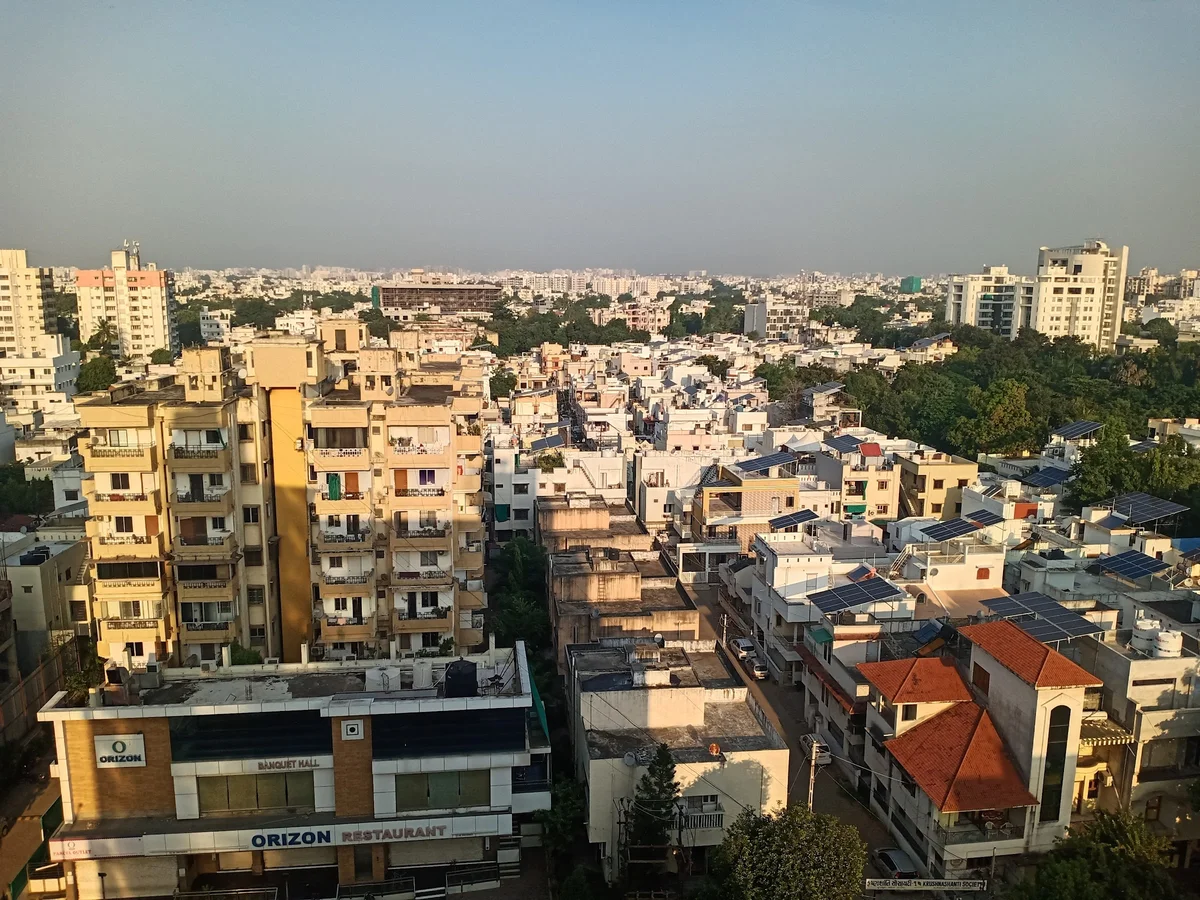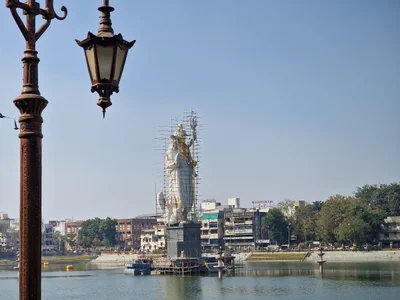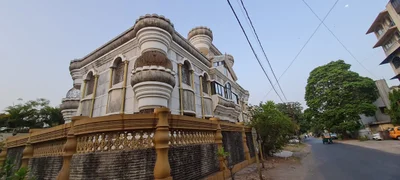
Vadodara (Gujarati: [ʋəˈɽodɾɑ] ), also known as Baroda, is a major city in the Indian state of Gujarat. It serves as the administrative headquarters of the Vadodara district and is situated on the banks of the Vishwamitri River, 141 km (88 mi) from the state capital of Gandhinagar. The railway line and National Highway 8, which connect Delhi with Mumbai, pass through Vadodara. The city is named for its abundance of banyan (vad) trees. Vadodara is also locally referred to as the Sanskari Nagari (transl. 'Cultural City') and Kala Nagari (transl. 'City of Art') of India.
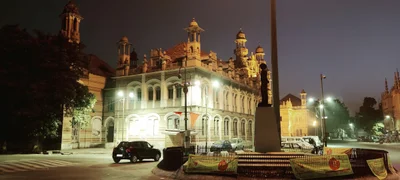
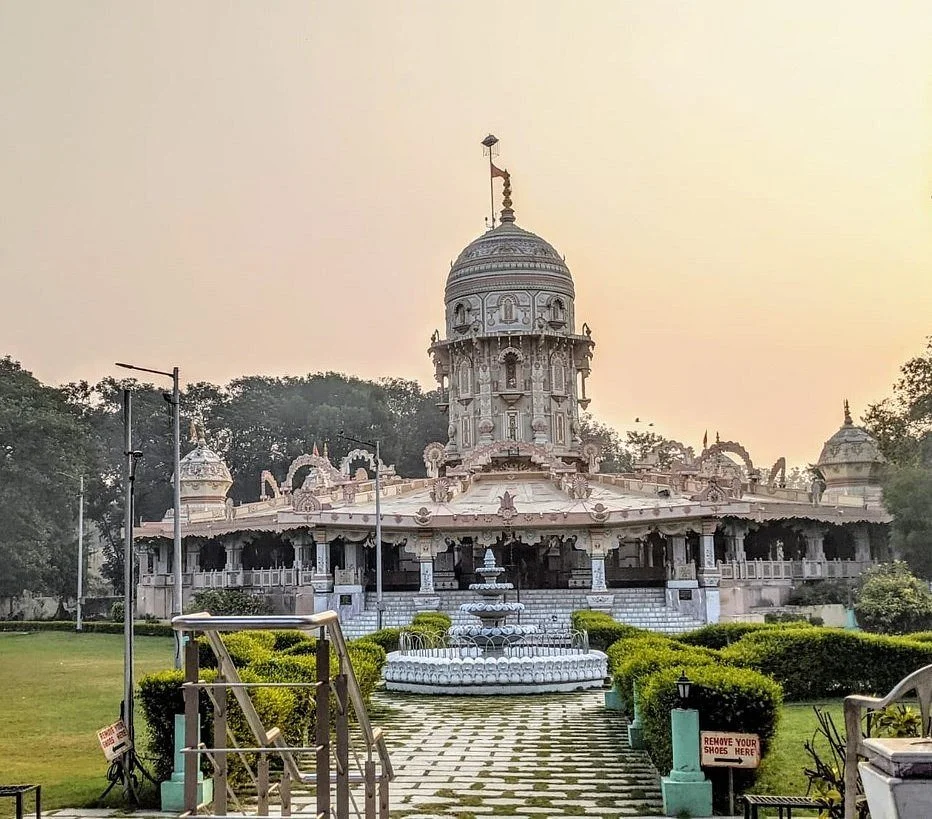
The city is prominent for landmarks such as the Laxmi Vilas Palace, which served as the residence of the Maratha royal Gaekwad dynasty that ruled over Baroda State. It is also the home of the Maharaja Sayajirao University of Baroda.
There are quite a few sights worth taking a look at such as the Lakshmi Vilas Palace and the old zoo. If you're headed here plan a trip that lasts not more than three days because then you'll run out of things to do. And because of the fact that it is cosmopolitan, infrastructurally decent and well connected by rail, road and air, this is a good place to have as your 'hub' and make day trips to other places.
There are plenty of eateries in and around the city and getting good food is not a problem.
Vadodara is a nice place to be but lacks a nightlife altogether because of a blanket ban on alcohol throughout Gujarat. Foreign nationals can procure alcohol after getting a permit, but this procedure is not without its headaches.
You will need your passport plus a photocopy of your passport data page and your visa. You must ask your hotel to stamp this photocopy and write a simple statement to say that "xxx is residing at this hotel, room xxx. The fee for the permit is ₹100. The permit is valid for one month, during which time each person is allowed to buy a limited quantity - 10 units at a time (one unit is 10 large bottles of beer, or 3 bottles of wine or 1 bottle of spirits), no more than twice in six days. This should satisfy all but the heaviest of drinkers. You can use the permit at any location that sells alcohol.
The wine shop at the Hotel Kaviraj (the hotel is being refurbished but the wine shop is open on the side of the building) is open from noon to 10PM and can always issue a permit.
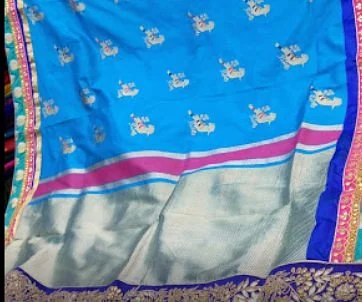
Camel leather and related arts of embedding pure gold and stone colors, on camel leather and hide vessels are well known here.
Local transport consists mainly of city buses and three-wheelers called auto-rickshaws which are very cheap and easily available. All the drivers refuse to use meters. You can also get an autorickshaw using the Uber or Jugnoo apps, or you can use the prices from these apps to negotiate a better one.
The VITCOS City Buses take you to all parts of the city, and the VITCOS Bus Stand is right opposite to the Railway Station. The buses are very comfortable and cheap. They cost ₹1 per 1.2 km.
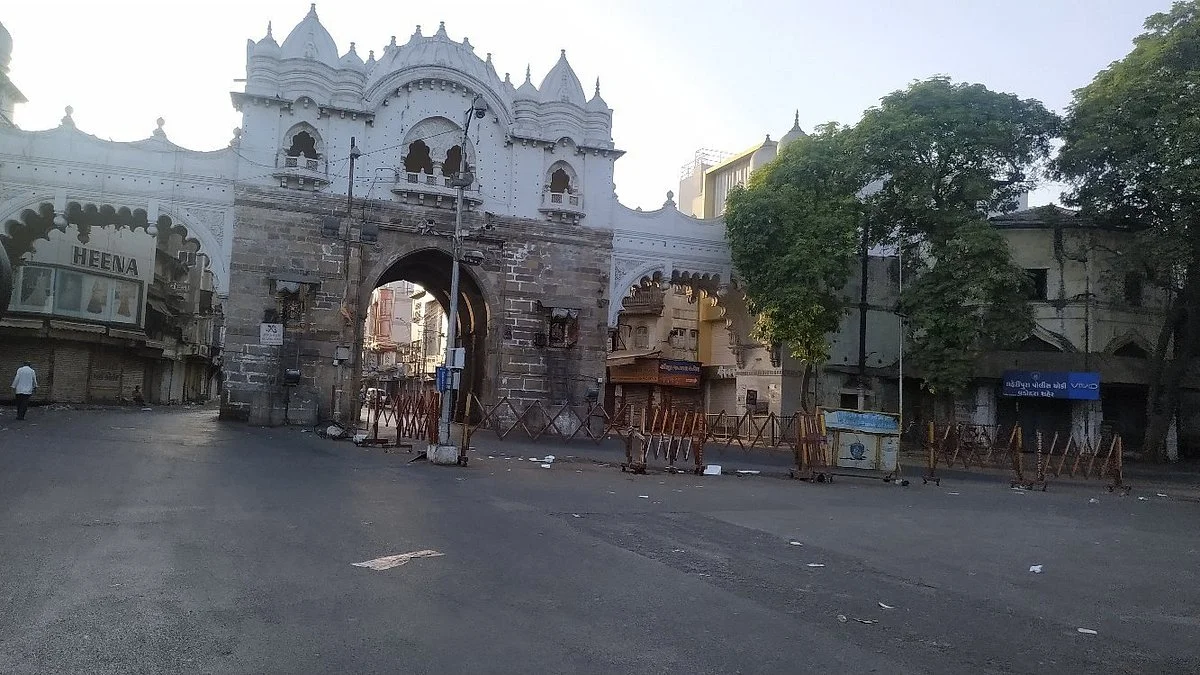
Vadodara lies on the bank of Vishwamitri River, 141 km from Gandhinagar, the state capital. The eastern part is the old city, while the western part beyond the Railway Station is the modern part of the city.
Vadodara came into prominence during the period of the Maratha confederacy, when the a general of the Marathas, Pilaji Gaekwad, conquered the city from the Mughals. He and his descendants ruled the region, initially under the vassalage of the Maratha Peshwas, becoming increasingly independent as the Peshwas weakened as a power. After the defeat of the Peshwas, the Gaekwads continued to rule the kingdom as one of the autonomous princely states under the British. Vadodara owes much to the Gaekwads, who were generally considered to be enlightened rulers, bringing industry and excellent educational institutions to the city. Many of the attractions for travelers are from those times.
The city has continued its tradition of being a being an industrial centre during modern times as well. It is home to people who have moved here from other cities in India, attracted by a lifestyle that combines the calm of a small town with the amenities you would expect from a major city. Vadodara has a significant population of people who have returned from a stay abroad (former Non-Resident Indians or NRIs) who have decided to settle here.