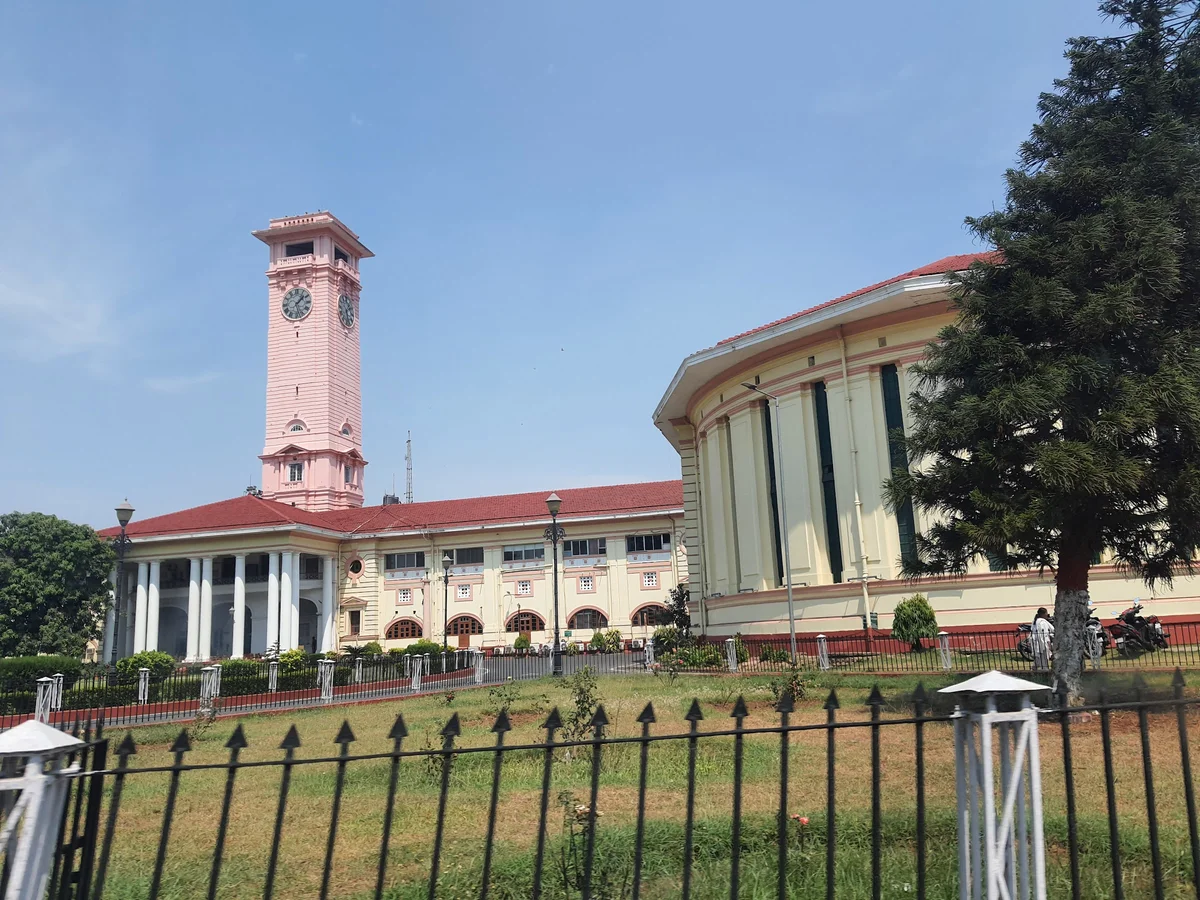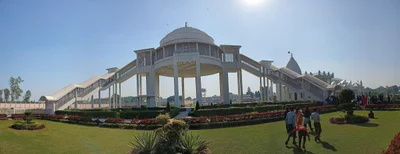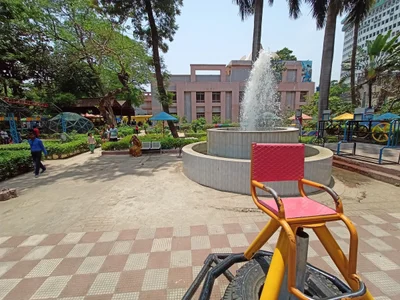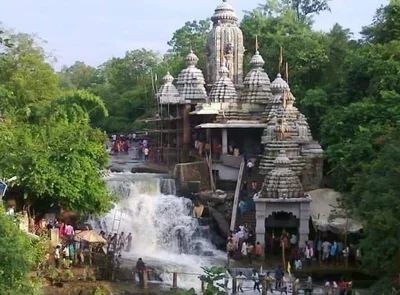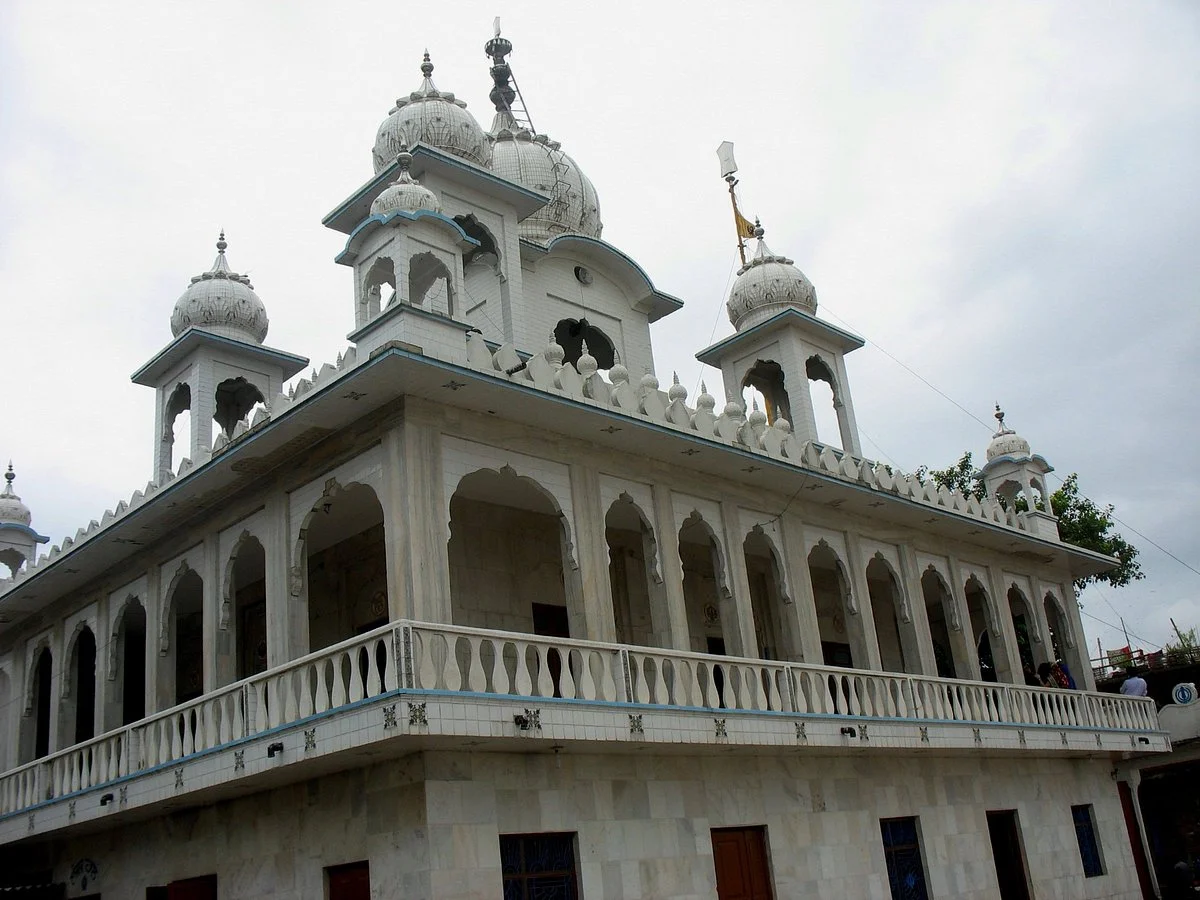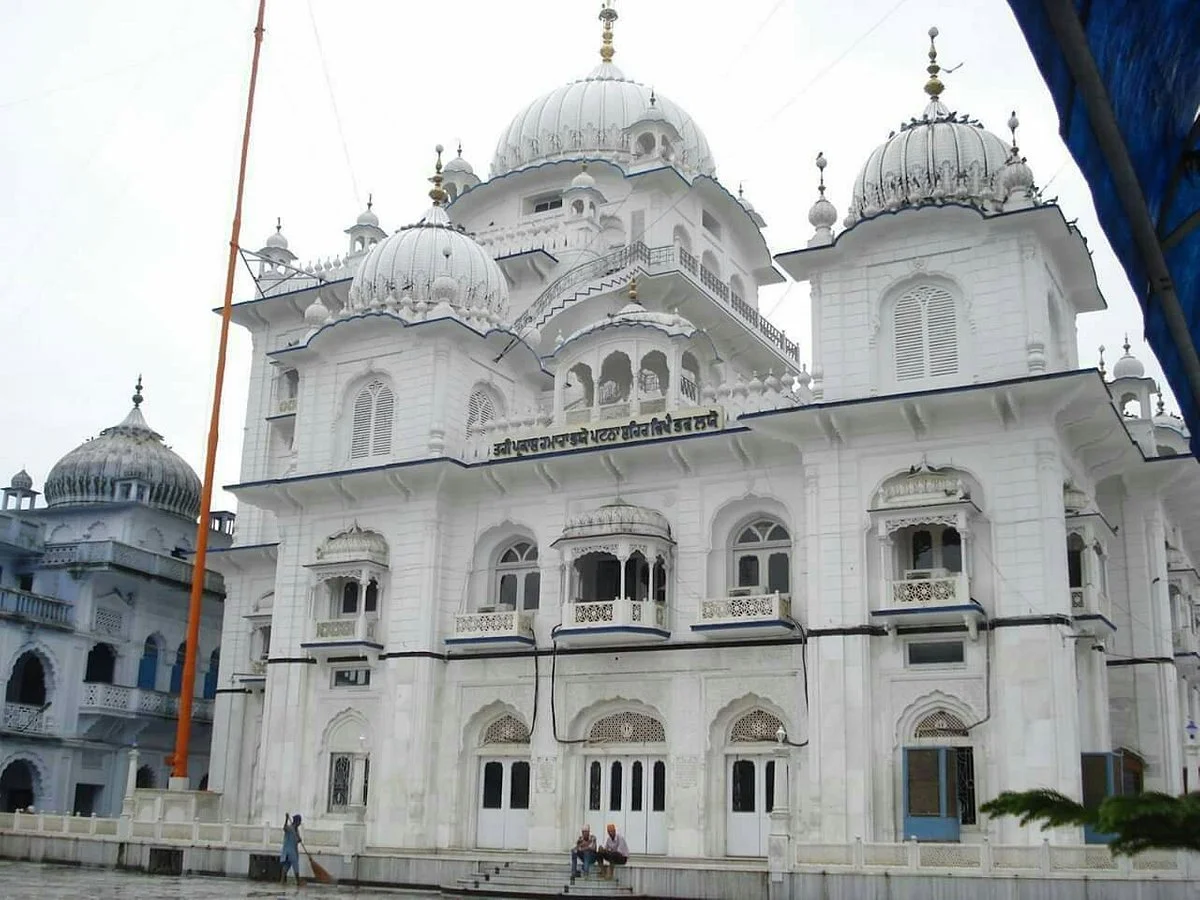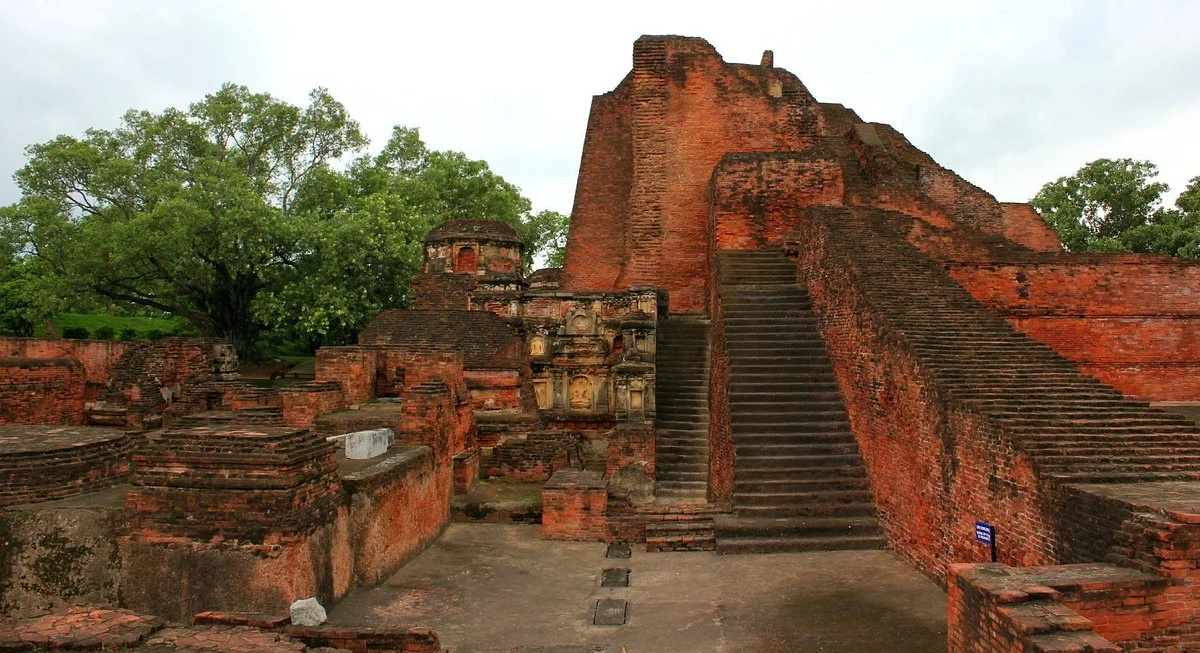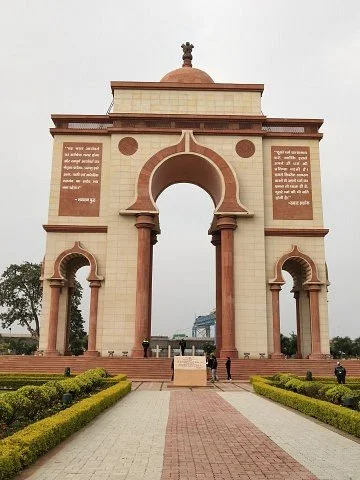
Patna (English: , Hindi: [ˈpəʈnaː] ), historically known as Pataliputra, is the capital and largest city of the state of Bihar in India. According to the United Nations, as of 2018, Patna had a population of 2.35 million, making it the 19th largest city in India. Covering 250 square kilometres (97 sq mi) and over 2.5 million people, its urban agglomeration is the 15th largest in India. Patna also serves as the seat of Patna High Court. The Buddhist, Hindu and Jain pilgrimage centres of Vaishali, Rajgir, Nalanda, Bodh Gaya and Pawapuri are nearby and Patna City is a sacred city for Sikhs as the tenth Sikh Guru, Guru Gobind Singh was born here. The modern city of Patna is mainly on the southern bank of the river Ganges. The city also straddles the rivers Sone, Gandak and Punpun. The city is approximately 35 kilometres (22 mi) in length and 16 to 18 kilometres (9.9 to 11.2 mi) wide.
One of the oldest continuously inhabited places in the world, Patna was founded in 490 BCE by the king of Magadha. Ancient Patna, known as Pataliputra, was the capital of the Magadha Empire throughout the Haryanka, Nanda, Mauryan, Shunga, Gupta, and Pala dynasties. Pataliputra was a seat of learning and fine arts. It was home to many astronomers and scholars including Aryabhata, Vātsyāyana and Chanakya. During the Maurya period (around 300 BCE) its population was about 400,000. Patna served as the seat of power, and political and cultural centre of the Indian subcontinent during the Maurya and Gupta empires. With the fall of the Gupta Empire, Patna lost its glory. The British revived it again in the 17th century as a centre of international trade. Following the partition of Bengal presidency in 1912, Patna became the capital of Bihar and Orissa Province.Until the 19th century, it was a major trading and commercial hub in India. After independence there were a few downturns but its economy was still stable. After the separation of Jharkhand from Bihar, it lost its glory. Now trials are made to develop the city. As per the Directorate of Economics and Statistics (Government of Bihar), Nominal GDP of Patna District was estimated at INR 63,176.55 crores in 2011-12. As of 2011-12, Patna already recorded per capita gross domestic product of ₹1,08,657, way ahead of many other Indian cities and state capitals. Using figures for assumed average annual growth, Patna is the 21st fastest growing city in the world and 5th fastest growing city in India according to a study by the City Mayors Foundation. Patna registered an average annual growth of 3.72% during 2006–2010. As of 2011-12, the GDP per capita of Patna is ₹1,08,657, and its GDP growth rate is 7.29 per cent. In June 2009, the World Bank ranked Patna second in India (after Delhi) for ease of starting a business.
You can go on excursions to the various religious and historical places in and around Patna. Do not miss a boat ride on the mighty Ganges river. When in Patna, try food typical to the region such as pua-pittha, tilkut, chiwra, makhana, the famed sattu or the farmer's staple, litti chokha, and the famous paan.
Sattu-pani is among the popular drinks, lassi made of curd, dry fruits & sugar.
Madhubani Paintings can be bought from emporiums at Mauyra Lok, a shopping center located on "Dak- Bunglow" road. You can visit many malls around Frazer road/Dak Bunglow Crossing such as Vishal Mega Mart, Maurya Lok Complex and Patna Market on Ashok Rajpath, Hathwa Market, Bari Path & Alankar Palace and other shopping arcades near Boring Road Crossing
Relatively new malls include Patna Central Mall and P&M Mall Patliputra Kurji Road, Patliputra.
Patna is a growing business city, and as such hotels tend to be overpriced for the room provided. It also means that many hotels are full most nights, giving little incentive to improve facilities.
There are a few car rental companies available in Patna. But foreign travellers who have not driven in India may find driving the roads in Patna and Bihar a bit stressful due to the poor road conditions and the constant heavy traffic, although the road conditions have improved.
The ancient name of Patna was "Pataliputra" and it was the capital of the Maurya and Gupta empires. Located at the site where Patna is today, the ancient city of Pataliputra, with a glorious period of history spanning a thousand years (500 BCE–400 CE), is where India's first major kingdoms rose and fell.
Patna is on three sacred rivers, the Ganges, the Sone and the Poonpun. The city has a glorious past and is now a bustling up-and-coming metropolis. Legend has it that a sanctified Ganga had watched with reverence as a hallowed Buddha blessed this place to be a realm of great Kings and their Empires. Belonging to the blue family of cities with a royal heritage, it is the land where the greatest emperors of India walked, and where the greatest saints chose to preach. Guru Gobind Singh, the 10th Sikh Guru was born here. For anyone with a taste for history and religion, this place flies high.
Ajastshatru, second of the Magadh Kings, built a fort at Pataligram on the banks of the Ganges river. This later became the famous Mauryan metropolis of Pataliputra and was ruled by Chandragupta Maurya, his son Bindusara and his grandson Asoka, acclaimed for the spread of Buddhism across India. Following the fall of the Maurya Empire, the next powerful empire to have its capital in Pataliputra was the Gupta Empire, which reached its zenith under the rule of Chandra Gupta I (not to be confused with Chandragupta Maurya), his son Samudra Gupta and his grandson Chandra Gupta II. Other emperors who ruled from Pataliputra were the Pala Kings, Shershah Suri (16th century) and Azimush-Shan (18th century), the grandson of Mughal emperor Aurangzeb, who renamed it Azeemabad. Vestiges of this ancient city can be seen at Kumhrar, Bhikhnapahari, Agamkuan, Bulandi Bag etc.
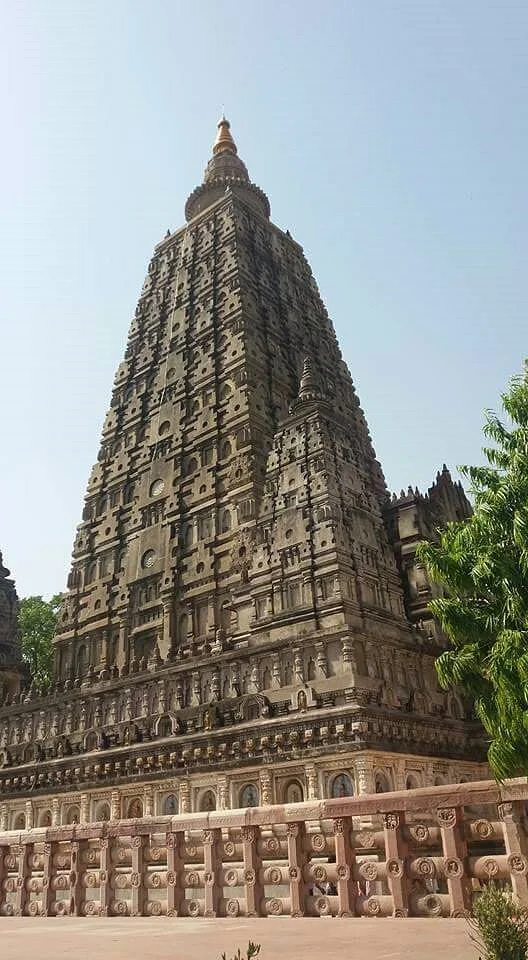
Today, it is apparent that Bihar and Patna have seen better days. Bihar is one of the poorest states of India, and for the first-time foreigner visitor Patna will look a chaotic, noisy city with many signs of poverty even near the city centre. This may change soon, since it has become one of the fastest growing cities of India. With real estate booming at a dizzying pace, shopping malls, theatres, new businesses, food joints it carries the seed for a lively city life, and a tourist haven-to-be. It is an important business and education centre of eastern India. More significantly, it is a gateway to the Buddhist and Jain pilgrim centres of Vaishali, Rajgir, Nalanda, Bodhgaya, Keshariya and Pawapuri. The growing city of Patna is a great place to visit and a great place to live in.
Lying along the banks of the Ganges River, Patna is surrounded by important religious centres for the Buddhists, Sikhs and Jains. This city has been home to two great religions, Buddhism and Jainism, and myriad dynasties from ancient to modern times.