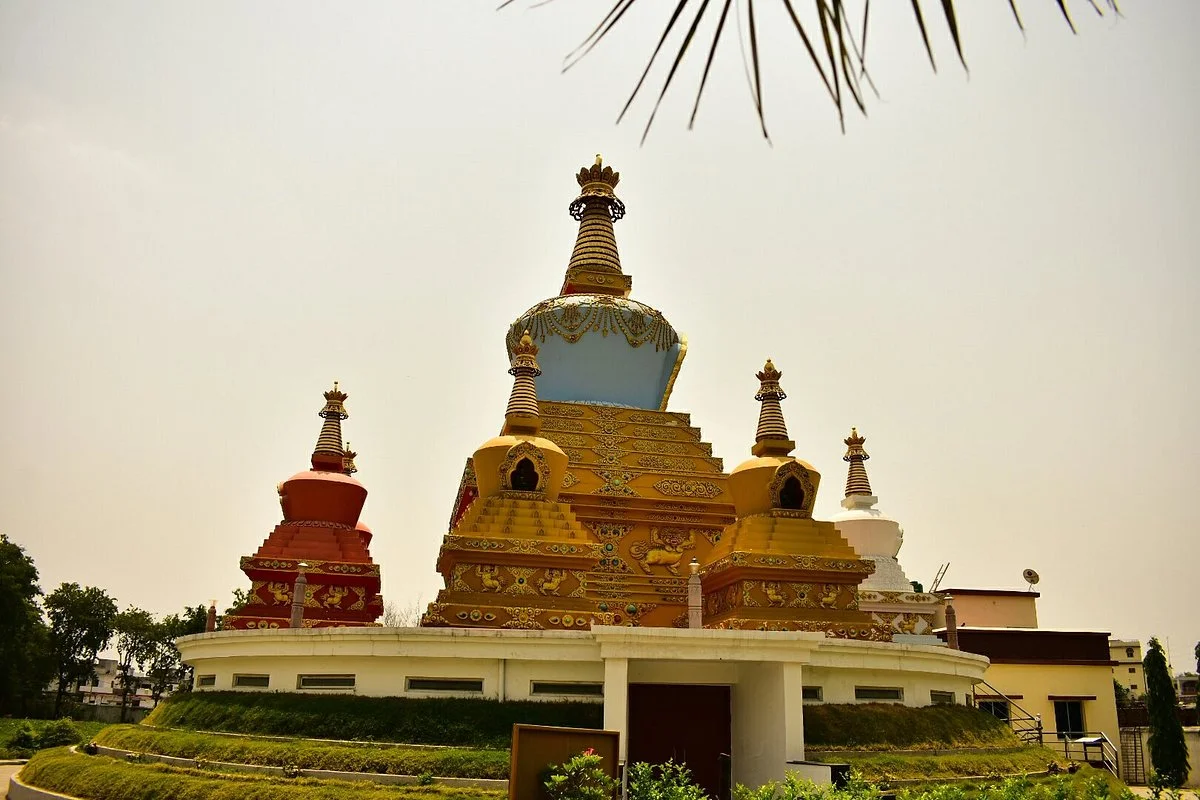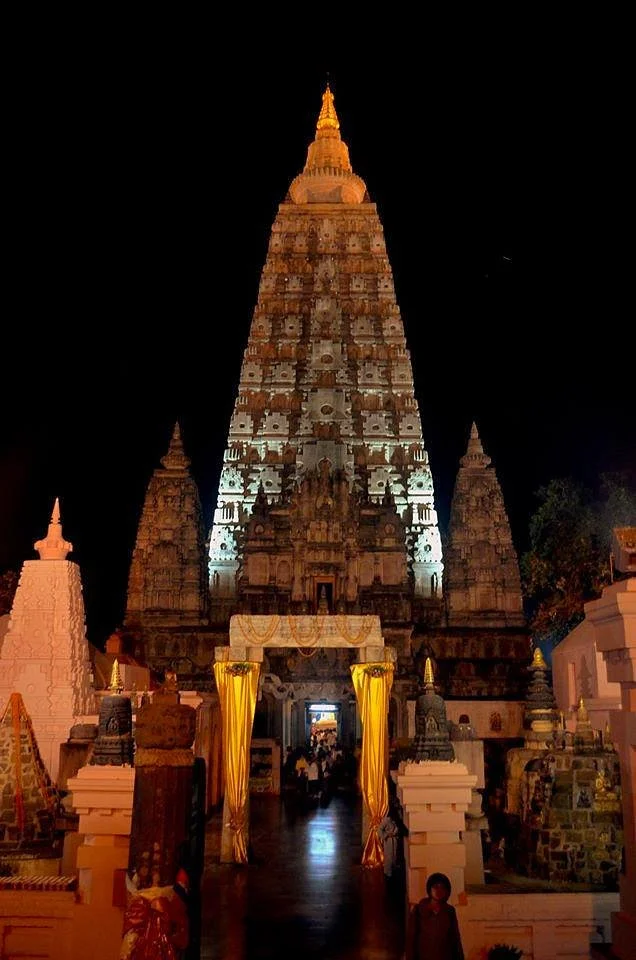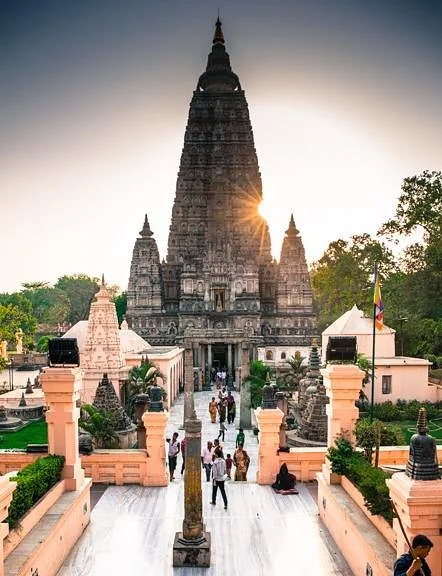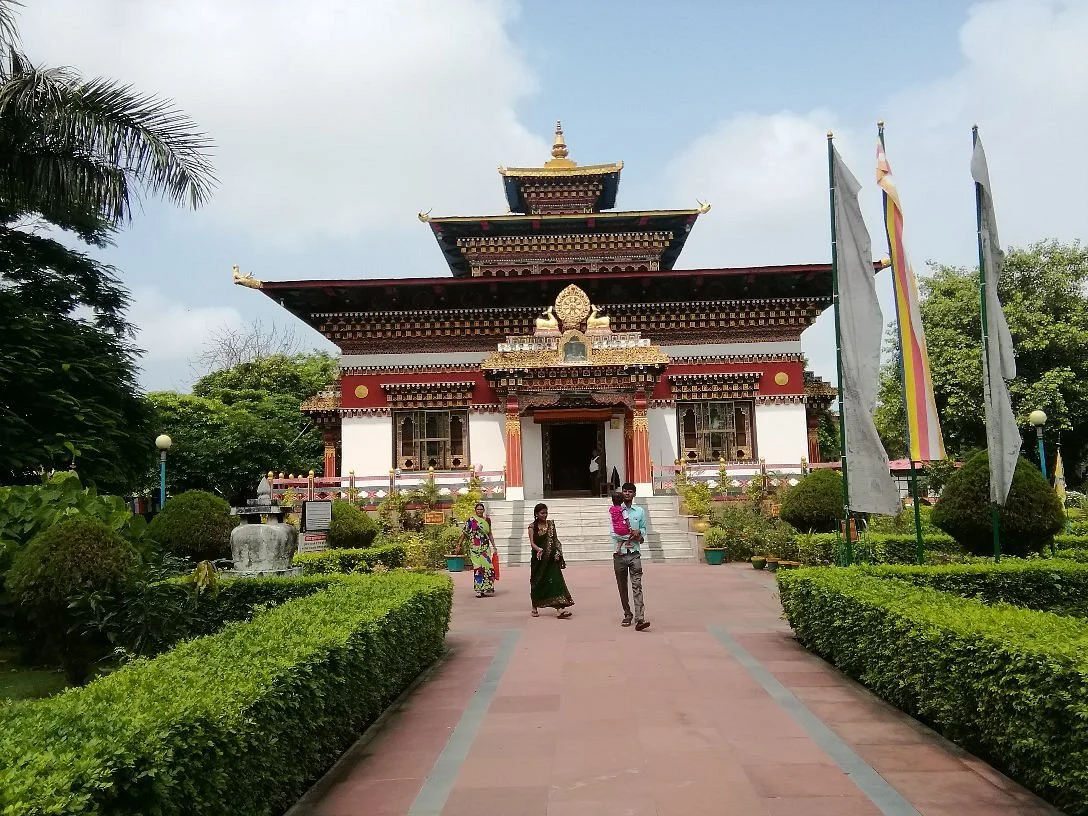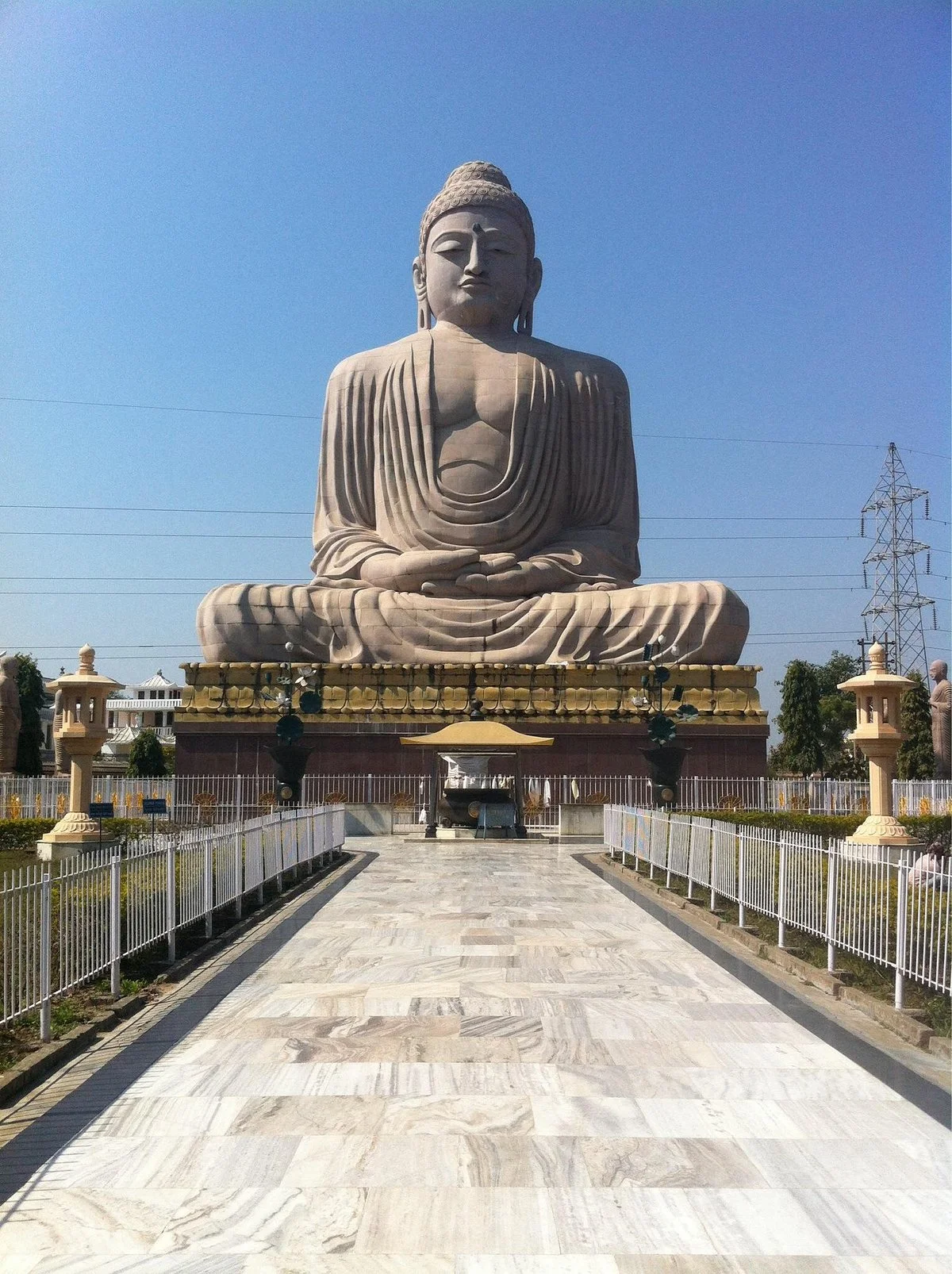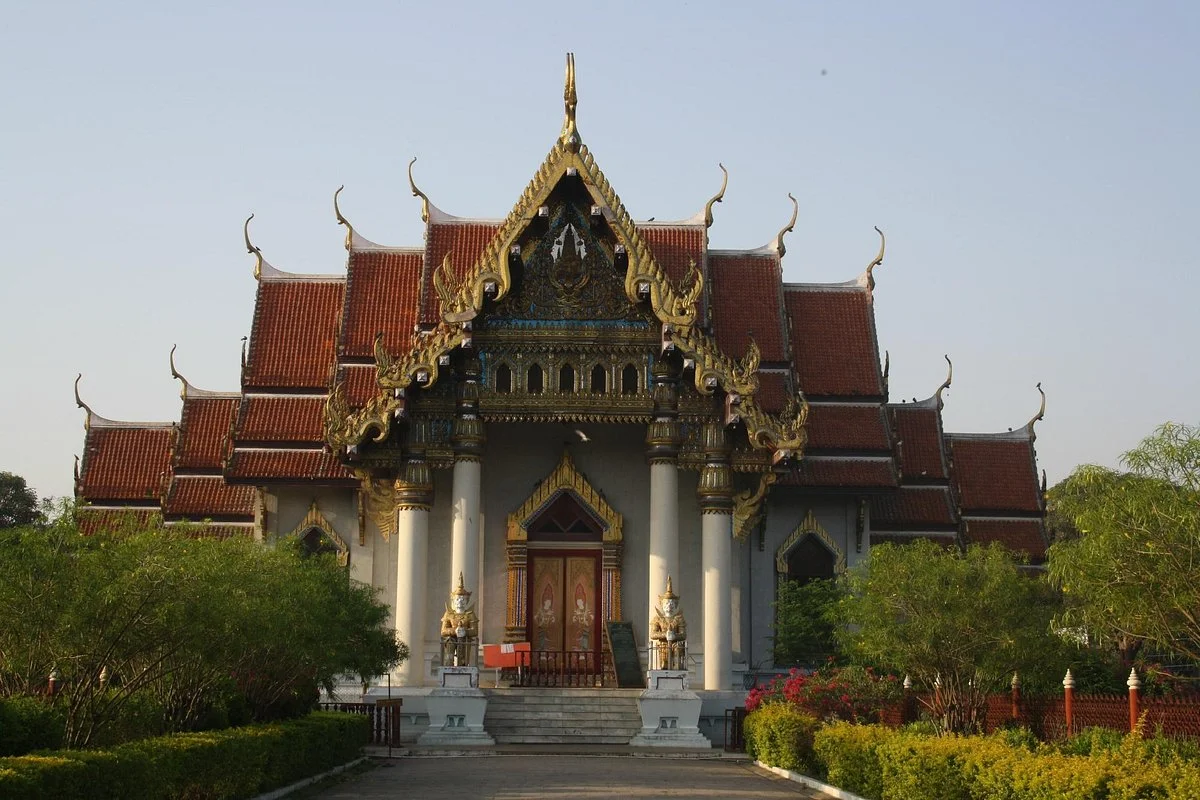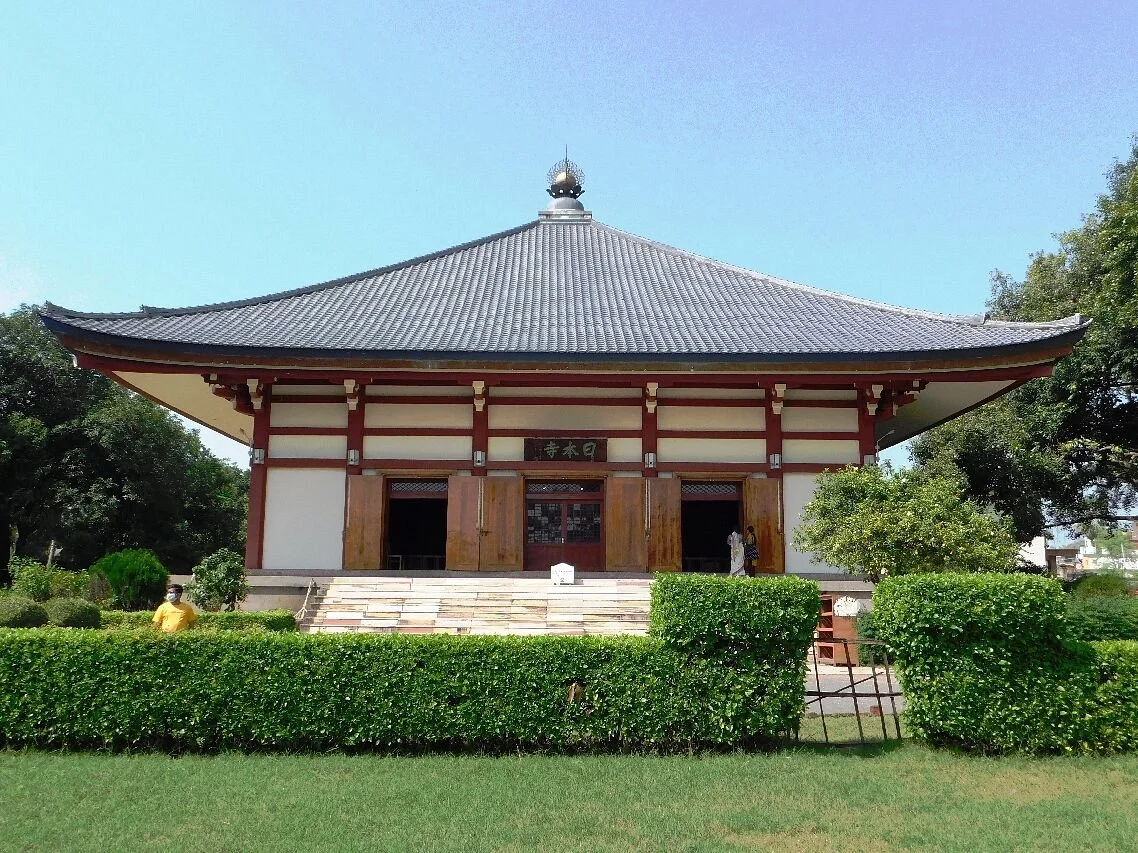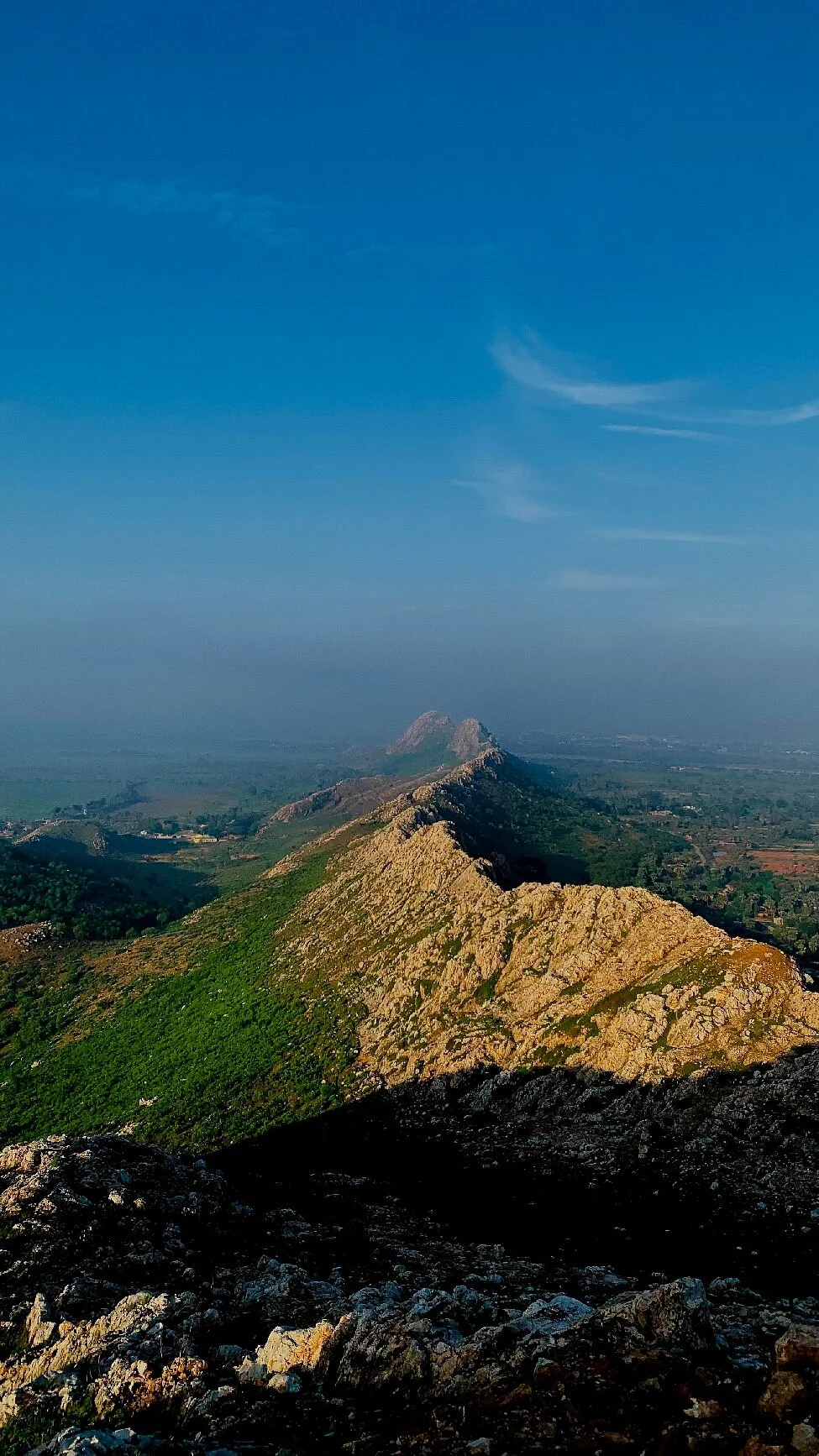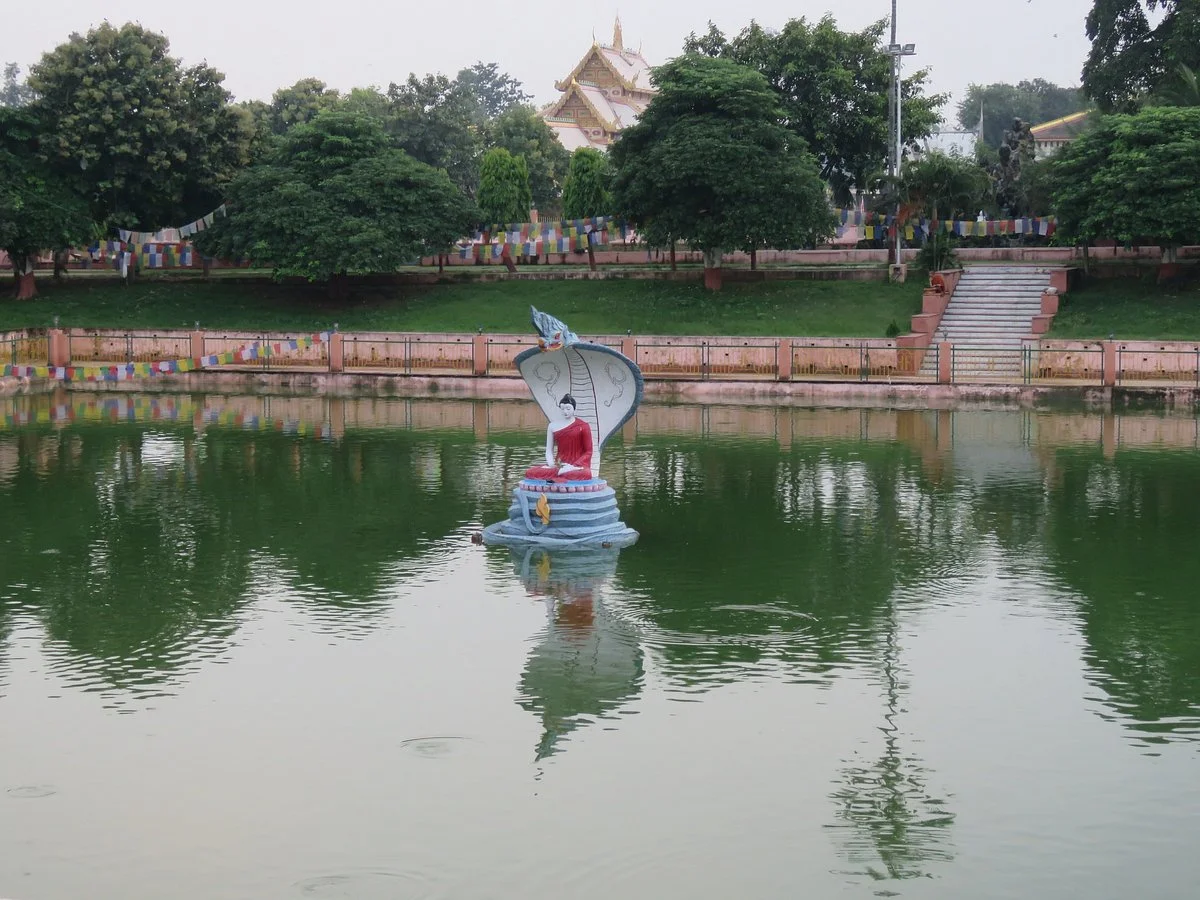
Bodh Gayā is a religious site and place of pilgrimage associated with the Mahabodhi Temple complex, situated in the Gaya district in the Indian state of Bihar. It is famous for being the place where Gautama Buddha is said to have attained enlightenment (Pali: bodhi) under what became known as the Bodhi Tree. Since antiquity, Bodh Gaya has remained the object of pilgrimage and veneration, for Hindus and Buddhists both.
In particular, archaeological finds, including sculptures, show that the site was in use by Buddhists since the Mauryan period.For Buddhists, Bodh Gaya is the most important of the main four pilgrimage sites related to the life of Gautama Buddha, the other three being Kushinagar, Lumbini, and Sarnath. In 2002, Mahabodhi Temple, located in Bodh Gaya, became a UNESCO World Heritage Site.
Most temples open from 6AM to sunset and close between noon and 2PM.
Bodh Gaya is essentially a pilgrimage destination for Buddhists and all of its main attractions are related to this. The subsidiary tourist industry that has grown up around it (shopping, eating, and accommodation) is not really the main attraction. However, there are a number of shops in the main town that specialize in cheap souvenirs that are specific to Bodh Gaya, which may be of interest to some pilgrims.
The main activity for pilgrims is to circumambulate the stupa and to practice meditation under the bodhi tree. Non-Buddhists may just savour the peaceful and refined atmosphere in and around the stupa. The lighting that was installed in 2020 has brought an especially warm and serene ambience to the main site, making the evening a good time to time to walk around the stupa or to just sit quietly under the tree.
Many restaurants and cafes are seasonal, and so from the beginning of April untito the end of September many of the places listed will be closed.
=
No information available
The man who became the Buddha was born in Lumbini, now in Nepal. He was the son of the local ruler, raised in some luxury and well-educated by the standards of the place and time. As a young man he became a seeker of knowledge, giving up luxuries, travelling a good deal, and learning from several teachers. Bodh Gaya is where he achieved enlightenment while meditating under a tree.