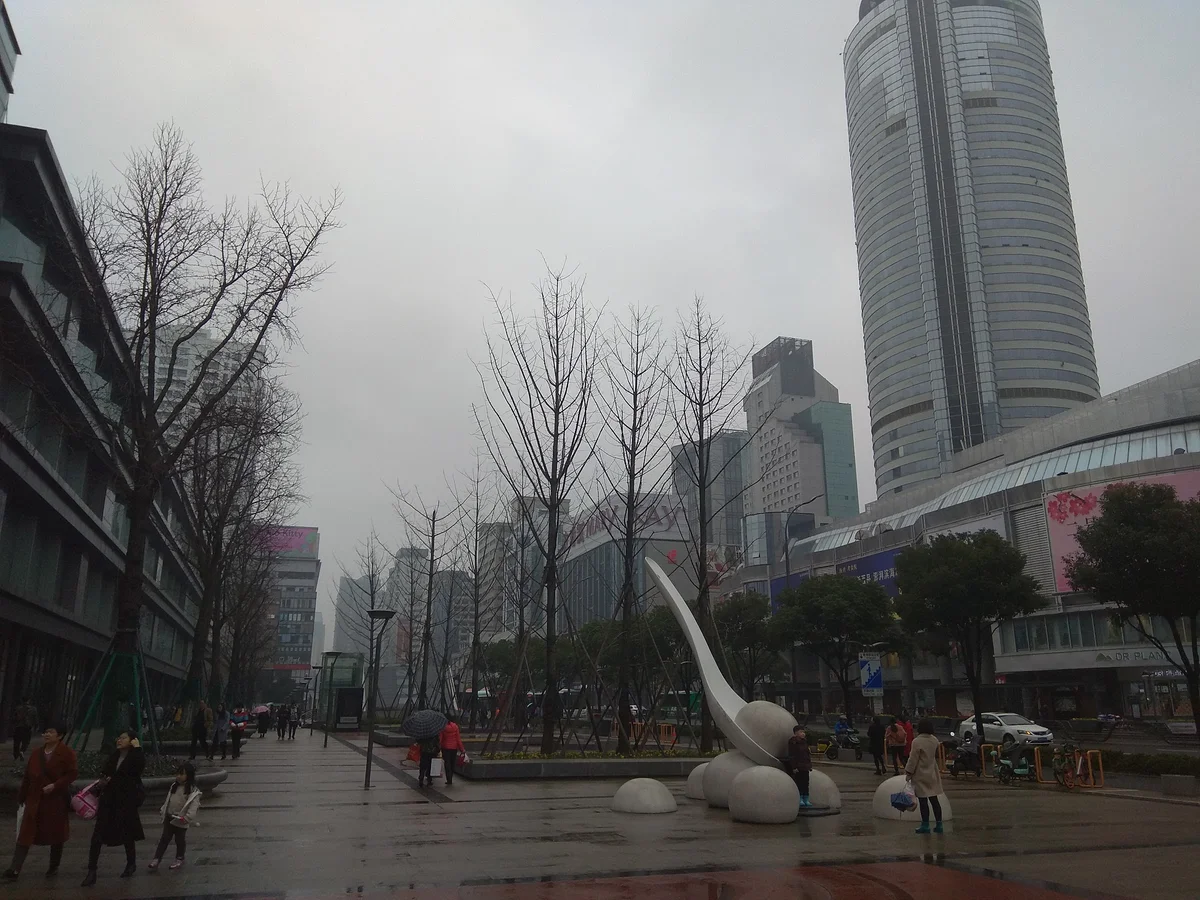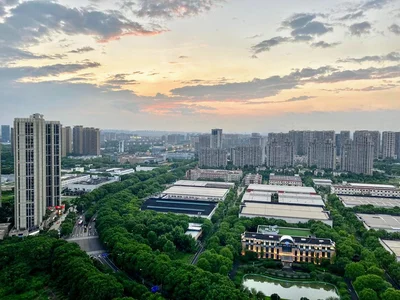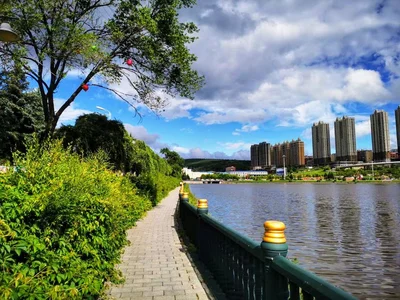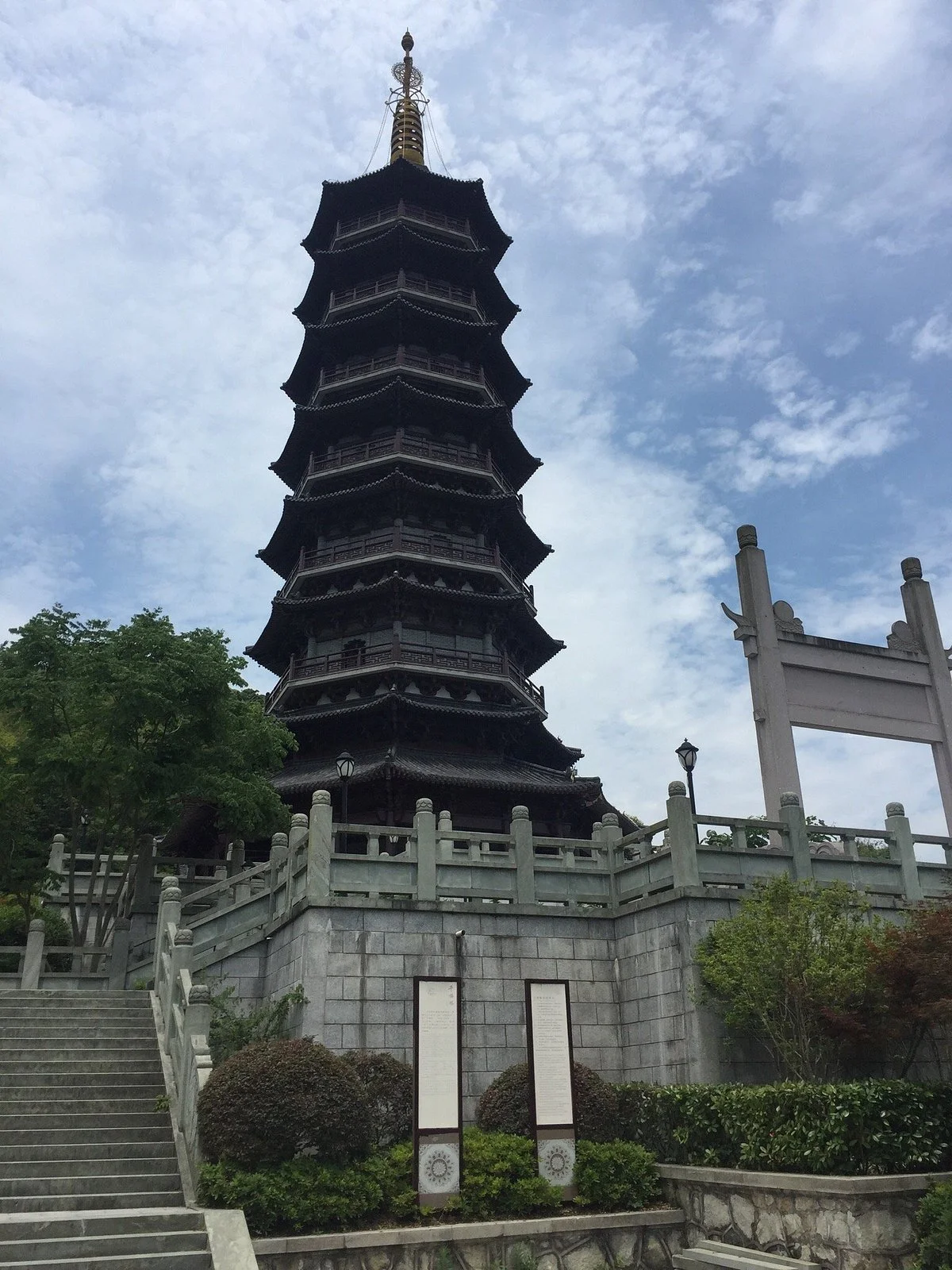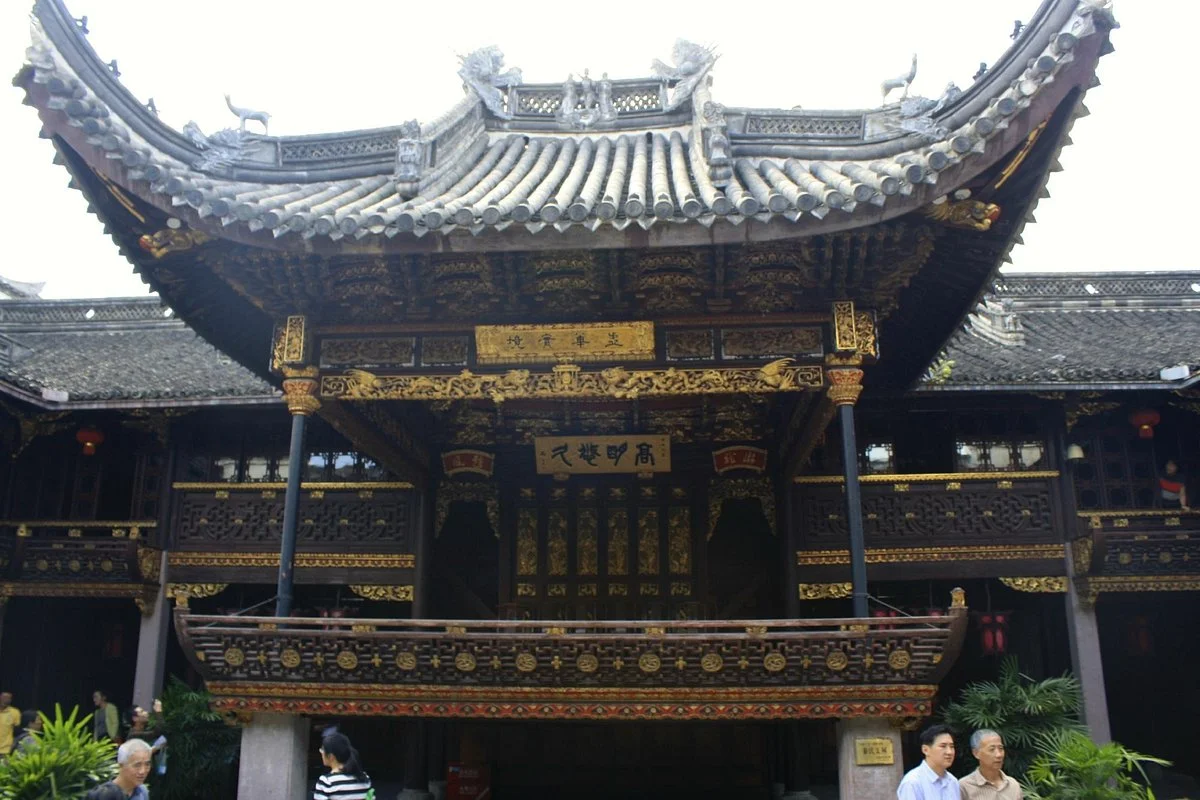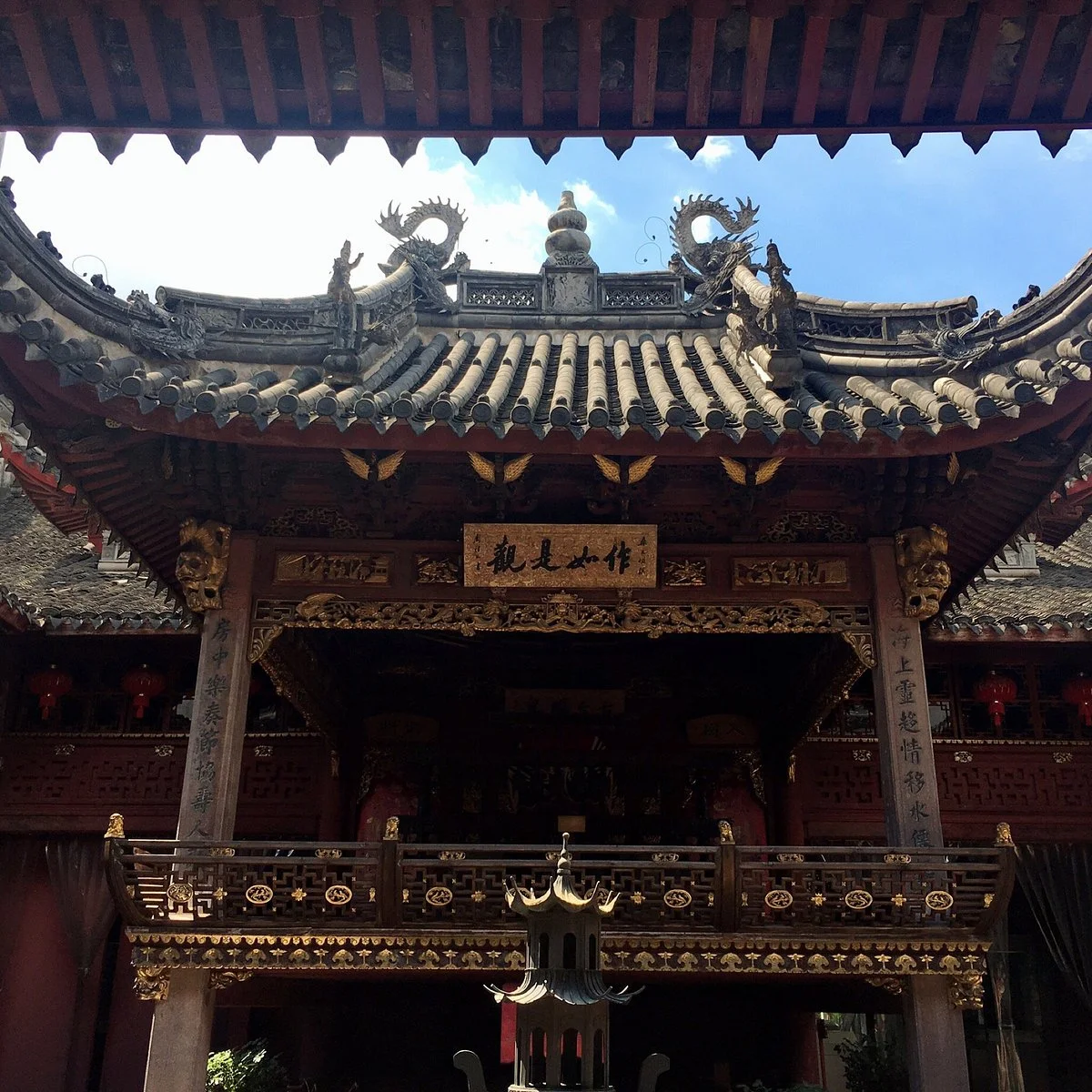
Ningbo is a sub-provincial city in northeast Zhejiang province, People's Republic of China. It comprises six urban districts, two satellite county-level cities, and two rural counties, including several islands in Hangzhou Bay and the East China Sea. Ningbo is the southern economic center of the Yangtze Delta megalopolis.
The port of Ningbo–Zhoushan, spread across several locations, is the world's busiest port by cargo tonnage and world's third-busiest container port since 2010.Ningbo is the core city and center of the Ningbo Metropolitan Area. To the north, Hangzhou Bay separates Ningbo from Shanghai; to the east lies Zhoushan in the East China Sea; on the west and south, Ningbo borders Shaoxing and Taizhou respectively.
As of the 2020 Chinese national census, the entire administrated area of Ningbo City had a population of 9.4 million (9,404,283).Ningbo is one of the 15 sub-provincial cities in China, and is one of the five separate state-planning cities in China (the other four being Dalian, Qingdao, Xiamen, and Shenzhen), with the municipality possessing a separate state-planning status in many economic departments, rather than being governed by Zhejiang Province.
Therefore, Ningbo has provincial-level autonomy in making economic and financial policies.In 2022, the GDP of Ningbo was CNY 1570,43 billion (US$233.479 billion), and it was ranked 12th among 293 cities in China. Moreover, Ningbo is among the wealthiest cities in China; it ranked 8th in terms of average yearly disposable income in the year of 2020. As of 2020, Ningbo has global headquarters and registered offices of over 100 listed companies, and many regional business headquarters.
In 2021, Ningbo featured the seventh most listed companies of all cities in China. Furthermore, Ningbo was among the top 10 Chinese cities in the Urban Business Environment Report released by the Chinese state media China Central Television (CCTV) in 2019.As a city with rich culture and a long history dating back to the Jingtou Mountain Culture in 6300 BC and the Hemudu culture in 4800 BC, Ningbo was awarded "City of Culture in East Asia" by the governments of China, Japan, and Korea in 2016.
From 1842, Ningbo was one of the first five treaty ports opened up to the West.
Ningbo is one of the top 200 cities in the world by scientific research as tracked by the Nature Index.
Beer at cheaper restaurants is quite weak and bland, and often not very cold. Foreign and more expensive Chinese restaurants have export-quality Tsingdao and European or Japanese beers.
All over Ningbo many bars often have happy hour specials with buy-one-get-one until 20:00 or buy-two-get-one after 20:00 on select beers, just ask before you order. In the Lao Wai Tan area there are many bars yet they're always empty and over priced as the competition is fierce. Home to Le Cargo the late night sleazy disco that normally end up in a fight and the police being called.
There are a few bars by the side of the Sheraton attract the new business men in town who like to rub shoulders and tell each other the stories they've read in the China guide books, or start offering each other shares in an idea! before running back to safety of their hotels. You will also find some foreign students trying to cross over into business around here too.
Business men at one time or another will trade from the outer district of Beilun. Many bars have been springing up to cater to them before they make the short trip back to downtown, alternatively next to every bar area you can find a cheap hotel if you don't have a driver and fancy a few more drinks.
If you're staying in a hotel get a business card or two before leaving the hotel so you can always get a taxi home by showing the card to your driver no matter how late it is!
As a foreigner, you can exchange your money at all major banks. A maybe wiser alternative is to use your foreign debit card. International ATMs (Plus/Maestro) can give about ¥2,500 out of each ATM at every transaction, up to a total maximum of ¥5,000 each day depending on your bank, which should be sufficient. International ATMs can be found all over the place and often have an English language option available before you insert your card.
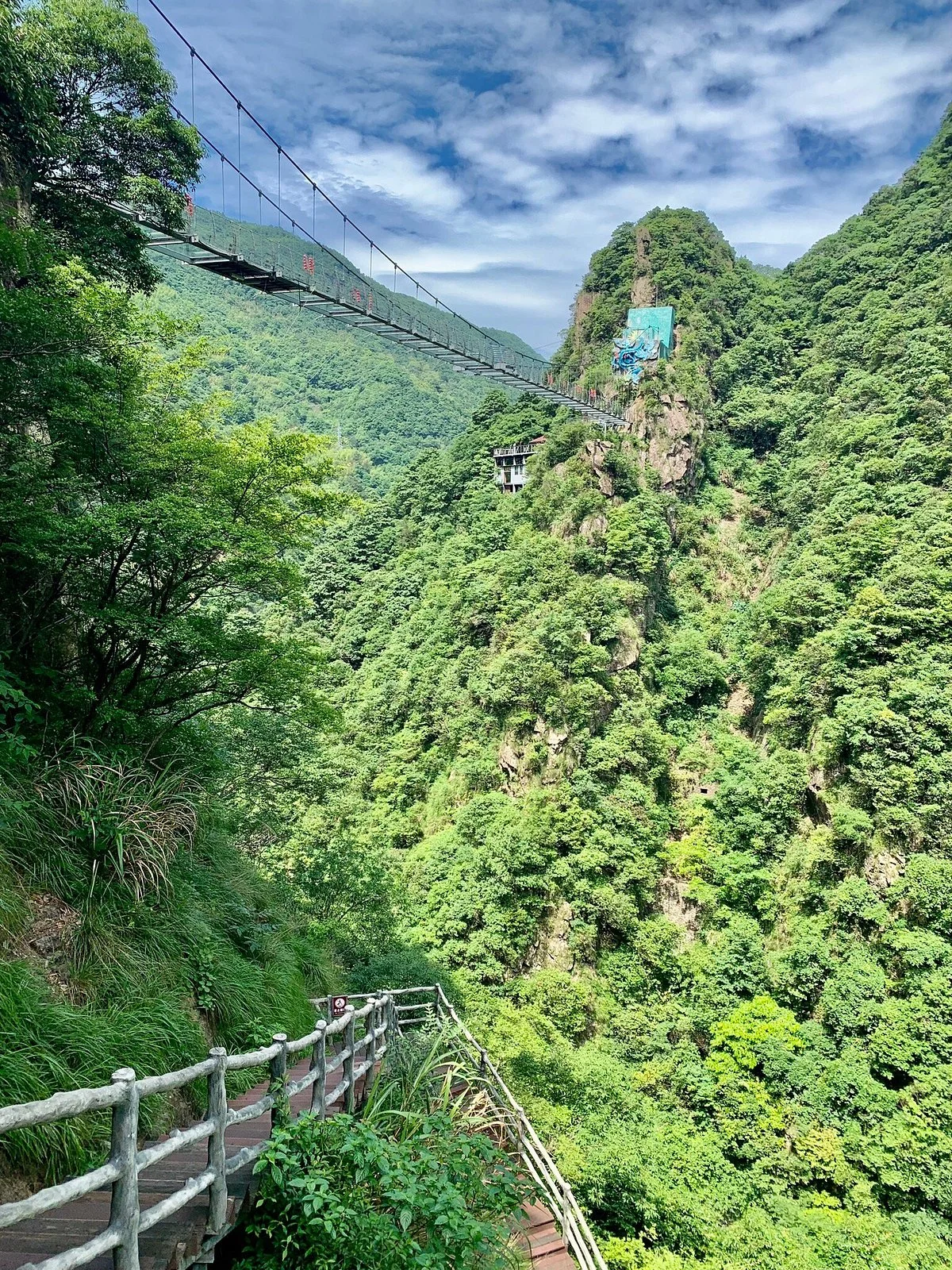
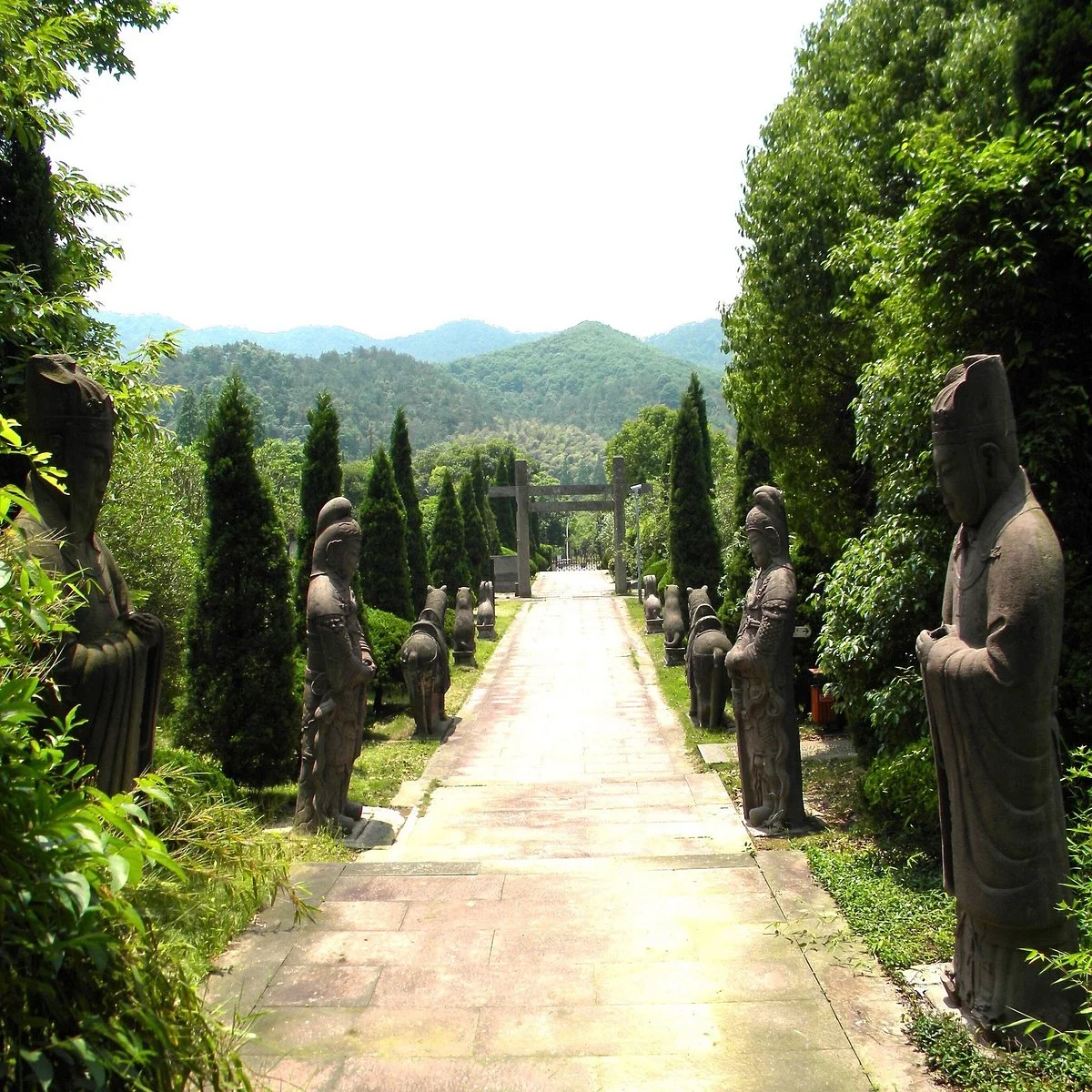
Ningbo is so much bigger than the small downtown area, staying downtown can fill a few days but it's just like any major city. To really see some jaw dropping parts of Ningbo, you have to adventure into the outer districts. There are breathtaking mountain ranges steeped in a deep and meaningful history that has been relatively undisturbed.
Ningbo lies on the south edge of the populous Yangtze Delta region and faces the East China Sea to the east. It has two main mountains within the prefecture boundaries, Siming Mountain and Tiantai Mountain. The Yuyao, Fenghua and Yongjiang rivers flow through the city area.
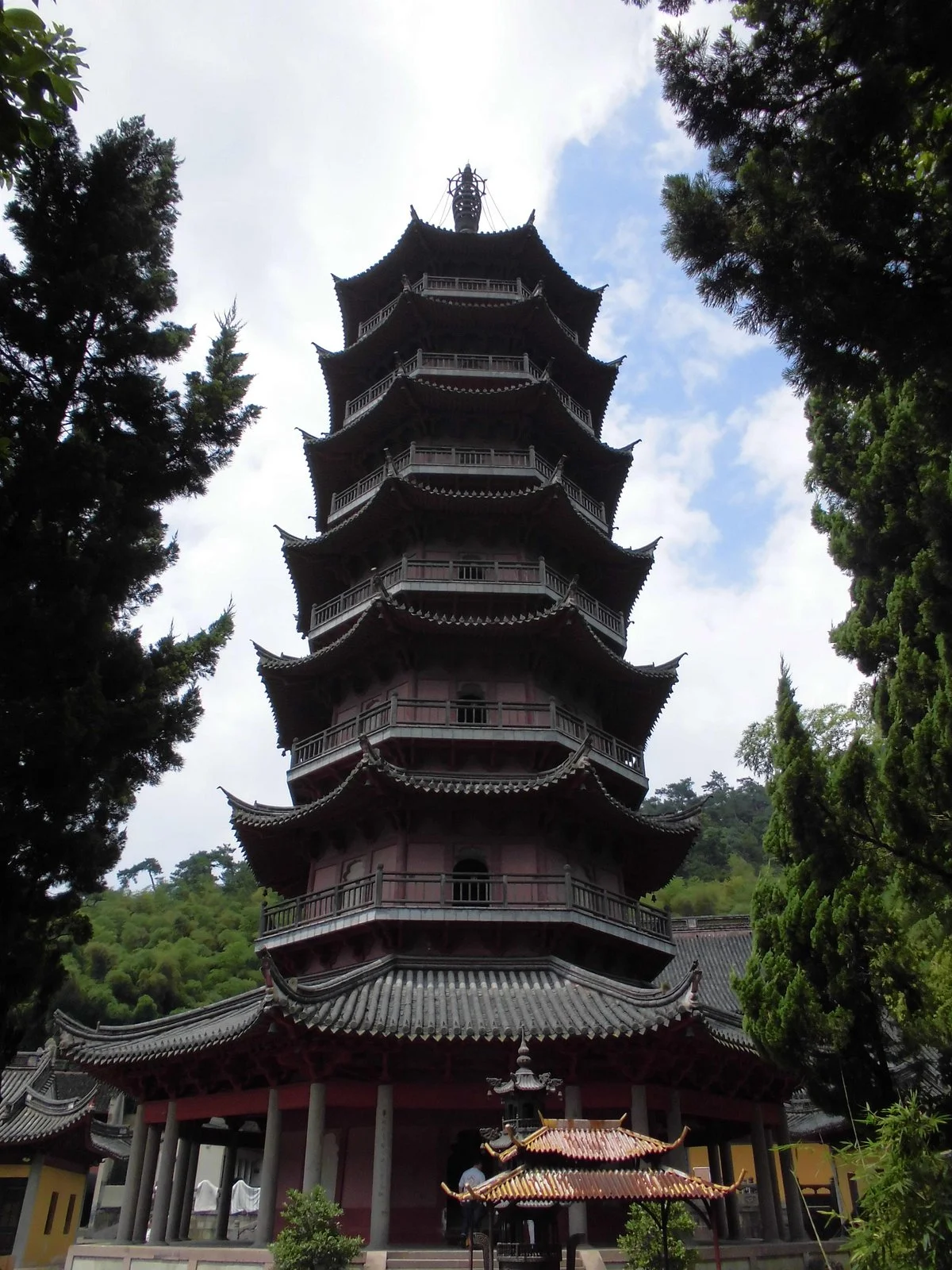
Nearby Mount Putuo is an island with a major Buddhist temple on it that has been declared a national park and attracts both pilgrims and tourists.
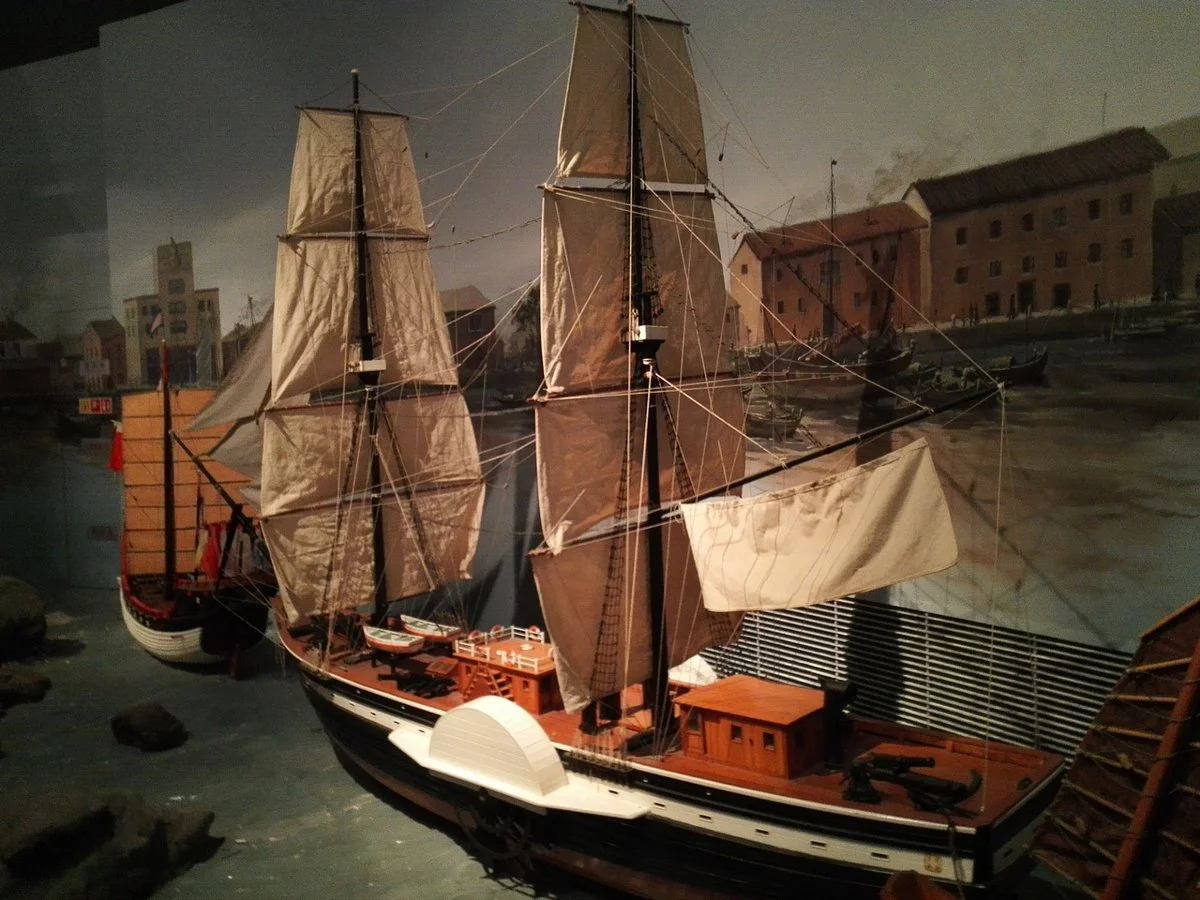
The people of Ningbo have throughout their history had a deep affinity for the ocean. Two thousand years ago, Xu Fu, a necromancer of the Qin Dynasty (221-207 BCE), led a fleet from here, thus becoming the first to commence China's exchanges with other countries. In the early 20th century "Hong-band" tailors from Ningbo traveled extensively throughout China making their living.
Portuguese sailors reached the Ningbo area in the first half of the 16th century. For a while, the city was the easternmost point of Asia known to Europeans. Portuguese attempts to establish a trading colony in the area failed, after which they turned their attention to Macau.
After the Opium Wars in the 19th century, China was forced to open five Treaty Ports for foreign trade, including Ningbo. The others were Guangzhou, Xiamen, Fuzhou and Shanghai. As in all the other Treaty Ports, this brought a boom in Ningbo.
The Hangzhou Bay Bridge, completed in 2007 to link the municipalities of Ningpo and Shanghai, has increased foreign investment and economic integration between Ningbo and Shanghai.
Ningbo is not only a very important port city but also the engine of the economy on the east coast of China. Ningbo started foreign trade in the 7th century and has since become a major exporter of electrical products, textiles, food, and industrial tools in China today.