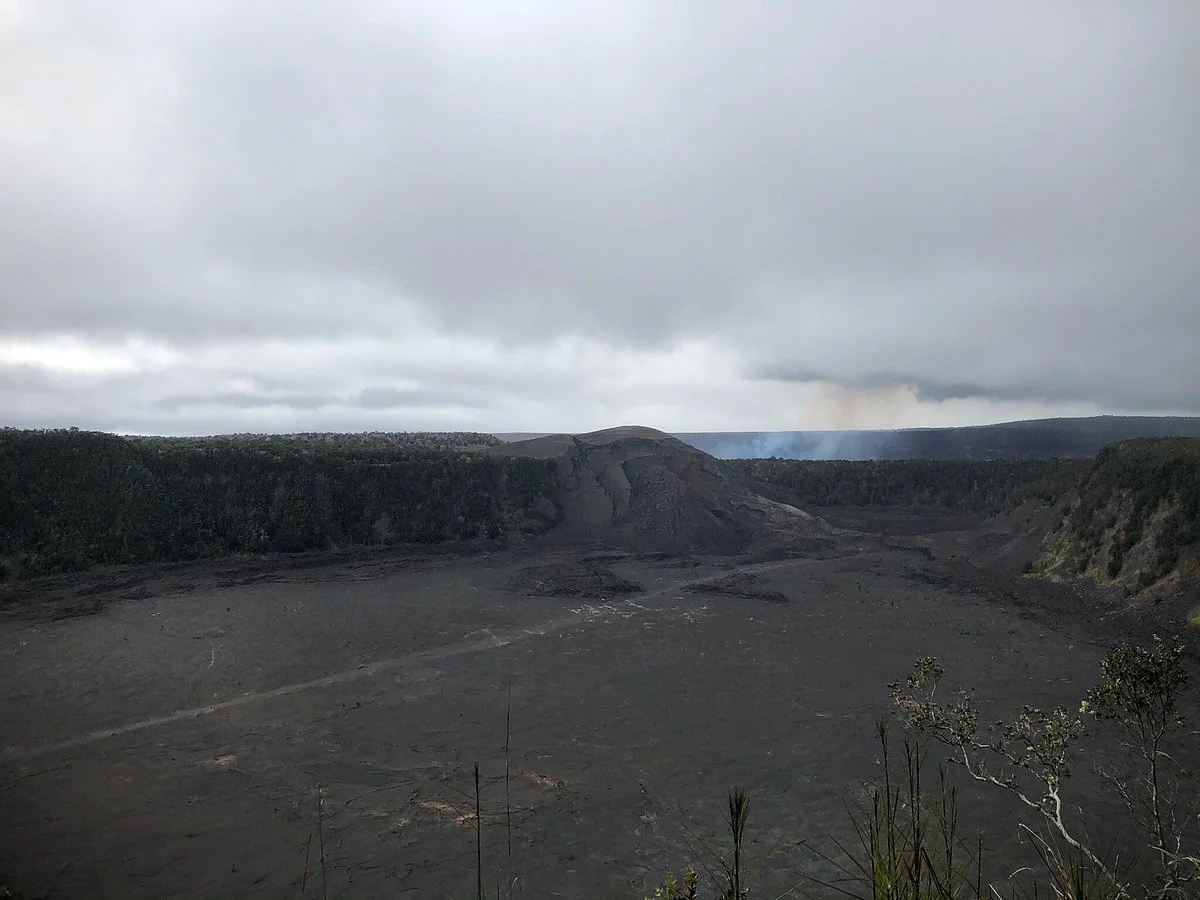
Tengchong (simplified Chinese: 腾冲; traditional Chinese: 騰衝; pinyin: Téngchōng) is a county-level city of Baoshan City, western Yunnan province, People's Republic of China. It is well known for its volcanic activity. The city is named after the town of Tengchong which serves as its political center, previously known as Tengyue (Chinese: 腾越; pinyin: Téngyuè) in Chinese. English language sources of the late nineteenth and early twentieth centuries use names such as Teng-Chung, Tingyueh, Teng Yueh, Momein and Momien.
It borders with Myanmar in the northwest for 151 km (94 mi). By road, it is 650 km (400 mi) west of the provincial capital, Kunming, and 170 km (110 mi) westward from Baoshan's urban area.
Tengchong marks the southwestern terminus of the Heihe–Tengchong Line, an imaginary line significant in geography that divides the area of China into two roughly equal parts.
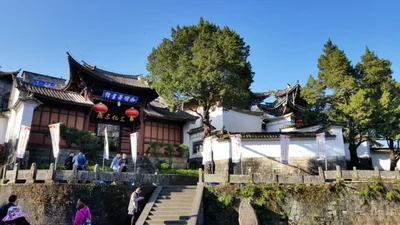
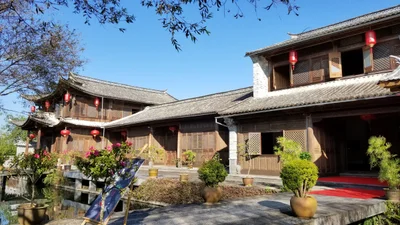
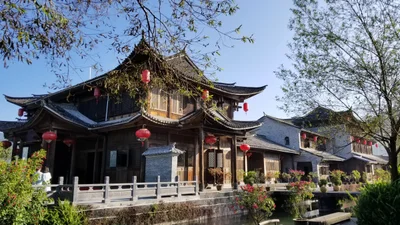
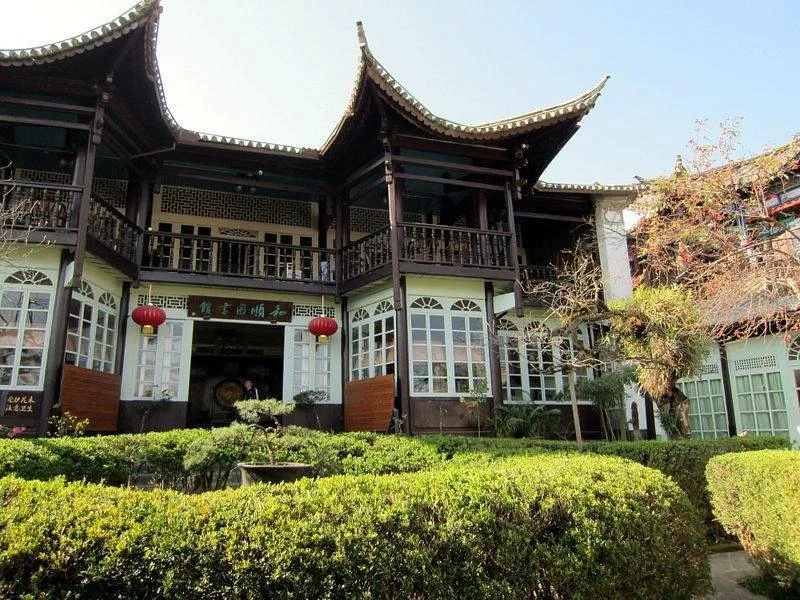
Tengchong suffered heavy damage during World War II and the impact of the war can be seen in many parts of the city. For instance, the old British Consulate building includes bullet holes visible from WWII when the Japanese used it as a stone bastion during the Battle of Tengchong. The old city wall was sadly obliterated during the battle, but the north gate has since been rebuilt. The iconic pagoda on Laifeng Hill in the city's south has also been rebuilt. A famous seasonal wetland lake area north of the city is a great attraction for migratory birdlife. Two traditional Qing Dynasty villages near the city are preserved, one to the southeast and one to the southwest. The latter features the first ever private museum in Yunnan. Both feature significant amounts of traditional Qing Dynasty aristocratic architecture including murals, wood and stone carvings and other significant Chinese architectural features.
Taxis or didi dache (Chinese Uber) are probably your best bet. The areas outside the city may be too distant to casually bicycle.
Buses are also a good option. Besides regular buses, there are also special express buses to major tourist attractions such as the Tengchong Volcano Cluster and the Rehai Geothermal Field.
Tengchong is administratively part of the city of Baoshan (保山), but is otherwise a city in its own right. The main urban area of Baoshan is approximately 170km from Tengchong.
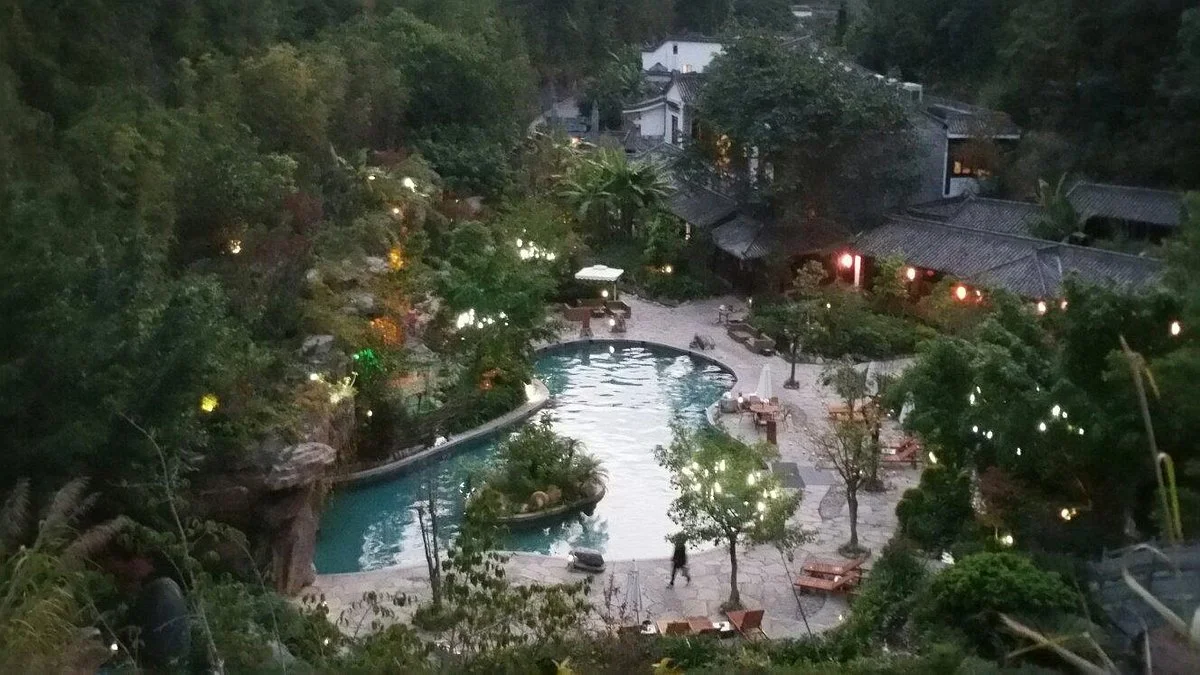
Tengchong is popular with Chinese tourists, but sees relatively few foreign tourists. It is best known for its volcanoes and hot springs. The ancient town of Heshun, also a popular tourist destination, is 4 km from downtown Tengchong.
Previously known in English as Tengyue or Tengyueh, it was at one time a British trading base when British-occupied Burma had ambitions of increased trade volumes with China.