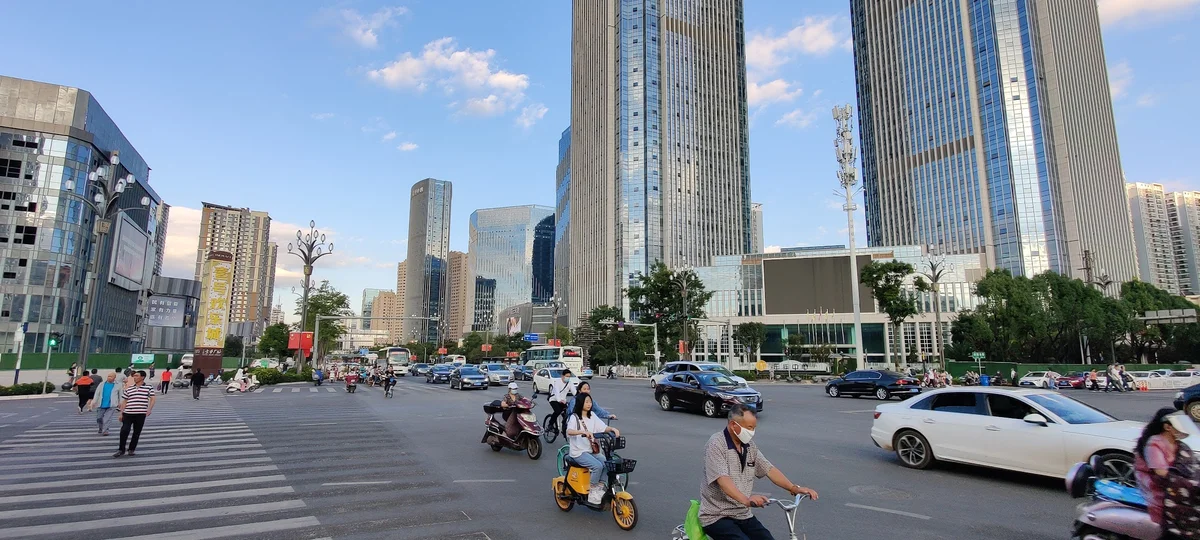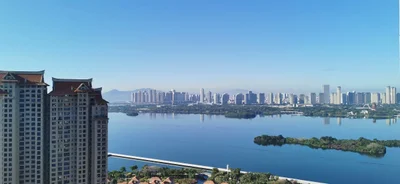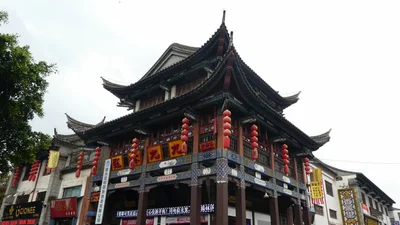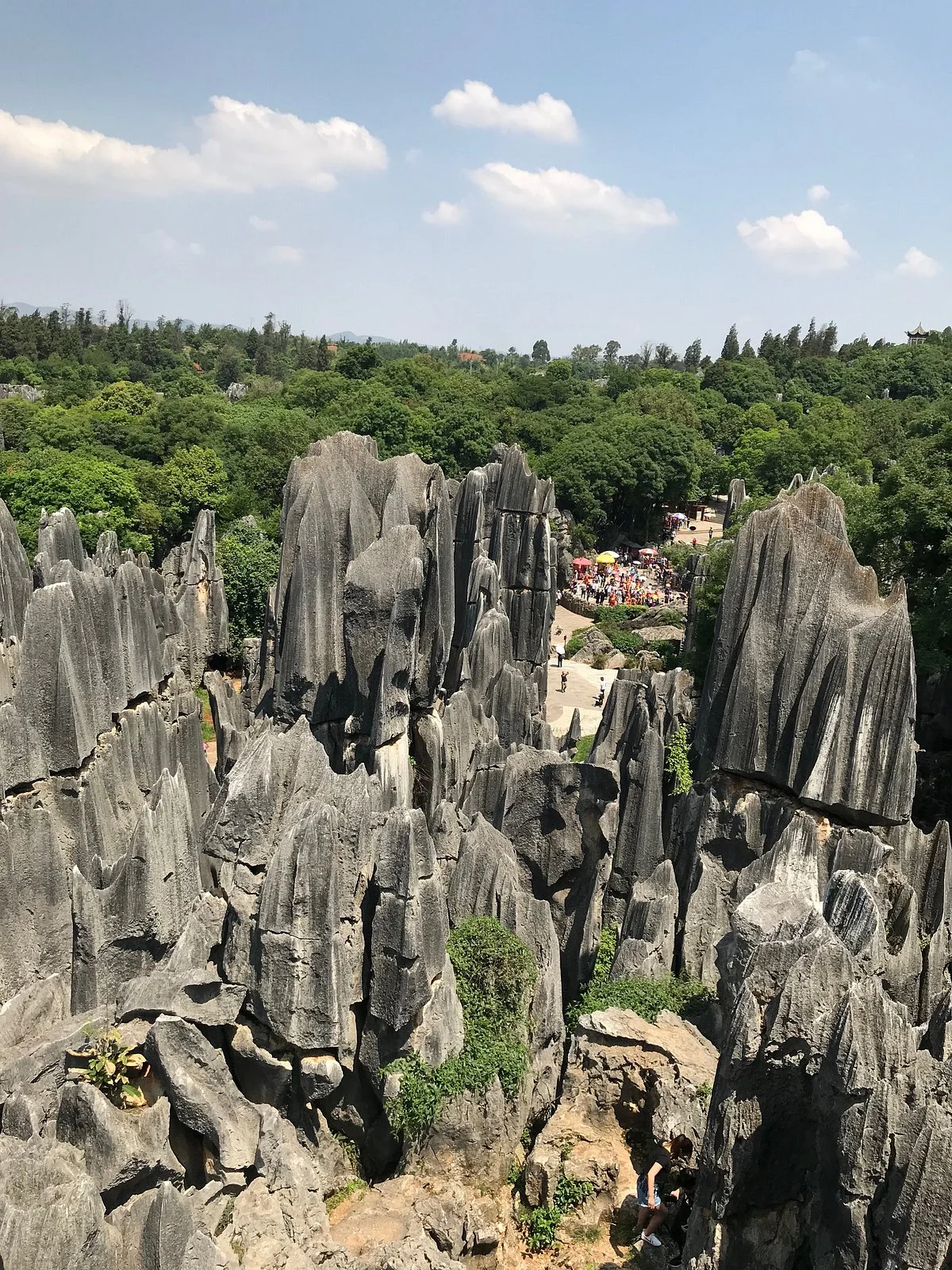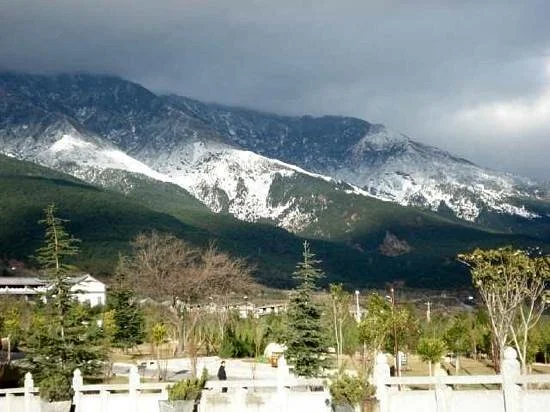
Kunming is the capital and largest city of Yunnan province, China. It is the political, economic, communications and cultural centre of the province as well as the seat of the provincial government. The city was of great significance during World War II as a Chinese military center, American air base, and transport terminus for the Burma Road. In the middle of the Yunnan–Guizhou Plateau, Kunming is at an altitude of 1,900 metres (6,234 feet) above sea level and a latitude just north of the Tropic of Cancer. The city is the fourth most populous city in Western China, after Chongqing, Chengdu, and Xi'an, as well as the third most populous city in Southwestern China after Chongqing and Chengdu. As of 2020 census, Kunming had a total population of 8,460,088 inhabitants, of whom 5,604,310 lived in its built-up (or metro) area made of all urban districts but Jinning, not conurbated yet. It is at the northern edge of Dian Lake, surrounded by temples and lake-and-limestone hill landscapes.
Kunming consists of an old, previously walled city, a modern commercial district, residential zones, and university areas. The city is also one of the major centers for scientific research and education in Southwestern China. As of 2023, it was listed among the top 125 cities in the world by scientific research output. The city has an astronomical observatory, and its institutions of higher learning include Yunnan University, Kunming University of Science and Technology, Yunnan University of Finance and Economics, Kunming Medical University, Yunnan Normal University, Yunnan Agricultural University and Southwest Forestry University. On the northeast mountainous outskirt is a bronze temple dating from the Ming dynasty, the largest of its kind in China.
Kunming is also one of the major economic centers in Western China. The city's economic importance derives from its geographical position, as it shares a border with various Southeast Asian countries, serving them as a transportation hub in Southwest China, linking by rail to Vietnam and Laos, and by road to Myanmar and Thailand. This positioning also makes the city an important commercial center of trade in the region. The city also acts as a gateway to Southeast Asia and South Asia, the Kunming Changshui International Airport is one of the top 40th-busiest airports in the world. The headquarters of many of Yunnan's biggest corporations are based in the city. Kunming also houses some manufacturing, chiefly the processing of copper, as well as various chemicals, machinery, textiles, paper and cement. Kunming has a nearly 2,400-year history, but its modern prosperity dates only to 1910, when the railway from Hanoi was built. The city has continued to develop rapidly under China's modernization efforts. Kunming's streets have widened while office buildings and housing projects develop at a fast pace. Kunming has been designated a special tourism center and as such sports a proliferation of high-rises and luxury hotels.
=
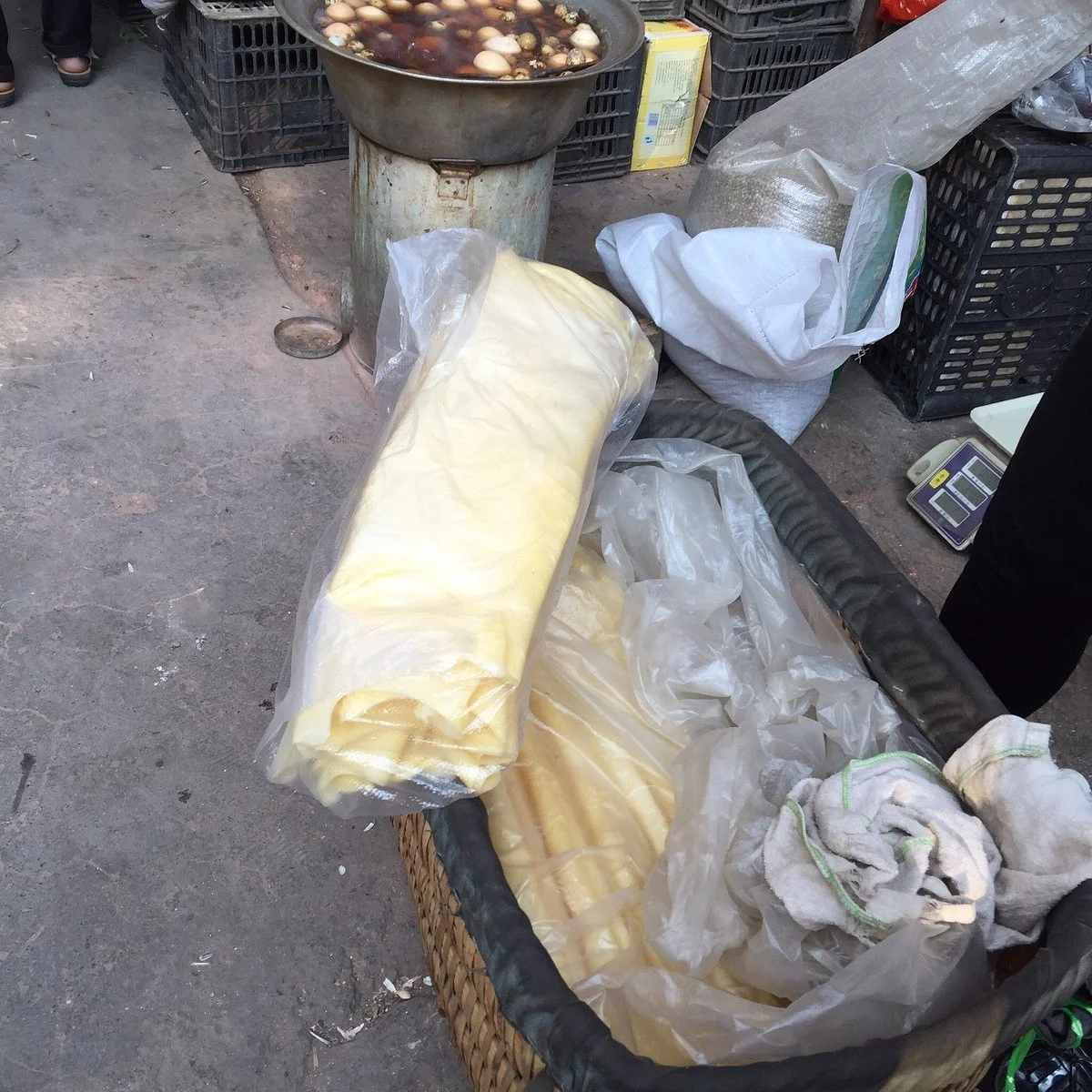
Local specialties include:
Many restaurants in Kunming offer localized food delivery. One particularly convenient restaurant delivery service in Kunming is called Lazy Bones Home Delivery. They deliver food for restaurants like '''Daddy's Diner''' all over Kunming. Unfortunately they charge a small fee. You can find them on the web or call .
The main club area is in the Wuhua district, specifically Kundu Bar Street. Clubs are open until 05:30 or 06:00. There are probably more than 10 clubs to suit every style and taste.
Kunming is well connected to anywhere in China or Southeast Asia and reasonably easy to reach from outside that region.
Kunming has generally good roads but they are often badly overloaded with traffic, and not only at peak times. By Western standards, the driving is often appalling; see Driving in China. For any journey by ground transport, a generous allowance for traffic delays is good planning.
Kunming is one of the most important transport hubs of Southwest China. It is well connected to the rest of China by road, rail and air and also has good air links to Southeast Asia and a few outside the region, such as flights to Kolkata.
Some historic routes no longer exist. The old French-built railway to Vietnam is no longer in service, but a new railway along a similar route (Kuning to Hekou North 河口北), with regular passenger service, has been opened to replace it. There are also buses along that route, and a new bullet train link all the way to Singapore via Vientiane is perennially under discussion. The Burma Road, which terminated in Kunming, no longer exists but there are newer and better roads over much of that route and rail over some of it.
The area is known for the Yí (彝) people, an ethnic minority prevalent in and around Kunming. Especially at popular tourist sites, you may see people dressed in traditional Yi garb and selling handicrafts or showing off local dances.