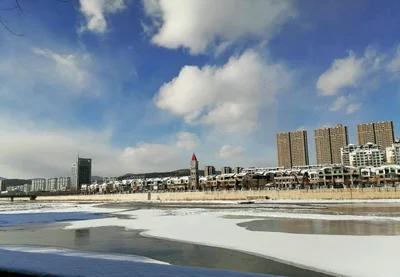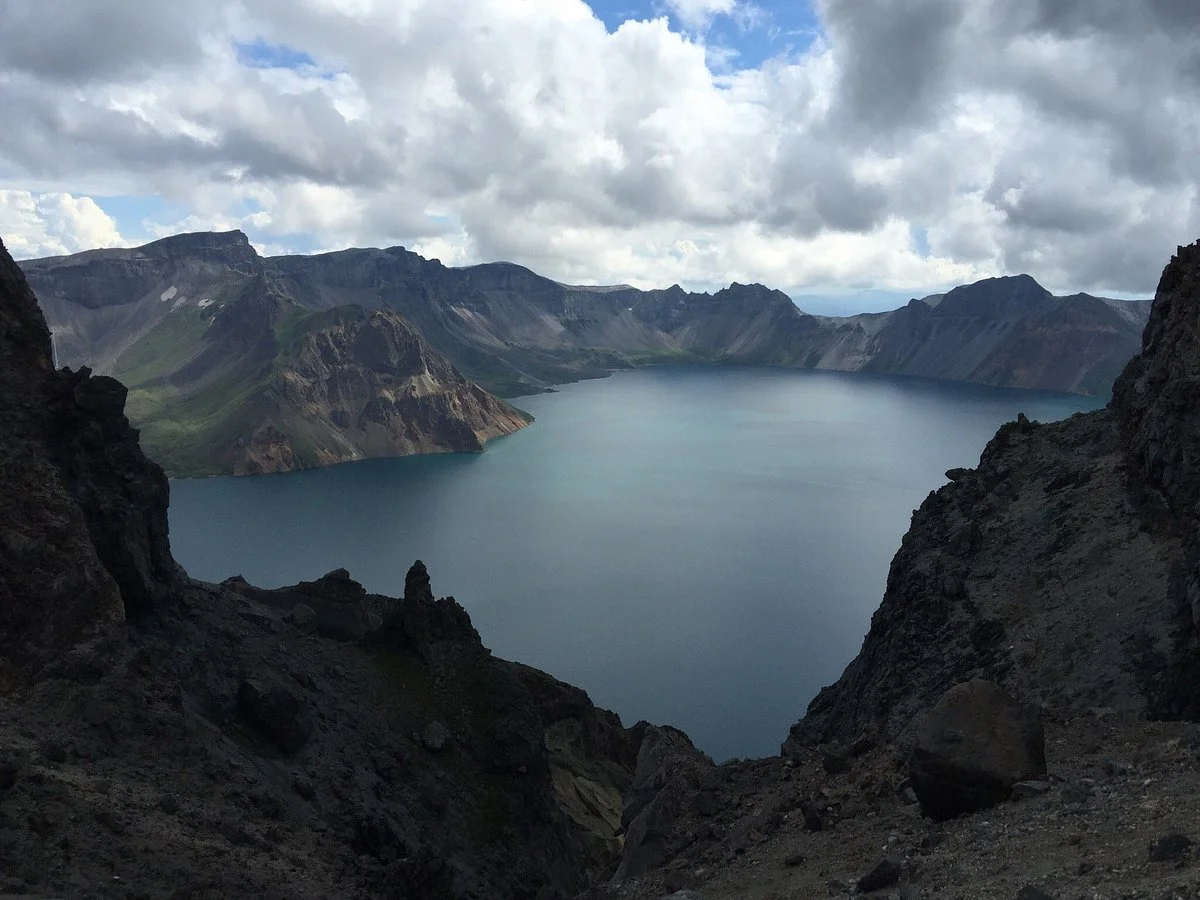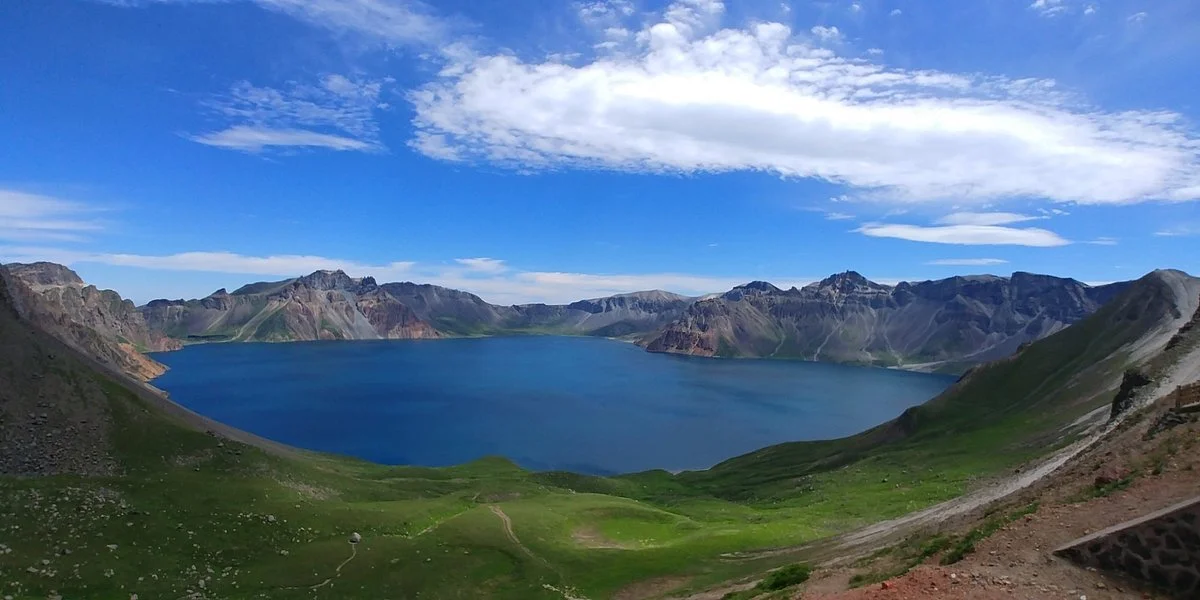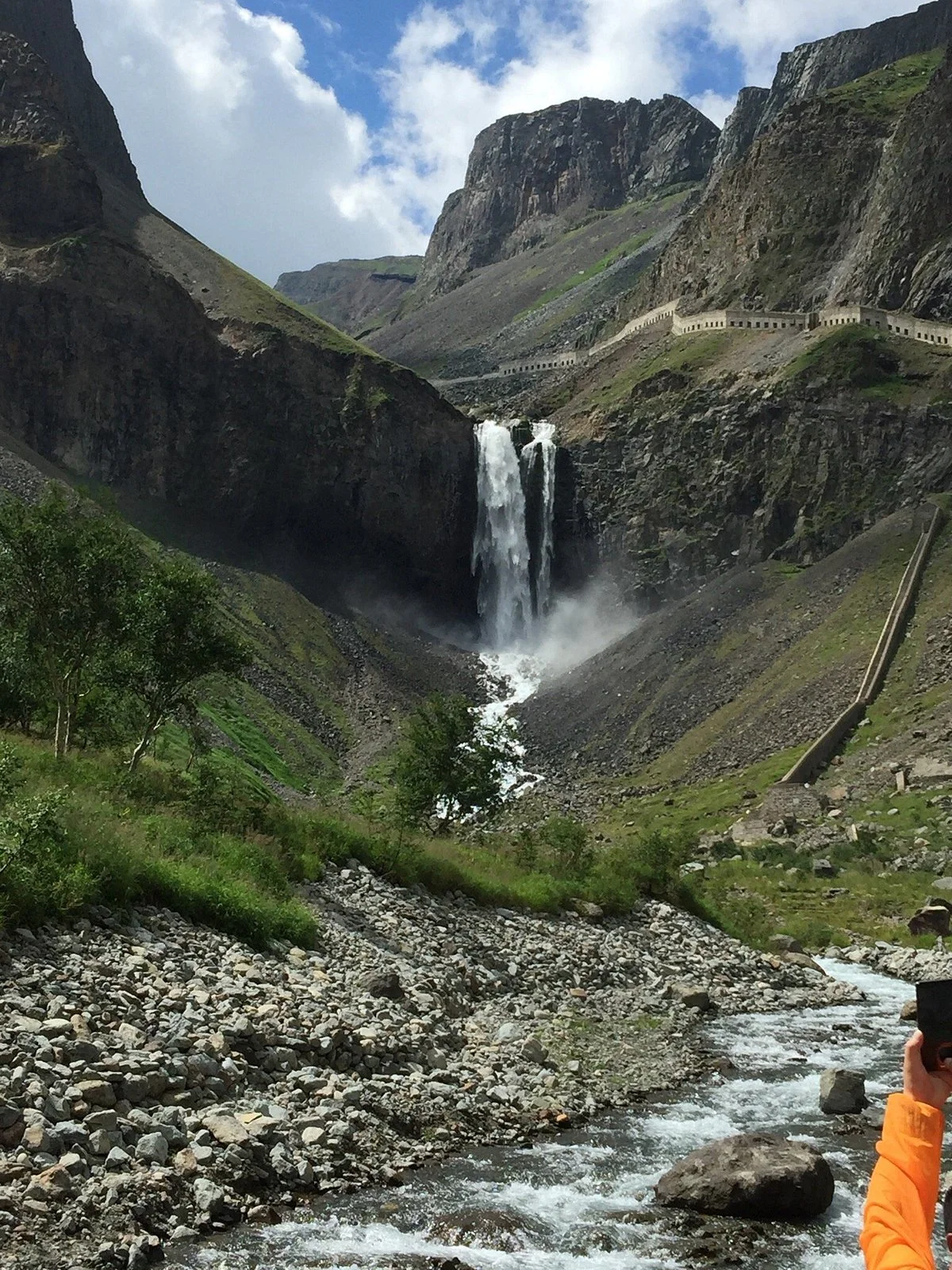
Baishan (Chinese: 白山; pinyin: Báishān, is a prefecture-level city in southeastern Jilin province, in the Dongbei (northeastern) part of China. "白山" literally means "White Mountain", and is named after Changbai Mountain (Chinese: 长白山; pinyin: Chángbái Shān). Baishan borders Yanbian to the east, Tonghua to the southwest, Jilin City to the north, and North Korea to the south.
Baishan is to be granted the title of China International Mineral Water City. In Baishan is the Baishan Dam.
The local cuisine is a fusion of North-Eastern Chinese with strong Korean influences. The Changbai mountains are rich in mushroom varieties, many of which are hard to find anywhere else in the world. Some varieties such as cloud ear fungus, lingzhi and ginseng are highly prized in China and also make excellent gifts.
Songhua River Water (松花江水): As White Mountain City is situated in the Songhua River Basin, you can savor the crisp and refreshing Songhua River water, which is a pure and natural water source.
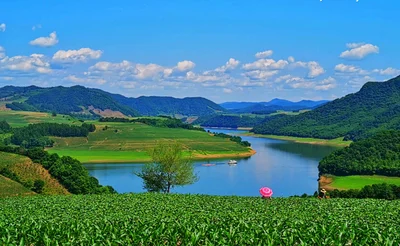
Songhua Lake Liquor (松花湖酒): Songhua Lake is one of the famous attractions in White Mountain City, and the local area may produce some alcoholic beverages inspired by Songhua Lake, such as Songhua Lake Liquor.
Herbal Tea from Forest Harvest (林区采摘的草本茶): The mountainous areas of White Mountain City likely offer herbal teas crafted from plants harvested in the forests, presenting a fresh and invigorating taste.
By train from Jilin city or Changchun city, via Tonghua, however the train is slow and the physical condition is poor.
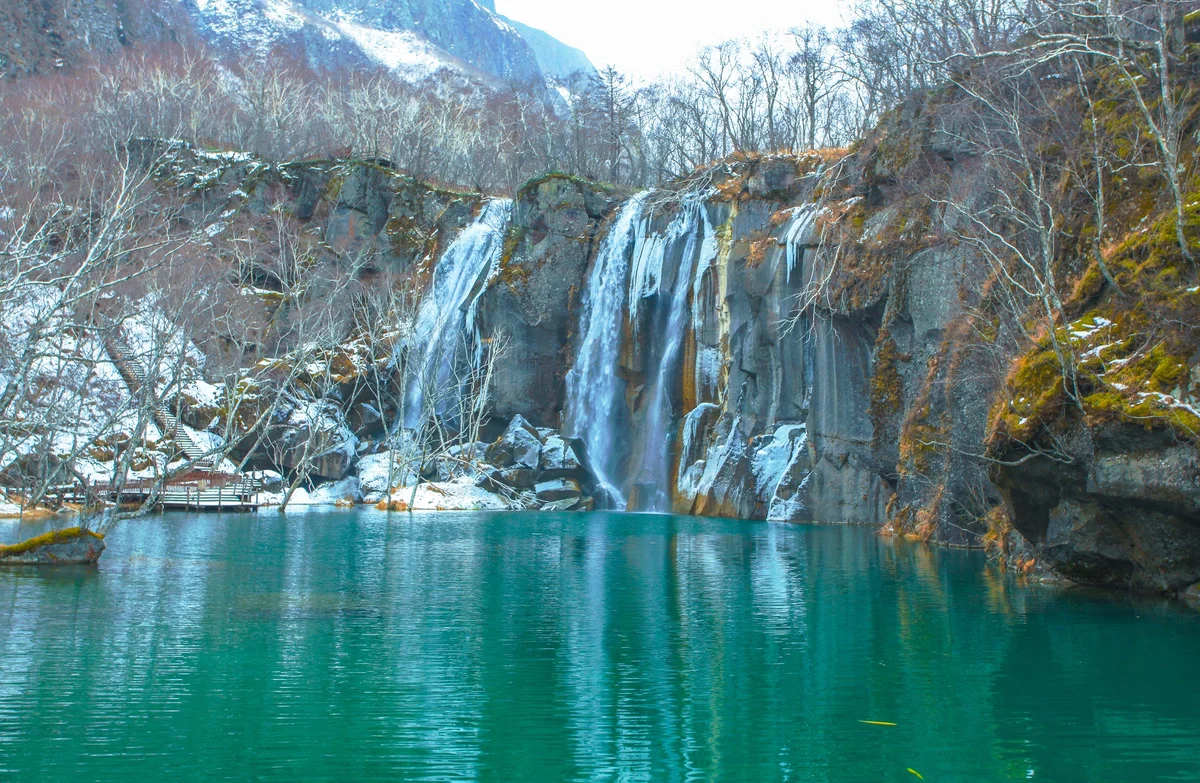
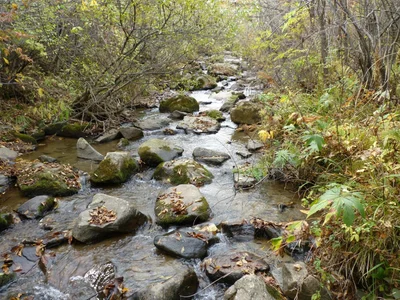
Baishan is neighbor to cities of Yanbian, Tonghua and Jilin. Yalujiang River separates it from North Korea in the south. Baishan is covered with mountains, hills and valleys with rivers winding across. Lava tableland is a special geographic feature of the land.
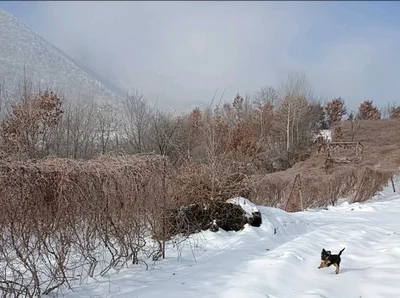
It is wonderful to visit Baishan in every season of a year. Each year in summer, autumn and winter, the city holds different tourism festivals such as Wild Flowers Festival in spring, Red Leaves Festival in autumn as well as Ice and Snow Festival in winter. Be aware that, owing to its mountainous terrain and northerly latitude, the region has some of the coldest winters in China.