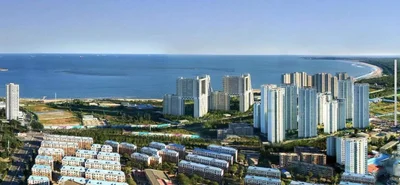
Qinhuangdao (; Chinese: 秦皇岛) is a port city on the coast of China in northern Hebei. It is administratively a prefecture-level city, about 300 km (190 mi) east of Beijing, on the Bohai Sea, the innermost gulf of the Yellow Sea. Its population during the 2020 national census was 3,136,879, with 1,881,047 people living in the built-up (or 'metro') area made up of 4 urban districts.
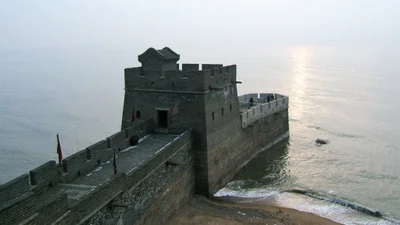
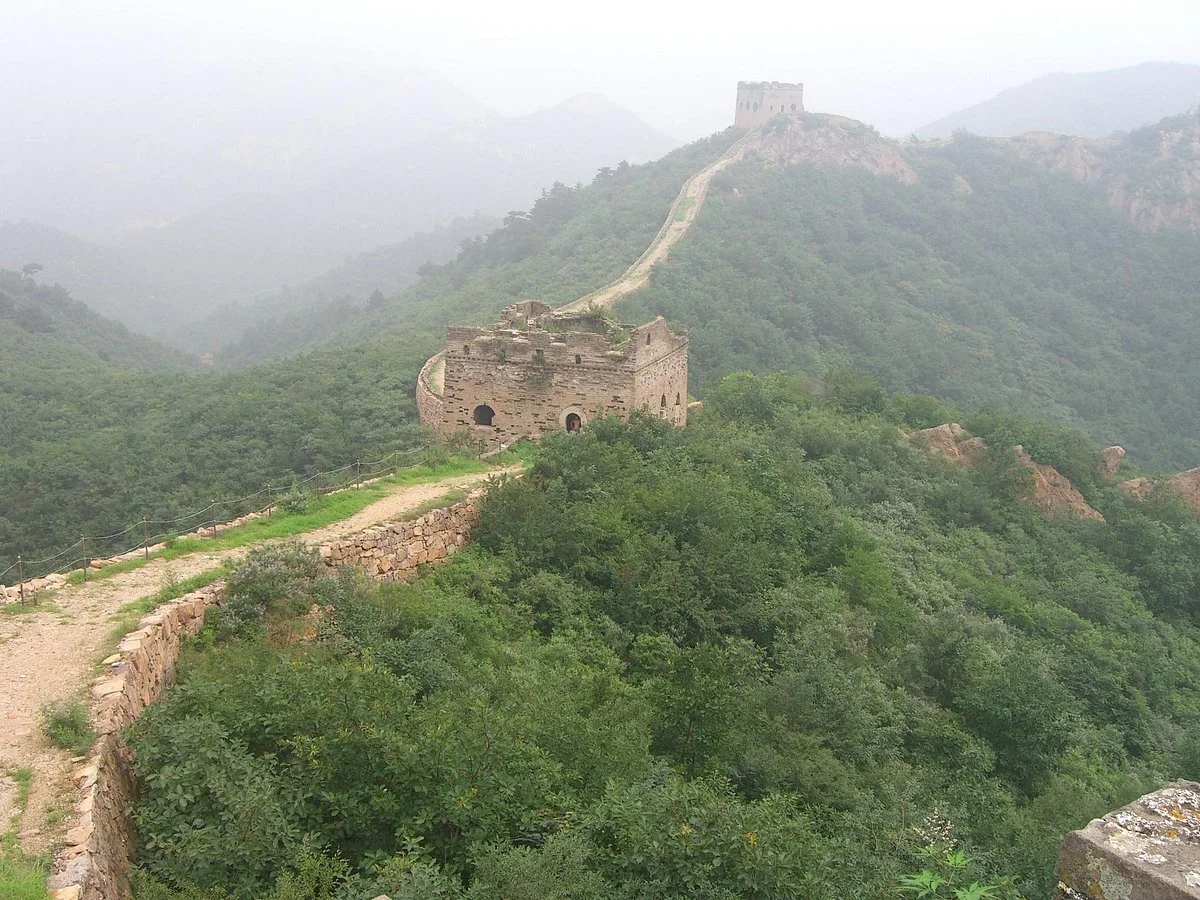
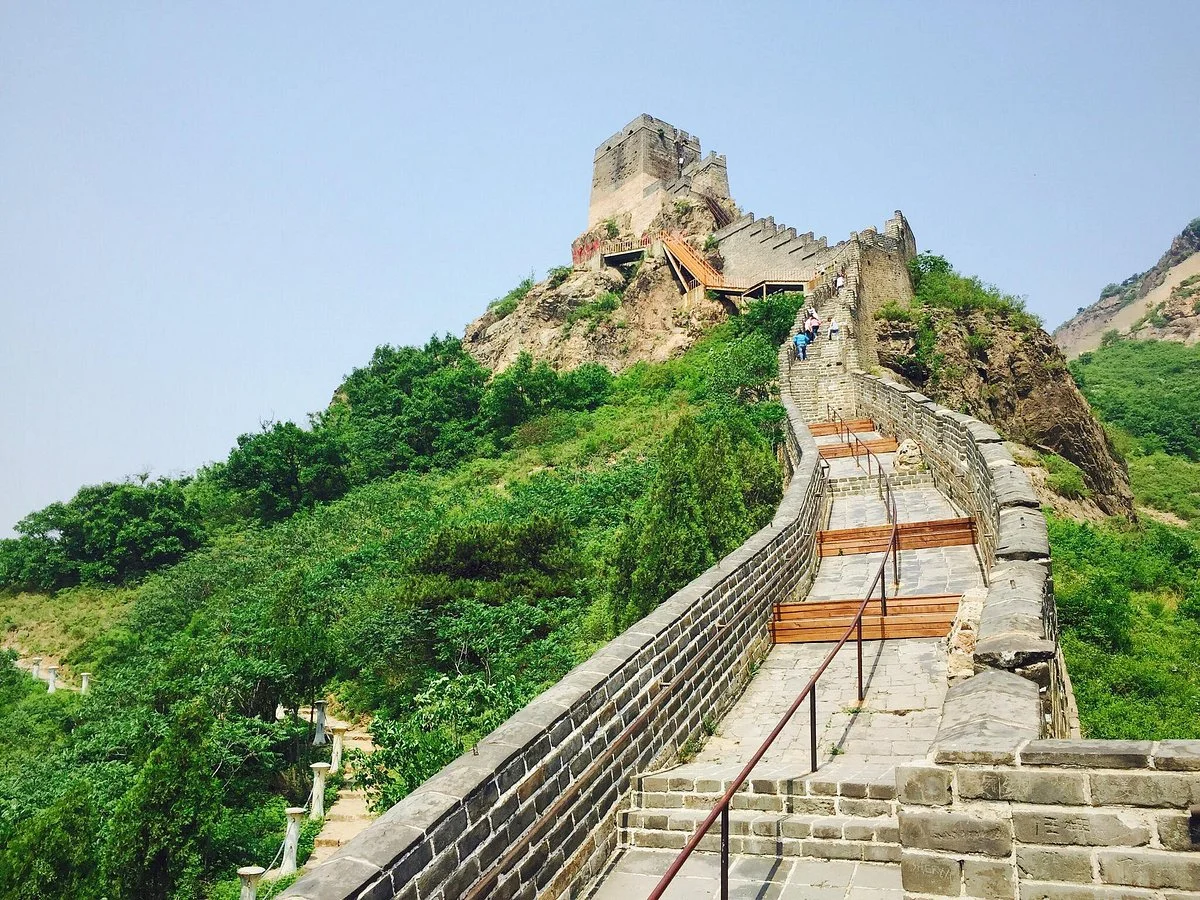
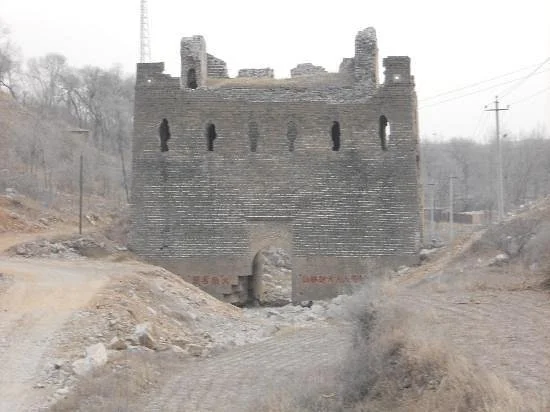
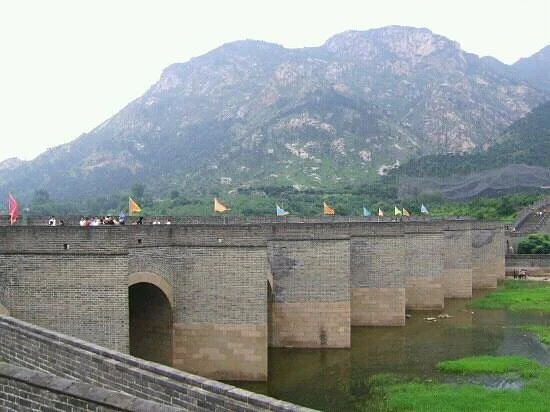
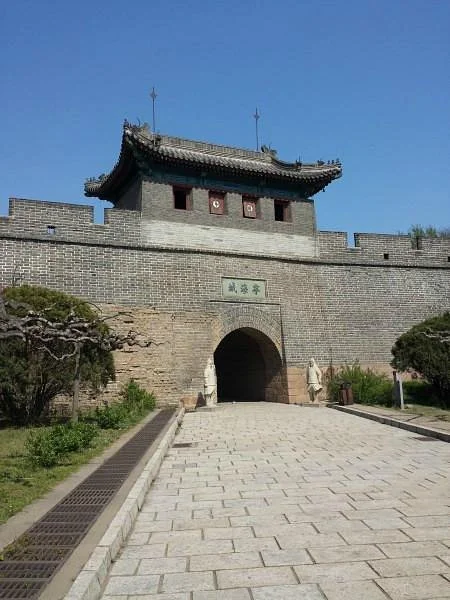
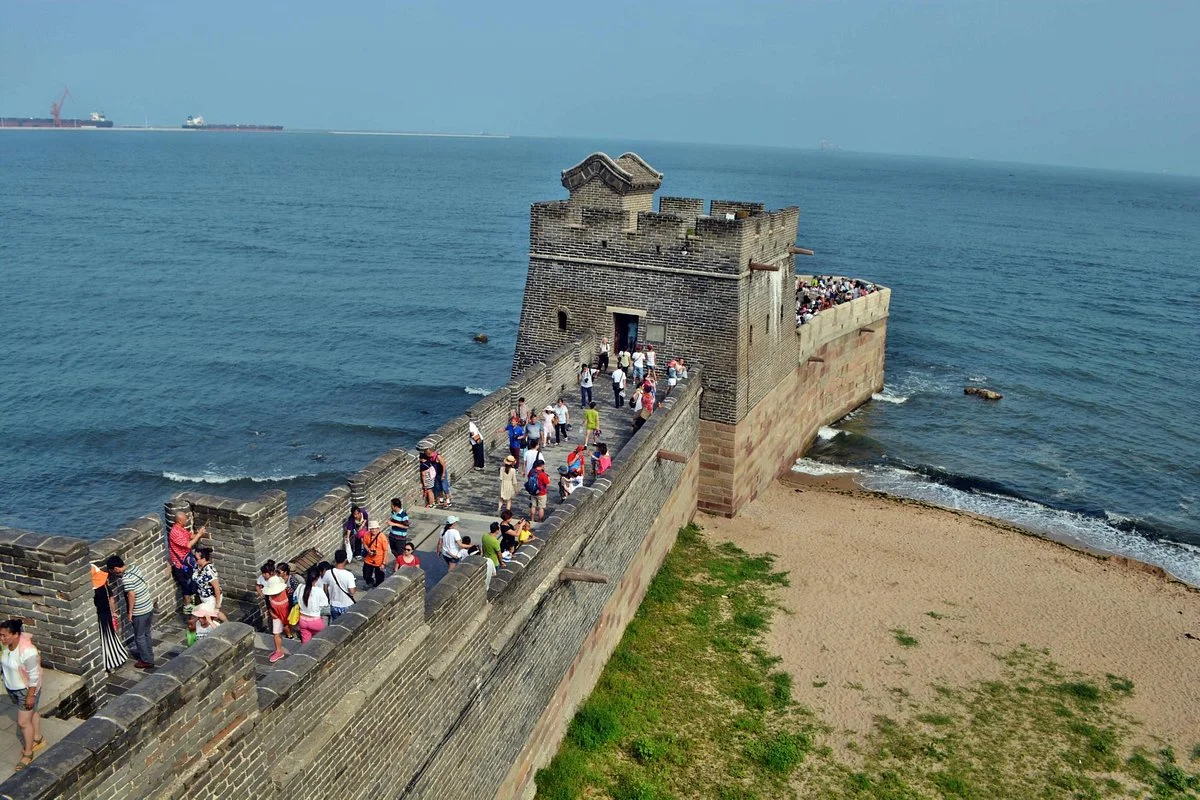
Many of Qinhuangdao's attractions have been extensively restored or rebuilt in the 1980s. This includes most of the city wall as well as the Great Wall going towards the sea. The other side of the wall, going up the mountains, has been partly restored but some parts remain in their original, crumbling state.
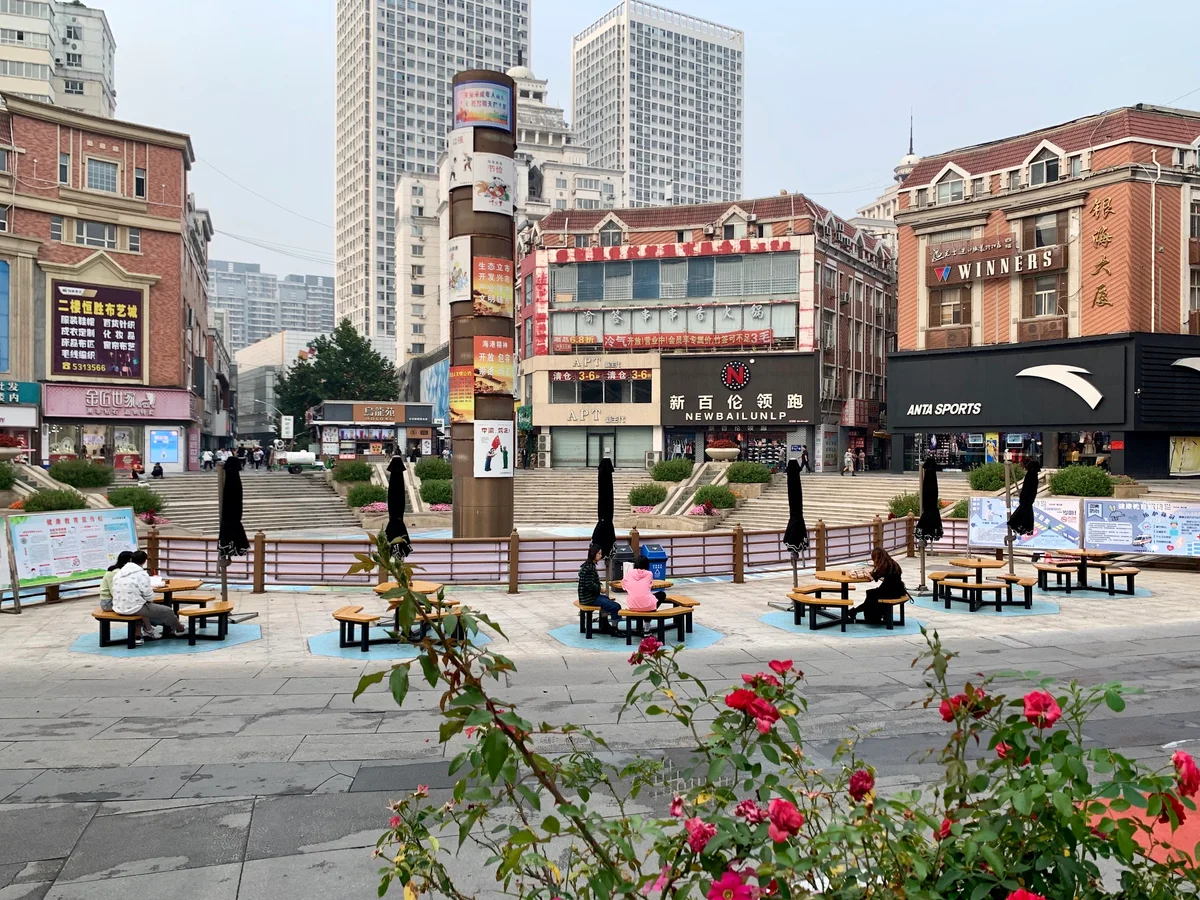
Much of the "old" town, especially along the main north-south road, was completely reconstructed in 2008/09. Several city blocks were remade into a faux-old Chinese city that, despite the lack of history, is quite pleasant to walk through. Most of it, however, is still largely uninhabited and quite like a ghost town. Especially in the evening after sunset, with the tourists gone, you will find even the main streets almost deserted.
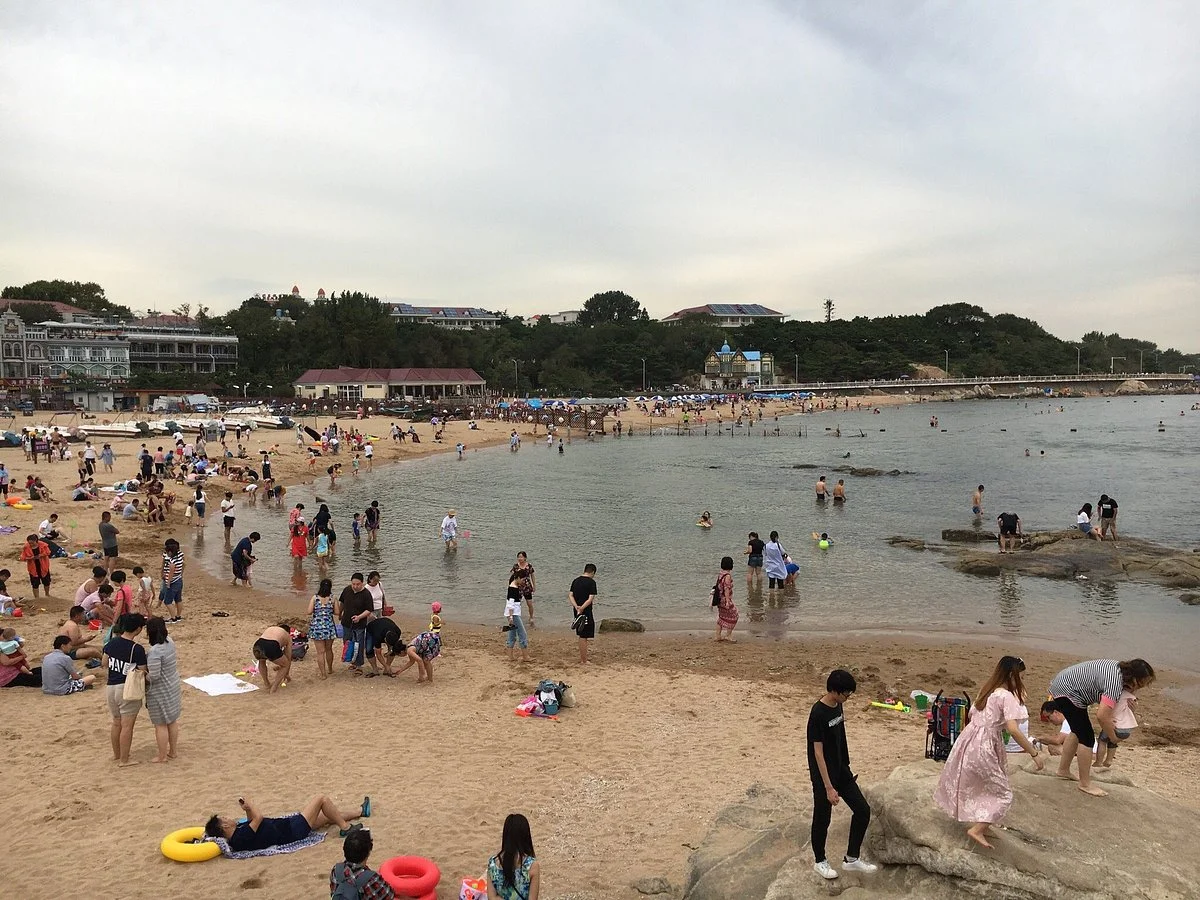
The city has a wide selection of entertainment options, but mostly are dedicated to nightlife and dining. The main attraction of the area is the sea and the relatively clean beaches. Day trips to Shanhaiguan and Beidaihe are hassle free and worth doing.
Qinhuangdao, like every city in China has its share of shopping. The downtown area is comprised of many shops all selling different goods at prices that are usually less than in Beijing. The styles however, tend to be out dated and nearly everything available is knock off versions of the 'real' products sold elsewhere in China. There is a great DVD store on the second floor of the 'Blog Theme Hotel' near to 'Qinhuangdao Number 2 Middle School'. There are also large electronic stores in the same vicinity. Most items are priced competitively and can be bargained for with some success.
Qinhuangdao has lots of hotels in all price categories, but unfortunately, most of them are not allowed to take foreigners. If you are Chinese, you can get economy rooms (no bathroom) in the train station area for ¥40-50, or regular rooms starting at about ¥80.
There are several hotels that have permission to take foreigners. One is listed below; another is a smaller and cheaper place just south of the old town (if anyone stays there, please fill in the details). To find it, ask around at the train station (e.g. other hotels, taxi drivers). Taking a taxi to either of the two hotels should cost ¥5.
There are two more hotels that allow foreigners to stay:
Xiyuan Inn, 17th Building, Taiyang City, Xihou Street, Haigang District (锡源宾馆, 海港区太阳城17号楼 西后街, 海港区).
GreenTree Inn Hebei Qinhuangdao Sun City Express Hotel, 5-8F Building B No.9 Xinhua Street, Haigang District (格林豪泰河北省秦皇岛市太阳城快捷酒店, 海港区新华街9号B座5-8楼, 海港区).
Qinhuangdao is a relatively small city by China standards. However, due to its location on the water, the city tends to sprawl in a linear fashion along the coast from Shanhaiguan to Beidaihe, thus making buses and taxis necessary means for getting around.
Qinhuangdao has three urban areas: