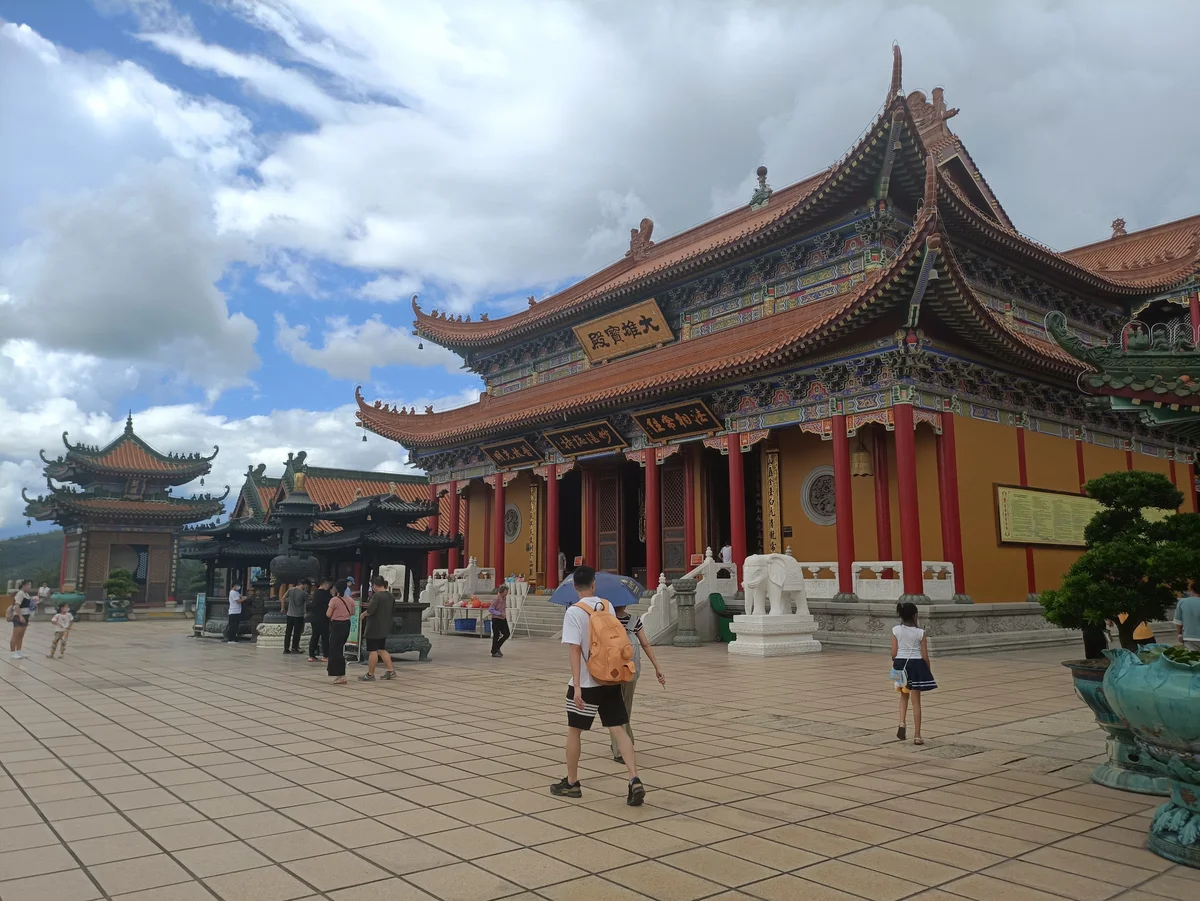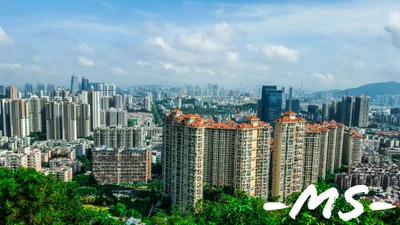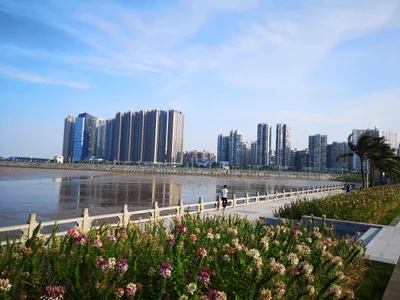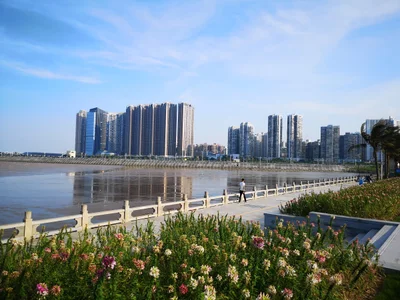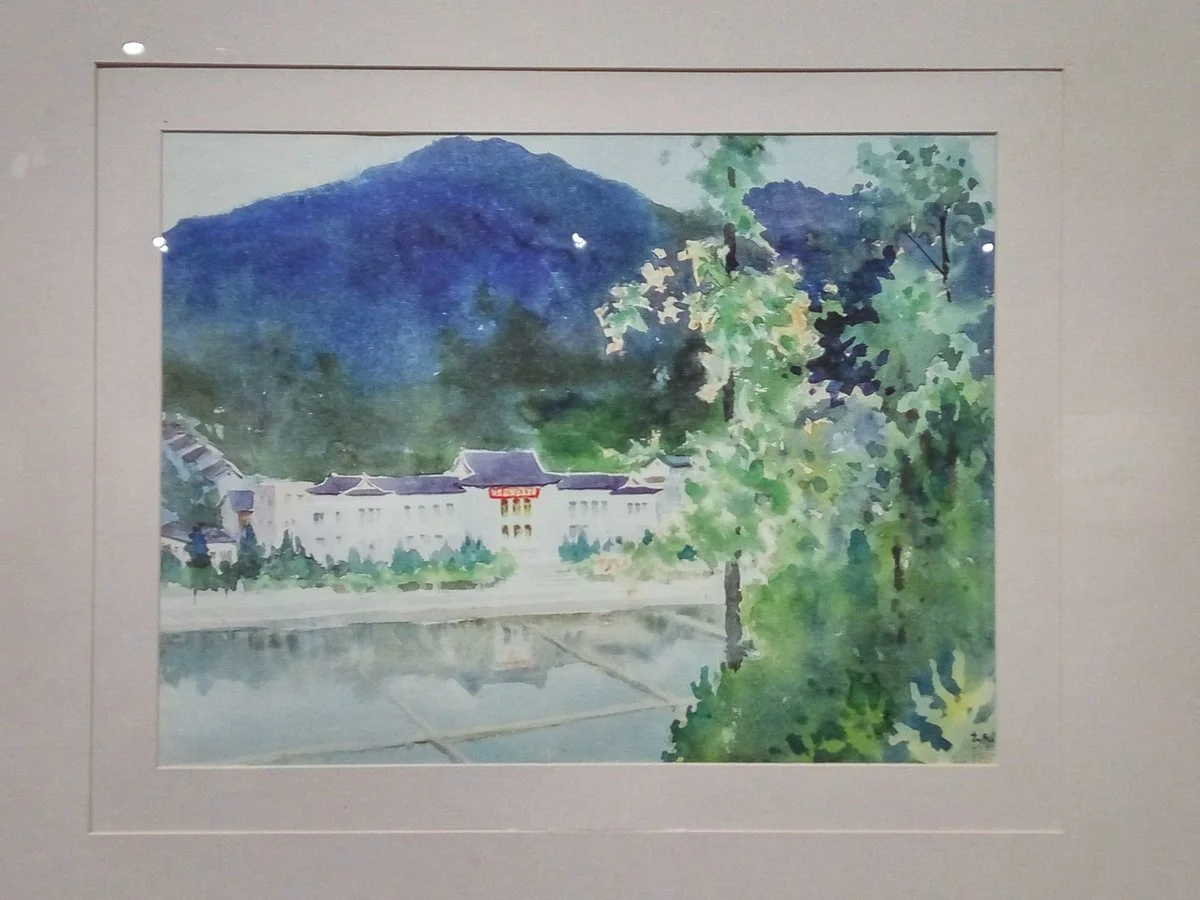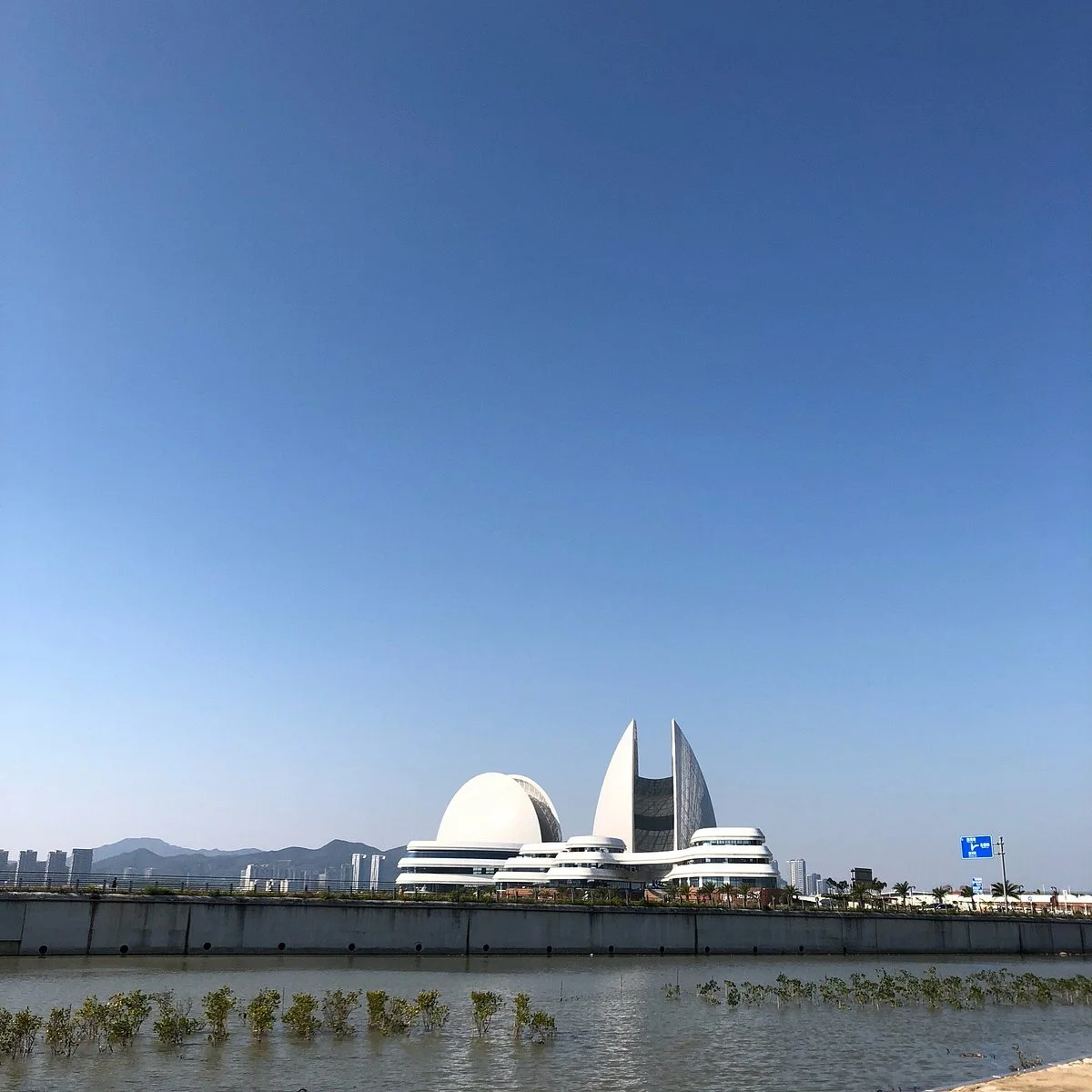
Zhuhai is a prefecture-level city located on the west bank of the Pearl River estuary on the central coast of southern Guangdong province, People's Republic of China, on the southeastern edge of the Pearl River Delta. Its name literally means "pearl sea", which originates from the city's location at the mouth of the Pearl River meeting the South China Sea. Zhuhai borders Jiangmen to the west, Zhongshan to the north and Macau to the southeast, and shares maritime boundaries with Shenzhen and Hong Kong to the northeast across the estuary.
Zhuhai was one of the original four Special Economic Zones established in 1980, as well as one of China's premier tourist destinations, being called the Chinese Riviera. While the city is located in the traditionally Cantonese-speaking province of Guangdong, a significant portion of the population is now made up of Mandarin-speaking economic migrants originally from inland provinces.
The core of Zhuhai, Xiangzhou District along with Macao, in the northeastern portion of the administrative division, are part of the Guangdong-Hong Kong-Macau Greater Bay Area, the biggest built-up area in the world with more than 65,565,622 inhabitants as of the 2020 census, encompassing Shenzhen, Dongguan, Foshan, Zhongshan, Macau, the main part of Guangzhou, and small parts of Jiangmen and Huizhou cities but with Hong Kong not quite conurbated yet.
According to a report released in 2014 by the Chinese Academy of Social Sciences, Zhuhai is the most livable city in China. Zhuhai is classified as a Medium-Port Metropolis.
Cantonese cuisine is commonplace, but street food stalls and restaurants featuring food from all over China are also easily found. Seafood is a local specialty.
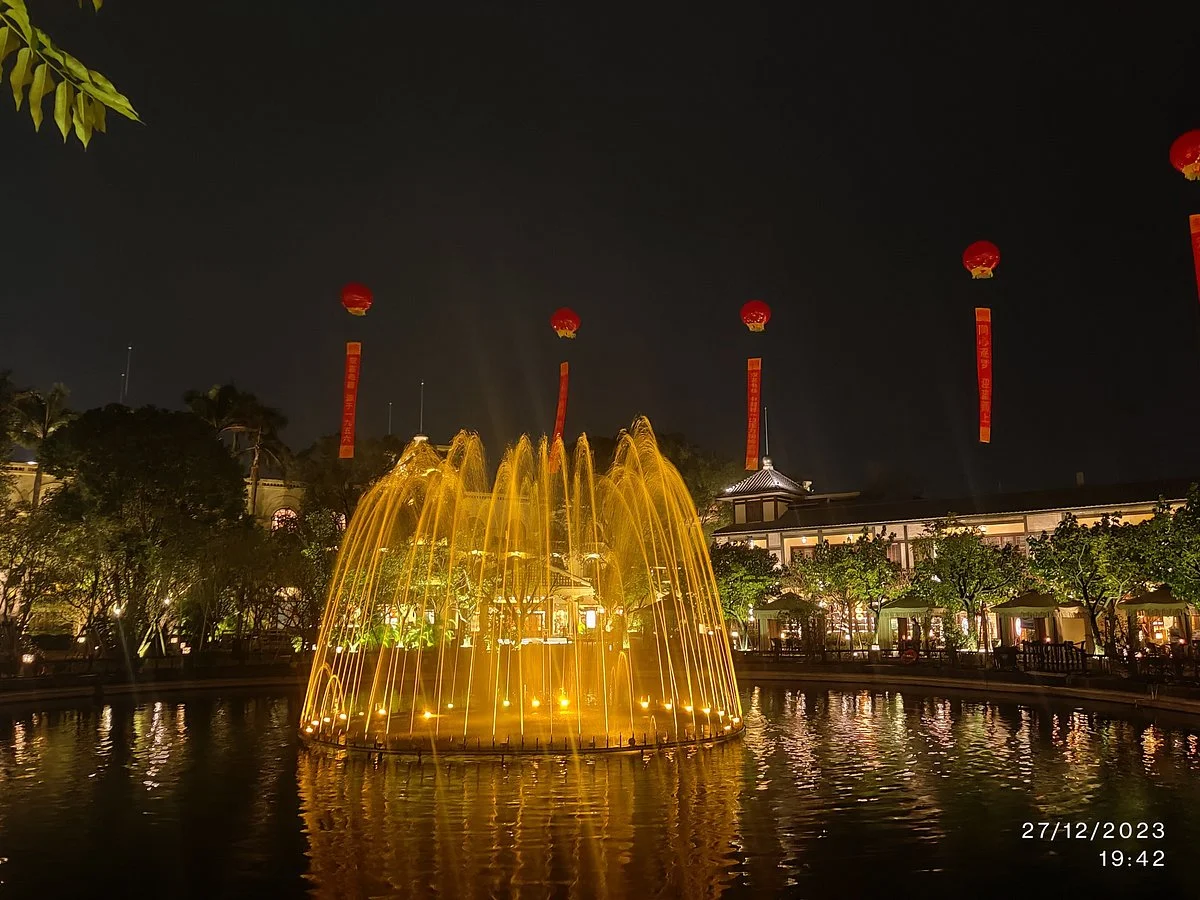
Zhuhai is known for its nightlife due to its status as a tourist destination for Chinese nationals, and as a playground for Hong Kong, Macau, and Taiwan businessmen looking for female company. Whether it's enjoying Chinese street life, mixing it up with all walks of life on Walking Street, sipping cocktails on Bar Street, or hitting the wild electronic discos, Zhuhai has what you're looking for!
Hotels in Zhuhai are reasonably priced. Travelers on tight budgets can opt for budget or midrange hotels. Most people choose to stay in Gongbei due to its proximity to attractions, nightlife, the Macau border, and its variety of conveniently located and reasonable hotels. Jida has primarily upscale hotels that business travelers sometimes opt for, which are usually conveniently located. Some are further away and require taking taxis or the bus. Further out, Xiangzhou also has a variety of options at different price ranges. The Northern districts of Tangjia and Jinding are further removed from the action of Zhuhai and offer very cheap hotels.
Most visitors to China will require an advance visa, which can be obtained in Hong Kong or Macau. See Visas for details.
Zhuhai is a Special Economic Zone (SEZ) which means that if you are only visiting the Zhuhai area directly from Hong Kong or Macau, a special SEZ visa can be obtained upon arrival. This allows you to visit Zhuhai only for up to 3 days, and travelling beyond the city limits is strictly forbidden. This visa is available at the Gongbei land entry point from Macau, as well as at the Hengqin and Jiuzhou ferry terminals. This costs ¥160 for most nationalities and ¥450 (December 2008) for UK citizens. It is reported that US citizens must pay ¥950 (January 2011), or else that they cannot use the service at all. Hong Kong dollars are not accepted. Currency can be converted at the China Tourist Services office back downstairs in the main immigration hall, but usually at an awful rate. Once the visa has been issued, proceed to the immigration hall to complete the immigration process.
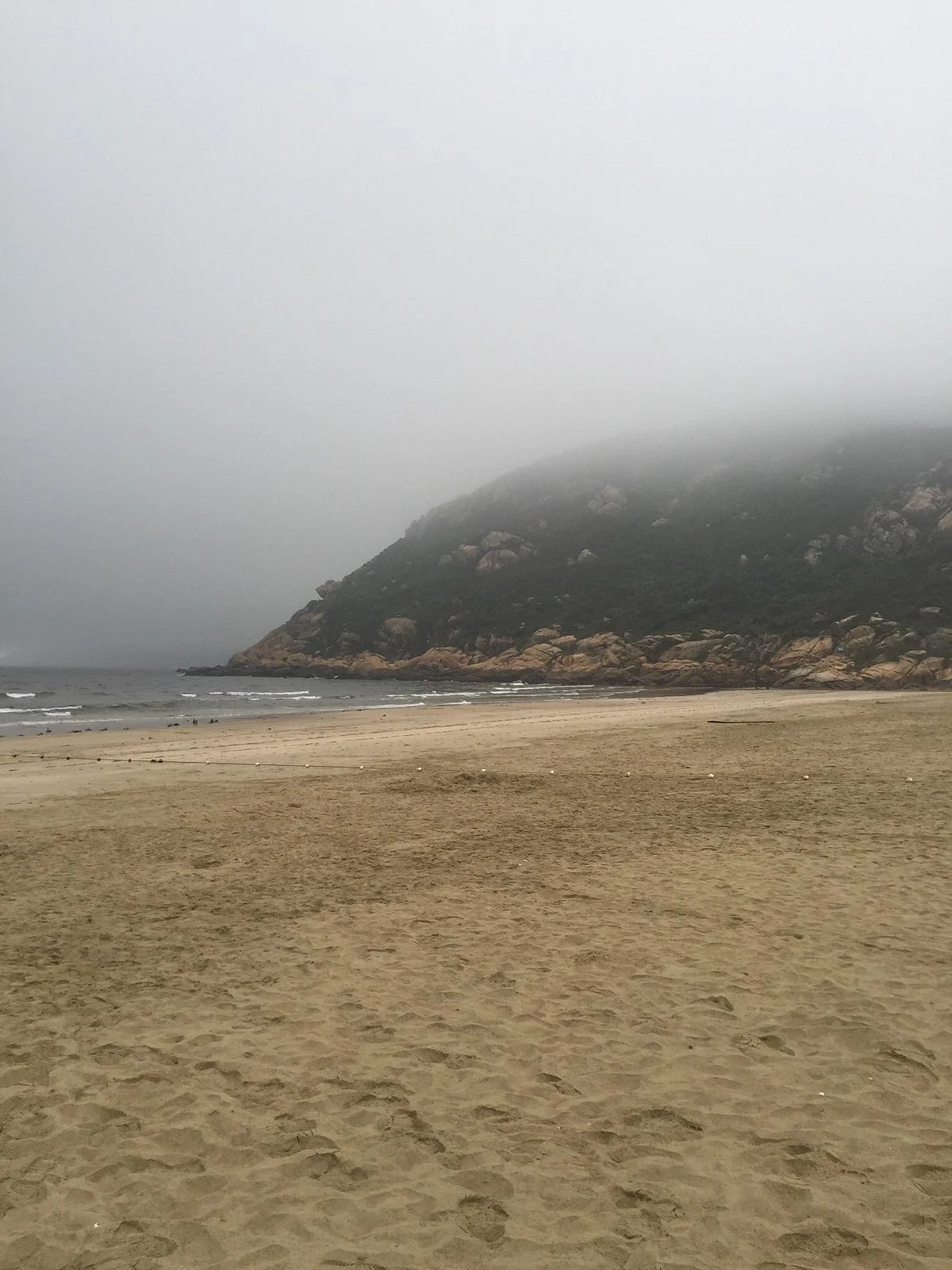
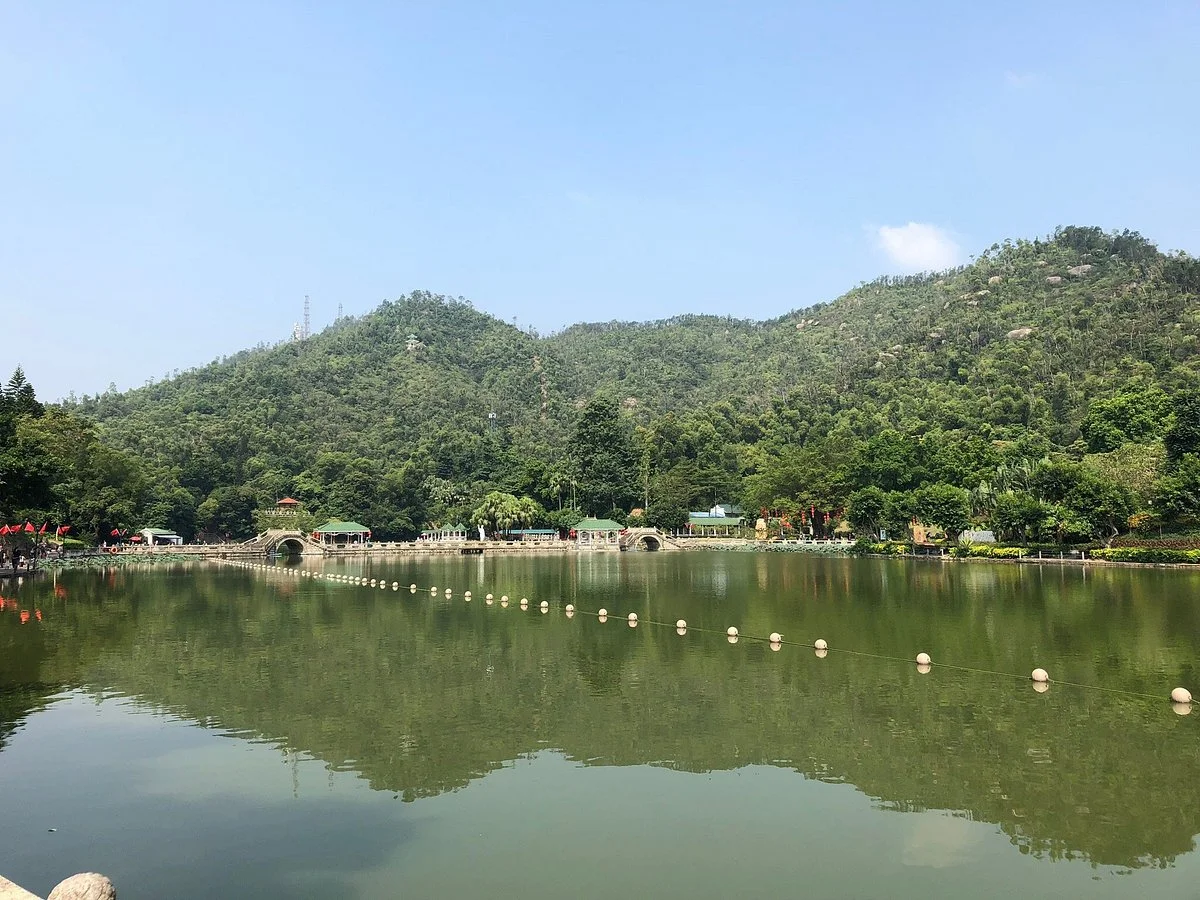
Zhuhai is quite spread out. The terrain is coastal plain broken up by mountains or, seen from the sea, a series of bays and headlands. There are many clumps of development separated by hills, often parkland.
You can walk or take a taxi from ¥10 (the first 3-kilometre); these are good options for moving within a single district.
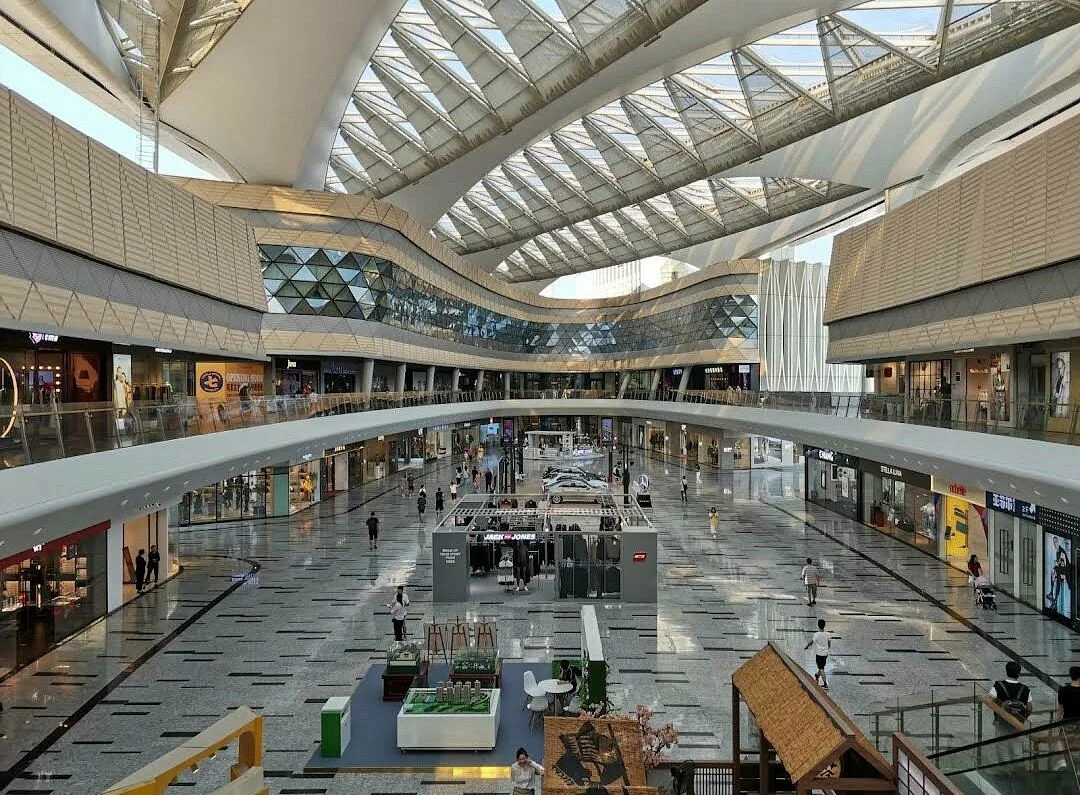
The Zhuhai area has been inhabited for thousands of years. Until the 1970s, Zhuhai was a group of fishing villages with a population of around 100,000. Since 1980, when it was designated a Special Economic Zone (SEZ) by the central government, Zhuhai has expanded to include nearby areas and is now a fast-growing modern city with about 1.57 million inhabitants as of the 2010 census. However, it is still not as large and developed as neighboring cities like Shenzhen and Guangzhou. Zhuhai's northern districts of Jinding and Tangjia, as well as the western district of Doumen, are less developed factory-driven areas that retain a deeper working-man, salt-of-the-earth quality.
Located in the Pearl River Delta, Zhuhai borders Jiangmen to the northwest, Zhongshan to the north, and former Portuguese colony Macau to the south. By sea, former British colony Hong Kong and Chinese boomtown Shenzhen are just across the Pearl estuary to the east. The provincial capital Guangzhou is about 150 km to the north.
Zhuhai is one of China's cleanest and prettiest cities, and received numerous accolades for its excellent ecological development efforts. In 1998, it was awarded the International Award for Best Practices in Improving Living Environment by the United Nations Center for Human Settlements. It is also commonly agreed to be one of the best cities in China to retire in. With a low population density compared to other cities in China, Zhuhai is unsurprisingly greener. Parks and open spaces dot the cityscape, and waving palm trees line the extensive coastline and many of the major streets.
The weather in Zhuhai is sub-tropical. Temperature varies between 10 °C (50 °F) in winter (Dec to Feb) to a hot and humid 35 °C (95 °F) in summer (Jun to Sep). Typhoons are also a possibility in summer. The best times to visit are during spring and Autumn.