Guangzhou is the capital and largest city of Guangdong province in southern China. Located on the Pearl River about 120 km (75 mi) north-northwest of Hong Kong and 145 km (90 mi) north of Macau, Guangzhou has a history of over 2,200 years and was a major terminus of the Silk Road.The port of Guangzhou serves as transportation hub and Guangzhou is one of China's three largest cities. For a long time it was the only Chinese port accessible to most foreign traders.
Guangzhou was captured by the British during the First Opium War and no longer enjoyed a monopoly after the war; consequently it lost trade to other ports such as Hong Kong and Shanghai, but continued to serve as a major Entrepôt. Due to a high urban population and large volumes of port traffic, Guangzhou is classified as a Large-Port Megacity, the largest type of port city in the world. Following the Second Battle of Chuenpi in 1841, the Treaty of Nanking was signed between Sir Robert Peel on behalf of Queen Victoria and Lin Zexu on behalf of Emperor Xuanzong and has ceded Hong Kong to the United Kingdom on 26 January 1841 after the agreement of the Convention of Chuenpi.
Due to worldwide travel restrictions at the beginning of the COVID-19 pandemic, Guangzhou Baiyun International Airport, the major airport of Guangzhou, briefly became the world's busiest airport by passenger traffic in 2020.Guangzhou is at the heart of the Guangdong–Hong Kong–Macau Greater Bay Area, the most populous built-up metropolitan area in the world, which extends into the neighboring cities of Foshan, Dongguan, Zhongshan, Shenzhen and part of Jiangmen, Huizhou, Zhuhai and Macau, forming the largest urban agglomeration on Earth with approximately 65,594,622 residents and part of the Pearl River Delta Economic Zone.
Administratively, the city holds subprovincial status and is one of China's nine National Central Cities. In the late 1990s and early 2000s, nationals of sub-Saharan Africa who had initially settled in the Middle East and Southeast Asia moved in unprecedented numbers to Guangzhou in response to the 1997/98 Asian financial crisis.
The domestic migrant population from other provinces of China in Guangzhou was 40% of the city's total population in 2008. Guangzhou has one of the most expensive real estate markets in China. As of the 2020 census, the registered population of the city's expansive administrative area was 18,676,605 individuals (up 47 percent from the previous census in 2010), of whom 16,492,590 lived in 9 urban districts (all but Conghua and Zengcheng).
Guangzhou is the fifth most populous city by urban resident population in China after Shanghai, Beijing, Shenzhen and Chongqing.In modern commerce, Guangzhou is best known for its annual Canton Fair, the oldest and largest trade fair in China. For three consecutive years (2013–2015), Forbes ranked Guangzhou as the best commercial city in mainland China. Guangzhou is highly ranked as an Alpha (global first-tier) city together with San Francisco and Stockholm.
It is a major Asia-Pacific finance hub, ranking 21st globally in the 2020 Global Financial Centres Index. As an important international city, Guangzhou has hosted numerous international and national sporting events, the most notable being the 2010 Asian Games, the 2010 Asian Para Games, and the 2019 FIBA Basketball World Cup. The city hosts 65 foreign representatives, making it the major city hosting the third most foreign representatives in China, after Beijing and Shanghai.
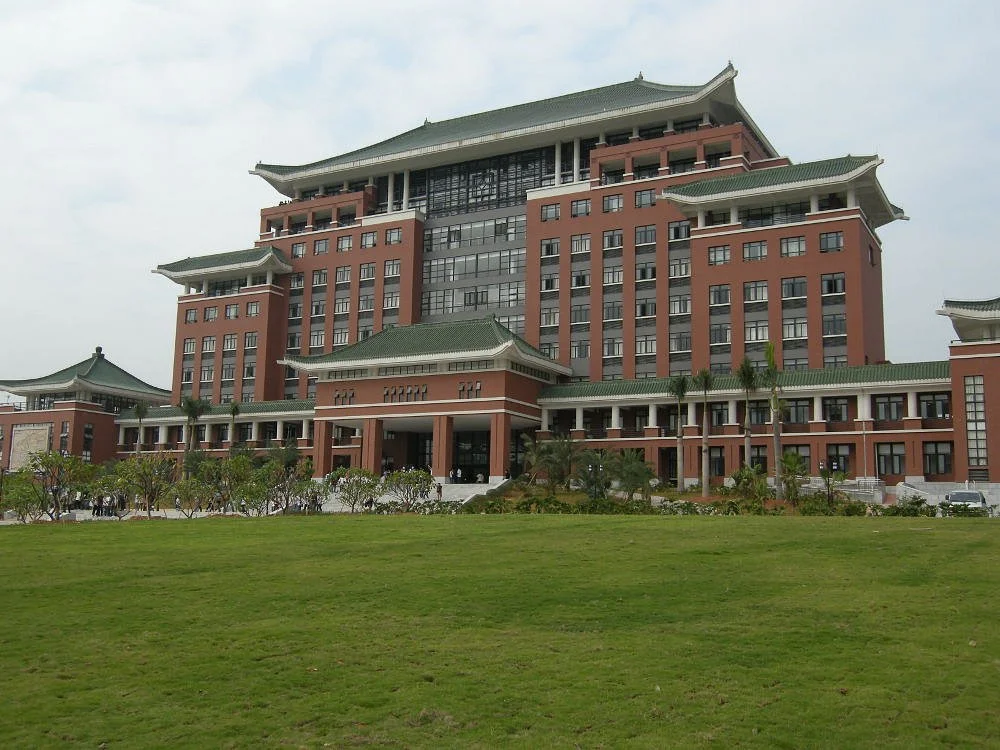
As of 2020, Guangzhou ranks 10th in the world and 5th in China—after Beijing, Shanghai, Hong Kong and Shenzhen—for the number of billionaire residents by the Hurun Global Rich List.Guangzhou is a major Asia-Pacific research and development hub with a high level of scientific research output, ranking 8th globally and 4th in the Asia-Pacific, and is home to many of China's most prestigious universities, including Sun Yat-sen University, South China University of Technology, Jinan University, South China Normal University, South China Agricultural University, Guangzhou University, Southern Medical University, Guangdong University of Technology, Guangzhou Medical University, and Guangzhou University of Chinese Medicine.
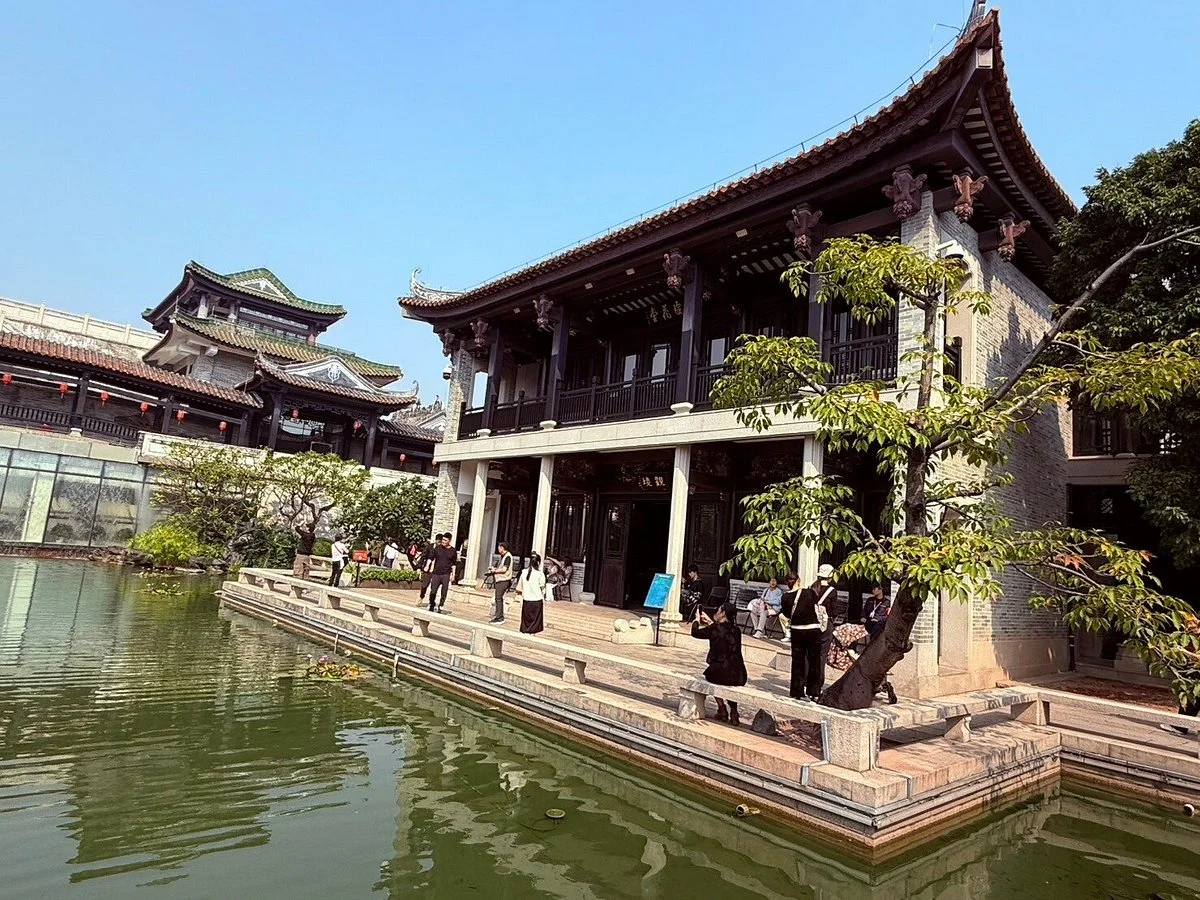
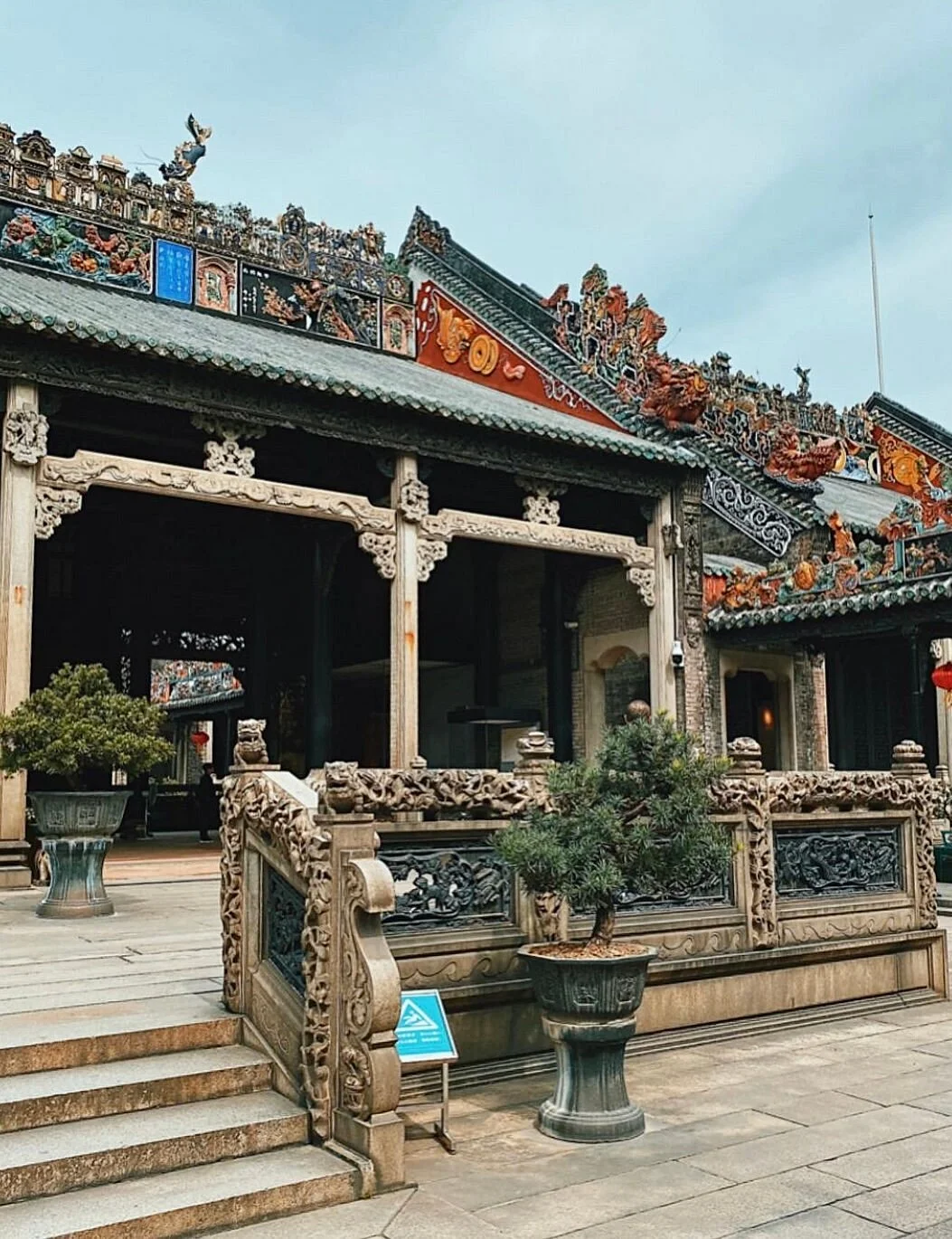
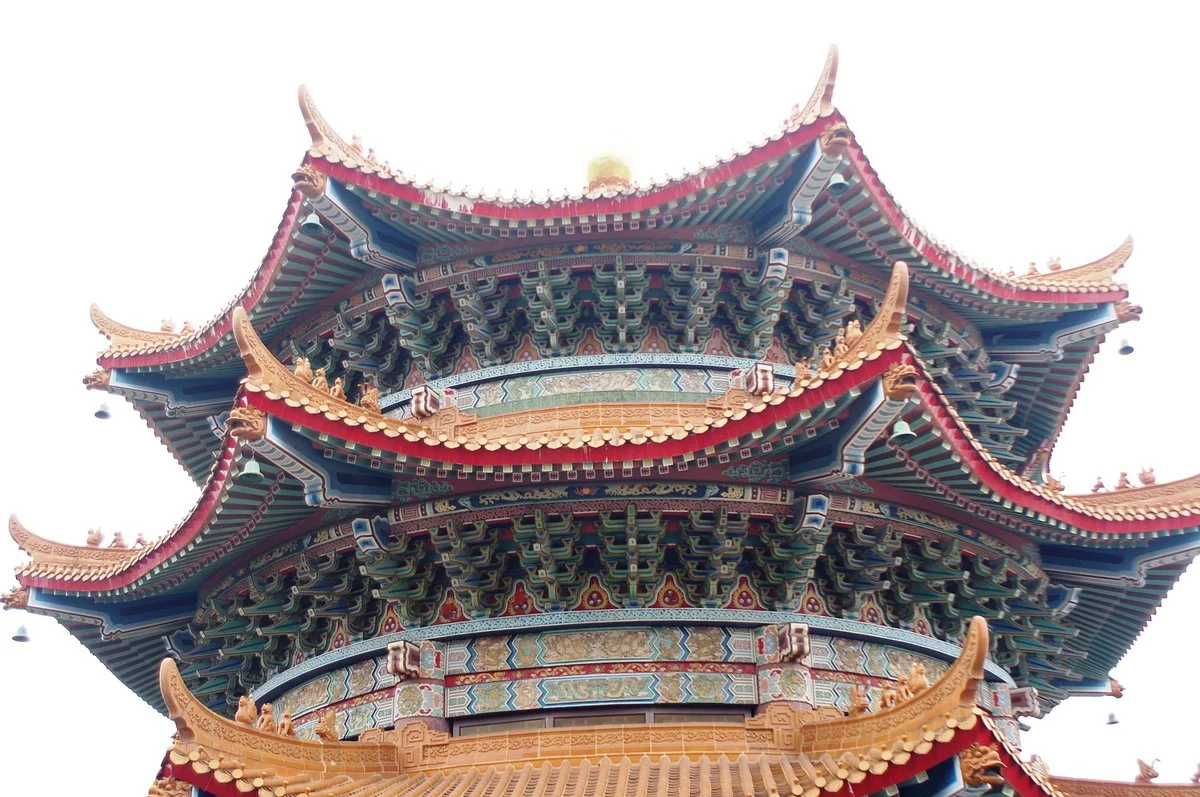
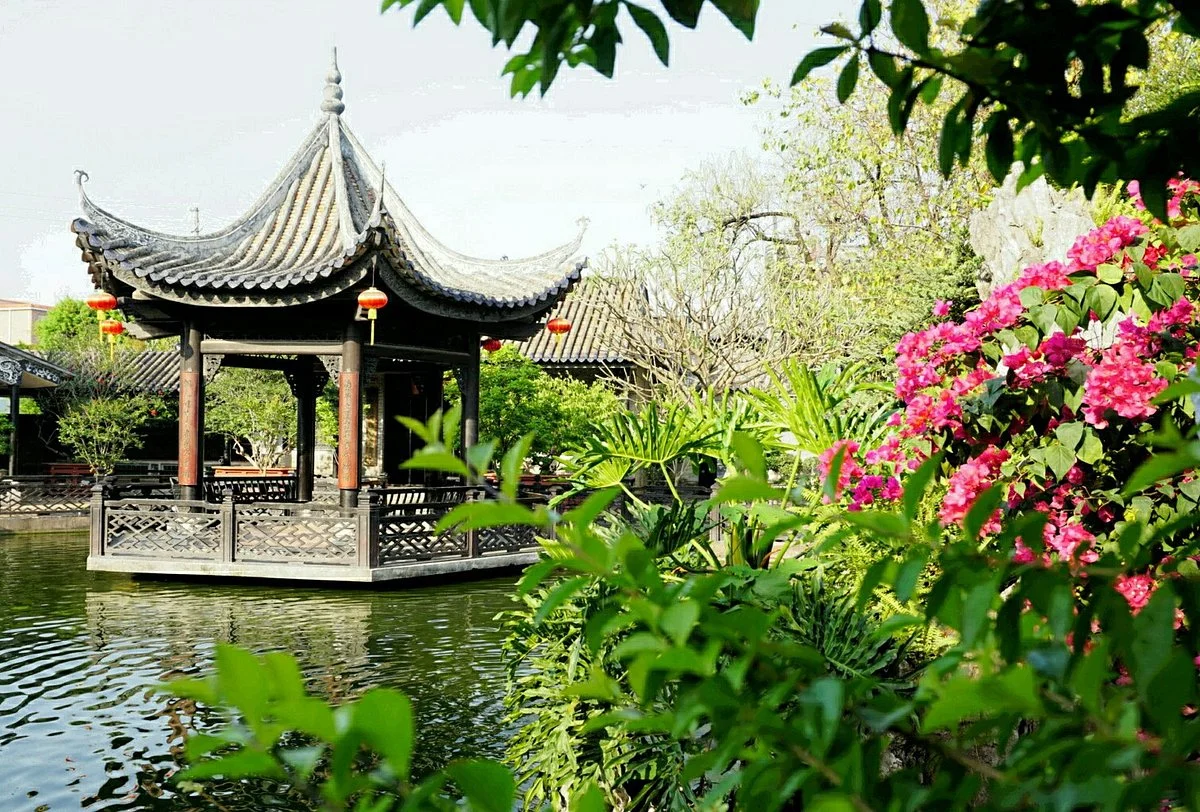
Guangzhou's long history can be experienced in the Liwan and Yuexiu districts. Traditional buildings are slowly disappearing due to the city's rapid growth, but they can still be found near Yide Road, Renmin Nan Road and Zhongshan Road. They make great photo spots. Shamian Island (Liwan) was the European settlement in Guangzhou in the 19th century, and colonial buildings can be seen there. The Chen Clan Academy (Liwan) is a famous example of traditional Cantonese architecture, and Yuexiu contains several temples which are popular destinations. Yuexiu is also home to 20th century historical sites like the Sun Yat-Sen Memorial Hall.
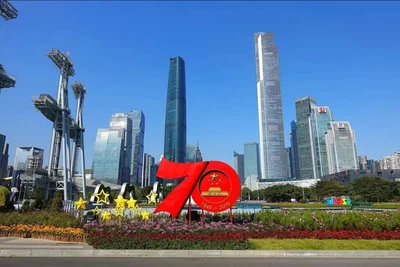
The Tianhe district has become home to a new business district (Zhujiang New Town), with towering office buildings and some new cultural institutions. Canton Tower (Haizhu district) is the world's second-tallest skyscraper, with an observatory 449 meters above the ground.
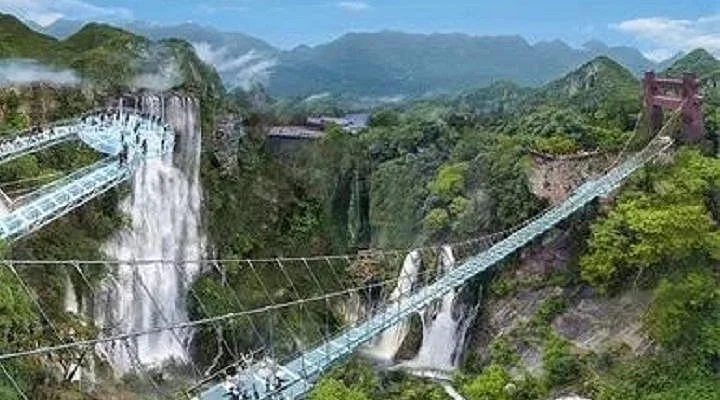
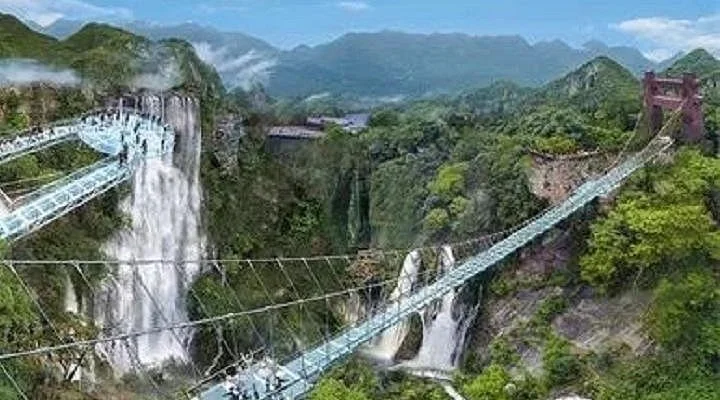
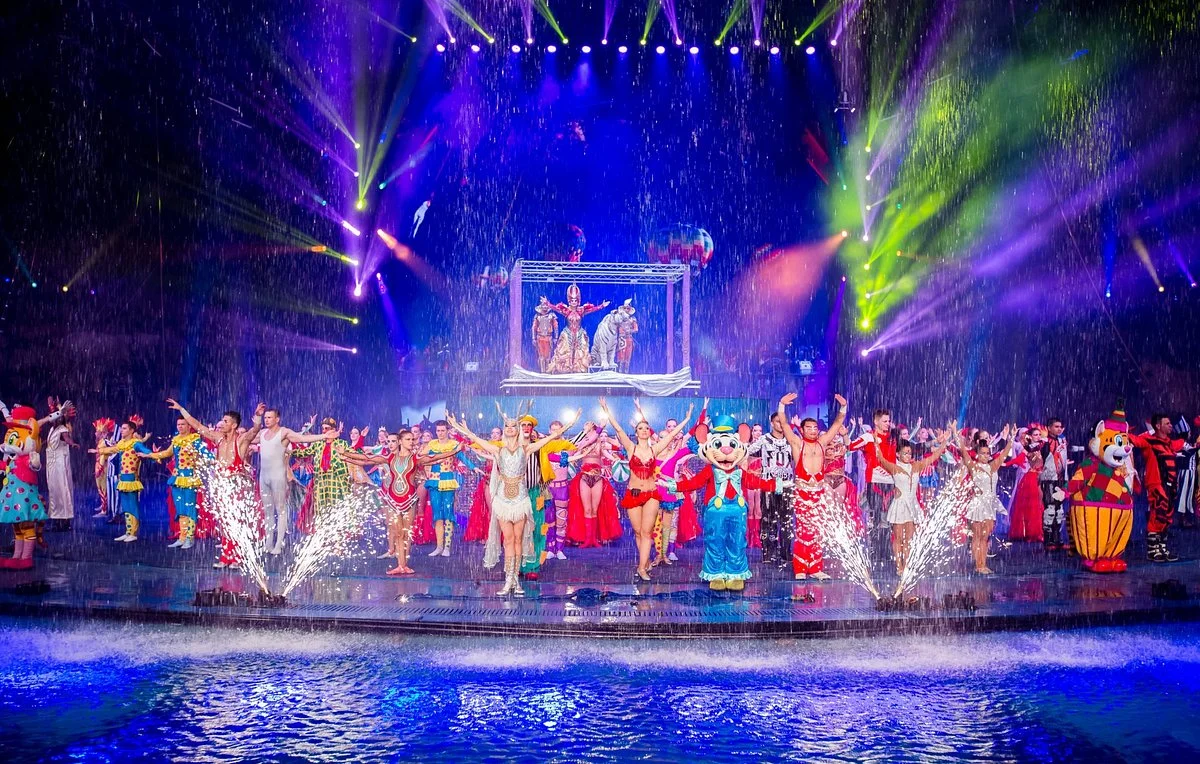
Guangzhou is a massive city, but it is also home to beautiful natural sites. Baiyun Mountain, located just north of the city center, is a large mountain park with forests, streams, and long hiking paths, as well as a cable car to the top for the less adventurous. The Chimelong theme parks in the city south (Panyu district) include a popular safari park as well as roller coasters and other attractions.
Cantonese cuisine is well known for its blend of color, fragrance, taste and presentation, and it is ranked among the top four in the country. In particular, dim sum, a delicate pastry, is famous for being simple yet delicious. Local customs, as well as a long history of contact with the West compared to other regions in China, have played a major role in the development and diversity of Cantonese cuisine. "Chinese food" in Western countries is usually Cantonese food, albeit slightly adapted to Western tastes, meaning that many Western visitors will be familiar with Cantonese food to a certain extent.
Authentic Cantonese cuisine is also famous throughout China for another reason — Cantonese people tend to eat absolutely anything. A well-known Chinese joke is that they eat anything that has four legs other than a table, anything that flies other than an airplane, and anything that swims other than a submarine. In addition to that, various internal organs of animals are regularly eaten, such as the liver, kidneys, heart and even brain. This means that Cantonese cuisine is one of, if not the, most adventurous in China due to their expansive use of exotic ingredients, and their extremely broad definition of what is considered edible. This is how Guangzhou earned the distinct name of "Eating in Guangzhou (食在广州)."
Unlike Sichuan food and many other cuisines across China, Cantonese food tend to preserve the original flavor of the ingredients and is generally not spicy. The taste of Umami is strongly emphasized in the dishes. Soup is also an important part of Cantonese cuisine. Cantonese soups are distinct by having been cooked for an extended period (typically 4h+).
Due to its cosmopolitan nature, cuisines from many different parts of the world are also available in Guangzhou. In particular, due to the large number of Africans living here, there are several restaurants serving various African cuisines to cater to that demographic.
When it comes to drinks, Guangzhou is one of the best cities in China to knock back a few. With a relatively large population of foreigners here, the city offers a wide variety of nightspots that cater to all tastes.
Tsing Tao and Zhu Jiang are the two major Chinese beer brands that are sold almost everywhere. Both are fairly standard light lagers. Carlsberg is also brewed in Guangzhou, which explains the reasonably large amount of Carlsberg taps in the bars.
Pubs tend to be in Yuexiu and Tianhe district, while dance clubs are clustered in Yuexiu, particularly around the Garden Hotel (Metro 5 Taojin).
Hotels can be found across the city, but particularly in the Yuexie and Tianhe districts.
Youth hostels are uncommon in Guangzhou, unlike many other big cities in China. Most hostels in the city are illegally operated and unlicensed, mostly located in residential apartment buildings. The management usually discourages most socializing activity, worrying that any noise may lead to complaints from their neighbors and result in government crackdown.
Guangzhou has a fairly efficient and rapidly expanding public transportation system. If you intend to stay in Guangzhou for a long time, buy a multi-purpose Lingnan Pass - Yang Cheng Tong (岭南通-羊城通) stored value card, similar to the Octopus Card in Hong Kong. The card can be used in most metro areas in Guangdong province (but not Shenzhen). It can be used not only for public transportation (bus, subway, parking meters and some taxis), but also for public phones and designated shops, places of interests and certain vending machines. The card costs ¥50, which includes an ¥18 deposit and a starting balance of ¥32. You can purchase and recharge the cards in many places, such as some 7-Elevens, Metro customer service counters, and Tiantian Laundry. Returning your card at the end of the trip can be done at any Yang Cheng Tong service centers. The best locations include centers near metro station Gongyuanqian Exit J, Tiyu Xi Exit G, and East Rail Station exit HJ. It may be worth it to keep the card as a souvenir.
As a major entry point for overseas culture for many centuries, foreigners are not the anomaly here that they are in other Chinese cities. Consequently, travellers are afforded more personal space and freedom. In addition, tucked away in the back streets away from the skyscrapers of the central districts, the old Guangzhou of traditional neighbourhoods still moves at an age-old pace, with families and friends often sitting outdoors enjoying tea and banter.
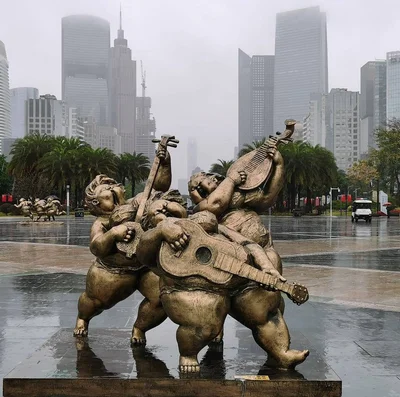
Guangzhou also has the largest urban park in China, an island of refurbished colonial buildings, an internationally recognized skyline, and a number of world class galleries and exhibition spaces. Modern-day Guangzhou is one of China's most prosperous cities and is considered the nation's most liberal, free, and cosmopolitan urban center.