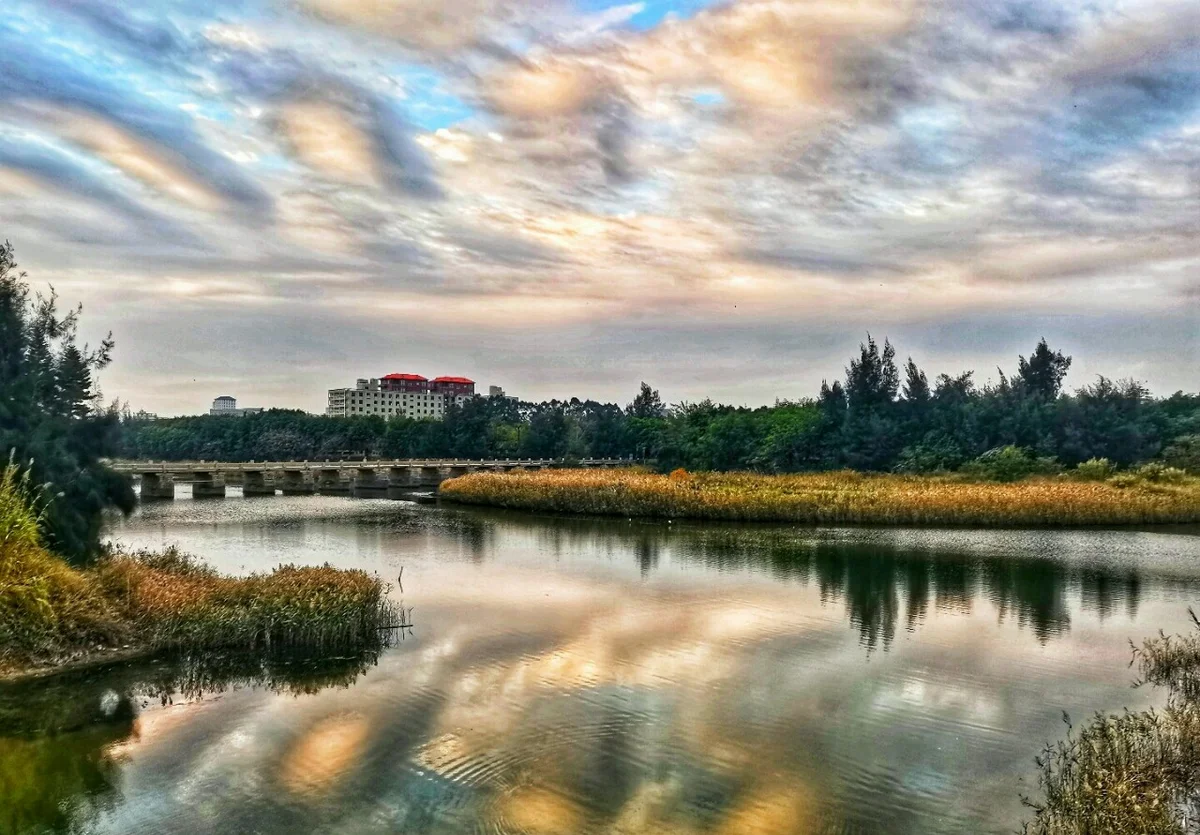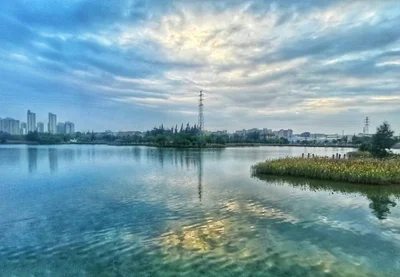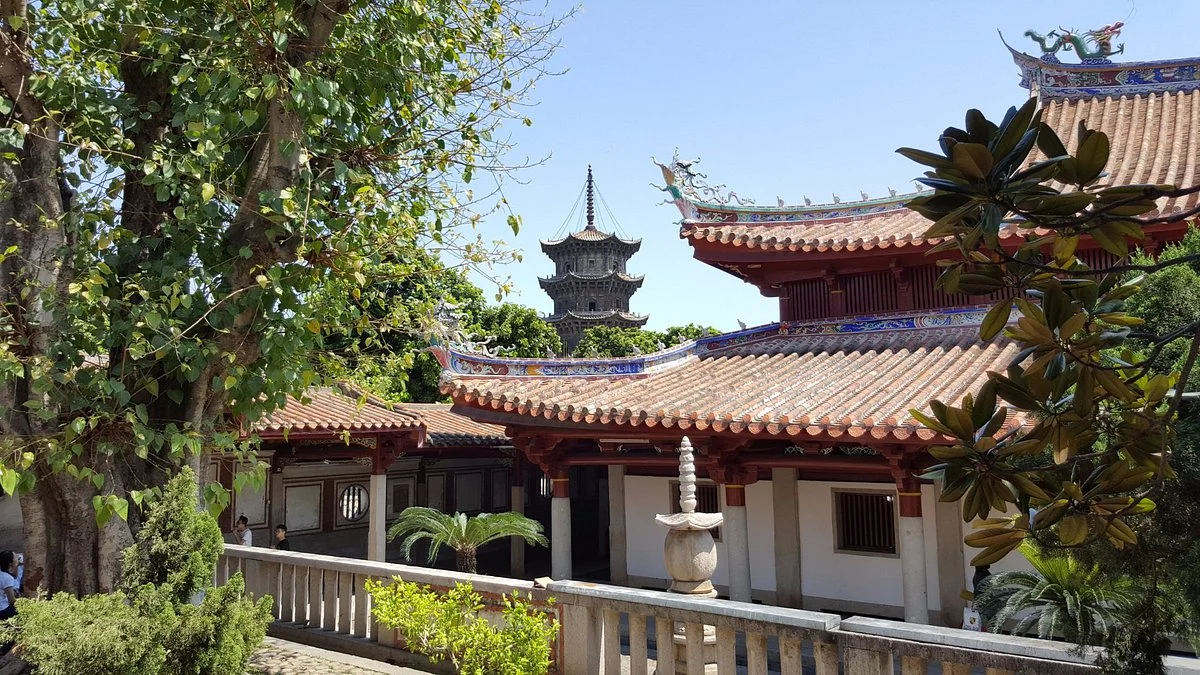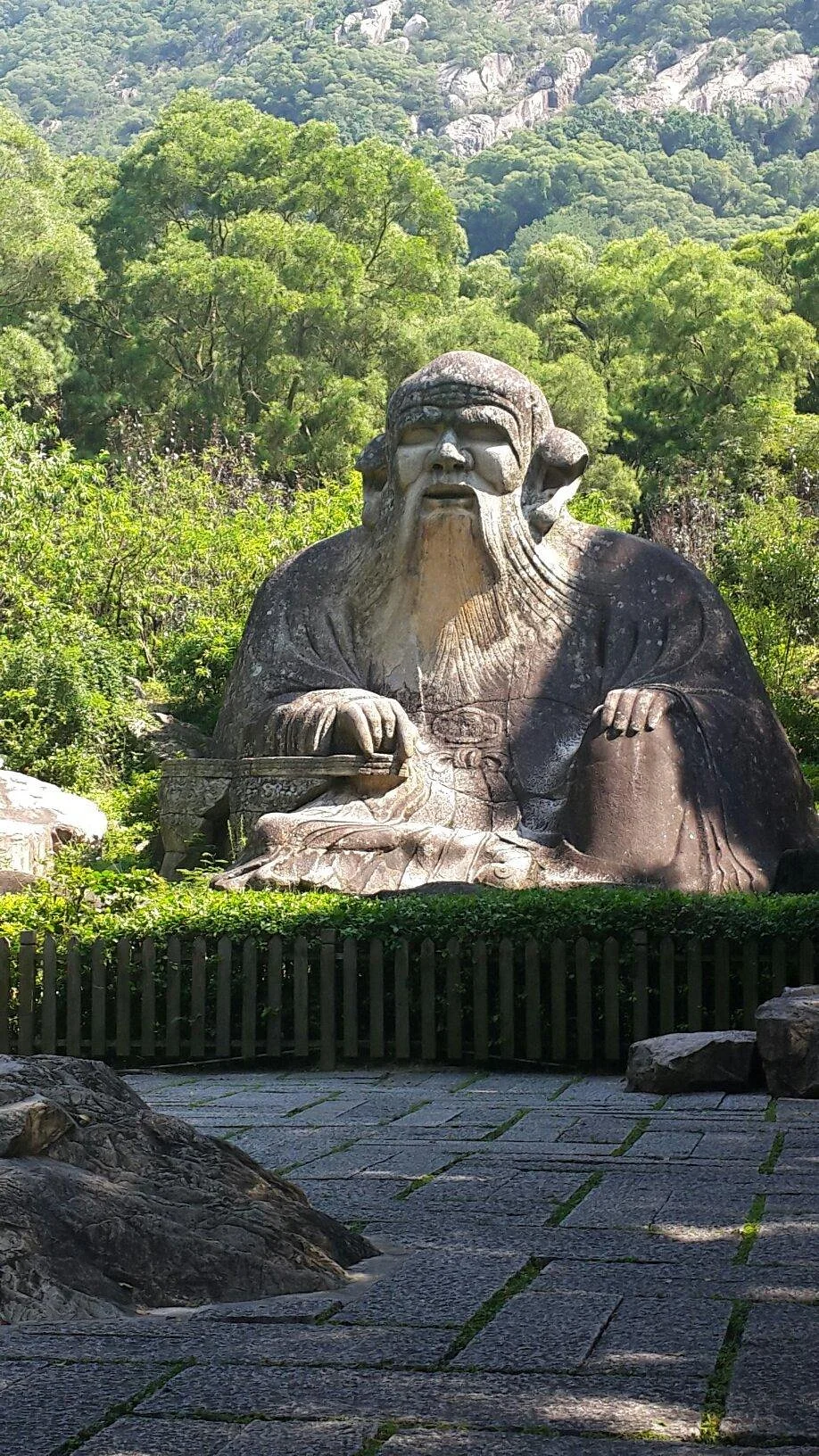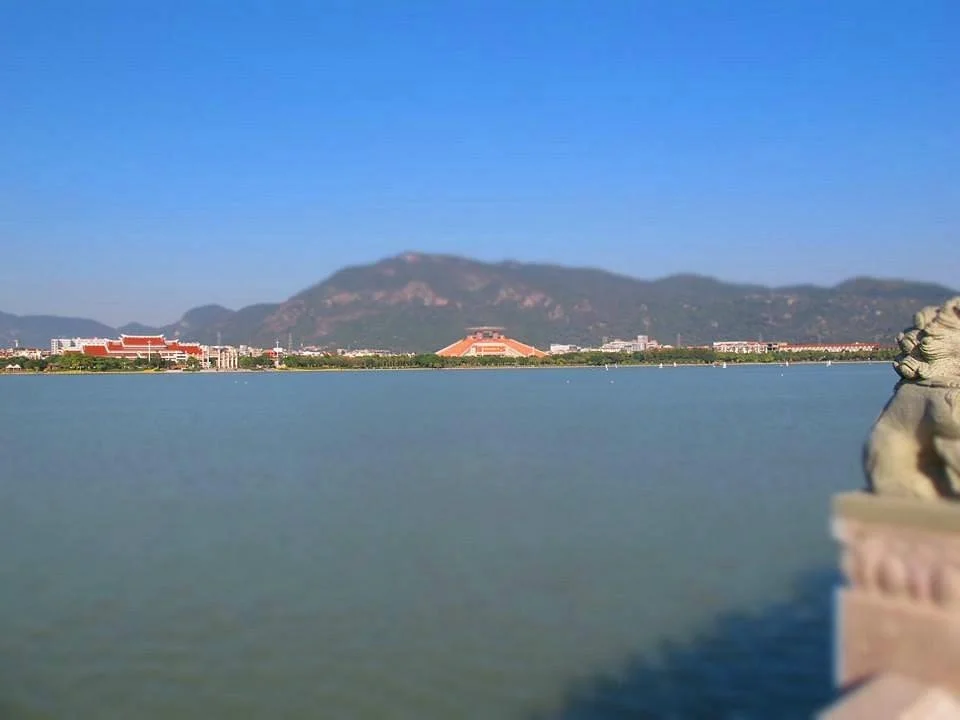
Quanzhou is a prefecture-level port city on the north bank of the Jin River, beside the Taiwan Strait in southern Fujian, People's Republic of China. It is Fujian's largest most populous metropolitan region, with an area of 11,245 square kilometers (4,342 sq mi) and a population of 8,782,285 as of the 2020 census. Its built-up area is home to 6,669,711 inhabitants, encompassing the Licheng, Fengze, and Luojiang urban districts; Jinjiang, Nan'an, and Shishi cities; Hui'an County; and the Quanzhou District for Taiwanese Investment. Quanzhou was China's 12th-largest extended metropolitan area in 2010.
Quanzhou was China's major port for foreign traders, who knew it as Zaiton, during the 11th through 14th centuries. It was visited by both Marco Polo and Ibn Battuta; both travelers praised it as one of the most prosperous and glorious cities in the world. It was the naval base from which the Mongol attacks on Japan and Java were primarily launched and a cosmopolitan center with Buddhist and Hindu temples, Islamic mosques, and Christian churches, including a Catholic cathedral and Franciscan friaries. A failed revolt prompted a massacre of the city's foreign communities in 1357. Economic dislocations—including piracy and an imperial overreaction to it during the Ming and Qing—reduced its prosperity, with Japanese trade shifting to Ningbo and Zhapu and other foreign trade restricted to Guangzhou. Quanzhou became an opium-smuggling center in the 19th century but the siltation of its harbor hindered trade by larger ships.
Because of its importance for medieval maritime commerce, unique mix of religious buildings, and extensive archeological remains, "Quanzhou: Emporium of the World in Song-Yuan China" was inscribed on the UNESCO World Heritage List in 2021.
There are several vegetarian restaurants near Chengtien Temple on Nanjun Road
Quanzhou is not a tourist-oriented city and there are relatively few hotels.
By 2015, a fair number of Quanzhou hosts have registered with airbnb.com.
Taxis start at ¥8 and you can go almost anywhere in town for under ¥20.
Be warned about local traffic! Traffic anywhere in China often horrifies visitors (see Driving in China), but Quanzhou is worse than most places. On some travel blogs, even Chinese complain about Quanzhou traffic.
About a millenium ago, the city was the main eastern terminus of the Maritime Silk Road and home to a large (over 100,000 by some estimates) international community, mostly Arabs but also including Persians, Indians and others. At one time, the city had seven mosques; the only one surviving today is the Great Mosque, built in 1009 CE.
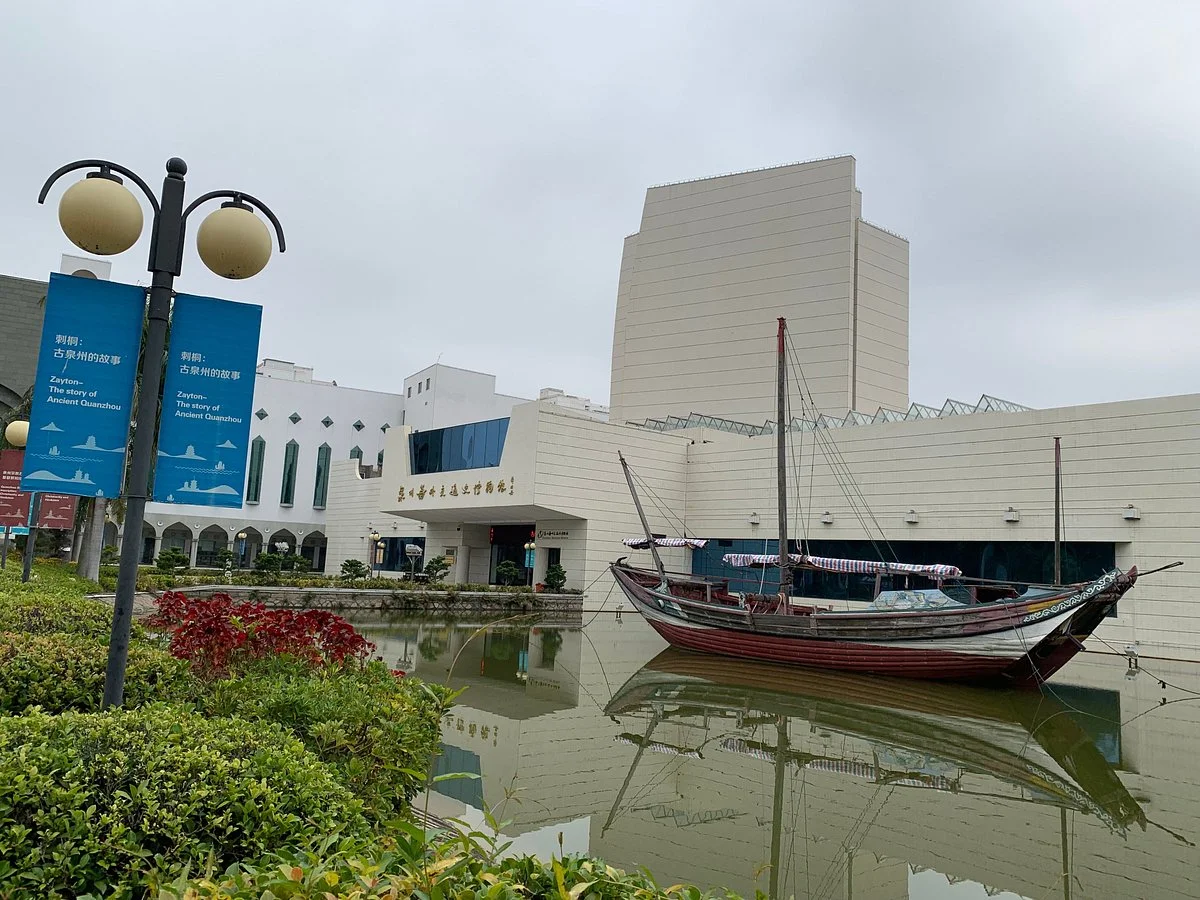
Quanzhou was one of the main bases for the great Chinese treasure ships that routinely traded in Southeast Asia and India and sometimes reached at least as far as Persia and Aden. When Vasco da Gama — sailing the Cape Route to become the first European to reach India by sea — reached East Africa in 1498, he found Chinese trade goods such as blue & white pottery already in the market. The Chinese ships were far larger, longer range, and more advanced technically than European vessels of the period. See Voyages of Zheng He for some of the details.
There is a Maritime Museum in Quanzhou with many relics of this period.
Marco Polo sailed home from Quanzhou about 1292. He described it as the world's busiest port, with Alexandria a distant second. At about that time, Kublai Khan's fleet for the invasion of Japan sailed from Quanzhou. It was wiped out by a storm, the kami kaze or "spirit wind". This is the origin of the name for kamikaze (suicide) pilots during the Second World War; it was hoped they would save Japan in a similar way.
In the 1420s, there was a shift in power in Beijing; the Confucian scholars won out over the eunuchs, and many of the admirals and captains were eunuchs. The emperor cut off all foreign expeditions, destroyed the records of previous voyages, and let the great ships rot. After this, Quanzhou declined considerably. Also, over the centuries the harbour became partly clogged with silt. Today, Quanzhou is less well-known than the provincial capital Fuzhou or booming Special Economic Zone Xiamen, and certainly gets fewer tourists than either. However, it has more historic buildings than either, some interesting modern architecture, and some good shopping.
As the historical centre of the South Fujian region, Quanzhou is also the cradle several traditional art forms, including the Minnan opera genres of Gaojia opera and Liyuan opera, as well as Minnan-style string puppetry.
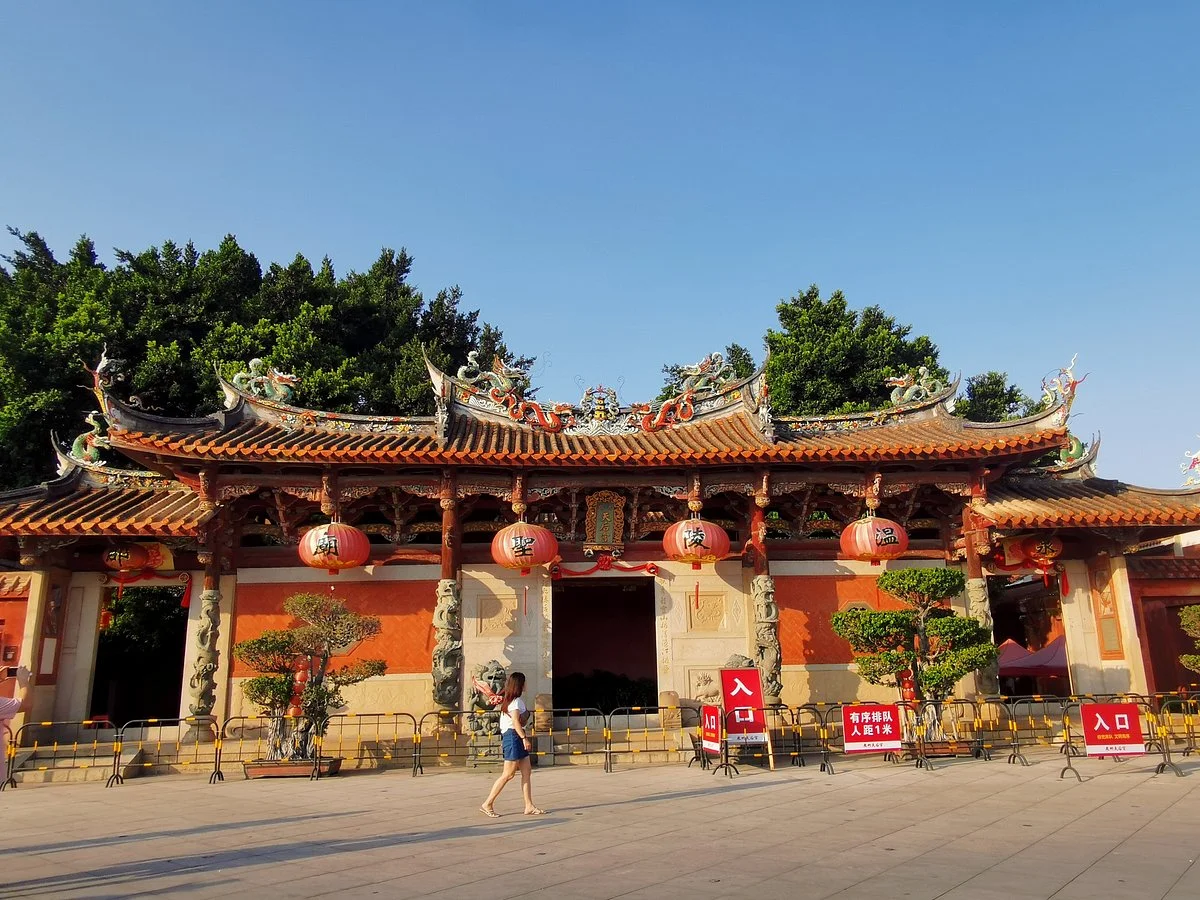
Like most Chinese cities, Quanzhou has some of the standard 8-storey concrete apartment blocks. However, there are far fewer of those than elsewhere and whole districts are much prettier. The city government has regulations that require new buildings in some areas to follow certain architectural conventions. Downtown, there are many modern 4- to 6-floor buildings with the traditional Chinese tile roofs with points on the corners. Near the old mosque there are new buildings with Islamic themes, such as arched windows, in the architecture. The rebuilding of the Zhongshan Road shopping area got a UNESCO award for heritage preservation, and Quanzhou got an international award in a contest for most livable cities in 2003; neighboring Xiamen had won the previous year. In 2021, 16 sites in and around the city were listed by UNESCO as a world heritage site named "Quanzhou: Emporium of the World in Song-Yuan China".