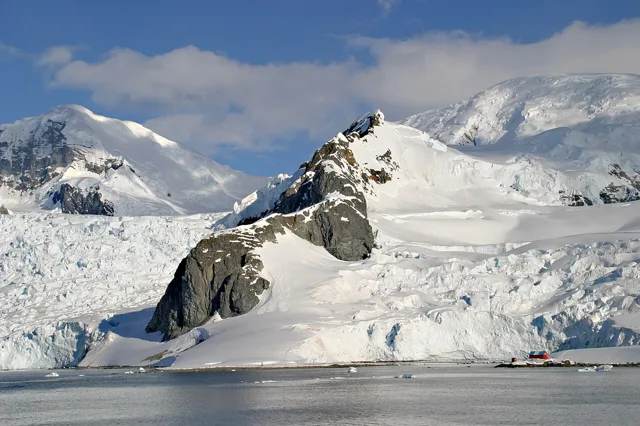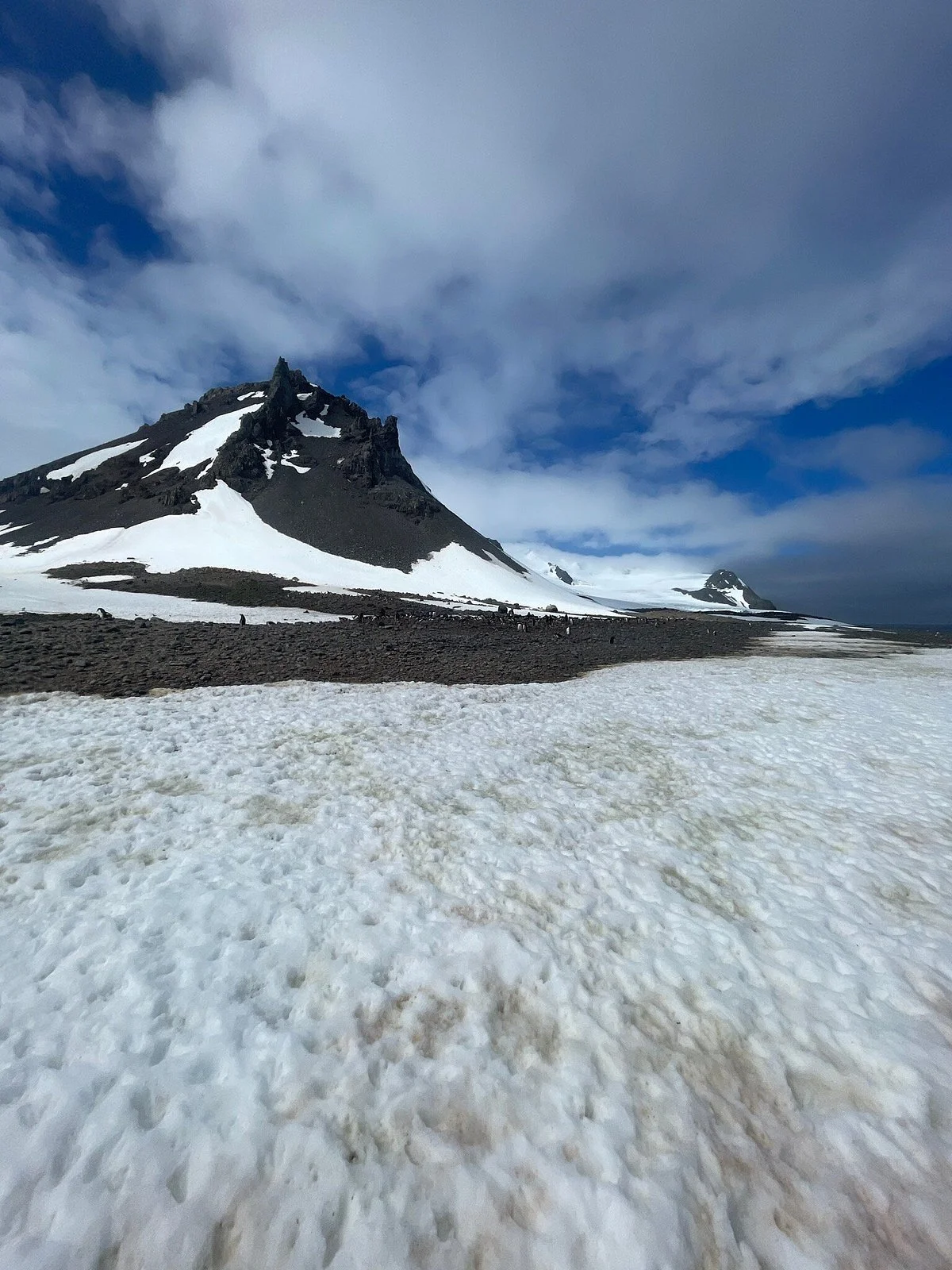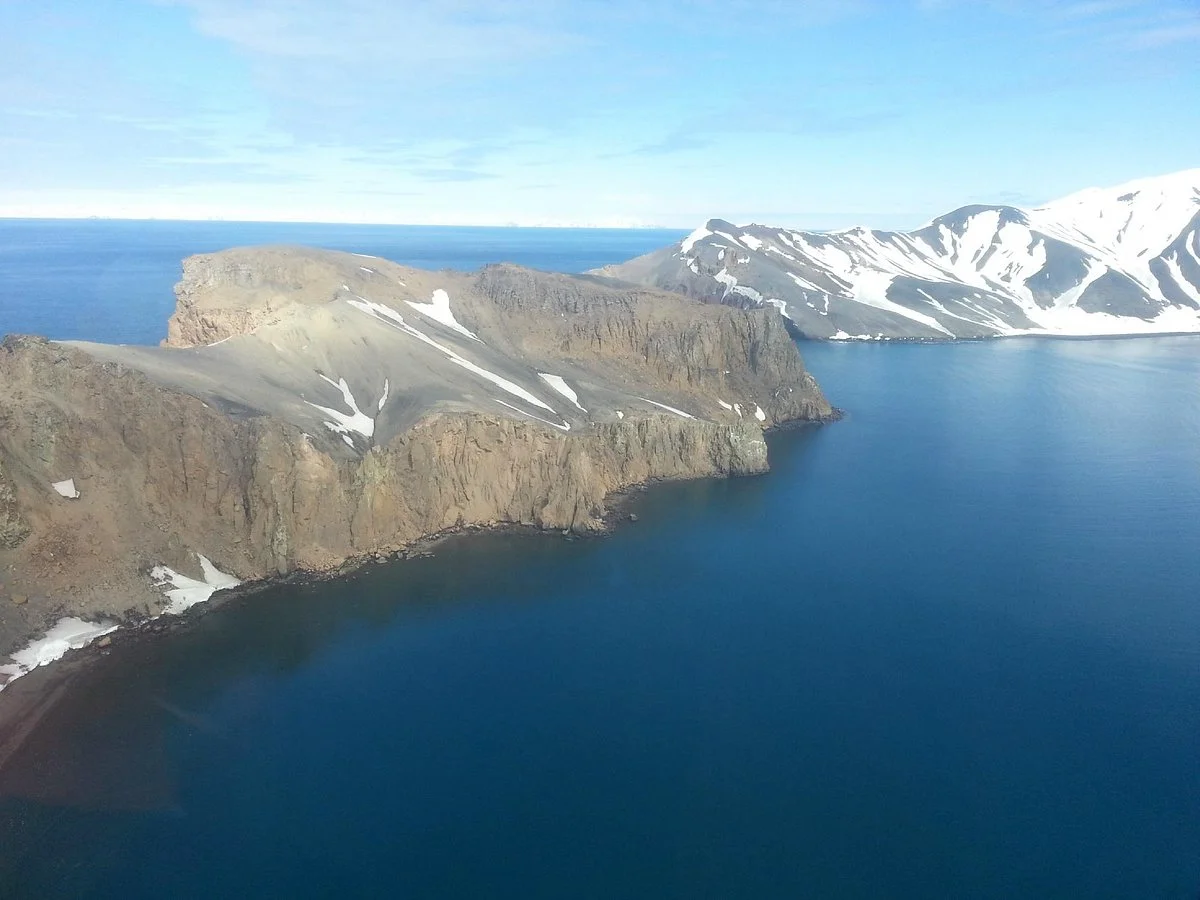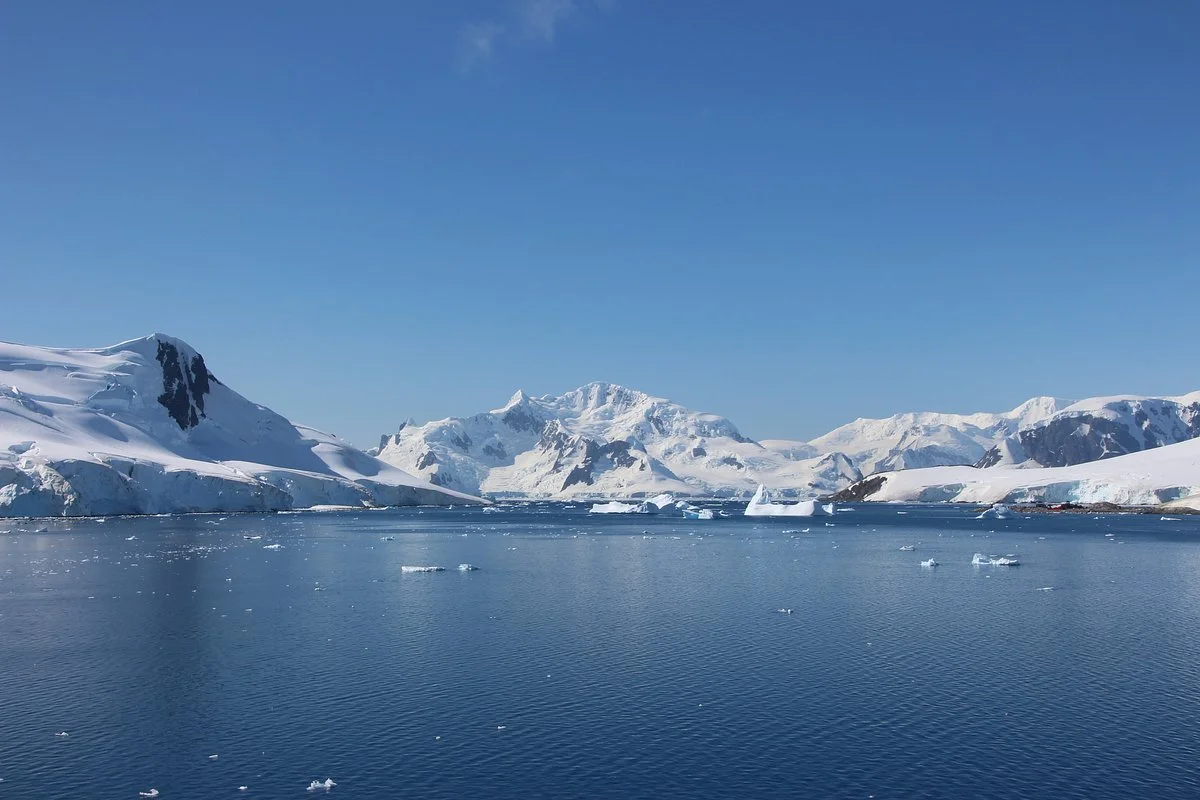
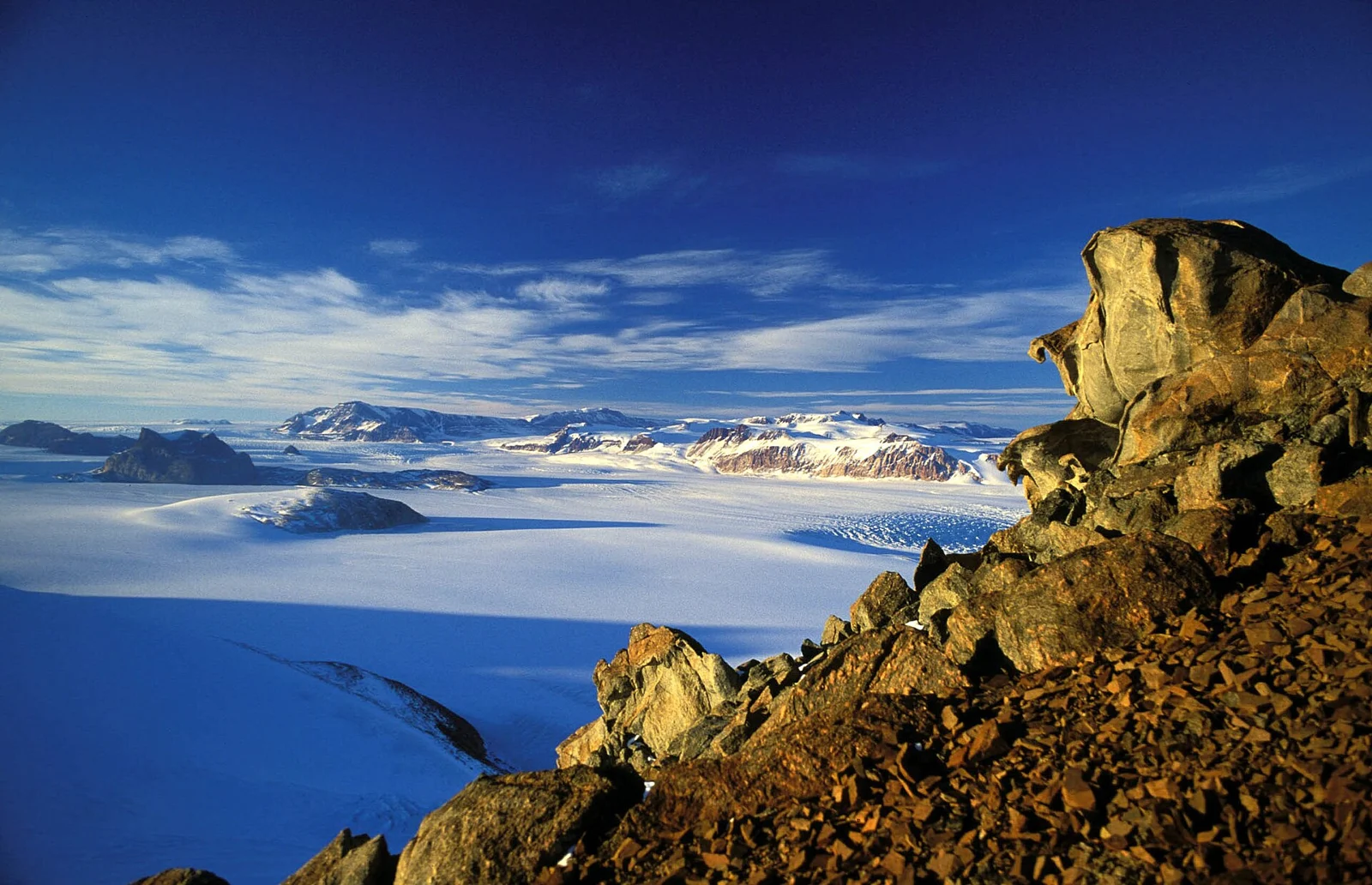
Antarctica is an ice-covered continent of mountain ranges, glaciers and seasonal wildlife colonies. Most visitors reach the Antarctic Peninsula on organised expeditions, where landings depend on weather, sea ice and conservation rules.
Most visitors sleep aboard expedition vessels. Specialist operators also arrange a limited range of land-based camps; there is no ordinary network of hotels across the continent.
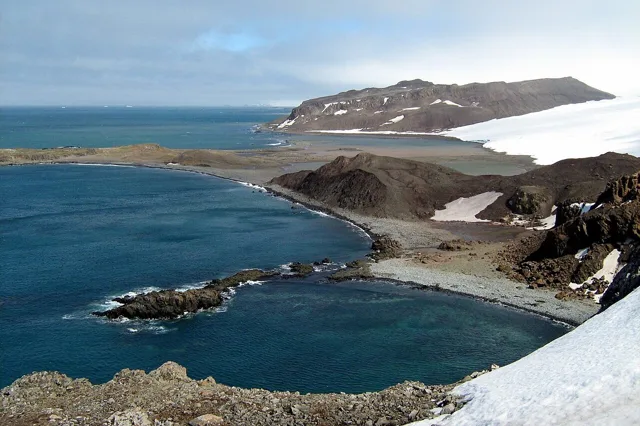
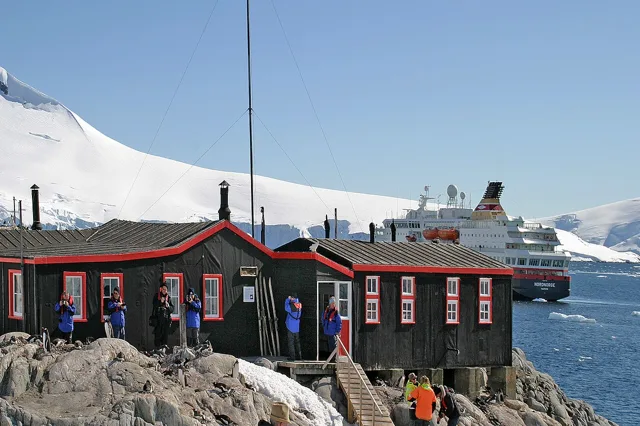
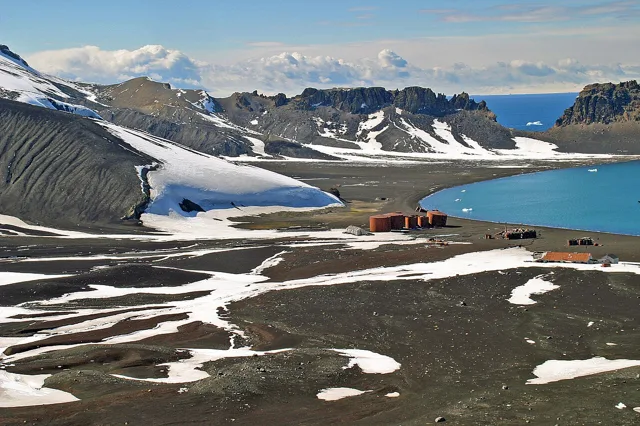
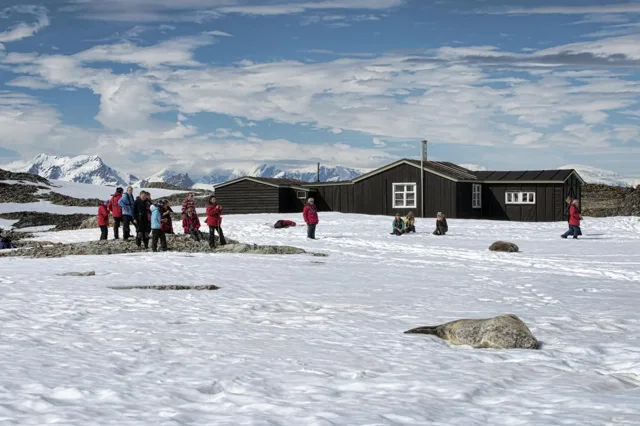
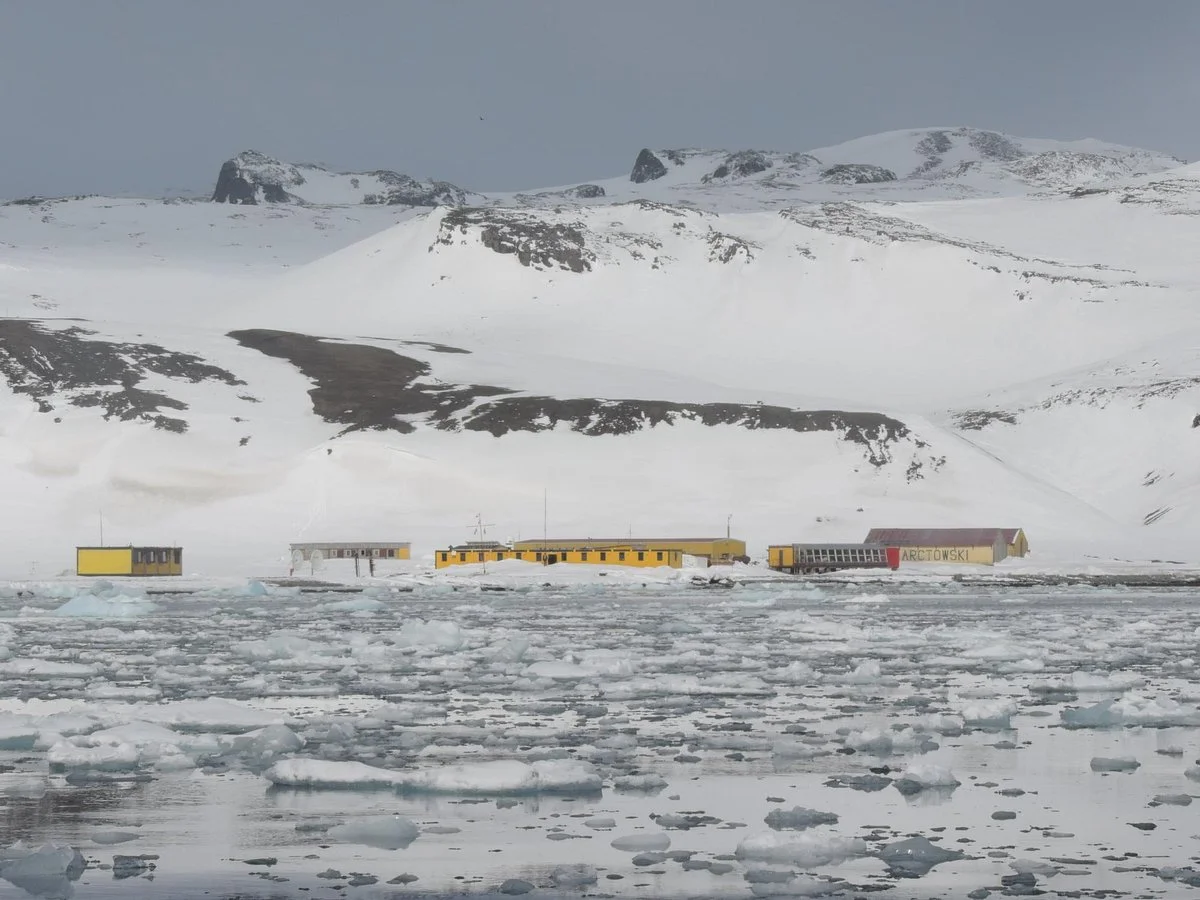
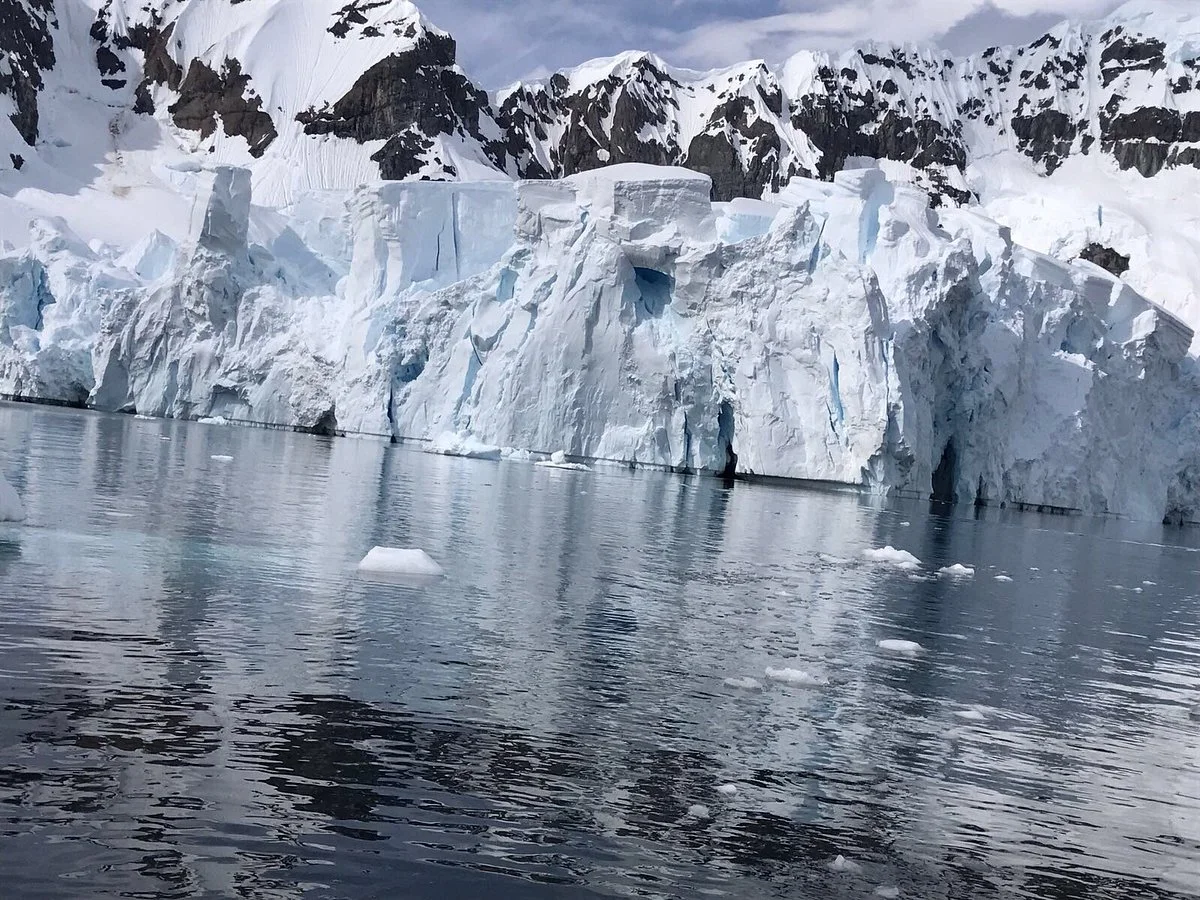
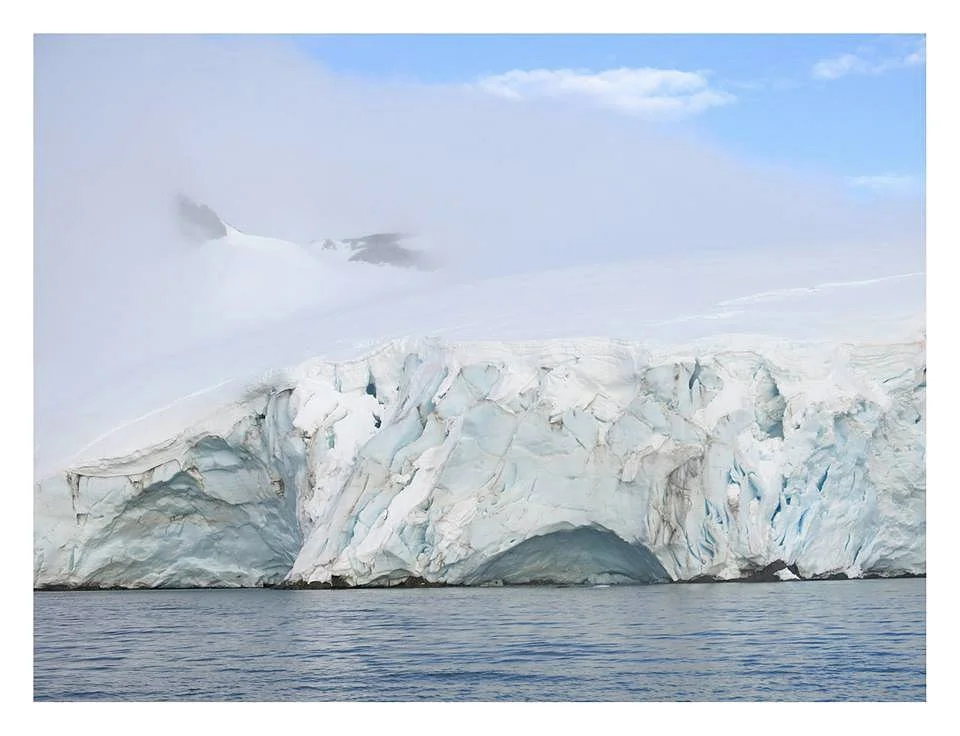
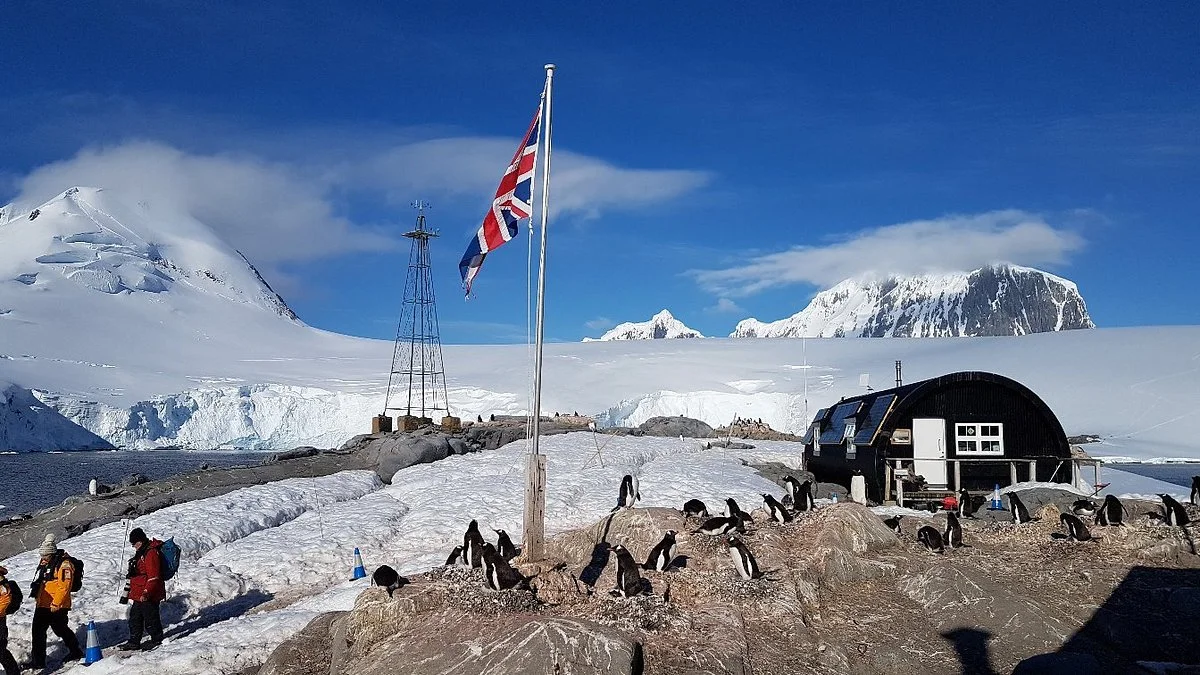
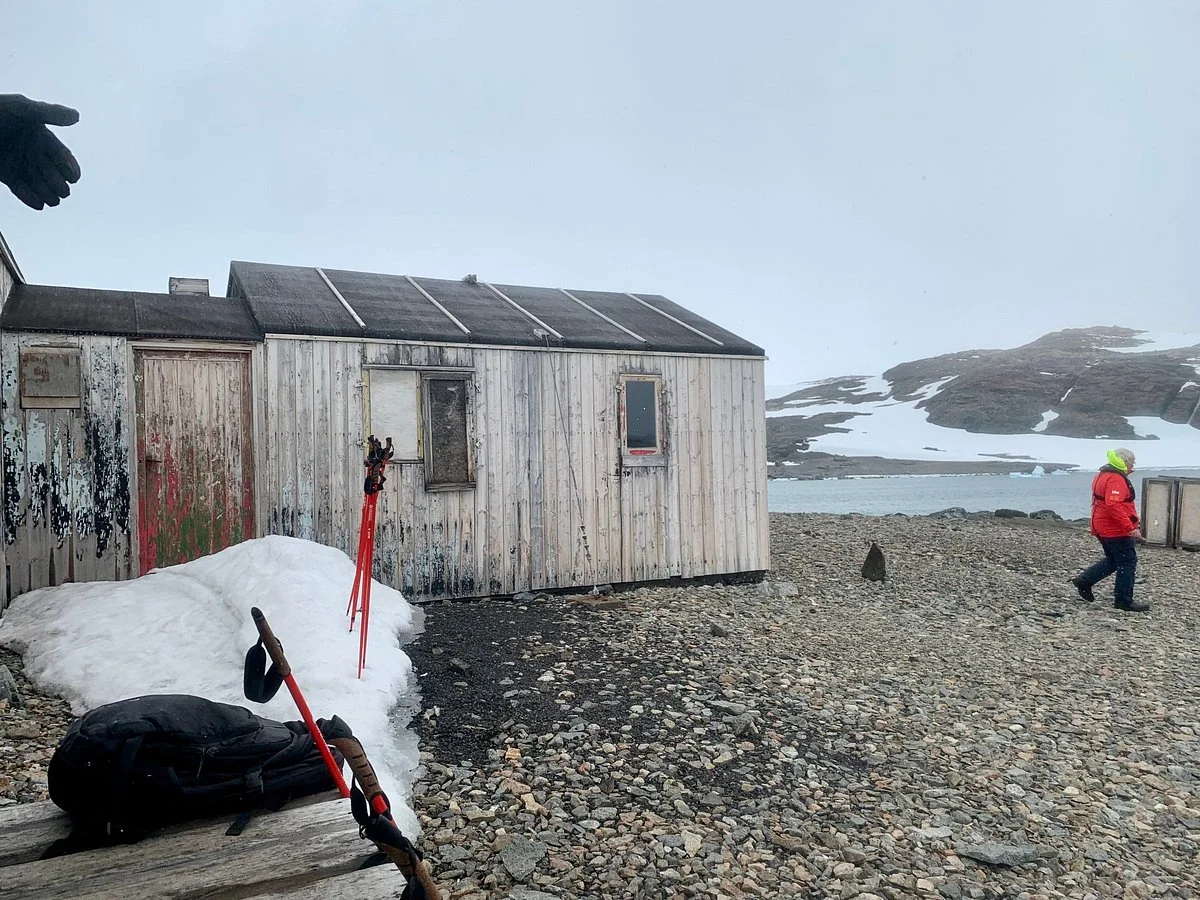
Icebergs, coastal glaciers, penguin colonies and historic expedition sites are the main draws. Landing sites vary by voyage and conditions; research stations are working facilities rather than walk-in attractions.
Follow Antarctic Treaty visitor guidance and your expedition team's instructions. Clean clothing and equipment before landings, avoid disturbing wildlife and leave natural and historic objects in place.
Meals are usually provided aboard ships or at expedition camps. There is no established local cuisine or public restaurant network; discuss dietary requirements before departure.
Discuss medical needs with your expedition operator before booking. Carry sufficient personal medication and complete any required medical screening; shore-based medical facilities are not generally available to tourists.
Connectivity depends on the vessel or camp and may be limited or interrupted. Confirm availability and charges with your operator; download documents before departure.
Antarctica has no single official language. Expedition and research teams use different working languages; confirm the languages offered by your operator.
Guided shore walks, wildlife observation and small-boat excursions are common expedition activities. Kayaking, camping and other specialist options require suitable conditions and operator supervision.